 I continued trying harder this week to do better reading, choosing books that I hoped would bring more or different rewards than my recent rather desultory choices of mysteries and romances. I had mixed success in terms of immediate satisfaction–I didn’t have a lot of fun reading either of the novels I finished this week, but both were thoughtful books that led to thought-provoking experiences.
First up was finishing Yaa Gyasi’s Transcendent Kingdom, which I had started a few weeks back and set aside when I realized I had to dig in on the Balkan Trilogy if I was going to write my TLS piece about it in anything other than a total panic. That I hadn’t really felt the pull of it in the meantime and chose, when I felt free to do more personal reading again, to read other things is symptomatic of my relationship with the novel. I was interested in it from the start, and once I went back to it I remained interested in it until the end, but even though I found the story of Gifty and Nana a sad and sometimes harrowing one, the novel never gripped me emotionally: I felt at a distance from its (and their) feelings. I think some of that might be the result of deliberate choices on Gyasi’s part: Gifty’s voice, for example, is often quite detached, and her interests, at least as she articulates them, are often intellectual or philosophical. She is processing trauma and grief in that way, by asking questions about what things mean and also by turning her family experience into something she can investigate – however imperfectly – through science. Her experiments are a way of managing what happened with her brother’s addiction and death, of trying to convert something that makes no sense to her into something wholly explicable.
The other crucial layer of the novel is her struggle to reconcile her religious upbringing with both Nana’s addiction and her own scientific predilections. This made perfect sense as part of Gifty’s personal journey, but there wasn’t much in it that interested me very much, partly because, as a life-long atheist, I can enter only theoretically or hypothetically into someone’s crisis of faith. If it’s going to feel important to me, I need to have a really strong sense of what makes it so difficult to let go of the religious side — or what makes it so important to hang on to it — not in terms of an argument about it, but in terms of the power it has for the character: what does it offer them, or has it meant to them, that a life without religion cannot? There are definitely literary texts that convey this urgency to me (the first writer who comes to mind is actually Hopkins, whose “terrible sonnets” I find extremely powerful–or Tennyson’s In Memoriam) or that tell a story about how faith matters in such a way that, although it is very much not my own world view, I find it compelling nonetheless. I just didn’t have that response to Transcendent Kingdom, which offered neither the intensity of a vicarious religious experience nor any novel insight into either belief or unbelief. Here’s a representative passage with Gifty reflecting on the relationship between faith and science:
 This is something I would never say in a lecture or a presentation or, God forbid, a paper, but, at a certain point, science fails. Questions become guesses become philosophical ideas about how something should probably, maybe, be. I grew up around people who were distrustful of science, who thought of it as a cunning trick to rob them of their faith, and I have been educated around scientists and laypeople alike who talk about religion as though it were a comfort blanket for the dumb and the weak, a way to extol the virtues of a God more improbable than our own human existence. But this tension, this idea that one must necessarily choose between science and religion, is false. I used to see the world through a God lens, and when that lens clouded, I turned to science. Both became, for me, valuable ways of seeing, but ultimately both have failed to fully satisfy in their aim: to make clear, to make meaning.
As a description of a character’s point of view, this is fine–good, even. As a commentary on the relationship between science and religion, though, it seems pretty perfunctory and not at all memorable. (I think the novel, or Gifty, also underestimates the capacity of godless people to find meaning and even wonder in the world: Gyasi relies too much on a reductive opposition that she then, unsurprisingly, can’t reconcile or overcome in any profound way.) Maybe it’s as simple as the difficulty of incorporating philosophy into fiction. A “novel of ideas” is one of the hardest things to write without being either didactic or obscure–and while also fully dramatizing the concepts behind it.
 The other novel I read this week was Sally Rooney’s Normal People, after finishing the extraordinarily intimate and touching series. I have thought a lot about how watching the adaptation first (something I rarely do) affected my reading of the novel. The most important thing is that it inspired me to read the novel at all: after giving up part way through Conversations with Friends because I was “bored stiff with the process of reading Rooney’s prose,” I had assumed Normal People was also not for me. I’m still not sure what I think about it qua novel, because the whole time I was reading it, I could hear the lines in my head as delivered by the actors (the script is extraordinarily close to the novel–a sign, in some ways, of exactly what I don’t like about Rooney’s style–shouldn’t there be more sense of something lost in the translation to a different medium, the way no 19th-century novel is ever as good in the adaptation because, among other things, you inevitably lose the narrator?).
That said, Normal People is not quite as minimal as Conversations with Friends: there actually are some conspicuously written moments: flashes of gorgeous metaphors (“Cherries hang on the dark-green trees like earrings,” for example–not the narrator’s own words, but Connell’s, rare evidence of the gifted writer he is supposed to be), or observations, contexts, or or internal reflections that at most we can only infer from the many long silences in the adaptation. Still, the sentences overall have the same flat affect and monotonous tone that alienated me from her earlier novel–except when I “listened” to their soft Irish lilt. Could it be that the accent makes all the difference? Not for everyone, obviously, as Rooney has been widely acclaimed. Why did I need the text on the page translated into talking before I could feel it? Because I definitely did feel Normal People. In fact, I felt so sad when I finished it I could hardly get back to my to-do list for the day. I did not find the adaptation so devastating, even though it covers so precisely the same ground. There was just so much tenderness in it: the way they looked at each other, which is described in the novel too but so sparingly you have to take the intimacy on trust, while on screen, you can see it, even when (especially when) they aren’t touching or talking. (They both give such good performances.)

Did the series bring something to the novel that isn’t actually there? Or did it bring out something I might have missed if I’d read before watching, because the novel isn’t written in a style I like? Whatever it was, I found that I was willing to believe in depths behind the boringly minimal prose of Normal People that I couldn’t feel or believe in when I tried Conversations with Friends.
 Next up, I think, is Elizabeth Bowen’s The Death of the Heart, which was one of my Christmas gifts, and then probably Colm Toibin’s Nora Webster, which I couldn’t resist when I saw it in the selection of March sale books at the King’s Bookstore. Plus I’m also, always, reading for class as well: in the ‘Woman Question’ seminar, we are doing a poetry cluster in the upcoming module, after wrapping up The Mill on the Floss this week, so that will be a change of pace; and in Mystery and Detective Fiction we are starting Sara Paretsky’s Indemnity Only. Because I’ve assigned (as recommended for online courses) quite a bit less reading in both classes than I usually do, I am a bit wistful about what we aren’t covering, but all indications are that this kind of paring back is the right move–and I guess all things considered, I’m not really sorry given how laborious other aspects of online teaching continue to be.
 It’s not that I haven’t been reading. In fact, in the last couple of weeks I reread all three novels in Olivia Manning’s Balkan Trilogy, which is, cumulatively, over 900 pages. This is because I’m going to be writing up something about them for the TLS to mark the nice new reissues by Windmill Books. What exactly I’m going to say is something I’m still working out: the problem is not too few ideas but too many, given what strange and fascinating and provoking books these are. But because I have a formal writing project to do about them, I won’t be adding anything about them here. (I
 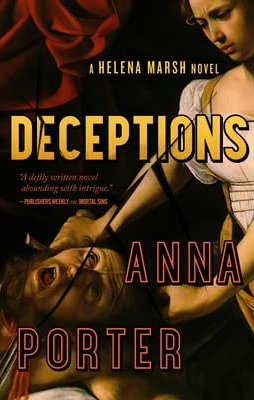 soon: the tl;dr version (though it’s actually quite a short review anyway!) is that they are good and have real historical and moral depth behind the genre-fiction surface, especially through the way their stories reach back to Hungary’s fascist and Soviet-dominated past. My mother kindly just shipped me her copy of Porter’s memoir The Storyteller, apparently out of print now, which I am looking forward to reading.
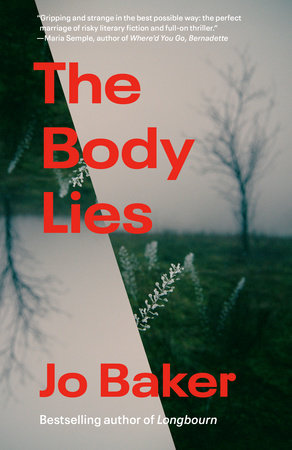 I’ve done some other reading “just” for myself and it’s really here that I’ve felt that things are not going so smoothly. The books have been fine. Well, two of them have been fine: Jo Baker’s The Body Lies and Kate Clayborn’s Love At First. Baker’s is the next one we’ll be discussing in my book club: because we are all tired, stressed, and distracted, people wanted something plotty, and I took on the job of rounding up some crime fiction options that looked like they would also be “literary” enough for us to have something to talk about. I think we chose reasonably well with The Body Lies: it purports to be a novel about both violence against women and about how that violence is treated in so much crime fiction, meaning it has a metafictional aspect that adds interest beyond the novel’s own story. I finished it quickly, because I found it quite engrossing, so that’s a good sign in a way–but I also finished it unconvinced that it had avoided the trap of reproducing the things it aims to critique. I read it too soon, as we won’t be meeting up for a while, so I’ll have to reread at least part of it before our discussion to refresh my grasp of the particulars: I’ll come to that rereading with this question top of mind.
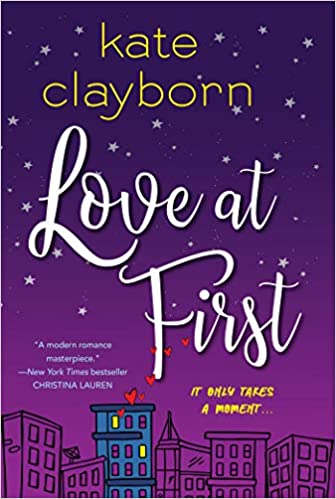 I was really excited for the release of Love At First because I am a big fan of Clayborn’s previous novels: they are in the relatively small cluster of romance novels that I have appreciated more the more often I reread them (which in this case has been quite frequently), because she packs a lot into them. That complexity, which can make them seem a bit cluttered at first, turns out (for me at least) to give them more layers and more interest than I often find in recent examples of the genre, which are either too thin and formulaic to sustain my interest or try too obviously to check off too many boxes, making them read like they were designed by focus groups, rather than emerging in any way organically. I really enjoy the intense specificity of her characters and their lives, including their work, which she pays a lot of attention to (yay, neepery). I feel a bit deflated by Love At First, because it seemed – while both very sweet and very competently written and structured – a lot less interesting and a lot less intense than the others. For the first time reading Clayborn, I felt I was reading something almost generic: the story goes through the motions rather than jumping off the page. I’ll reread it eventually: maybe I will find more in it then. I did like it! But I had hoped to really love it, and I didn’t–at least not at first. 🙂
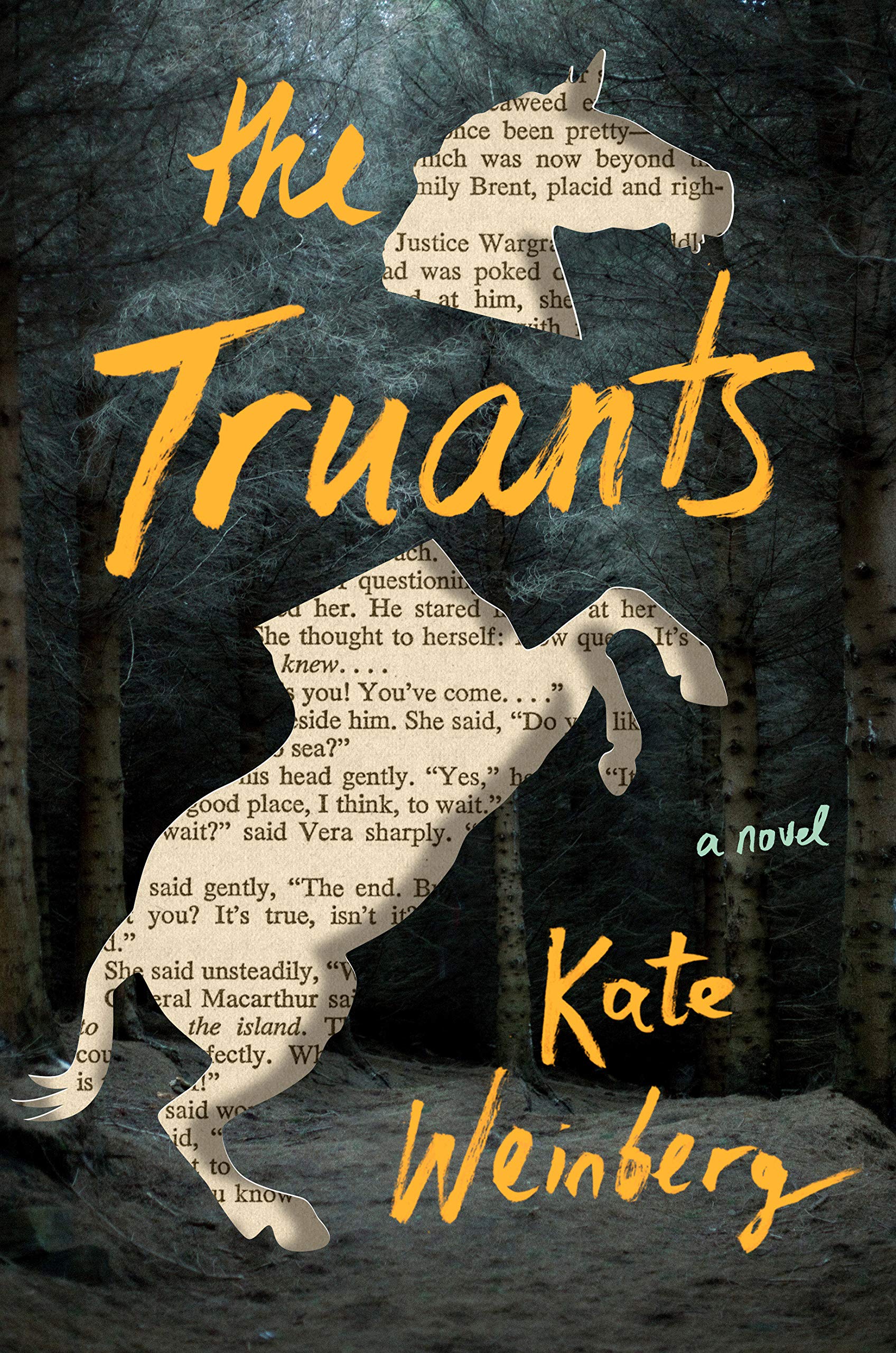 And speaking of books I don’t love, I have stalled half way through Kate Weinberg’s The Truants. It showed up on my radar around the same time I was looking into The Body Lies and they seemed so well paired that I ordered them both at the same time. Now I wonder what got into me: I started, hated, and quickly abandoned Donna Tartt’s The Secret History and everything about The Truants (including many of the blurbs!) signals that it is in the same vein. There’s nothing wrong with it qua book; it seems deft and clever and (like The Body Lies, but in a different way) it is also aiming at something metafictional through its engagement with Agatha Christie and ideas about how crime fiction works. But I can’t stand academic stories that turn on cults of personality around professors, which are creepy and and antithetical to everything I believe about teaching, not to mention about student-teacher relationships (hello, Dead Poets Society, which once upon a time I found enthralling but now consider kind of appalling). Also, while I try not to hold academic settings up to reductive standards of realism — and I’m also aware that I don’t understand the British system being portrayed very well, so I can’t actually be sure if I’m right when my reaction is “but this isn’t what we do!” — it gets distracting when the scenarios seem too far off. I have not so far managed to get genuinely interested in any of the characters, which means I keep not picking the book up to read further, which in turn means I’m also not picking up anything else because I feel as if I should finish it first. That’s a foolish “should,” I know, though I am by habit and on principle someone who does mostly try to finish the books I start, in case they get better or I figure out how to read them, both things that have happened often enough to make me hesitant to toss things aside. I’m not going to toss this one aside, or at any rate I’m not going to put it in my malingering “donate” stack (how I wish the book sale was once again able to accept donations, as this stack is getting kind of large!). Instead, I’m going to put it back on my Mysteries shelf and try it again another time.
 I think I need to read something richer and more challenging to turn things around — and to do that I need to stop making excuses about distractions or poor concentration. Reading, including reading well, is a decision we can make, I honestly think, and it’s not just that I feel disappointed in myself when I’m not doing it; it’s also that my life overall feels worse without it. One of my favorite quotations is from Carol Shields’ wonderful novel Unless: “This is why I read novels: so I can escape my own unrelenting monologue.” My current unrelenting monologue (like most people’s these days, I expect) is not a particularly sustaining one: I need reading to give me other stories to think about. I need blogging for the same reason, I find: it is still the only writing I do that feels genuinely my own. This is not by way of making some kind of bold resolution about either reading or blogging, but it actually helps just putting into words why I hope I will be doing more of both.
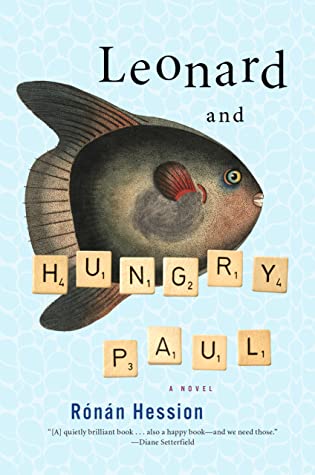 I’m doing pretty well working my way through my Christmas book stack.
 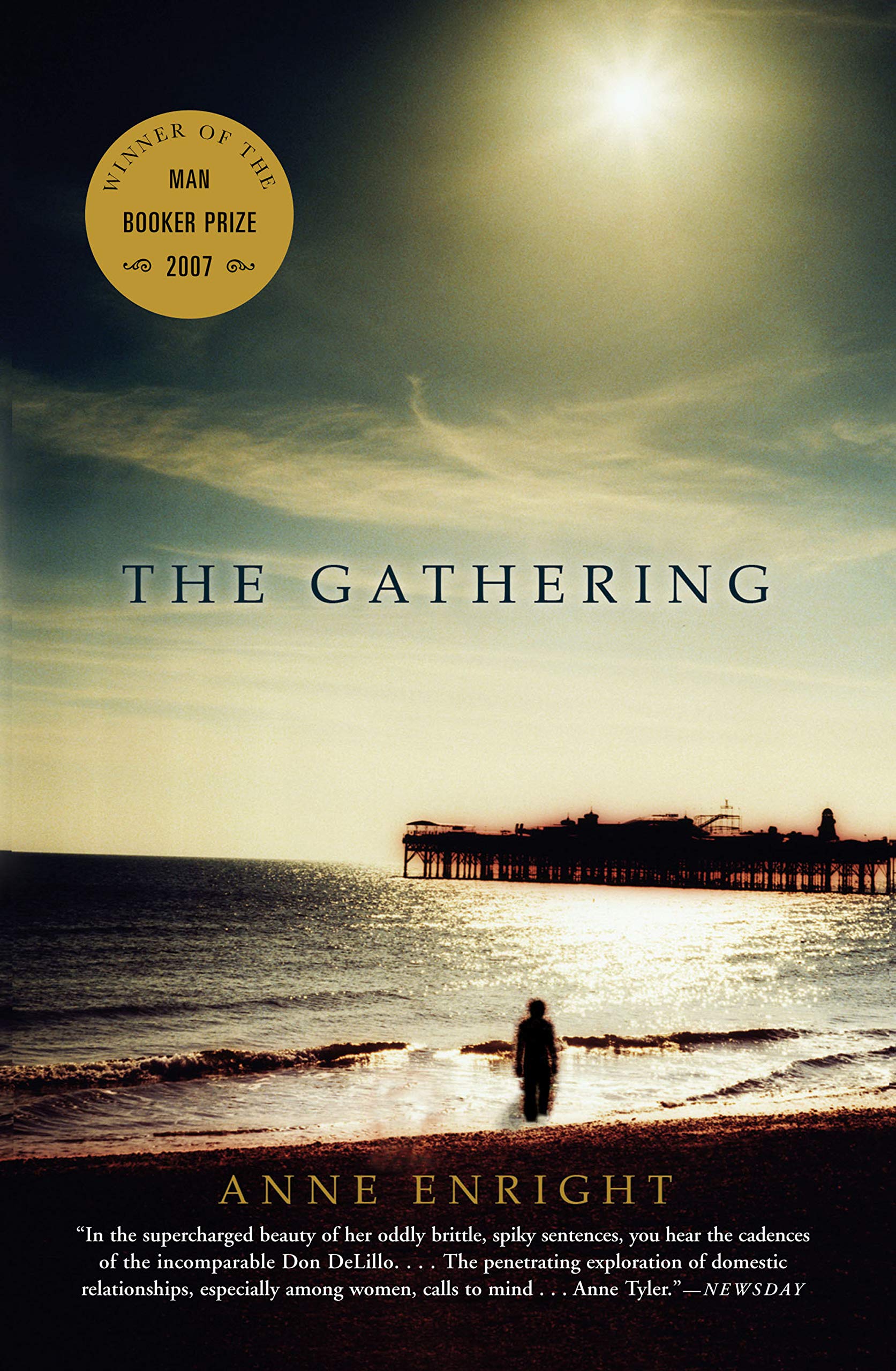 The Gathering is also a very good novel–probably an excellent one. I feel much less inclined to urge you to read it if you haven’t already, though, because it is also a fairly lugubrious one. It is a family story of a particular kind: I want to say, of a particularly Irish kind, which may or may not be fair. Insofar as it has a plot, it is organized around the gathering (of course) of the remaining members of a large family (and assorted spouses and children) after the suicide of their brother Liam. It is narrated by his sister Veronica, and around this present gathering she weaves together a sad tapestry of memories and questions, at first mostly about her grandmother Ada and about Liam–who has never really been ‘right’ since they were first sent as children to stay with Ada-and eventually about what might be painful secrets in Veronica’s own past. If you suspect that the story’s original sin is sexual abuse, you are right, and how awful is it that this revelation not only does not come as a surprise in the novel but felt like a cliché? Enright’s treatment of it is not clichéd, or prurient, or sensational: it is sad and angry, and short on redemptive promises. She writes beautifully, and says a lot of things that will linger with me, like this bit, from early on before we know for sure why Veronica’s outlook is so shadowed:
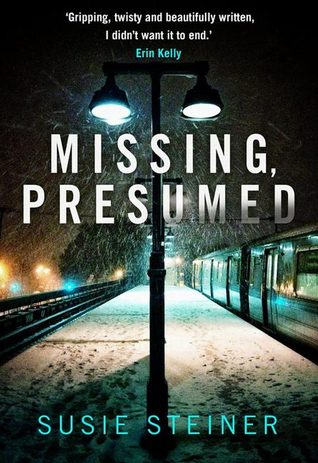 My other recent reading (besides reading for my classes, of course) has been two pretty good mysteries. One was the first in Susie Steiner’s Manon Bradshaw series, Missing, Presumed, which I read out of order because when I first looked, only her most recent was locally available. The one I read then was good enough that I put this on my wish list, and I actually thought it was better in some ways–though that might because I already knew a bit about Manon. It was especially interesting to see how the family situation she’s in, in the later book, comes into being in this one. The other is the second of Dervla McTiernan’s series about Cormac Reilly (Ireland again!), The Scholar. This was very well done but–and this is very rare for me, suggesting I’m either a lazy or an inept reader of detective stories!–I more or less figured out the crime pretty early on. It didn’t matter that much to my enjoyment of the book, as I read crime fiction more for character and atmosphere than for the mystery itself.
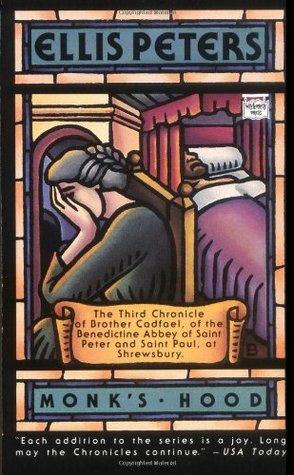 I don’t usually look back on my year in reading until I’m pretty sure the reading year is actually over: traditionally, I get some good books as gifts, for instance, and sometimes the last week of December is my best chance for happy, uninterrupted reading. So I won’t plunge into retrospection just yet! Instead, I’ll just briefly note three more books that could be in the running for best or worse of the year.
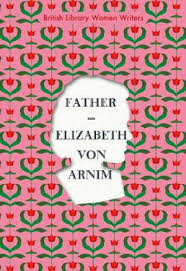 Elizabeth von Armin’s Father was better than fine: it was funny, touching, and somewhat acerbic, never tipping over into sentimental but also without quite the edge of cruelty that turned me off
 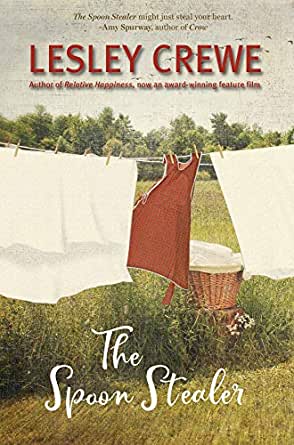 The recent book that did not go over so well with me was Lesley Crewe’s The Spoon Stealer. I decided to buy it after enjoying an online event put on by the Writers’ Federation of Nova Scotia about historical fiction. All of the authors on the panel read excerpts from their work, and The Spoon Stealer sounded charming–and it is, in many ways, but it fell flat when I read it for myself. I’ve been wondering if the problem might lie somewhere in the difference between how books sound read aloud and how they sound in my head, or with something about what I read novels for and prefer to get from them: perhaps Crewe’s style tilts towards oral storytelling, for instance, while my taste tends in another direction. When I paused over an incident or paragraph or sentence in the novel that seemed especially stilted or unconvincing, I could almost never point to anything specifically wrong with it, and I like the novel’s premise and (in theory at least) its protagonist. But I became increasingly impatient with it, though just to be sure I gave it a fair chance, I did read all the way to the end. I am always aware that not all books are for all readers and this one turned not to be for me–it’s not always good enough (depending on the circumstances) to shrug a book off this way, but in this case, I am OK with just moving on.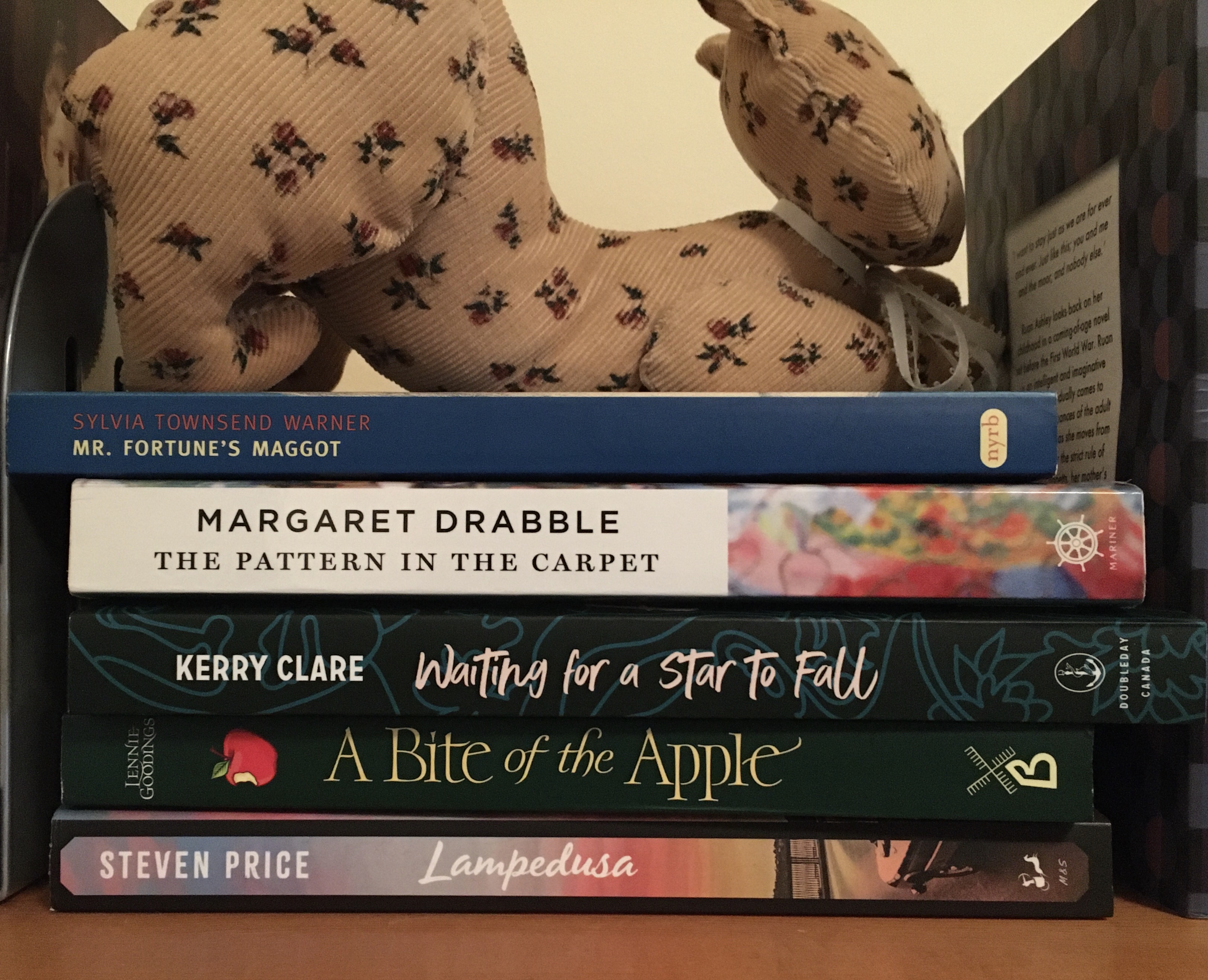
 I have fallen out of the habit of regular blogging in the last little while. One of the odder features (to me) of my blog archive is that early on, I actually posted much more frequently, even though my life back then was much more hectic. I think in those days writing blog posts felt intellectually liberating–which it still does, but less urgently so, given the ways in which my life has changed. Time to myself is a less precious commodity now, too, so blogging feels less like an escape and more like another task (which is silly, of course, as it remains entirely voluntary). Then when I find myself in the doldrums, as I have recently, it is hard to muster up both the energy to post and enough faith in myself to believe I have something to say.
 Things were a bit hectic and stressful around here for some family reasons too, so I have been struggling to concentrate on the more demanding books in my reading pile. I read Amy Jones’s Every Little Piece of Me but didn’t like it nearly as much as
 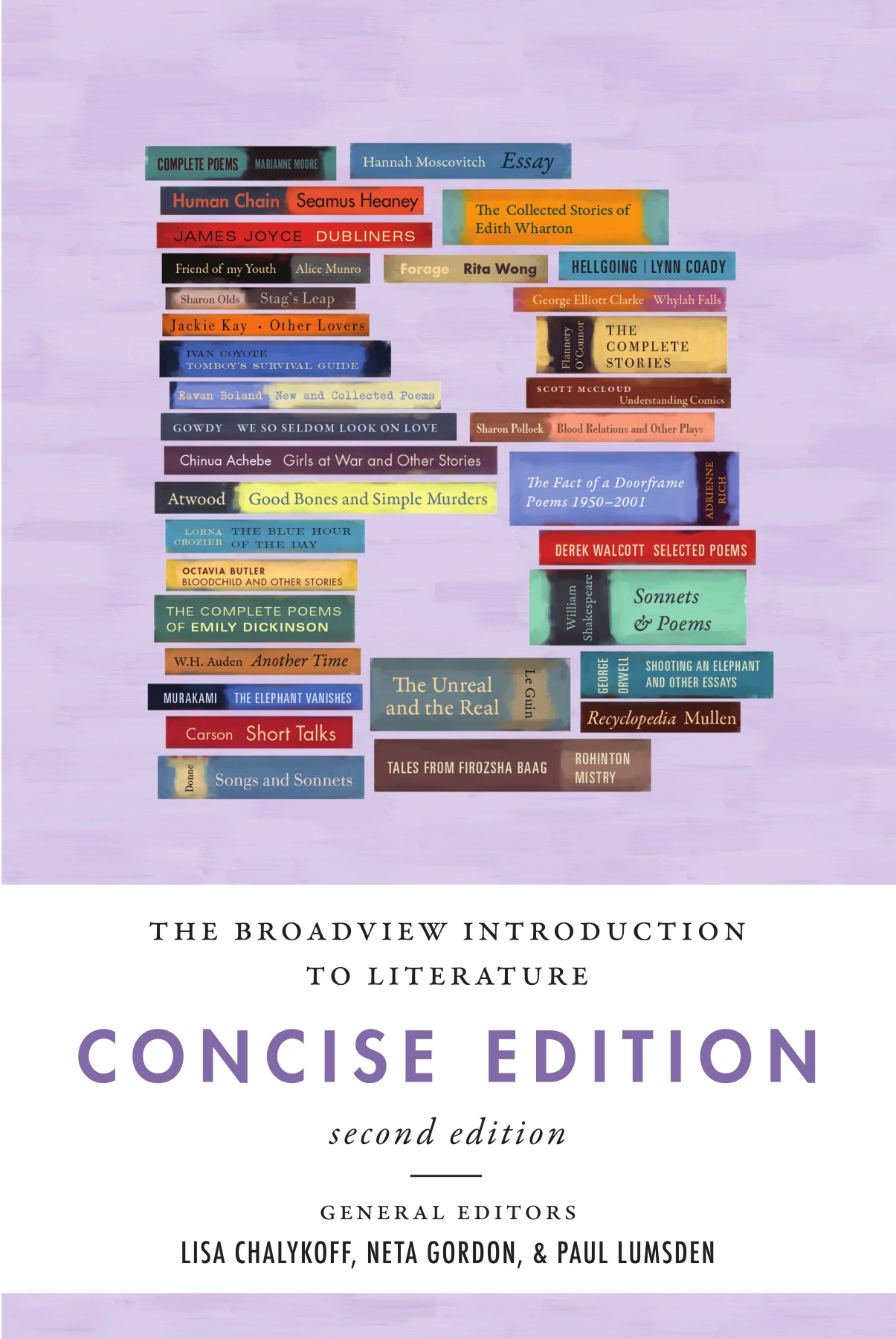 The other reading I’ve been doing is in the Broadview anthology I ordered for my first-year class, as it contains a lot of stories and poems I don’t know at all. I’m impressed at the range of styles and voices in the reader–and mine is the concise edition, too! I haven’t quite pinned down the specific readings for the course yet, but in this, as in my other fall class prep, I do feel I am making progress. I have spent such a lot of time thinking about online teaching this summer that I was starting to panic about not actually having built my course sites or created content for them. I hope that theoretical time will pay off, but in any case it is definitely time to stop thinking and start doing–and since the TLS piece went in, that’s what I’ve been focused on. It is daunting to feel September is so close, but at the same time I am looking forward to it for the same reasons I usually welcome the return to classes: activity, conversation, intellectual exercise, the stimulation of being busy in more concrete ways. Sure, it won’t be the same kind of activity or conversation, but I’ll take it.
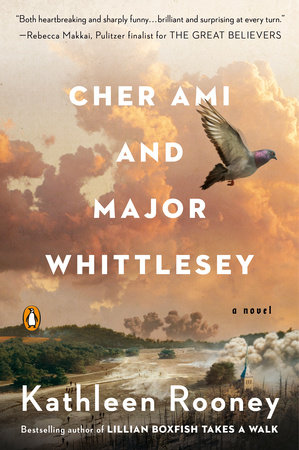 Anyway, the main point of this post is to break the silence–here and in my head! I have another writing deadline coming up but it’s not as onerous (a shorter review, of Sarah Moss’s Summerwater, which I’ve read twice already). I’ve got My Antonia and Kathleen Rooney’s Cher Amie and Major Whittlesey at the top of my TBR, both of which look very tempting, and at the moment things are quiet on the home front, so I hope to be in a better space for reading and blogging.
 I’m not sure whether I’m surprised that it has already been three weeks since we began extreme social distancing here or surprised that it hasn’t been even longer — normalcy itself seems so distant now! It seems remote in both directions, too: hard as it is to think back on the relative simplicity of ordinary life before, it is even harder to look ahead because there is so much uncertainty about when and how those conditions will return. That’s as good an argument as any for trying to take this massive disruption one day at a time, which is certainly what I have been trying to do. My success varies, as does my ability to get through each day with anything like the (again, relative) equanimity and focus I used to have.


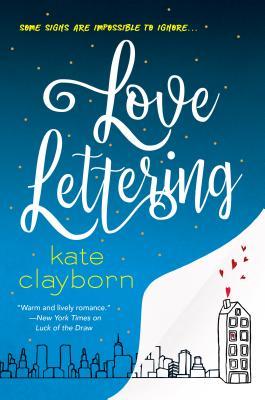 It hasn’t been a good stretch for me in my romance reading. I haven’t read anything since Love Lettering that I expect to re-read, which for me is the real sign of success: since I found my groove as a romance reader (nearly a decade ago, now!), romance has filled a nice niche for me as my go-to genre for incidental reading, books that divert, distract, and cheer me when I don’t have the time or am not in the mood for heavier options. I don’t mean to belittle the genre at all with this characterization. I have always read and reread books in that spirit, but they used to be mostly ‘light’ mysteries (Dick Francis, for instance) or relatively undemanding but satisfying general fiction (Anne Tyler, Joanna Trollope). I still reread old favorites in those genres too, but now my interstitial reading (as I have come to call it) also includes Georgette Heyer and Loretta Chase, Courtney Milan and Kate Clayborn.
 What is it that makes rereading–sometimes frequent rereading–pleasurable? Why do some books invite and reward it and others not? I reread for a living, of course, and for the books I teach the answer usually has to do with complexity: with layers of meaning and intricacies of language or form. Books teach well that don’t reveal themselves completely on a first try–otherwise what is there to talk about, after all? The better you know a book like that, the more you appreciate on each reading: the pleasure itself gets more complicated and multidimensional. That’s not (or not quite, or not usually) the same with the mysteries or romances I reread, though–or with writers like
  But not every romance novel inspires rereading for me, even if I enjoyed it just fine the first time. Sometimes there’s an obvious problem–stilted prose, unconvincing characters, a plot that feels too utterly contrived, leaden dialogue–but others fall flat for no reason I can really put my finger on. The recent string of books that prompts this post included just one of the first kind (Tessa Dare’s The Wallflower Wager, which felt creaky from the get-go and then lumbered predictably along while trying to be spritely and witty, which is the worst effect for me) but mostly books of the second sort, where nothing was overtly wrong but they still didn’t do much for me. Get A Life, Chloe Brown was like that–it was perfectly fine, sometimes even charming, but when I was done, it went straight into the ‘donate’ pile. Ditto Mhairi McFarlane’s Don’t You Forget About Me, and Lucy Parker’s Headliners, and Alyssa Cole’s A Duke by Default. This morning I finished Linda Holmes’s Evvie Blake Starts Over and overall I enjoyed it the most of this recent batch–though I’m not 100% sure it qualifies as romance. (It sits on the fuzzy line between contemporary romance and “chick lit” or “women’s fiction,” especially as it doesn’t quite serve up the requisite HEA–its ending is a very nice happy-for-now one.) If I went back a couple of months, I could give a much longer list of titles–very few of them actually bad but also few of them particularly good. (In romance as in all reading, of course, YMMV, and these are all books others have enjoyed a lot. Love works in mysterious ways, I guess! As we say on Twitter, “don’t @ me.” 😉 )
 When I mentioned my discouraging string of “meh” romance reads on Twitter,
 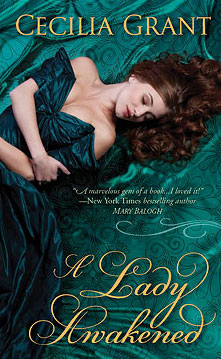 Although my relationship with romance has come a long way since my first skeptical and ill-informed attempts at reading in the genre, I do sometimes get fed up. As I mentioned in that Twitter conversation, I “DNF” romance novels far more often than books of any other kind, and while it’s possible that this result is mostly about me (as a reader or a person, who knows) it’s hard not to think it also says something about the genre, though what exactly that is, I’m not sure. But it’s also true that most romance novels are relatively fast reads, which is why I can get through so many of them in such a short time. Perhaps, proportionally, the hits and misses are not really that out of line with the rest of my reading–they just stack up more quickly! That also means that each romance novel on its own is a fairly low risk endeavor (certainly compared to, say, Ducks, Newburyport, which so far I dislike much more intensely than any of the romances I have picked up and put down without finishing, and which will require a vastly greater investment of time and effort to get the rest of the way through). Moreover, when I do find a romance novel I really like, the pay-off is disproportionately large because of how often I am likely to end up rereading it. I have now read all three of Kate Clayborn’s ‘Chance of a Lifetime’ trilogy three or four times each, for example, and will no doubt reread them again before too long; the same is true of Cecilia Grant’s ‘Blackshear Family’ series, the first one of which, A Lady Awakened, I recently reread with great pleasure. There are even some individual scenes that make the whole exercise worthwhile! Sometimes I pick up Heyer’s Devil’s Cub just to reread the chapter in which Mary, all unwitting, tells the Duke of Avon about her misadventures with his wayward son Vidal: it’s the perfect antidote for a fit of gloom, a reliable dose of “restorative pork jelly” (an allusion other Heyer readers will appreciate!).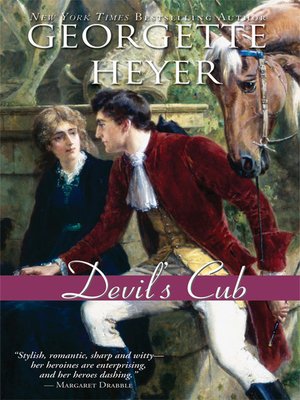
 I have read a handful of books recently that I haven’t written up properly here; I thought I would say at least a little bit about them before my impressions fade away.

 At a block party recently I mentioned to a neighbor that I was curious about Michael Ondaatje’s Warlight, so she kindly lent me her copy. I read it with interest at first but found my attention flagging. It too, in its own way, is a very atmospheric novel, but there didn’t seem to be much more to the novel than atmosphere: not much happens, even in the retrospective spy story that sounds as if it should be suspenseful and, if not action packed, at least eventful. There are events, but they always seemed strangely at a distance; I found Ondaatje’s style portentous, always promising but deferring some deeper meaning that I didn’t think was ever actually delivered. I read The English Patient years ago and I remember liking it, but that was in the dark days Before Blogging, so I can’t go back to an old post to see what I liked about it. A bit of Twitter discussion suggests Ondaatje is a divisive writer. I can see why, given how self-conscious his style is. I liked a lot of moments. One near the end suggested to me the principle the novel itself may be built on:
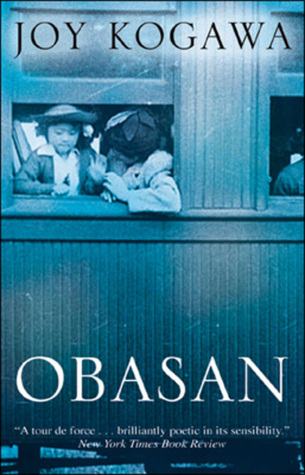 Finally, I just finished reading Joy Kogawa’s Obasan for my book club. This novel is, of course, a Canadian classic, and I think I must have read it before, though I did not have any specific memory of it. It is a very powerful novel, and a very artful one as well. It is also a depressingly timely one: so much of the racism and anger directed at Japanese Canadians, vilified and scapegoated in the 1940s, is echoed in current anti-immigrant rhetoric, especially but certainly not exclusively in the United States right now. “Which year should we choose for our healing?” Naomi asks, reading through her aunt’s archive of documents about “Canadians of Japanese origin who were expelled from British Columbia in 1941 and are still debarred from returning to their homes.” “Restrictions against us are removed on April Fool’s Day, 1949,” she notes,
 It certainly is easy to fall out of the habit of blogging–and this in spite of the fact that the most fun I’ve had in the last little while was writing my two previous posts. I enjoyed doing them so much! I felt more engaged and productive than I had in a long time, not because I was fulfilling any external obligation but because I was sorting out my ideas and putting them into words. To be honest, though, in both cases I was also a bit disappointed that the posts didn’t spark more discussion in the comments, and that set me back a bit, as it made me wonder what exactly I thought I was doing here–not a new question, and one every blogger comes back to at intervals, I’m sure. I appreciate the comments I did get, of course, and there was some Twitter discussion around the Odyssey post, which as I know has been remarked before is a common pattern now–though I can’t help but notice that there are other blogs that routinely do still get a steady flow of comments. Anyway, for a while I felt somewhat deflated about blogging and that sapped my motivation for posting. I know, I know: it’s about the intrinsic value of the writing itself, which my experience of actually writing the Woolf and Homer posts more than proved–except it isn’t quite, because if that was all, we’d write offline, right?
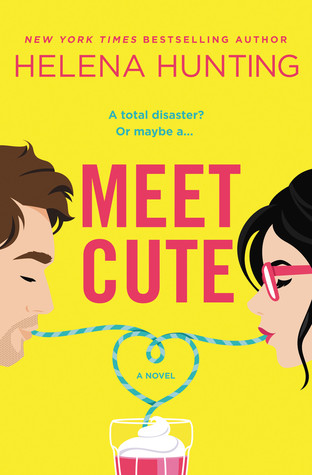 It hasn’t helped my blogging motivation that not much has been going on that seems very interesting. I certainly haven’t read anything since the Odyssey that was particularly memorable. I’ve puttered through some romance novels that proved entertaining enough but aren’t likely candidates for my “Frequent Rereads” club. Two were by Helena Hunting, a new-to-me author–Meet Cute and Lucky Charm, both of which were pretty good; one was Olivia Dade’s Teach Me, which had good ingredients but seemed just too careful to me, too self-consciously aware of hitting all the ‘right’ notes; and finally Christina Lauren’s Roomies, which was diverting enough until the heroine breaks out of her career funk by writing her first (ever!) feature essay, submitting it (not pitching it, submitting it) to the New Yorker, and learning in THREE WEEKS that it has been accepted. I’m not sure which struck me as more clearly a fantasy: the acceptance itself or the timeline.
 The other book I finished recently is Wayson Choy’s The Jade Peony, for my book club. I wanted to like this one more than I did. It certainly illuminates a lot about the Chinese community in Vancouver in the time it is set (the 1930s and 1940s): one thing our discussion made me appreciate more than I did at first is how deftly telling the story from the children’s perspectives lets Choy handle the historical and political contexts, as they often don’t quite understand what is happening and so our main focus is on the young characters’ emotional experiences in the midst of them. The book reads more like linked short stories than a novel, and for me it lacked both momentum and continuity as a result (that’s not my favorite genre), but many of the specific scenes have a lot of intensity and I think they will linger with me more than I initially thought.
 We chose Joy Kogawa’s Obasan for our next read. I’ve been trying to sort out why I’m not entirely happy about this. It makes perfect sense given our policy of following threads from one book to the next, and also Obasan is widely considered a CanLit classic, so it’s not that I don’t expect it to be a good book. I was mildly frustrated, though, that one of the arguments made in its favor was that The Jade Peony was very educational (about a time and place and culture not well-known to the group members) and Obasan would be more of the same. It will be, I’m sure, and in some ways this is an excellent reason for us to read and discuss it. But at the same time this “literature as beneficent medicine for well-intentioned consumers” approach is what turns me off
 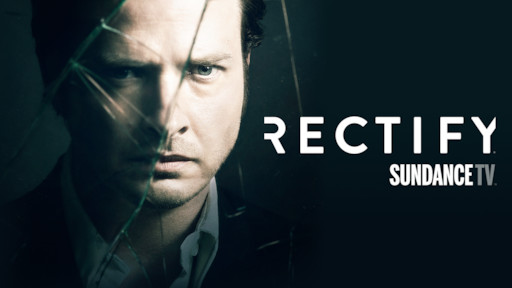 My recent viewing has actually been more engrossing than my recent reading: we just finished watching Rectify, which I thought was superb–it is intense, thoughtful, and full of turns that surprise without seeming like cheap twists. It is very much character- rather than plot-driven, and it works because every performance is entirely believable. I hadn’t even heard of Rectify before I noticed it on a list of ‘best TV dramas’ and decided we should give it a try. It is not at all what I expected from the premise (a man is released after 19 years on death row): it is much more about how he and his family and community deal with this unthinkable change in circumstances then about the case and his guilt or innocence–though what they do with that question is also very interesting.
  Novel Readings