 April comes and April goes, whether you want her to or not. In the teaching term, it is always a blur of a month—a bit out of control, like rolling down a hill. I used to welcome the feeling—the exhilaration of finishing up, the anticipation of summer—but this year it is just one more reminder of how relentlessly, and how strangely, time passes.
I have been busy and tired and sad this month, which means that I haven’t done much reading outside of work. The good news is that all three (just three!) books I finished this month were very good. The first was my friend John Cotter’s memoir Losing Music. I was completely engrossed by this searching account of John’s experience with what he eventually learned was Ménière’s Disease, a syndrome that has devastating effects on balance—lengthy, debilitating bouts of vertigo—as well as on hearing. As the title indicates, an important dimension of the book is what it meant to John to be unable to hear music, which had always been a significant part of his life and identity. One of the most moving passages describes a night when (as occasionally but unpredictably happens) his hearing comes back— “but who knew for how long.” “I knew exactly how to proceed,” John tells us:
Carefully, I laid myself down on my childhood bed . . . and set in place an expensive pair of Audio-Technica headphones I’d been saving against the day. Jascha Heifetz, back in 1952, in Hollywood, playing Bach’s partitas for solo violin. It’s vertiginous, sinister, and somehow a kind of duet, the way he plays it, a dance at the edge of a cliff.
Another night, he wakes up and can hear birds:
I can hear them fading, going—they’ll be gone at any second. As I listen to the last catches of song, I can feel my heart break in every sound. Don’t let that one be the last one. Don’t let that one. Don’t let that.
Losing Music follows John’s extensive and often desperate quest for first a diagnosis and then a treatment (there is no cure); he is frank about his occasional, very understandable, collapses into self-pity and also about his painful depression and frequent suicidal thoughts. He looks for help but also for ways to sustain some meaning and purpose in a life spiraling out of his control. He finds sustenance in teaching, in volunteering, in love and friendship, and also, vitally, in writing; he finds, eventually, a kind of peace born of hard-won compassion:
Compassion for the world, over which we have only narrow dominion, and awe at the world’s mutability, can germinate in the cultivation of a gentleness in one’s self, a gentleness for one’s future self, over which we have only narrow dominion. In feeling a little sorry for myself, I also feel sorry for the world, the evening world of half measures and regrets, the morning world when we sweep up and start again.
I was frequently moved to tears by Losing Music, and I feel very proud to have had a small part in it (it began as an essay for Open Letters Monthly) and to be mentioned in the acknowledgments.
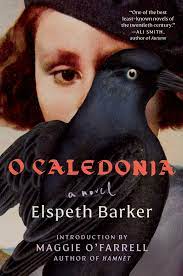 The other books I read all of in April (I’m assuming I won’t finish another one by Sunday) were Elspeth Barker’s O, Caledonia and Martin Riker’s The Guest Lecture. It’s hard to imagine two books with less in common! I enjoyed O, Caledonia a lot, although it is strange and wild and—I thought—a bit random, almost artless: as I read it, I was often surprised, even confused, by it, uncertain why this was what was happening or this particular detail was in it. Yet it felt unified, nonetheless: maybe that strangeness itself unifies it! Its fierce protagonist Janet takes the “not like other girls” trope to an extreme: she’s equal parts compelling and appalling. It has something of the flavor of We Have Always Lived in the Castle.
The Guest Lecture, by comparison, is more cool and cerebral. Its whole premise is so unlikely—who would write (and who would want to read) a novel about Keynes?—and yet I found it completely engaging, and I always like that feeling of seeing someone succeed with a completely idiosyncratic idea. The plotline about tenure denial had a lot in common with my own experience of being turned down for promotion, although the consequences of the former are of course more dire. Still, when Keynes says “Part of you clearly thinks they are right about you, even though they can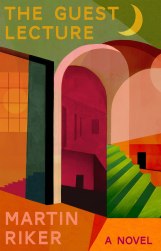 ‘t be, they have to be wrong or else your life’s work is pointless, and that is a level of personal negation you cannot possibly survive”—well, yes, exactly. Just thinking about the report of the final appeals committee for my promotion case still makes me shrink back inside myself. I appreciated The Guest Lecture as an attempt to show the examined life from the inside: what is it like to be someone who takes ideas seriously, and who tries (successfully or not) to live with and among them in some kind of meaningful way? It’s no picnic, that’s for sure: the unexamined life may not be worth living, but (as I have often thought myself in recent months) surely in many ways it is an easier way to live. I liked the last part of the novel the least: it spirals into a version of the “teaching dream” every academic has had, where things make sense but don’t, and you are ready and present but somehow, also, you aren’t. Rebecca pointed me to an interview with Riker that I hope to listen to soon. I’m sure there are many subtleties about it, especially its form, that I missed.
I started but abandoned a couple of other novels this month. One was Mexican Gothic. It looked like so much fun—but I really wasn’t into it. Maybe another time. Another was Niall Williams’s This Is Happiness. It looked like the kind of novel I would love, and actually there wasn’t anything wrong with it. If I hadn’t been tired and busy and sad, I might have loved it, so again, another time. Up next is Clare Chambers’s Small Pleasures, which I’ve just begun* and am liking so far, and then maybe Nicola Griffith’s Spear, which has been in my TBR pile for quite some time. Oh, and I need to get back to Demon Copperhead, which I bailed on months ago: my book club is meeting in May to talk about it, which is just the incentive I need. I wasn’t finding it Dickensian enough, which is perhaps not a fair criticism, except that it is so closely modeled on David Copperfield in its plot and characters that it is hard not to expect it to have something of the same heart and humour as well. I know Mark Athitakis really liked it, which encourages me to approach it with a more open mind.
I will save reflections on this term’s teaching for another post.
*Just a quick update to note that I actually did finish Small Pleasures already (it’s amazing what a difference it makes to my mood and concentration to be done with grading!) and it’s very good. It seems at first like a charming period piece, full of 1950s atmosphere and mores depicted with an edge that keeps it from tipping into nostalgia, but it gets more emotionally intense as it goes along—which it does at a pretty good clip, as the “what really happened?” question underlying its plot gives it momentum. I thought the answer we finally get to that question was underwhelming, but the mystery is more of a device than the real heart of the novel, and its actual resolution hit harder than I expected.
* “April Come She Will” is one of the songs I used to sing to Owen at bedtime when he was little. Like so many things, it will always make me think of him; maybe it won’t always make me so sad.
 March was a rough month. For one thing, I had more academic integrity hearings stemming from a single assignment than I’ve ever had in one term. It was an exceptionally disheartening experience, especially given the lengths I have gone to in my introductory class to reduce the risk for students of just trying to do the work for themselves: this is the class in which I’m using specifications grading, meaning there is really no risk involved. As I plaintively reminded the class as it became clear just how widespread the problem was, the class is designed to make it safe to be wrong, safe to be confused, safe to be learning. But if you don’t actually do your own writing, you strip the whole process of its meaning. Plus (as I pointed out to many students in the actual hearings), if your uncertainty leads you to copying other people’s writing, you will never build your own skills and your own confidence: you will never find out that you can in fact do the work, and get better at it.
 Easily the best novel I read in March was Claudia Piñeiro’s Elena Knows. This was recommended to me last year when I was (as I so often am) casting about for new ideas for my two mystery fiction courses. I started it then but had to abandon it, as a novel about suicide and a mother’s grief was not an experience I could bear. I kept it on my mental TBR, though, and I’m glad I tried again, because it really is exceptional: slight but fierce and complex, with its overlapping interests in disability, ageism, misogyny, and autonomy. I think it would be a really interesting book to read in my course on Women & Detective Fiction, even though in many ways it is not really a mystery. It is certainly about a crime – or, crimes, if you think socially and systemically – and there is an investigation, even if there isn’t a detective, or evidence, or any of the other conventional elements.
 After I finished Gwendoline Riley’s My Phantoms, I commented on Twitter that I was finding cold, meticulous novels wearing and asked for recommendations of good, recent warm-hearted fiction. Along with the understandable and spot-on nods to writers I already know well (such as Barbara Pym and Anne Tyler), I got a lot of good tips, which I am still working through. Here are the ones I have read so far. I have to say that while they have all been fine, none of them really got much traction with me: I don’t think it is necessarily the case that “warm-hearted” means lightweight, but that’s how these mostly felt. I don’t think I will remember much about them. The exception so far is
 Elizabeth McCracken, The Hero of This Book. I liked this one quite a lot except for the uneasiness it created in me about what kind of book it is, exactly. I realize that is one of the main points of the book, to destabilize assumptions about what constitutes a memoir or a novel or autofiction or whatever. I understood this because McCracken makes rather a lot of noise about it: “What’s the difference between a novel and a memoir?” she asks; “I couldn’t tell you. Permission to lie; permission to cast aside worries about plausibility.” “It’s not a made-up place,” she says about a trip she and her mother make to the theater (or do they?),
 I read 8.5 new books this month and blogged about . . . none of them? Hmmm. I’m honestly not sure if the fault is mine or theirs. Not one of them lit me up, but that didn’t used to keep me from rambling on about a book! So maybe the problem is what I’m bringing to them as a reader these days—but if so, does that mean my reports on them are unreliable? Who knows? As always, all we can really talk about is our experience of a book.
 Kate Clayborn, Georgie All Along. The long-awaited (well, for at least a year anyway) new romance novel from my favorite contemporary romance author—that is, my favorite author of contemporary romances. I enjoyed it fine but it seemed too much like her other novels and not as good as the earliest ones. They are packed full (almost too full) of details, especially of the kind I learned to call “neepery” (whether it’s metallurgy or home restoration or photography, Clayborn is good at conveying the texture and fascination of people’s interests); they are also quite emotionally intense. This one included some of the same kind of stuff but in a less engrossing way; the characters also seemed too conspicuously constructed, like concepts that didn’t 100% come to life. But I might change my mind on rereading: I had a similar reaction to her previous one, Love At First, but liked it quite a bit more when I went back to it more recently.
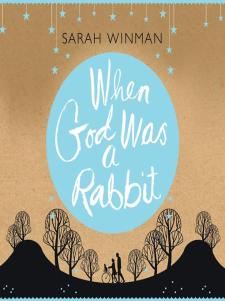 Sarah Winman, When God Was a Rabbit. I happened across this one at a thrift store and grabbed it because I liked Still Life so much. It is not as good as Still Life but it kept my interest from start to finish, which these days is saying something. The narrator’s voice in particular is effective, and I also appreciated the novel’s journey across key events in recent decades, landing on them as events in specific people’s lives. This includes 9/11; I learned from the author’s note that this was a controversial aspect of the novel, which didn’t really make any sense to me.
 Gwendoline Riley, My Phantoms. I didn’t enjoy this at all. I could tell it was “well written,” meaning it has crisp, often resonant sentences and is constructed with conspicuous care. The narrator is unpleasant; the relationship she has with her mother is worse than that. I wasn’t sure what the point of the exercise was supposed to be: it takes about 2 pages to get the gist of how uncomfortable it is all going to be and then it’s just discomfort and nastiness, with a bit of pathos thrown in, for another 150 pages. OK, I exaggerate slightly, but I want this post to serve as a cautionary tale for me: beware Twitter enthusiasm! I have learned not to rush off after whatever mid-century middle European novel from NYRB Classics is currently getting all the buzz, because it will probably just sit unread on my shelves along with Sybille Bedford’s A Legacy. For people who like these kinds of things, these kinds of things are great! (And it’s true that sometimes, a bit to my own surprise, I like them too.) But cold, clinical, forensically observant narrators are not my thing. Gorgeous cover on this edition, though!


 Comparisons are foolish, I know, but often these days I recoil uncomfortably from cheerful exchanges among my many bookish ‘tweeps’ about what they’ve been reading because they seem to read so much and so enthusiastically—which is great, of course, but because I’m struggling to finish most of the books I pick up, the contrast can make me feel discouraged instead of interested and inspired. Social media has a way of making you feel inadequate or alienated, doesn’t it? And I say this as someone who has long championed Twitter (and would still do so, if challenged) on the grounds that it is very much what you make it. “My” Twitter is full of avid readers and I love that about it. It’s absolutely not their fault that lately it sometimes seems to hurt as much as it helps. I’m trying to think of it as aspirational: one day, I too will feel cheerfully bookish again!
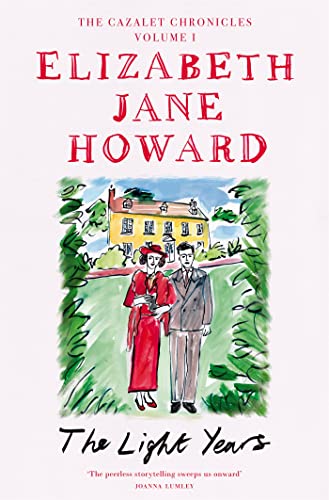 Earlier this month I read Elizabeth Jane Howard’s The Light Years, the first of her much-admired Cazalet Chronicles. I enjoyed it just fine but wasn’t swept up in it—or swept away by it! The aspect of it that surprised me the most was how much it read like a book written in the 1930s (or perhaps the 1950s) rather than in the 1990s: it felt very much of the time it depicts. As a result, in some ways it seemed like a missed opportunity, artistically speaking: it’s a smart, elegant, readable portrayal but it didn’t seem to have any layers of reflection, or to take advantage of being what it actually is, namely historical fiction. Maybe the idea was to give us the feeling of being transported back, rather than to encourage us to look back and consider gaps and differences. I already had a copy of the second book in the series, Marking Time, and I will probably read it eventually, but I’ve picked it up, read a few pages, and put it down again more than once: I just don’t feel compelled to persist. The last time I tried, I found myself thinking that (deliberately or not) it read like the novel I imagine Woolf was trying not to write when she wrote what ended up as The Years. The problem, she noted, was “how to give ordinary waking Arnold Bennett life the form of art.” Not (we might conclude, following her lead) by just recounting in meticulous detail everything that happens to a large number of people over a long period of time.
 Also this month I finally got my hands on Sarah Moss’s The Fell. I’m a big admirer of Moss’s fiction (see
  My book club met in the middle of September to talk about Emily St. John Mandel’s
 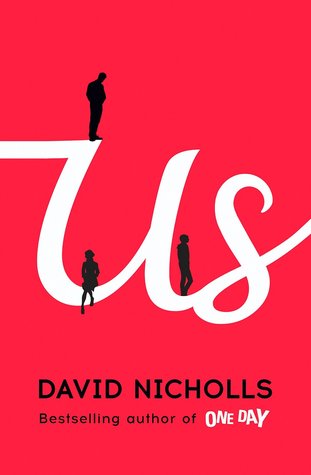 Then I read David Nicholls’s Us, which I happened to have recently downloaded, inspired by having enjoyed the TV adaptation starring Tom Hollander (which I thought was excellent). I wouldn’t say it’s a great novel, or even a particularly good one, at least in the prose: it’s a bit awkward and heavy-handed. I really empathized with its protagonist Douglas, though, and I appreciate that Nicholls refused the simplistic happy ending you might expect from a novel about a man hoping to save his marriage while going on a ‘grand tour’ with his wife and son.
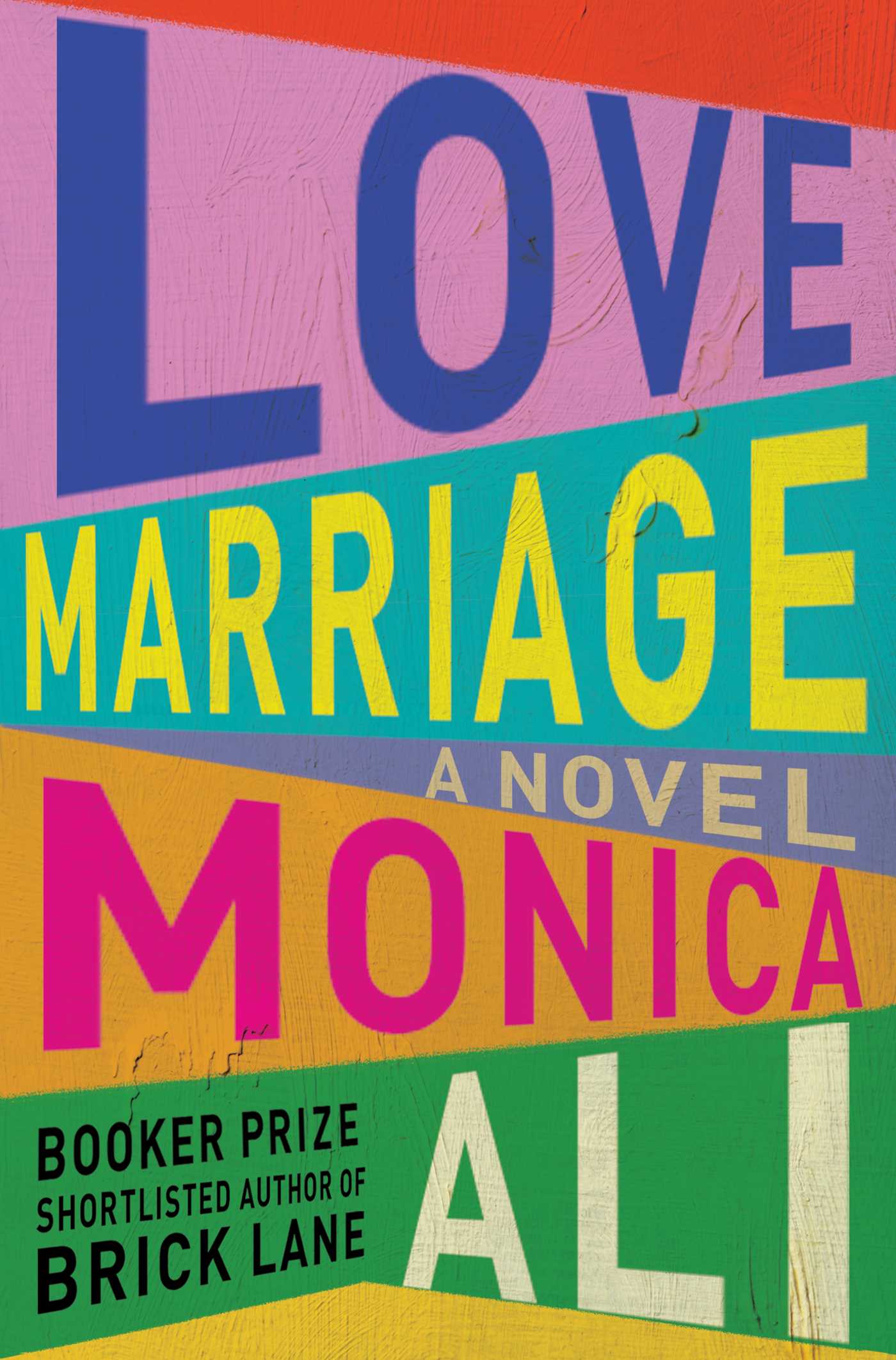
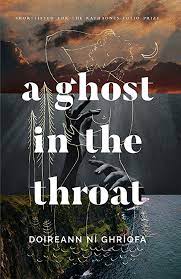 July was not a very good reading month for me. By habit and on principle I usually finish most of the books I start, at least if I have any reason to think they are worth a bit of effort if it’s needed. In July, however, I not only didn’t even start many books (not by my usual standards, anyway) but I set aside almost as many books as I completed—Bloomsbury Girls (which hit all my sweet spots in theory but fell painfully flat in practice), Gilead (a reread I was enthusiastic about at first but just could not persist with), A Ghost in the Throat (which I will try again, as I liked its voice—what I struggled with was its essentialism and its somewhat miscellaneous or wandering structure). I already mentioned Andrew Miller’s Oxygen and Monica Ali’s Love Marriage, both of which I finished and enjoyed,
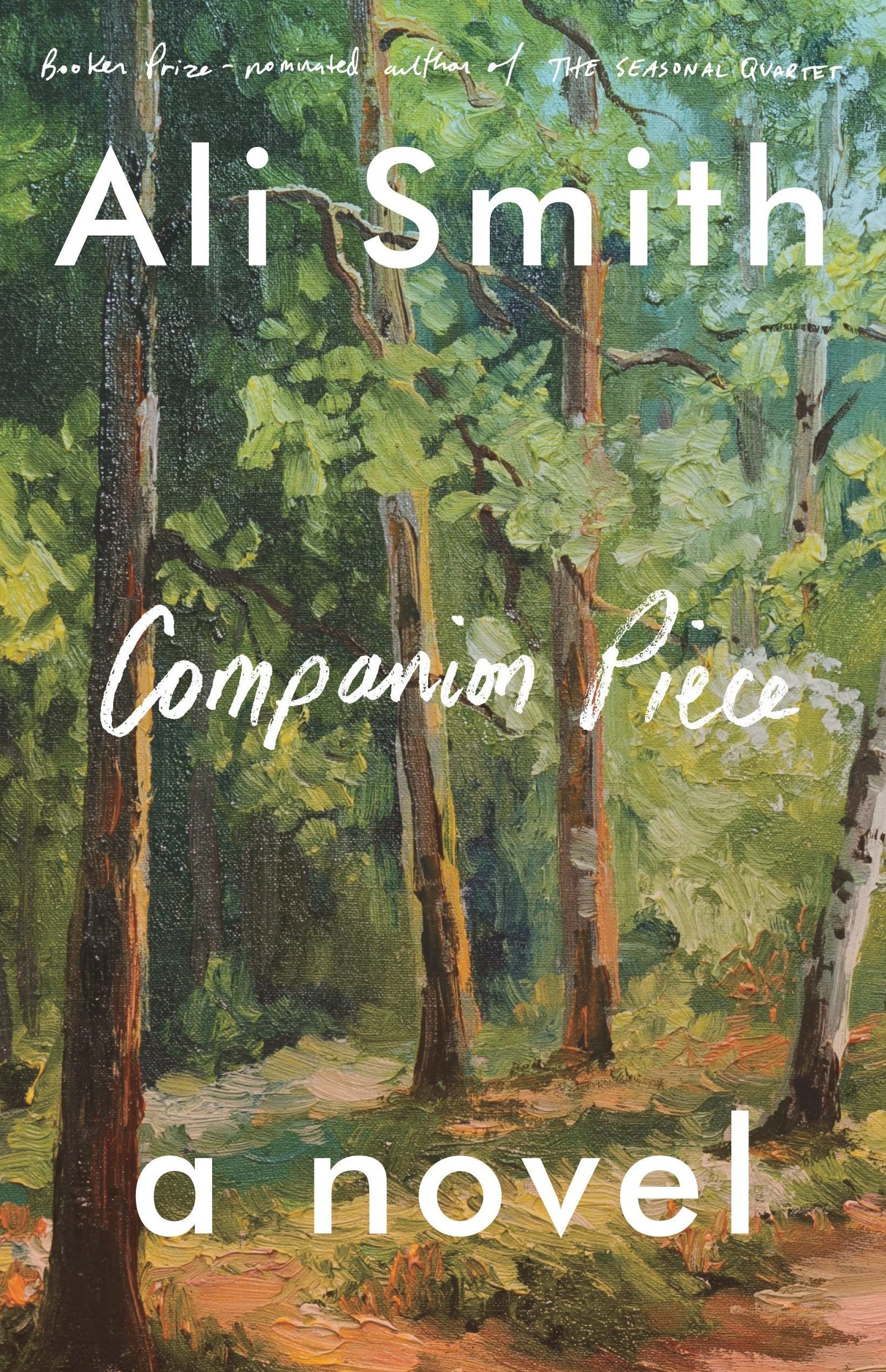
  Ali Smith’s how to be both was a mixed experience for me. My copy began with the contemporary story (as you may know, two versions were published), and it read easily for me and was quite engaging, in the same way that the
  Another reread for me in July was Yiyun Li’s
  Since I
 Anyway, this is a pretty roundabout way to get to the point of this post, which is to update the record of my recent reading, if only to shore up my recollections of this period of my life. There’s no way I can write “proper” posts about each of these recently read titles, but I don’t want to forget that I read them, and I also (as part of my larger effort to “reengage with the world”) want to push myself past the sad inertia that at this point is mostly to blame for my losing the habit of writing up my ‘novel readings.’ I remind myself, not for the first time, of my conviction that if something was worth doing before a catastrophe,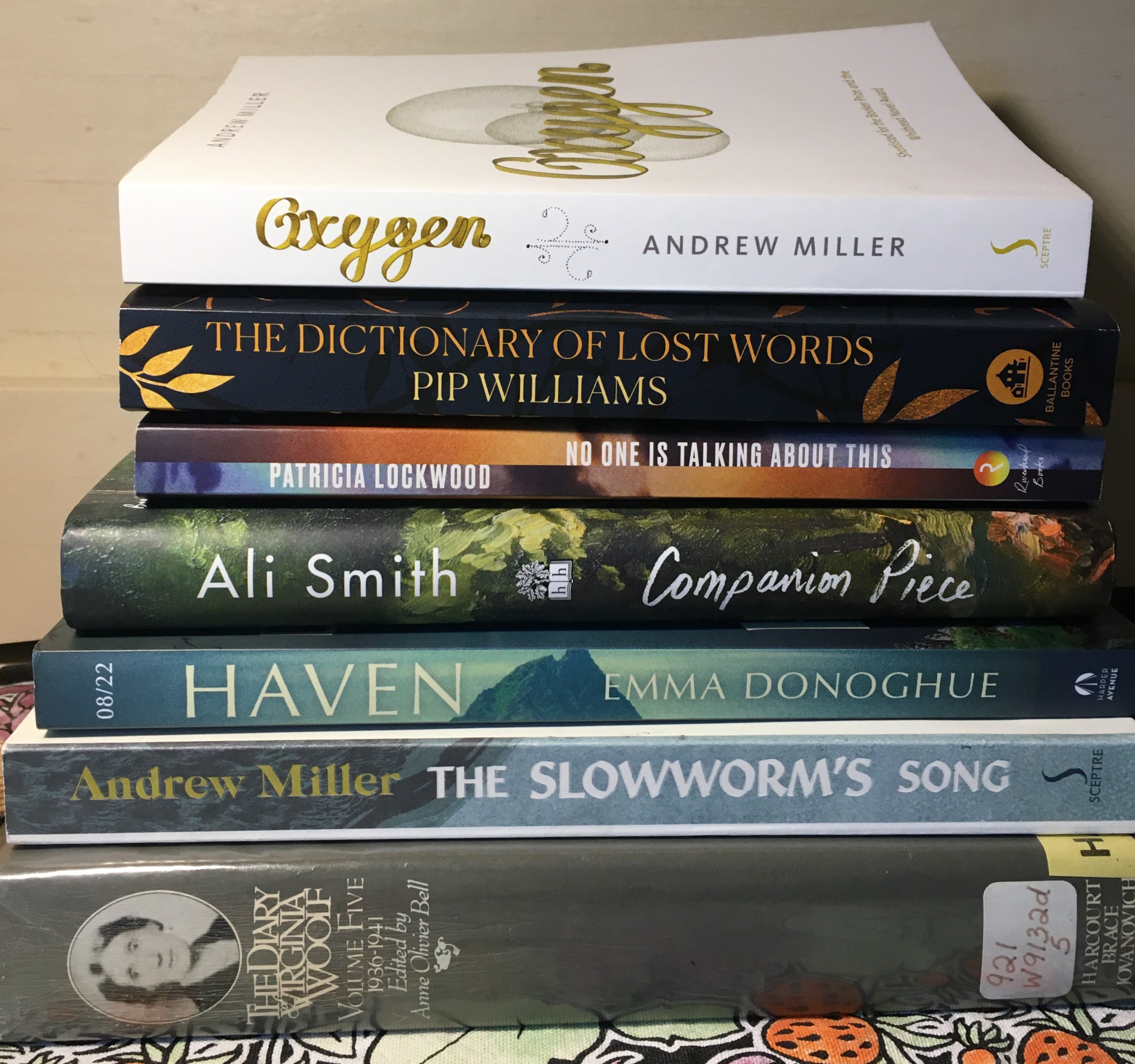
 I have stumbled more in the last couple of weeks, starting and then quitting a lot of titles including Sarah Hall’s Burntcoat and Rachel Cusk’s Second Place, but I did read Monica Ali’s Love Marriage with interest that (with a bit of persistence) grew into appreciation. One book I began with enthusiasm but ultimately decided not to finish was Marilynne Robinson’s Gilead, which I have read before, long ago (pre-blogging, that’s how long ago!). It was just too religious for me this time: I just don’t see the world as John Ames does, and while as a well-trained and very experienced novel reader I totally understand and agree that I don’t have to in order to engage with his story, this time (with apologies to the people of faith among you) it just felt too much like having to take very seriously someone who believes in
  The past few weeks, though still often sad and difficult, have been a bit better for reading. I’m not sure if it’s me or the books—probably a bit of both.
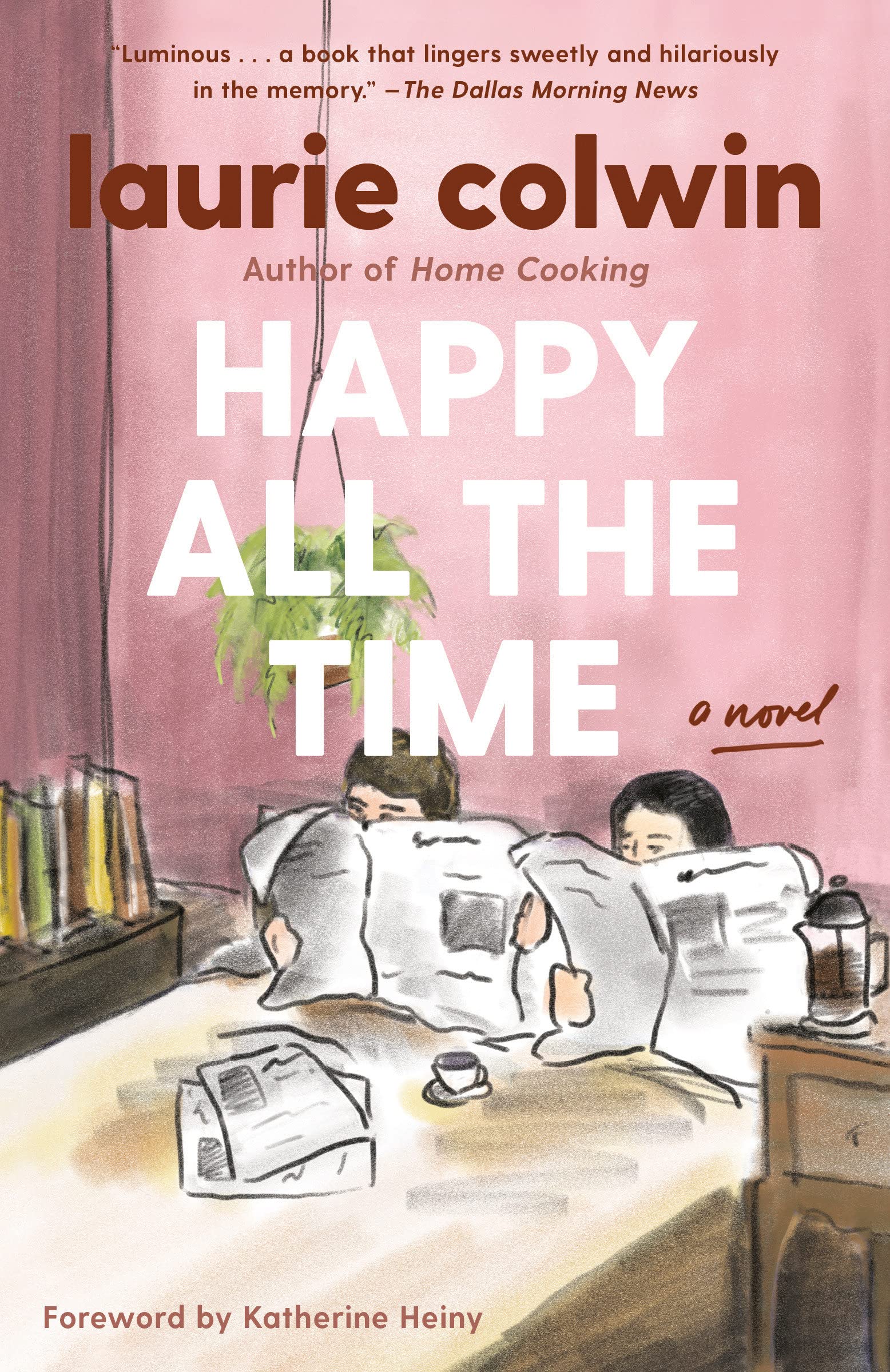 I didn’t much like Andrew Sean Greer’s Less. I persisted to the end, but it never engaged me deeply at all. My least favorite quality in a book is archness, and that seemed to me Less‘s primary mood. It will shock some of my Twitter friends when I say that I also didn’t much like Laurie Colwin’s Happy All The Time: it isn’t arch, exactly, but it is crisp and clever and detached to the point that it felt thin, even superficial, and thus unsatisfying. I was interested in the premise of Kate Grenville’s A House Made of Leaves and there are good things about it, but overall the execution felt dry and the messages (about history and gender and colonialism) perfunctory, delivered rather than dramatized.
 I have some promising options in my TBR pile to choose from next, including Nicola Griffith’s Spear (a sequel to
 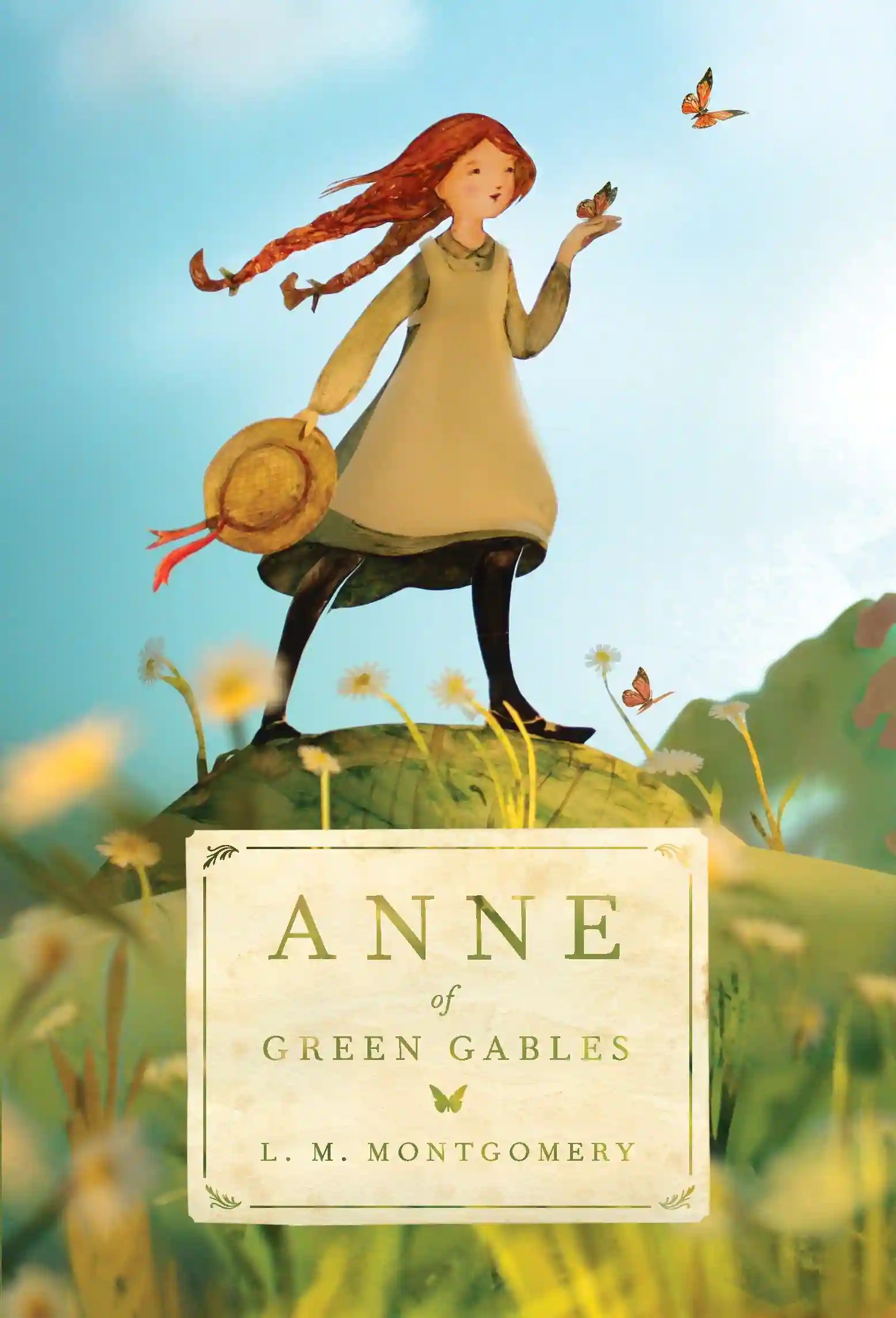 The last three months haven’t been very good reading months for me: I have picked up and then put back down a lot more books than I have finished. This is true of new (to me) books, at any rate: since January I have actually reread quite a few books that were easy and comforting, including the first four Anne books (thanks to a dear friend who sent me a lovely box set), several favorite romances and mysteries, and The Beethoven Medal (part of one of
 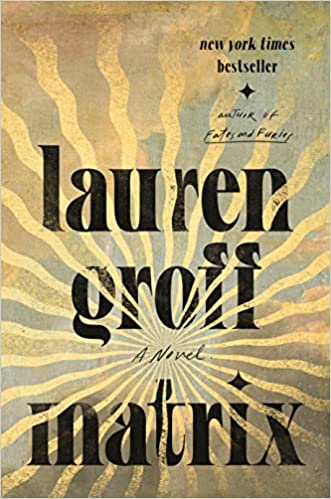 In January, I read Lauren Groff’s Matrix. I expected to like it more than I did. This is not to say I didn’t like it; the premise was fascinating, and I remember being impressed at how vividly Groff built her world, and how strong, strange, and specific she made Marie as a character. Female agency and empowerment, creativity, desire, spirituality: the book explores them all, with a compelling combination of grittiness and lyricism. For some reason, though, I was disappointed when I learned that this particular work of historical fiction is much more fictional than historical—that almost nothing is actually known about Marie, that Groff’s character and story is all invention. This retroactively took some of the life out of the book for me, which is hardly fair given that I read and love a lot of historical fiction that is mostly made up.
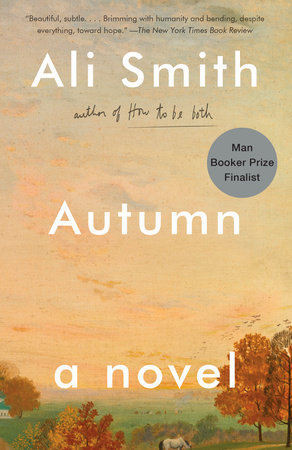 In February, I read through Ali Smith’s seasonal quartet. The sabbatical project I am picking away at has to do with the relationship between fictional form and social or political engagement (or, to put it another way, with fictional form as itself a kind of social or political engagement). With this in mind I was poking around in information about the Orwell Prize and this led me to some articles and interviews about Smith’s win, which in turn made me curious about whether her series might make a good contemporary example for me. I reread Autumn, and then picked up the other three and read them all through. By the end of Spring I was a bit less sure about using this series for my purposes, but some of my hesitation came from feeling unqualified to work on Smith: both her style and her influences, including the explicit invocation of Shakespeare plays, are a bit far afield for me. That doesn’t rule the books out, of course; it would just mean I would have to work hard to figure out how to talk about them, a prospect which is actually kind of appealing, or it would be if my mind didn’t feel so scattered all the time right now.
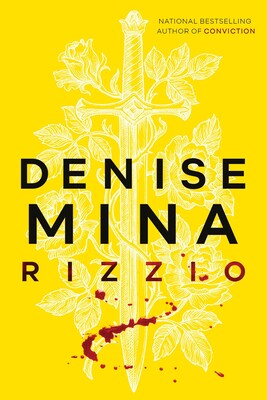 In March I read Denise Mina’s Rizzio, another historical novel I ended up being a bit disappointed in. There was something awkward (to my reading ear, anyway) about the combination of meticulous historical detail and a too-contemporary idiom, especially in the dialogue. Mina is good at foreboding and action, as you’d expect from a crime novelist. I reread Mrs. Palfrey at the Claremont, which I loved all over again, though it is even more melancholy than I’d remembered. Then I read Louise Erdrich’s The Sentence, which went really well at first and then started (I thought) to lose its focus and ended up feeling scattered, full of good bits but not a satisfying whole. I read two recently reissued novels by Rosalind Brackenbury, A Day to Remember to Forget and A Virtual Image, for an upcoming review (I finished a third, Into Egypt, yesterday). My last March book was Katherine Ashenburg’s Her Turn, which I enjoyed a lot. It’s less ambitious than some of my other recent reading, but it seemed to me to do well what it set out to do, including explore the possibilities and implications of both revenge and forgiveness in the context of our most intimate relationships.
