 “2020 will begin on a high note,” I wrote at the end of 2019’s “Year in Reading” post. As far as reading goes, at least, I wasn’t wrong: the books I was so looking forward to were Kate Clayborn’s Love Lettering and Tana French’s The Witch Elm, and I enjoyed them both thoroughly.
It hardly needs saying that 2020 turned out to be anything but a good year overall. Was it a good reading year? I wish I could say that I turned the relentless isolation of the pandemic into an opportunity to read deeply and voraciously. I feel perhaps unduly ashamed of how difficult I often found it to concentrate, of how often I gathered promising stacks of unread books from my shelves determined to make my way through them only to reject them one by one — usually for no good reason except that in the moment, they just didn’t appeal — and put them back where they came from. Maybe it was the long hours I put into learning about and then laboring over online teaching; maybe it was the suppressed but constant struggle to keep at bay the worst fears and feelings about the pandemic; maybe, also, it’s not embarrassing but understandable to be uneasy and distracted in the midst of a global crisis, and so to fall back more often than you’d like into the passive forgetfulness offered by television.
And yet, looking back over my posts for 2020, though they are far fewer than usual (blogging, not just about books but about anything, also became harder this year, from screen fatigue and because of the way time kept seeming to pass without actually passing, if that makes sense), I find that I did read a lot of good books, ones that held my attention, that delighted or moved or provoked me in all the best ways. I also read — or at any rate finished — fewer books that really disappointed me, probably because I was less likely this year to press on with something I wasn’t engaged by. Of course, a number of books that I read were in the middle, in that largest zone that stretches from “not really my thing” to “good but not great.”
In a tradition that stretches back to 2007, the year I began Novel Readings, here’s my look back at the best, the worst, and some of the rest of my 2020 reading.
The Best Books I Read In 2020
 Olga Tokarczuk’s Drive Your Plow Over the Remains of the Dead was the last book my book club read before our meetings went virtual; I think our dinner out to discuss it was also my last pre-lockdown social event! When will we six (sometimes seven) meet again?! This fall was our 10th anniversary, so it seems particularly sad that we haven’t been able to get together in person: Zoom just isn’t the same. We all loved Drive Your Plow — rare unanimity. The novel is extraordinary: strange, intense, compelling, and morally serious without ever being didactic:
Drive Your Plow Over the Bones of the Dead is about someone who reacts to the perception of universal suffering by seeking justice, not sympathy. The surprise of the novel is that someone so odd, crusty, and uncompromising turns out to be so appealing. I enjoyed her abrasiveness, her frankness about her aches and pains, her determination to live on her own terms … the punishment fits the crime in a morally and philosophically satisfying way.
I was mesmerized by Miriam Toews’s Women Talking — I’m glad I overcame my initial skepticism to give it a try. I found it “at once ruthlessly specific (what should these women, who have been abused, tortured, raped, silenced, rendered extraneous to the meaning of ther own community, do?) and almost shockingly expansive: what should (or can) we all do, once we recognize how deep and entangling the world’s systemic injustices are?”
 It seems inevitable in retrospect, but that shouldn’t diminish the extraordinary fact that Hilary Mantel’s The Mirror and the Light is as brilliant as the first two novels in the trilogy. I thought it was not quite as good as Bring Up the Bodies, but that’s such a high bar that the comparison doesn’t really reflect badly on it. The last 100 pages or so of The Mirror and the Light are particularly remarkable, not least because I read them knowing exactly what was going to happen and yet was utterly gripped. “It is hard to mourn a man like Cromwell,” even Mantel’s version of him, but the series is so good that “she has made it impossible not to miss him now that he’s gone.” What will Mantel do next? I would love to read her novel about Elizabeth I, if she would ever write one.
 I’ve enjoyed everything I’ve read by Maggie O’Farrell, but Hamnet and Judith exceeded my expectations:
In her author’s note, O’Farrell explains just how little we know about the real Hamnet, and also tells us that the central event of her novel, Hamnet’s sudden death from the bubonic plague, is a fiction: “it is not known why Hamnet Shakespeare died.” From this slight material O’Farrell develops a novel that is a delicate combination of historical recreation and literary excavation, of intimately portrayed human lives and undercurrents of meaning that flow almost unnoticed towards Shakespeare’s tragic drama.
One thin silver lining of our locked-down world is the movement of many interesting cultural events online: I really enjoyed “attending” O’Farrell’s Hay Festival interview.
Kathleen Rooney’s Cher Ami and Major Whittlesey was a delight, though by that I don’t mean to imply that it is a slight or easy nbook. Out of a very unlikely premise (and the risk factor is actually one of the things I appreciated most about the novel), Rooney created something that is at once grim, tender, and morally consequential.
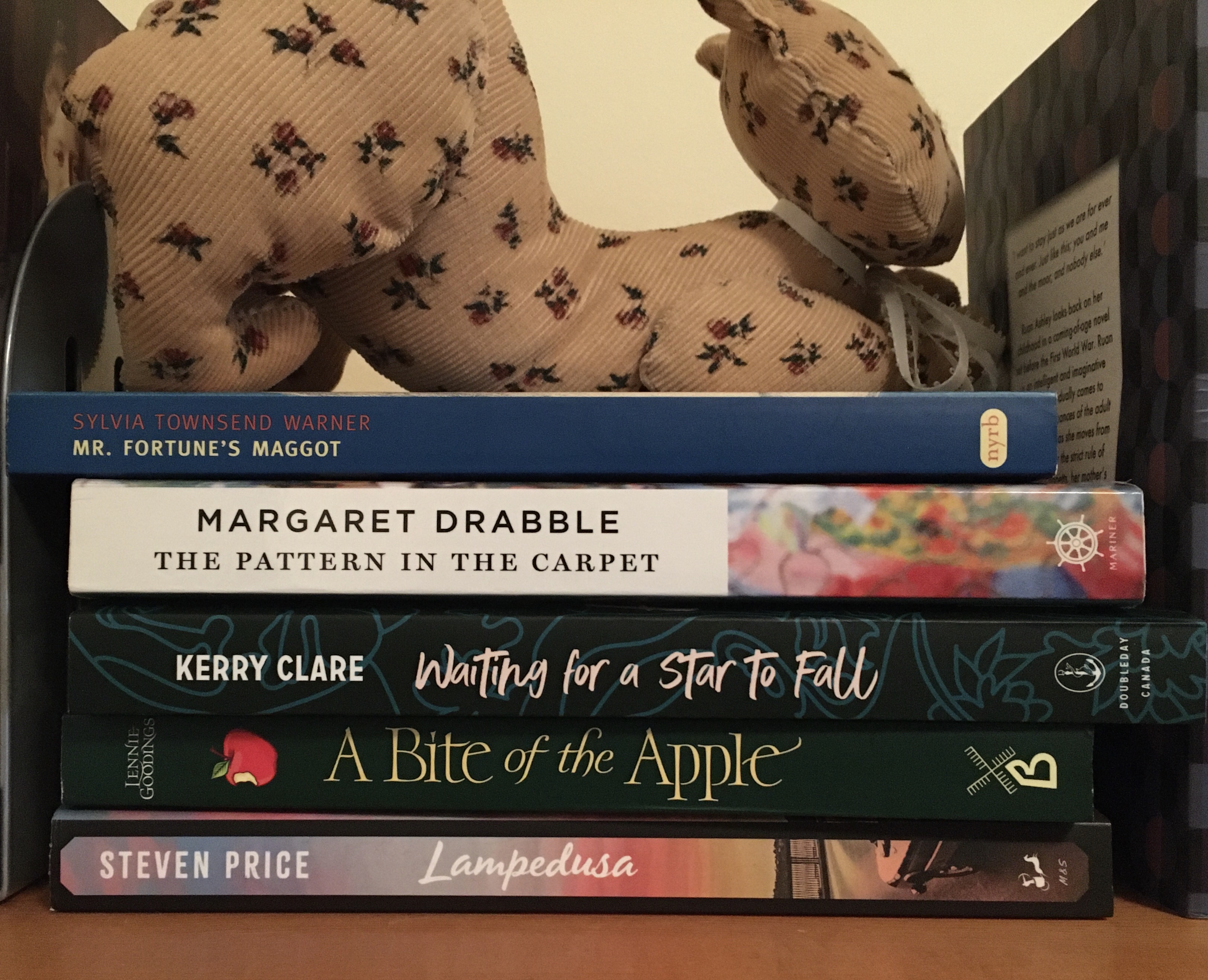
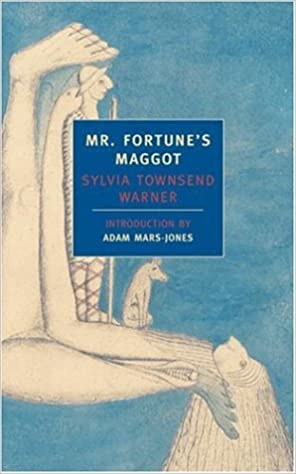 Sylvia Townsend Warner’s Mr. Fortune’s Maggot was one of the long-unread books I plucked from my shelves and actually read, and I’m so glad I did: I absolutely loved it. I can’t think of another book I’ve read that is quite like it:
It is sad and strange and funny and touching; it is about faith, and the loss of faith, and about love and the loss of love, or sacrifice in the name of love. It is wryly satirical about missionary zeal and imperialism and cultural arrogance; it takes a small man and uses him to tell a much larger story about freeing ourselves from the things we believe in and the harm they can do.
Steven Price’s Lampedusa also exceeded my expectations, joining “Colm Toibin’s The Master on my very short list of books about other authors that really succeed in conveying what it might have been like to be that other consciousness, to write that other novel.” 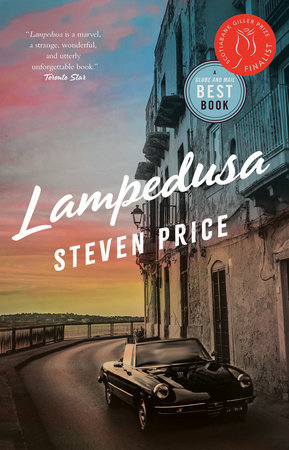
Turning to non-fiction, Clare Hunter’s Threads of Life is “a marvelous, inspiring, touching, and extremely wide-ranging account of the myriad ways needle crafts of all kinds have mattered and made meaning throughout history.” I enjoyed it both for the story she tells and for the connections between it and my own work on needlework in the context of Victorian historiography.
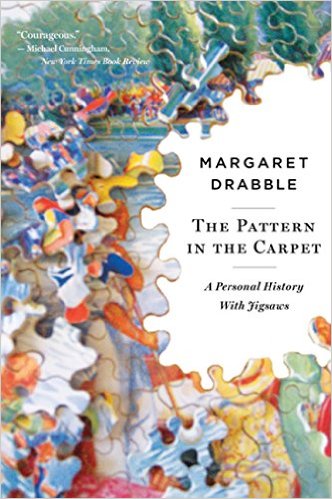
Like Mr Fortune’s Maggot, Margaret Drabble’s The Pattern in the Carpet had malingered on my shelves for some time; the meditative comfort I have found in jigsaw puzzles since our stay-at-home protocols began inspired me to take another look, and it turned out to have found its moment:
It is a wonderfully digressive book that manages, by the end, to say some profound things about how we pass our time. It began, she explains, as what she intended as a gift book about jigsaws, the kind of thing you’d buy in a museum gift shop. In the end it is part memoir; part history of a wide range of puzzles and games and arts and crafts; part reflection on (and this will sound pompous, but in the book it really isn’t) the human condition, including especially aging and death.
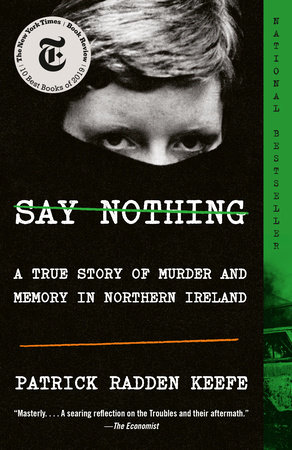 Last but not least, I was both gripped and impressed by Patrick Radden Keefe’s Say Nothing:
Say Nothing is not just a gripping work of historical reconstruction and exploration, it is also a morally weighty book. Like good fiction, it insists over and over on the complexity of its topics and its people. It has no heroes and, surprisingly, not really any villains either, because those categories rely on absolute perspectives that are simply not sustainable.
Other Books I Liked A Lot
I expected to like Sarah Moss’s new novel Summerwater, which I reviewed for the Dublin Review of Books (one of a sadly small number of writing projects I accomplished in 2020). I did like it, though I did not love it: it is a lot like Ghost Wall in scope and subject, and equally terse and intelligent, but I would like to see Moss do something more expansive, and also less emotionally reticent. Still, a “lesser” novel by Moss is still better than a lot of other books, and as with Ghost Wall, I also think this is one that gets bigger and better the more you think about it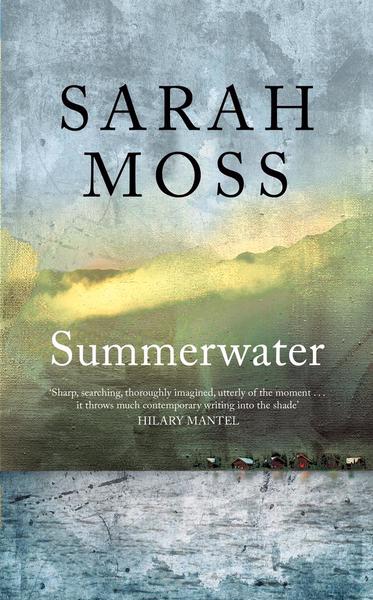 :
:
The novel has the tense atmosphere of a thriller and clues to its eventual crisis are deftly deployed throughout, but its multiple layers mean that the most important revelations are less about what ultimately happens then about how the novel asks us to interpret it. How can we live together in a world being reshaped by the weather? What expectations should we bring to communities no longer defined by the artificial borders of nationalism? What really makes a good neighbour?
William Trevor’s Love and Summer was very good – not as good as The Story of Lucy Gault, for me anyway, but good enough (and so beautifully written) that it solidified Trevor’s place on my list of writers to read more of.
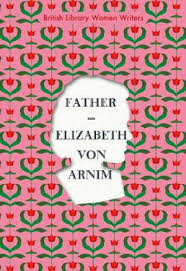 Elizabeth von Armin’s sharply funny Father was a real treat and deserved a post of its own, which it didn’t get. I highly recommend it for fans of Barbara Pym, Angela Thirkell, or the Mapp and Lucia books.
I thoroughly enjoyed Amy Jones’s comic family novel We’re All In This Together, which I thought had “the intimacy and precision of an Anne Tyler novel but is done in bolder colours, with stronger contrasts and, especially, deeper shadows.”
I also enjoyed Francesca Wade’s Square Haunting, though in the end I couldn’t escape the feeling that its premise was less an urgent reason to group its subjects together than an ingenious device for doing so and then marketing the results. Still,
it’s an elegantly constructed and well-written introduction to five remarkable women–the imagist poet H.D. (Hilda Doolittle); classicist Jane Harrison; historian Eileen Power; Dorothy L. Sayers; and Virginia Woolf. Starting from the very literal connection that all of them at one time … lived in Bloomsbury’s Mecklenburgh Square, Wade explores other commonalities between them, especially their conviction that “real freedom entails the ability to live on one’s own terms, not to allow one’s identity to be proscribed or limited by anyone else.”
Square Haunting made me long to be back in Bloomsbury, where for some reason I have always felt strangely exhilarated and also very at home, as if I can be more myself there than elsewhere.
I found Emily St. John Mandel’s The Glass Hotel engrossing: it is interesting and highly readable. Yet somehow I couldn’t quite make sense of it all: “I wasn’t 100% sure why all of its specific ingredients belonged together in this particular novel: I couldn’t quite discern the underlying thematic unity, the meaning of it all.” That left me dissatisfied, though it also raised questions for me about what I look for when I’m reading, and why.
Books I Expected to Be Better
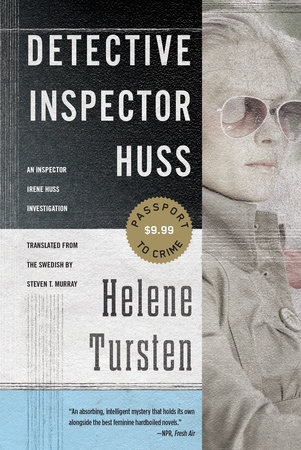 My book club really enjoyed Helene Tursten’s An Elderly Lady Is Up to No Good, so we chose Detective Inspector Huss to read next. I didn’t like it, though she’s a good character and the novel had a lot of interesting aspects. Maybe it was a poor translation?
Sandra Newman’s The Heavens had been on my reading radar for a long time: I proposed it to the TLS for a review, in fact, and they turned it down. Now that I’ve read it, I’m relieved, as “I just couldn’t sort out my thematic and conceptual confusions well enough to feel satisfied with the novel as a whole” — though, I concluded, “it is quite possible that the fault lies not with The Heavens but with me.”
My Least-Liked Book of 2020
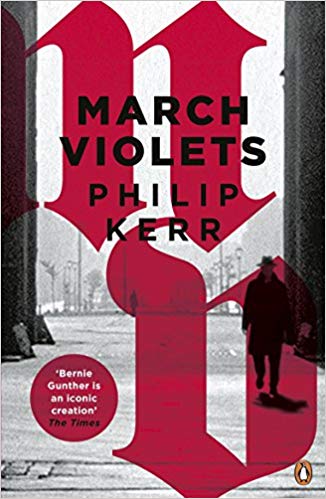 I know how much Dorian likes the Bernie Gunther books, and he writes so convincingly about them that I decided to try the first one, March Violets. Bernie and I (or Kerr and I) did not get along:
While I find Philip Marlowe’s misogyny disturbing, I give Chandler credit for showing the price Marlowe pays for it, in his embittered isolation, while Bernie Gunther’s sexism (“Her breasts were like the rear ends of a pair of dray horses at the end of a long hard day”) serves only to show off Kerr’s own hard-boiled credentials. (“There’s only one thing that unnerves me more than the company of an ugly woman in the evening, and that’s the company of the same ugly woman the following morning.”)
Maybe the later books improve, and there’s no doubt that it’s a great concept for a series and that this one is well executed in other ways. With so many other books to choose from, though, I’m unlikely to try Kerr again any time soon.
My Biggest 2020 Reading Project
My one larger writing project for 2020 was a feature article for the TLS in honor of P. D. James’s centenary. I thought rereading all of her Adam Dalgliesh novels, which took up a lot of my summer, would be more fun than it was. They are all very good, but they are good in particular and strikingly similar ways — ways I ultimately found limited, or limiting, as I explain in the essay.
Ring Out the Old, Ring In the New
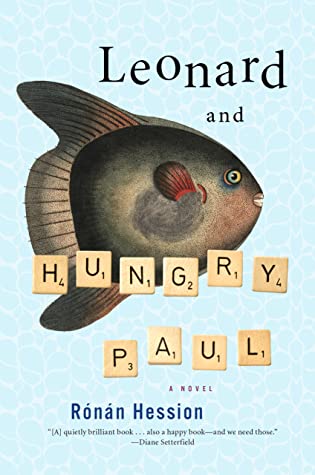 Overall, that’s really not a bad year’s reading, especially for an otherwise pretty bad year! It proves that — gloomy, difficult, and uncertain as other things might be — a good book is still a good book and worth celebrating. As for 2021, well, it feels foolhardy to express much optimism about it in other respects, but I’m excited about the first book I have lined up, Rónán Hession’s Leonard and Hungry Paul. I got Elizabeth Bowen’s The Death of the Heart and Anne Enright’s The Gathering as Christmas gifts (thank you!), and I’ve got Edna O’Brien’s Girl and Yaa Gyasi’s Transcendent Kingdom on their way thanks to Boxing Day sales. The next book lined up for my book club, also, is Elsa Morante’s enticing Arturo’s Island. We aren’t able to ring in the new year with much confidence or enthusiasm, but it is both comforting and cheering to have these books to look forward to.
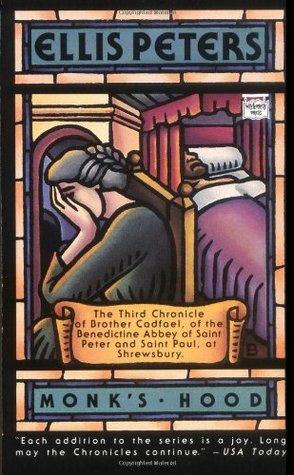 I don’t usually look back on my year in reading until I’m pretty sure the reading year is actually over: traditionally, I get some good books as gifts, for instance, and sometimes the last week of December is my best chance for happy, uninterrupted reading. So I won’t plunge into retrospection just yet! Instead, I’ll just briefly note three more books that could be in the running for best or worse of the year.
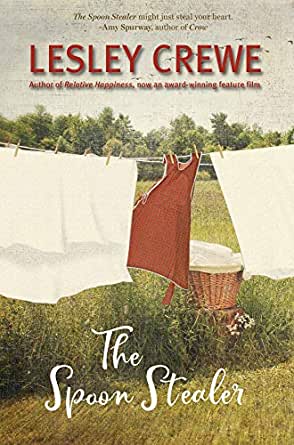 The recent book that did not go over so well with me was Lesley Crewe’s The Spoon Stealer. I decided to buy it after enjoying an online event put on by the Writers’ Federation of Nova Scotia about historical fiction. All of the authors on the panel read excerpts from their work, and The Spoon Stealer sounded charming–and it is, in many ways, but it fell flat when I read it for myself. I’ve been wondering if the problem might lie somewhere in the difference between how books sound read aloud and how they sound in my head, or with something about what I read novels for and prefer to get from them: perhaps Crewe’s style tilts towards oral storytelling, for instance, while my taste tends in another direction. When I paused over an incident or paragraph or sentence in the novel that seemed especially stilted or unconvincing, I could almost never point to anything specifically wrong with it, and I like the novel’s premise and (in theory at least) its protagonist. But I became increasingly impatient with it, though just to be sure I gave it a fair chance, I did read all the way to the end. I am always aware that not all books are for all readers and this one turned not to be for me–it’s not always good enough (depending on the circumstances) to shrug a book off this way, but in this case, I am OK with just moving on.
 It hasn’t been all bad, though.
  So what have I learned? In addition to the technical stuff – Brightspace and Panopto and Collaborate, oh my! – I have learned, as a lot of other people have too, that the best advice and methods for online teaching
  That said, I’m still going to ask for online discussions in my winter term courses! Expressing your ideas about what you’ve read in words is the fundamental task and method of literary studies, after all. I lessened the requirements in one of my classes this term, once we started to hear reports of students being overwhelmed, and for next term I have (I think!) made the requirements more streamlined, and also explained better what the terms and expectations are. In retrospect I should perhaps have scaled things back in my first-year course, where I was (still am!) doing my first experiment with specifications grading – but I honestly didn’t expect that so many of them would fix on and stay fixed on fulfilling the most demanding bundle. I expected a much larger number to decide that level of effort was a bit much just to cross off their writing requirement: instead, knowing it was achievable with enough persistence seems to have motivated a significant portion of the class to do a lot of regular writing. They will have worked very hard on a whole range of tasks, so I certainly don’t begrudge them their As, though this is something I will think more about when (if) I do specifications grading again – which will have to be the subject of its own post when the term is really and truly over and I have a more complete sense of whether or how the experiment succeeded or failed.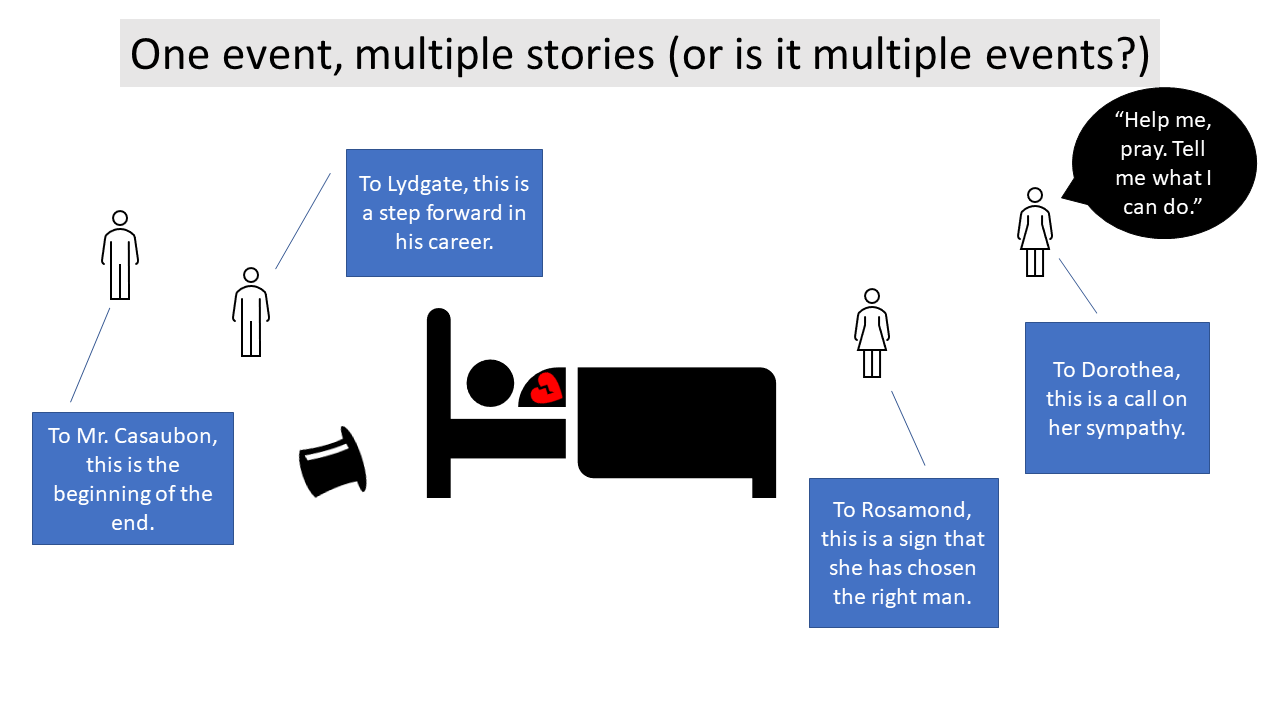




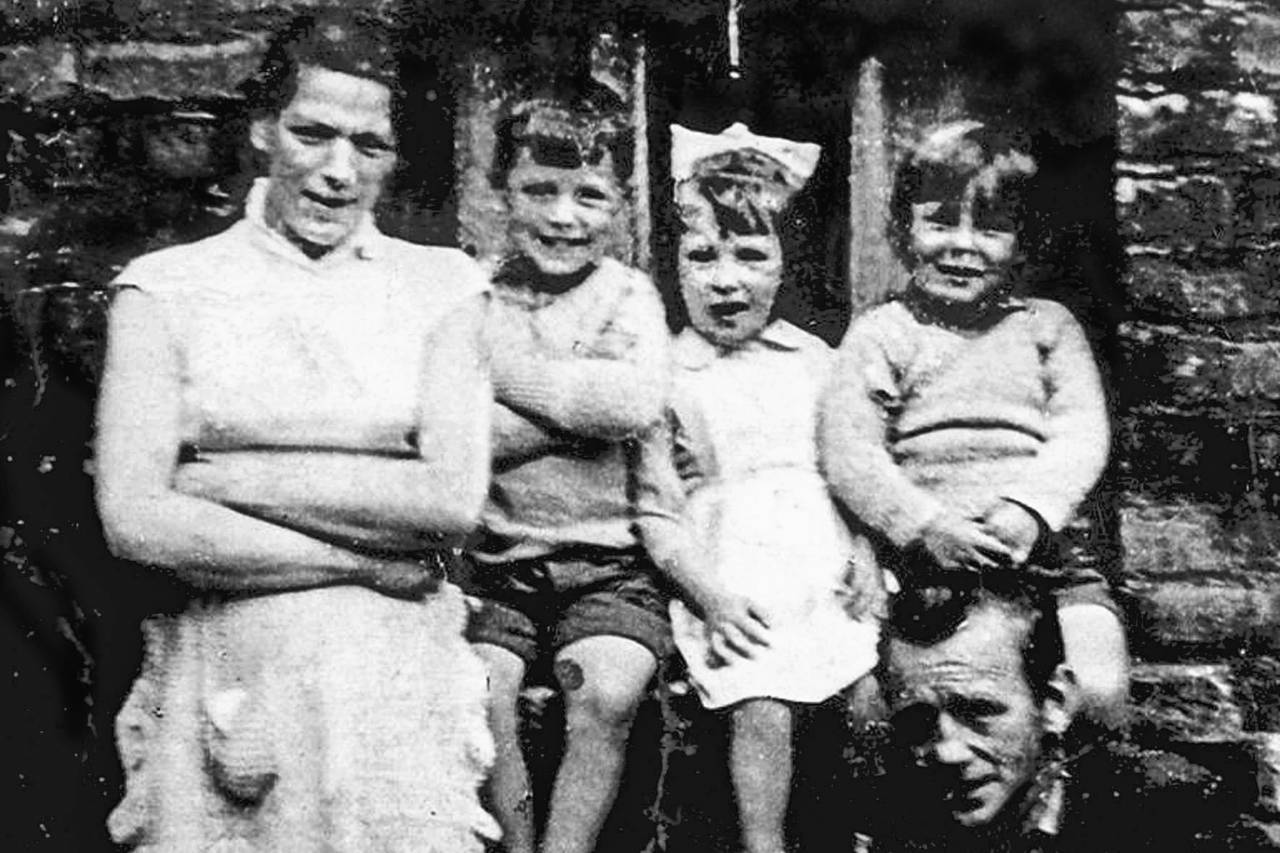 I’m not going to recapitulate the intricate details of the stories either book tells. Briefly, in case neither title is familiar, Say Nothing starts from the abduction of a Belfast woman named Jean McConville by (it is presumed) the IRA, and from that harrowing incident layers on contexts and characters to explore the social, political, and especially moral complexities of life in Northern Ireland during the ‘troubles.’ “Who should be held accountable for a shared history of violence?” Keefe asks? At every turn, difficult questions arise about motives, culpability, and, ultimately, accountability. One example, about a key player in the IRA’s so-called “nutting squad” who turned out to be an extremely valuable informant (if you think about it, you’ll figure out how they got that name and you will shudder, as you will often reading this book):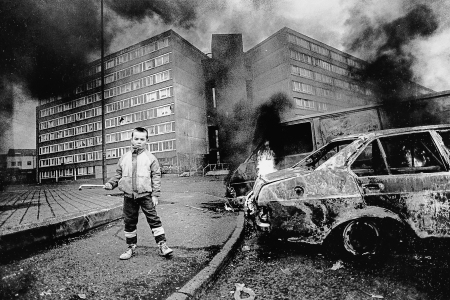
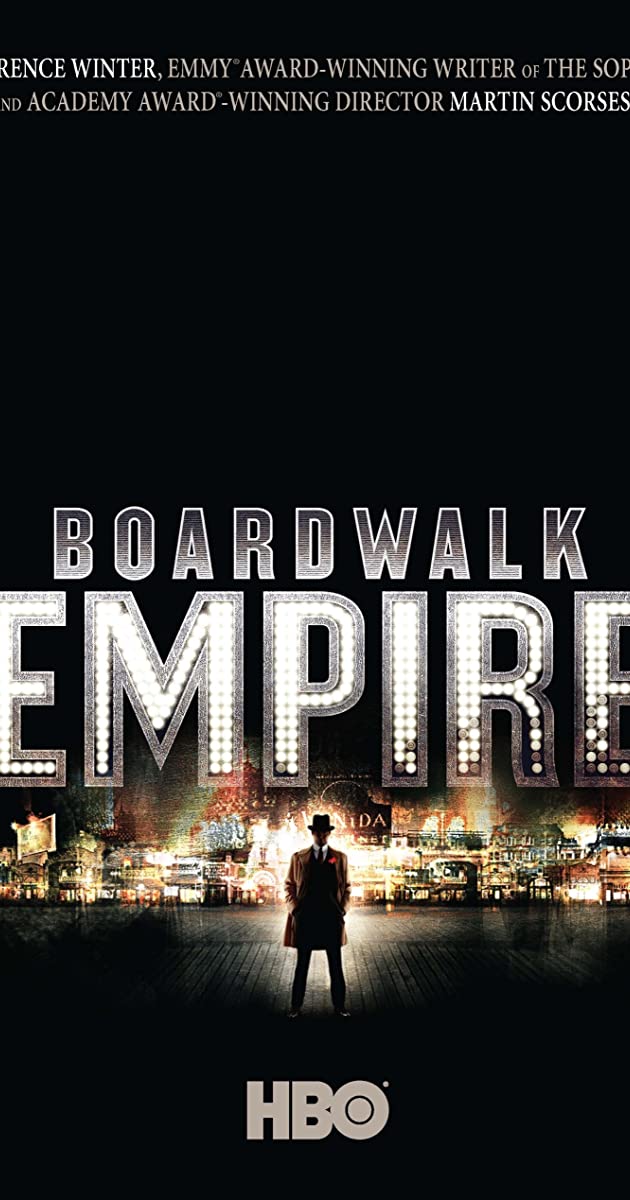
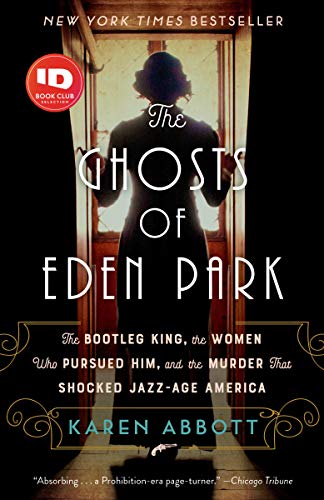 The second book I recently finished is also an accomplished work of narrative nonfiction, Karen Abbott’s The Ghosts of Eden Park. Its long subtitle tells you a lot about its flavour: The Bootleg King, the Women who Pursued Him, and the Murder that Shocked Jazz-Age America. My interest in this book was piqued by our recent viewing of the HBO series Boardwalk Empire, in which Abbot’s main character, the bootlegger George Remus, features prominently. It was fun learning how many aspects of his character were based on reality, such as his peculiar habit of referring to himself in the third person.
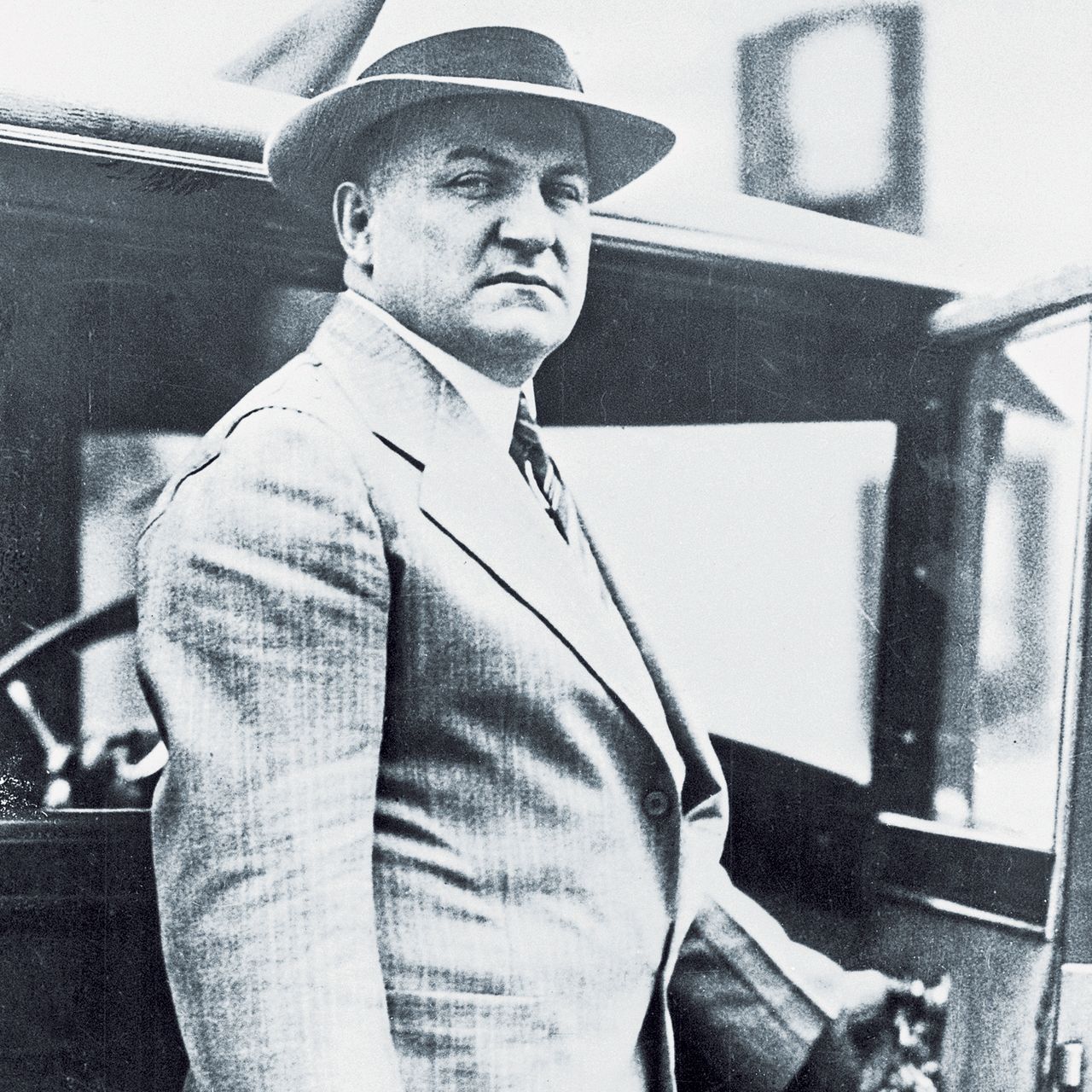 They aren’t, though: that’s just not the book she is writing, and of course that’s fine. She tells a brisk, entertaining, fairly sensational story about Remus, whose success as a bootlegger actually is just background for what becomes his obsessive love-hate relationship with his wife Imogene. While Remus is being prosecuted and imprisoned, Imogene begins an affair with one of the agents who had investigated him, which drives Remus (or so he later argues in court) insane. He never seems very stable: Abbott’s reports from his own statements and writings as well as other people’s reports and observations make him out to be a highly erratic and, frankly, extremely annoying character, someone who never at any moment aroused a glimmer of empathy in me. This is a problem, or it was for me, because after a while reading about his antics and histrionics was like watching some kind of strange zoo animal go berserk and hoping eventually someone will just sedate him and get it over with. Imogene is no better: she’s an opportunist who lies and manipulates and takes everything she can from Remus. When he shoots her in the middle of Chicago’s Eden Park (not a spoiler – this is where the book itself begins!) it seems pretty grim, but by the time we circle around to it after hundreds of pages of backstory, I felt much less, rather than much more, horror–which, in my view anyway, is something of a failure for the book, or perhaps more generally for the project. We should not be indifferent to murder: it should not feel like no more than a plot point. It is, as P. D. James says over and over in her essays on detective fiction, “the unique crime.” That Remus and Imogene and most of their cohort of friends and accomplices have become indifferent to its moral significance is telling, about them and about the world they (thought they) lived in. I was disappointed, though, that Abbott’s treatment more or less accepted their terms. It’s a wild story, with many remarkable twists, but Abbott’s exhaustive research didn’t make it seem any less shallow.
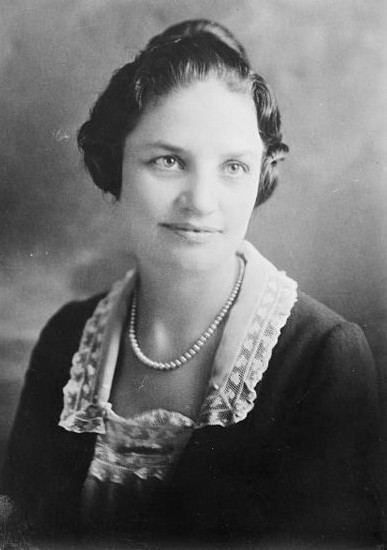 The one element of Abbott’s book that will really stick with me is Mabel Walker Willibrandt. One of my questions watching Boardwalk Empire was about the plausibility of the character Esther Randolph, the U. S. Attorney who tries to bring down Nucky Thompson. It turns out that there were a few women who made careers in the law even that early in the 20th century, and Willibrandt was one of them. She and her “Mabelmen” ought to have their own TV series, if you ask me: she is bold, fierce, and sharply self-conscious about the extra burden her sex adds to her work. “Why the devil they have to put that ‘girlie girlie’ tea party description every time they tell anything a professional woman does,” she wrote to her parents,
 I realize there’s something of an apples and oranges problem with comparing these two books. It’s inevitable, though, that reading books back to back prompts some consideration of what they do or don’t have in common. I would say both are good of their kind, but Say Nothing is of a more important kind: it demands that we look at its events, not as colourful stories about the past, but as parts of our ongoing, imperfect, and morally weighty attempts to understand the place and consequences of violence, especially in our politics. It’s easy to condemn violence, but absolute pacifism can be (as Vera Brittain found, in a different context) difficult to defend. Even if there are cases in which violence seems necessary or justified, though, so many questions still remain. We are watching the Norwegian series Occupied right now, which of course is speculative fiction, not history, but I think it too provokes these questions. At what point would you agree with blowing something up, or worse? My complaint about The Ghosts of Eden Park is that not only do none of the people Abbott talks about seem to care very deeply about these problems – Abbott herself, or at least her book, also does not engage with them. In her book, the story is everything, and it’s actually a pretty cheap and lurid one. Maybe this is not so different, really, from the standards I apply to fiction: I have always found it (pace Oscar Wilde) important to be earnest, at least where matters of moral weight are involved.
 If you’d asked me on March 13 of this year (the last “regular” day before we were all locked down!) whether I ordinarily spent a lot of time working at my computer, I would have said “Yes!” without hesitation. It turns out, however, that I used to greatly underestimate the amount of time I spent away from my computer–at least, relative to the balance (or, rather, imbalance) between these two options in my pandemic life. While preparing for class always involved at least some time typing up notes and preparing handouts, worksheets, slides, and other materials, for example, going to class meant gathering up actual books and papers and markers–and sometimes
 But here I am now, ready once again to take stock of how things are going in my classes. And the disconcerting truth is that a third of the way through this strange term, I still don’t really know, because I have no base line for comparison, no past experience to check this one against. I’m working pretty incessantly on one teaching task or another, but I get very little feedback compared to the ongoing opportunity, in face-to-face teaching, to “read the room”–which could, of course, be discouraging if you could tell they weren’t with you, but at least there was some immediacy to that input and enough flexibility to the whole operation to let you change things up, on the fly or more deliberately. One of the most disorienting things about online teaching so far, in fact, is the time lapse: because a lot of materials need to be ready ahead of time, I’m usually working on next week’s lectures and handouts while the students are working on this week’s. (Yes, that gets very confusing sometimes!) If I sense that something isn’t clicking this week, it can be pretty hard to figure out where or how to adapt.
 Certainly some parts of this feel easier now than they did at first. The start of term is always chaotic, and this year it was worse than ever before because communicating by writing is just less efficient than talking to people or showing them things directly. (That said, at least when everything is written down there is less chance of details just getting lost or forgotten: the documents are always there for reference! The sheer quantity of written materials becomes its own kind of burden, but there’s still something to be said for having what amounts to a detailed instruction manual for the entire course.) By and large my classes seem to have settled into a rhythm now, though, and as a result the stress has gone down on both sides and the quality of actual work has gone up. It’s clear that the online model is harder for some students who would almost certainly be better off with more external structure and tangible support–but there are also students who find the move away from in-person pressures congenial. At this point I personally feel that, given the option, I would never teach online again: I have not had the transformative experience I’ve heard about from other instructors who ended up wholly converted to this mode of instruction. But it’s early yet, I suppose, and of course right now I don’t have a choice–and in spite of everything, I’m glad about that, as it’s not as if being in the classroom under current circumstances would be a return to the kind of work I loved. I’m also very grateful to have the job security I do, and that, along with my real desire to do the best I can for my students, keeps me pretty motivated and determined to keep trying to do this as well as I can.
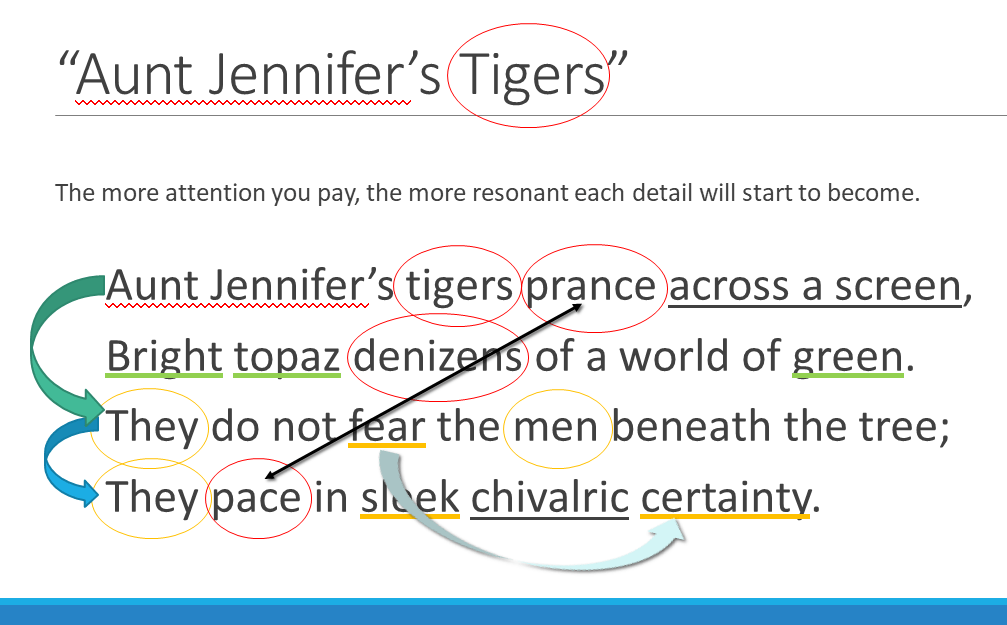
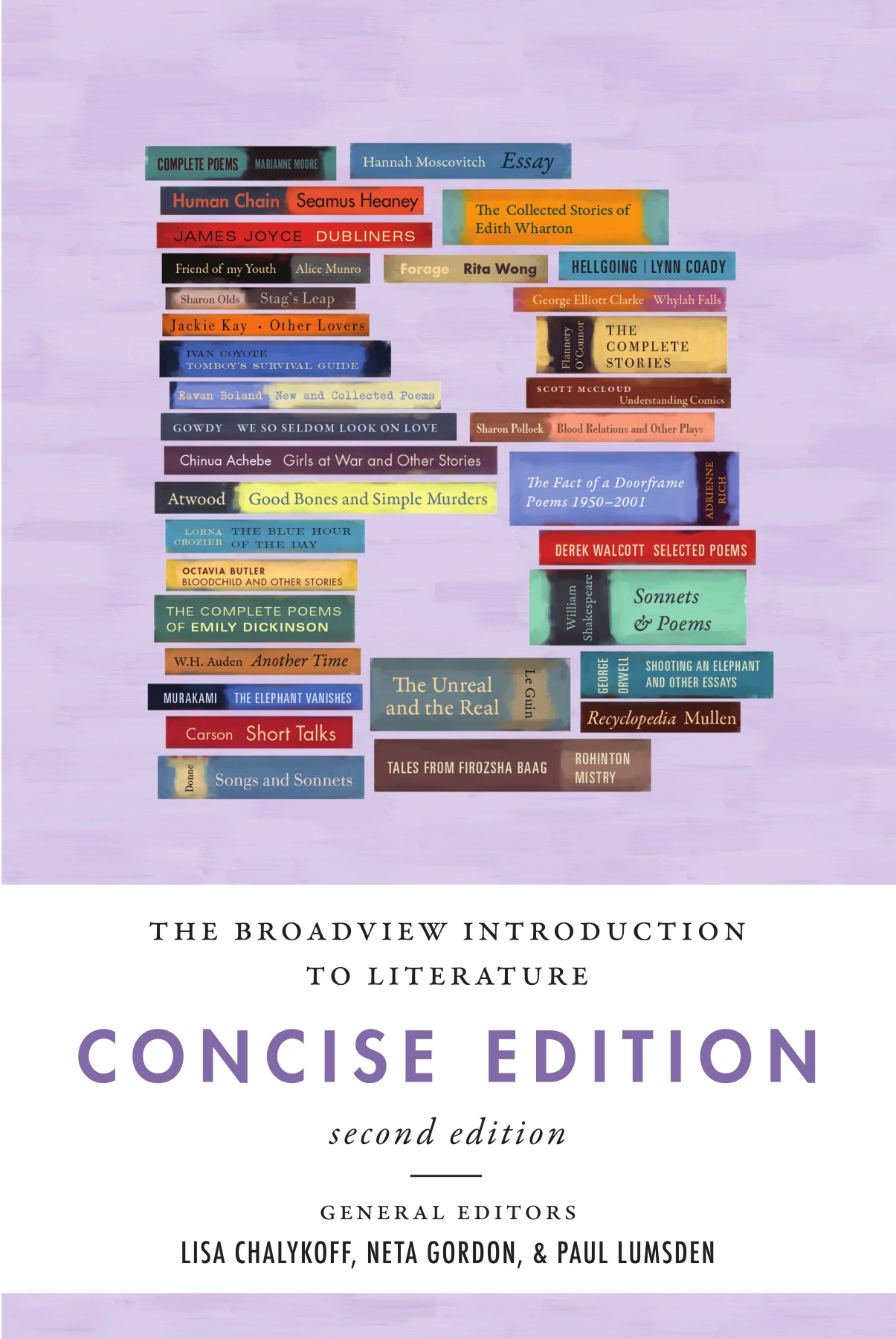 The best thing I can say about my courses right now is that I do finally feel as if I am paying more attention to content than to logistics–which means that when I post about them, I might start talking more about what we’re actually studying in them, like I used to! A trial run: In my intro class (“Literature: How It Works” – a dull title but a pragmatic focus that actually suits my usual approach to first-year classes) we are wrapping up our work on poetry. This week students get to choose a ‘cluster’ of related poems to discuss, hopefully showing off what they have learned about literary devices and poetic form and interpretation so far; then next week we will turn our attention to short stories. I expect a lot of them will like that change of focus; I just hope I can coach them to keep paying attention to details and form and not relax into plot summary.
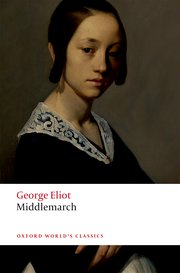 In 19th-Century Fiction we start Middlemarch this week! I, at least, am very excited about this! (Honestly, though: isn’t the cover of the new OWC edition dreadful? They could hardly have made the novel look less fun and inviting. Dorothea is supposed to be blooming, not gloomy!) Rereading the novel and working on my slide presentations to launch our discussions of it has been pretty fun, and also very intellectually challenging, because I have had to make a lot of decisions about how to package the concepts and examples and approaches I would usually lay out over the first few class meetings. While I would certainly do some lecturing in a face-to-face course, I always prefer to draw students towards ideas about how the novel works and what it means through discussion, using a lot of open-ended questions and brainstorming on the white board (where I draw lots of what one of my students [hi, Bea!] recently described as “demented stick figures” 😊). This is hard to reproduce asynchronously!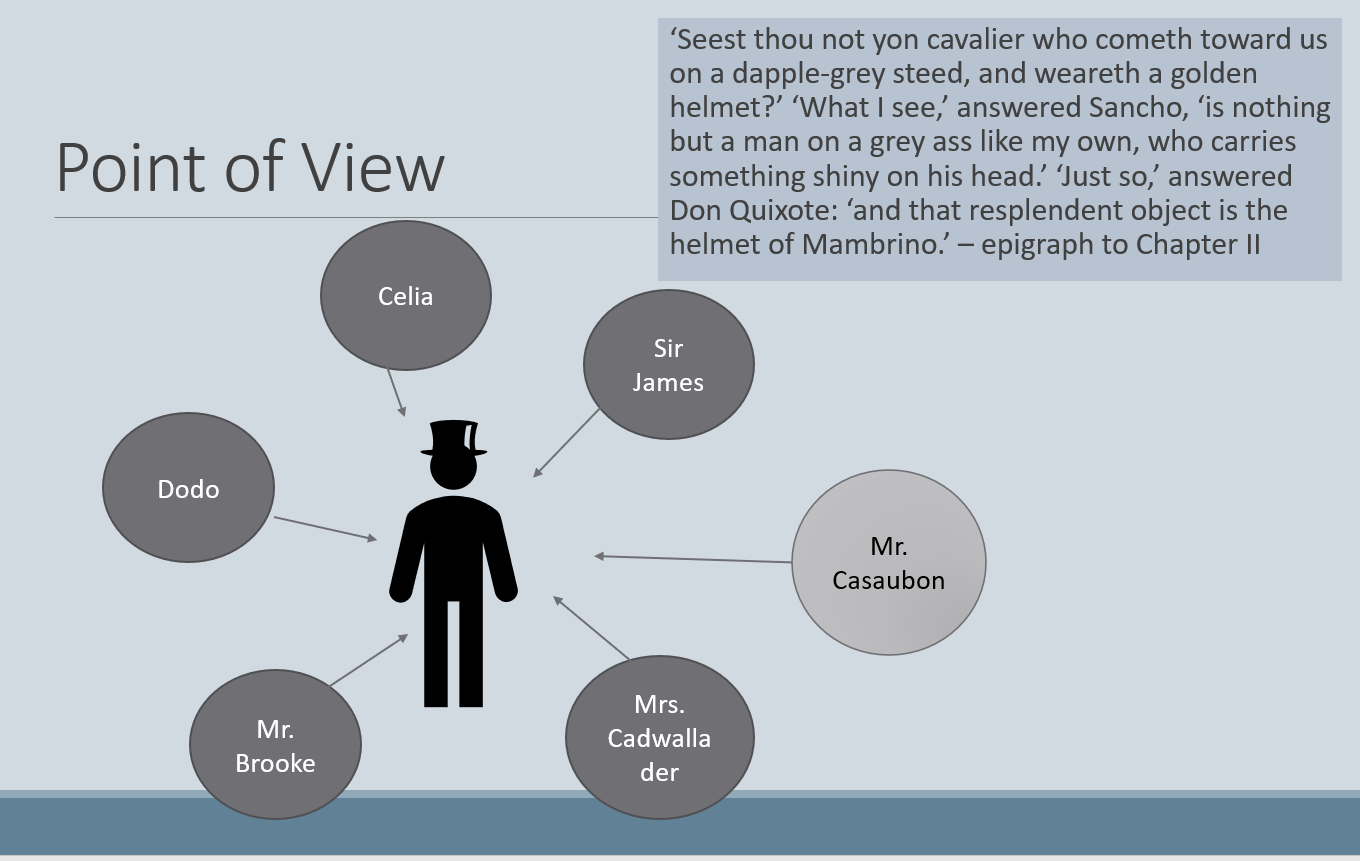
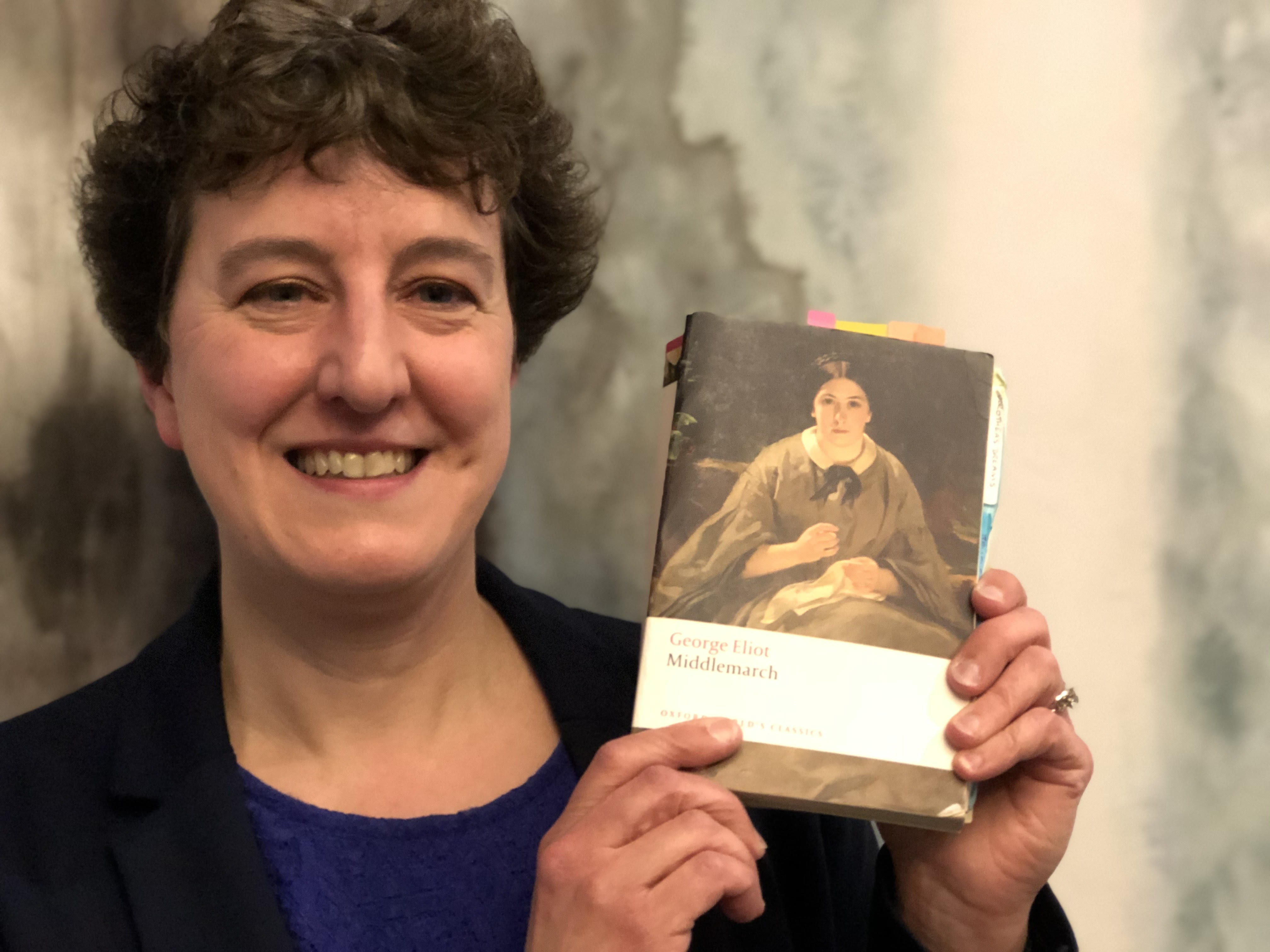 I do expect a bit of stuttering as we get going on Middlemarch: my experience of teaching it in the classroom, where I can play ‘cheerleader-in-chief,’ has been that even with me absolutely radiating enthusiasm for it, it can be a hard sell at first, and though I am trying to be as enthusiastic as I can this time too, I have to communicate so much more indirectly that I can’t be sure it will come across, much less be contagious! The stumbling block is usually the amount of exposition, which requires a different kind of attention and patience and can muffle, on a first reading, the sharpness and comedy of the dialogue as well as of the narrator herself. I’m also often surprised by how little students like Dorothea: is idealism so out of fashion these days? But there are always some students who love the book, at first or eventually, and of course my job is not to make them like our readings but to help them learn about them.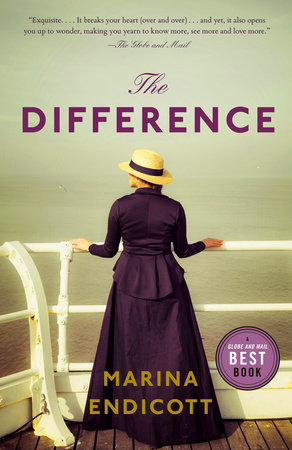
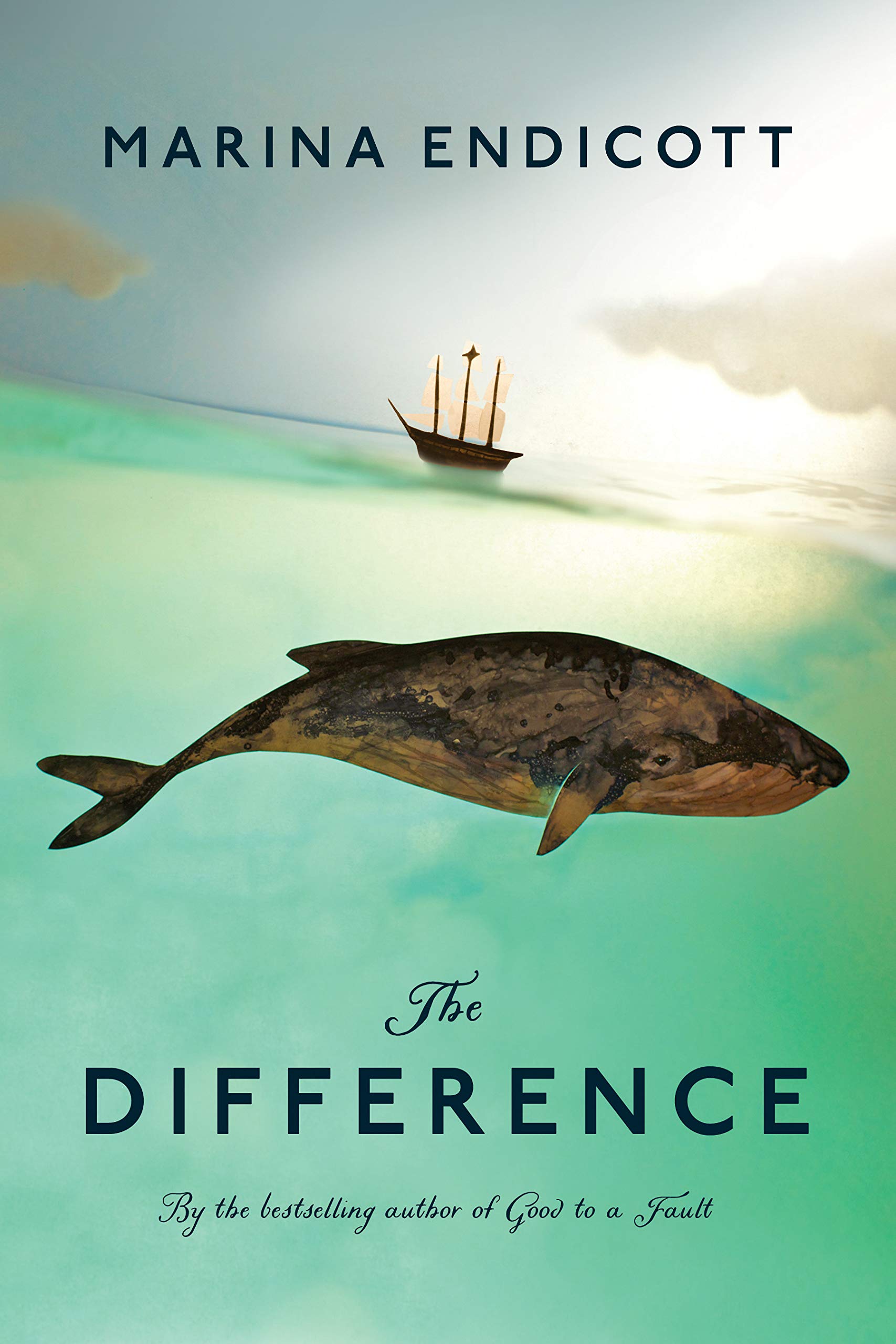 We pick up again about a decade later and much has changed. Most importantly, Aren has left his adopted family and is living a bit of a rough life in Halifax. Distressed and frustrated, both on his behalf and her own, Kay comes up with a plan to take him “home” to Pulo Anna. Once more we find ourselves on board ship and traveling across the seas. Although the next part of the book is as carefully and thoughtfully crafted as the first part, as I made my way through it, and even more so at the end of the novel, I found myself preoccupied with what Endicott had left out by not addressing the intervening years: a lot was missing, I thought, that would have illuminated both the action and, more importantly, the meaning, of the novel’s resolution.
 It has been two weeks since my last post. That sounds almost confessional: forgive me, gentle readers; it has been fourteen days since
  I think my overwhelming impression at this point (and it may get better as we all get more and more used to doing things this way) is that I am spending a lot more time managing logistics and a lot less time engaging robustly with my classes about our readings. I can understand how online structures of the sort we were encouraged to develop would work pretty well for more mechanical subjects, and I think, too, that there is some good cross-talk going on between the students that does accomplish some of the goals of classroom time. That I feel a bit left out does not mean it isn’t valuable: this is what the experts mean, I guess, when they tell us online teaching “decenters” the teacher. But I don’t think I have so far found the strategy that makes an asynchronous course feel like what a face to face class (at its best) feels like. I don’t see where the energy comes from this way: even if I admit that the best classroom discussion doesn’t actually generate that energy for everyone, it still does it for some of us, and I just really miss that.
 I expressed cautious optimism when the term began and I do still feel some of that, even if at times over the past couple of weeks it has been challenged by fatigue and frustration and sadness. The students are there and most of them are really trying; in my turn, I am doing my level best to demonstrate “instructor presence” and make them feel that I care and am paying attention, not just tracking submissions. I’ve already made a few adjustments to the requirements, too, to reflect what we are all learning about how long all of this takes. Also, although preparing recorded segments is not my favorite thing to do, I find devising topics and shaping them into what seem (to me at least) like engaging little packages intellectually stimulating and even fun sometimes.
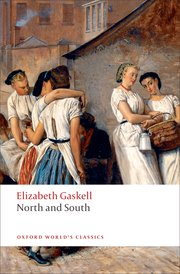
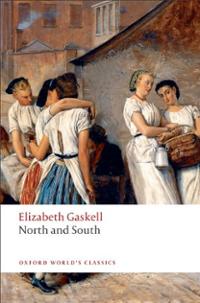
  The readings, too, are as good as they always are, and when I have time to linger over them, that really boosts my morale. I reread the first half of North and South this week (a bit hastily, but still all through) and got excited about the many ways it provokes comparisons with Hard Times, which we are just wrapping up. And in my intro class we are doing Woolf’s “The Death of the Moth,” which was also a tonic to revisit. It’s so beautiful and so sad and so oddly uplifting, in its contemplation of
 Novel Readings