
I finished twelve books in August. Two were audiobooks and two (including one of the audiobooks) were rereads. I wrote up a couple of them here already: Jeanne Ray’s Calling Invisible Women and Mark Haddon’s Leaving Home–which was definitely the standout this month.
In lighter reading, I read another of Peter Grainger’s D. C. Smith mysteries, In This Bright Future. There are still a handful from the middle of the series that I haven’t gotten to you; the library doesn’t have them and the e-books go on sale intermittently so I’m waiting to snap them up when their turn comes. If you like classic British procedurals and haven’t read this series yet, I highly recommend it! They were self-published as e-boosk only initially, as I understand it, but have now been picked up by a “real” publisher and I even saw some on the shelf recently in a local bookstore. B. K. Borison’s And Now Back to You was an amusing romance (I enjoyed First Time Caller as well): predictable, but that more or less comes with the territory! I enjoyed the audiobook of Katherine Center’s Hello Stranger a lot even though I’d read the book before: credit to the narrator, Patti Murrin, who brought enough energy to it that it seemed to zip along. She made me think that Center might be generally better in audio, so I’m now listening to The Love-Haters, which I thought was just OK when I read it before. This is definitely the wild card factor with audiobooks: I was excited when my hold on The Gales of November finally came up but that narrator just was not for me, and I abandoned it after about half an hour.
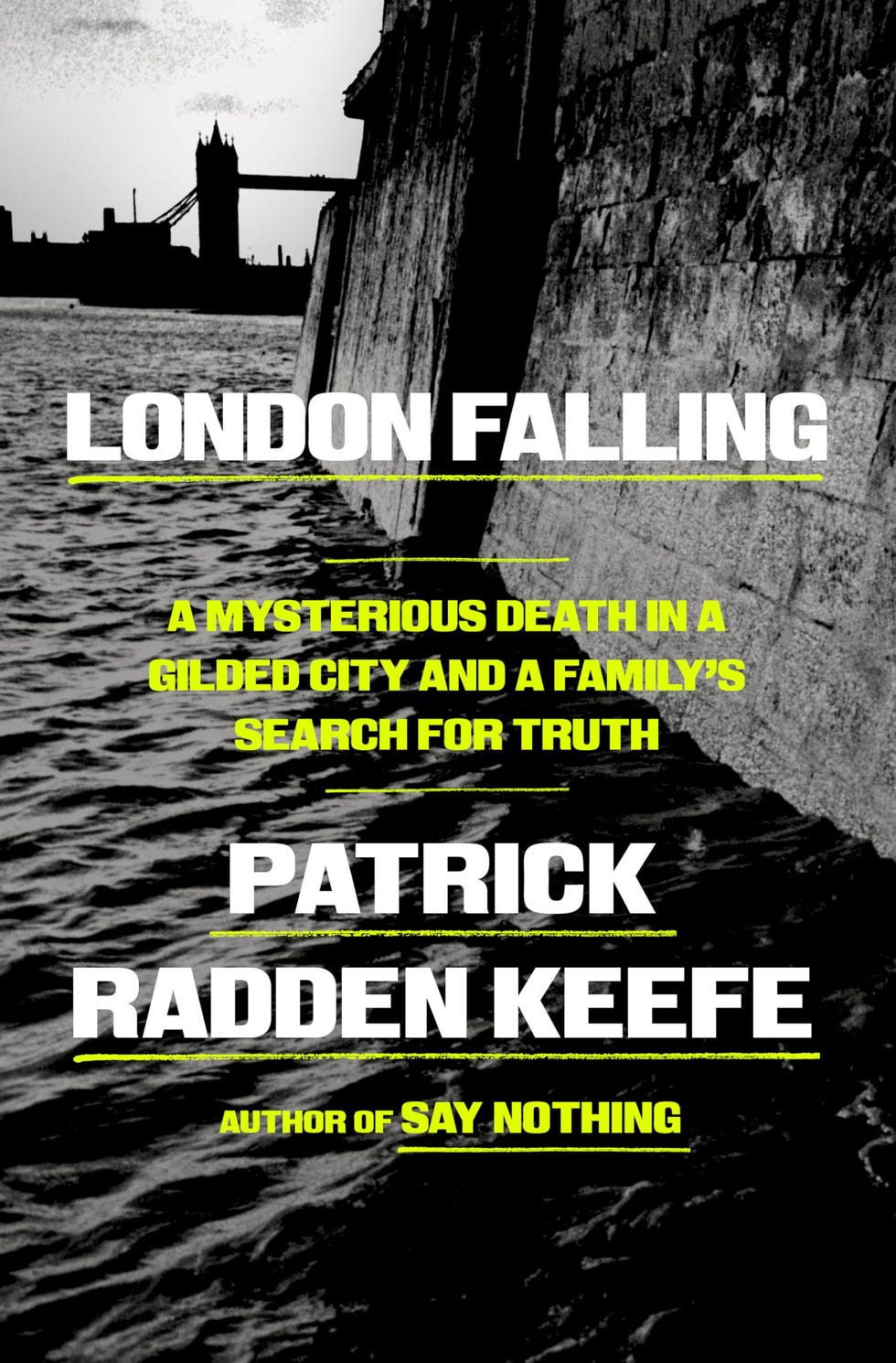
Audiobooks–which I didn’t used to have much patience for–have been proving a good alternative this summer to the podcasts that are my regular listening, some of which are on summer hiatus. I’m not sure what has made the difference, as I used to find them at once too slow (I read pretty fast, on my own) and too easy to lose track of, between street noise and other external distractions and my own wandering mind. I still would not want to listen to a book that, for me, required or rewarded really meticulous attention. I have had the most success with non-fiction, like The Wager or Empire of Pain, which was gripping but also heartbreaking and infuriating. Another notable audiobook this month was also by Patrick Radden Keefe, London Falling. I knew it might be a hard one for me in some ways given that its instigating incident is a fatal fall from a building; I was mostly able to depersonalize this, but still overall I had some ambivalence about the book, even though it is written clearly with a conscious effort not to sensationalize Zach’s death, to acknowledge it as a human tragedy and respect his parents’ suffering. Still, at times the fall felt like a plot point almost incidental to the outlandish chicanery that characterizes so much of the the story that unfolds. The line between investigative journalism and true crime seemed a lot blurrier to me than in either of the other of Radden Keefe’s books that I’ve read.
On a lighter note, my book club’s pick for our next meeting is Cold Comfort Farm, which somehow I’d never read before even though I bought it a few years back because it seemed sure to be delightful. It is delightful! I’m not sure what exactly we will find to discuss about it, but the send-up of rural fantasies is great, the constant undermining of the story’s gothic potential, the refreshing can-do attitude of the heroine–all so fun, and so funny, with plenty of genuine LOL moments.
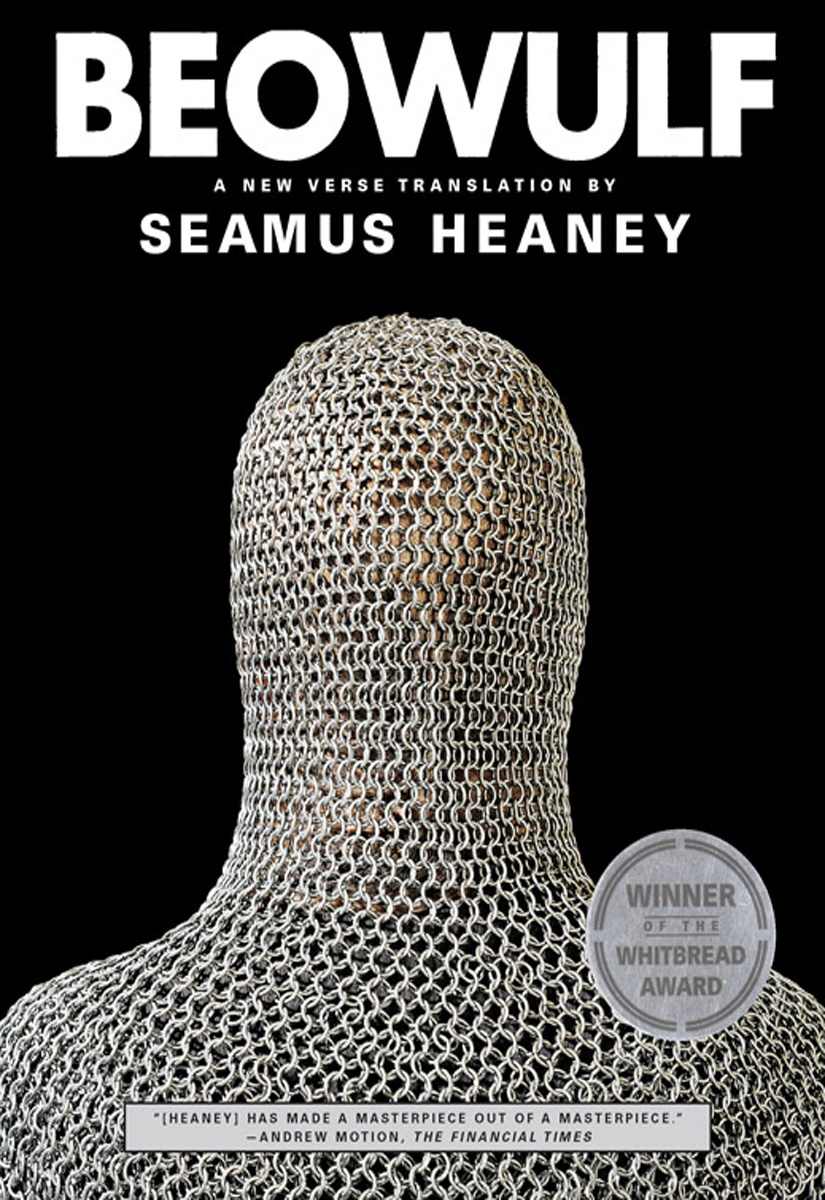
On my latest trip home to Vancouver, I helped my mother downsize her book collection by taking Seamus Heaney’s Beowulf away with me (I did more than that! we filled their whole car trunk with books to donate!). Once I took a closer look at it I decided that it really needed to be read out loud, so I did that, much to Fred’s puzzlement and annoyance (she looks over her shoulder at me so peevishly if I dare to talk on the phone when she’s snoozing on my lap too, and usually gets up after a while to find a properly quiet place to nap). This too was so fun! One good thing about reading aloud is that it makes sure you are getting every word, which for me can be harder with long poems than with prose, but Beowulf is also of course so well suited, even intended, for it. I wonder if this would be a good strategy for returning to Shakespeare’s plays, which I have read only about a dozen of and those mostly as an undergraduate, in the great Kate Sirluck’s Shakespeare survey at UBC. (Oh my, how she intimidated me! But then when she heard I was going off to Cornell for grad school she told me not to take any BS, and in retrospect that’s advice I wish I had known better how to appreciate and act on!)
I read one short story collection, Claire Keegan’s So Late in the Day. This was prompted by reading my friend Alice Brittan’s syllabus for her fall seminar called “On Beauty,” where this is on the syllabus. Like so many readers I know, Alice is a great admirer of Keegan’s, and I have long wondered if I underestimated Small Things Like These, which did not wow me. I was pretty impressed by So Late in the Day so I went back to get Antarctica from Bookmark–which turns out to include one of the same stories, so that was very mildly annoying. I have read a couple of the stories in it so far and I just can’t decide. Maybe the thing to do is reread Small Things Like These, since I am far from the best short story reader (I genuinely think of it as a different skill from reading very long books, or even medium-sized books).
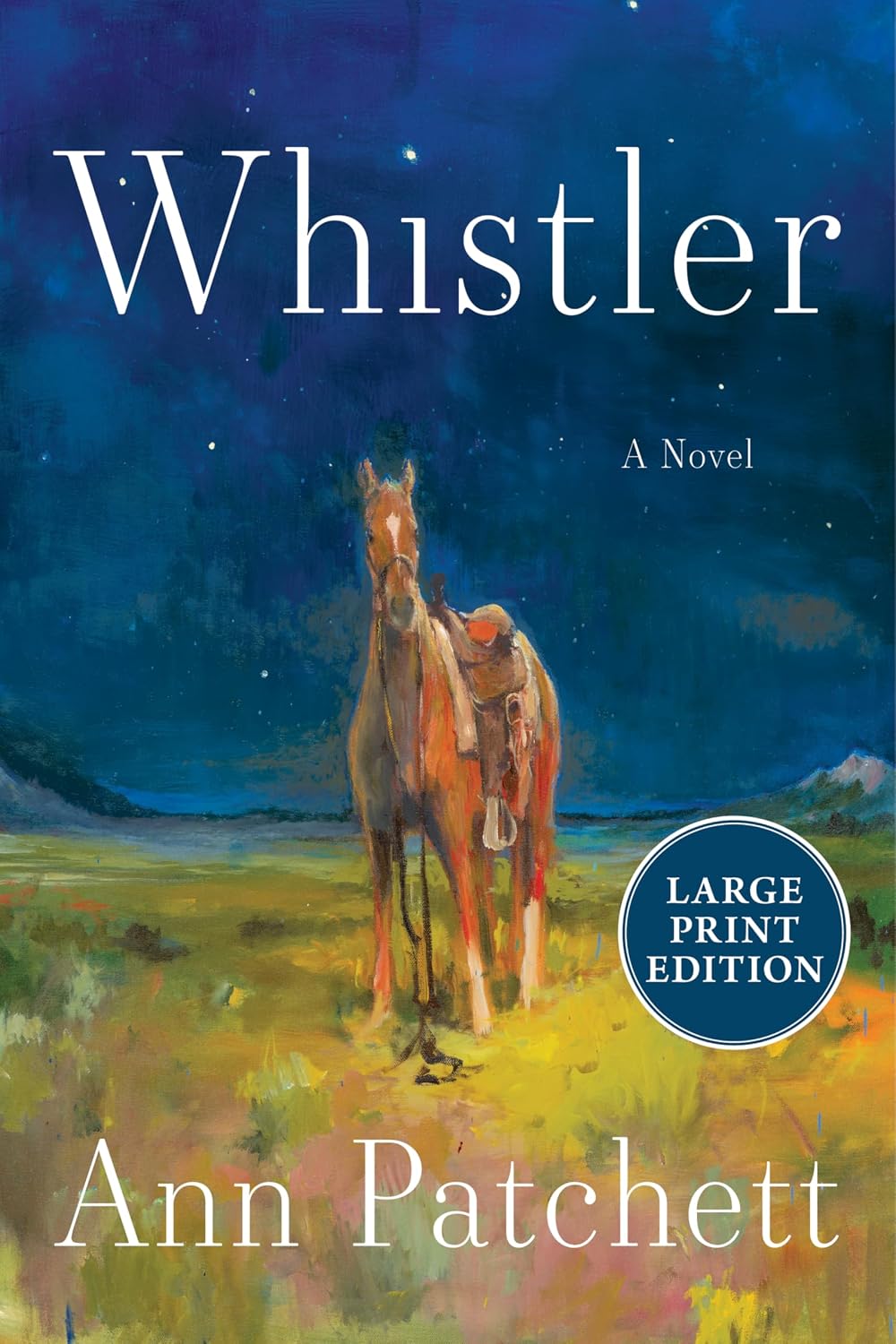
Last but not least I will mention Ann Patchett’s Whistler, which if I had had less heat-and-humidity-induced inertia over the past couple of weeks would have gotten its own post. I did really enjoy reading it. I appreciated its “glass half-full” view of the world, which contrasts so much with the “glass mostly empty” tone of Elizabeth Strout’s The Things We Never Say (my review of that is here). I found the gently metafictional ‘twist’ at the end perhaps unnecessary: the novel before it (unless I missed something crucial!) didn’t seem to me to be changed much by it, unlike, say, Atonement, which is a very different novel on a reread, or Kate Atkinson’s A God in Ruins–which, IMHO, was spoiled by Atkinson’s inability to let her story be what it was. (My cranky review of that one is here.) After I finished Whistler I poked around in the reviews and was surprised how many I came across that disliked for just the reasons I liked it: too nice, too feel-good, ‘sentimental,’ even ‘saccharine.’ It did not seem that way to me, and these complaints made me think about what our expectations are for fiction we think is offered up seriously (as good a working definition as I know for what we mean by ‘literary’ fiction). Must it be grim, or angry? Why (to go back to another pet peeve) is Elena Ferrante characterized as honest because she seems so furious–can’t other emotions, positive emotions, also be honest? (My rant about Ferrante’s effusive reception is here!) Whistler seemed to me an intelligent and nuanced novel, not cheesy feel-good pablum. Does it go really deep? Not really. Does it serve up social or political critique? Not explicitly, but you could see it as doing so implicitly by its tenderness for its characters and theirs for each other. A world in which people do brave things on each other’s behalf, in which broken relationships can be healed and complicated different realities can be reconciled–sounds nice! If we are left thinking (as one critic reasonably was) about the privilege her characters enjoy, both economically and emotionally, instead of being mad at them we could maybe more profitably be mad at the circumstances that limit those good things.
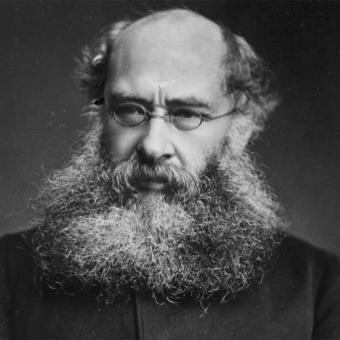
I’m in the middle of one more book but it seems unlikely I will finish it before the month is over: feeling frustrated with waiting for my library holds and with paying high prices to buy books that end up disappointing (ahem, The Very Secretive and Passionate Life of Miles Franklin, which I gave up on less than half way through), I decided to revisit Trollope’s Palliser series, which I read through in 2001-2002 and have not returned to since, with the exception of The Eustace Diamonds which I assigned in a graduate seminar around 2006. I am about half way through Can You Forgive Her? and am thoroughly enjoying it. Trollope’s pacing definitely takes a bit of adjustment at first, as not a lot happens from page to page but always at great length! Once you fall into the rhythm of it, though, it goes along more quickly than you expect, and you get invested really quickly in his characters’ dilemmas–which that expansiveness allows him to show us in all their complexity. Alice Vavasor’s “jilting” of the tediously worthy John Grey is (ostensibly) the main storyline, but I’d forgotten that here we are also plunged right into Lady Glencora’s wilder struggle between her tediously worthy husband “Planty Pall” and the handsome but unworthy Burgo Fitzgerald. Trollope has some conventional ideas about what makes women happy, but he is sharp about the constraints on and injustice for women who want to but can’t make their own decisions. I’m quite interested this time in the way Alice is (she thinks) financially supporting her less worthy suitor in his political ambitions: we know it isn’t actually her money, but both he and she believe it is, an unusual dynamic. I don’t remember exactly how things work out, but I’m all in at this point. I will probably intersperse some other reading along the way, but a full read-through of the series seems like a better fall-back when there’s a lull than doom-scrolling, a habit I am determined to break, not just because it is a waste of time but because it is so bad for my blood pressure. (“Lake America” indeed! Argh.)
 Last week in my classes it was Reading Week, a.k.a. the February “study break.” Although overall this term has not been nearly as hectic as last term, I was still grateful for the chance to ease up. Work is tiring. Winter is tiring. Grieving is tiring (yes, still). It doesn’t help that I continue to wake up a lot at night with shoulder pain, something I have been trying to fix for years now. (I am getting closer, I think! I am working with an orthopedist who seems pretty confident about what needs doing, although we are waiting for an ultrasound to confirm that the issue is my rotator cuff.)
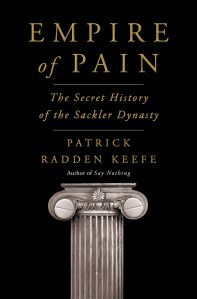 The one other book I got all the way through last week was actually an audiobook: my hold on Patrick Radden Keefe’s Empire of Pain came in, and it proved truly gripping, surprisingly so given that I knew a fair amount about the whole story from various other sources (including the harrowing series Dopesick). I was so caught up in it that I spent longer hours than usual working on my current jigsaw puzzle—which I think contributed to my shoulder pain somehow, so that was a weird confluence as it had me thinking a lot about how tempting the promise of relief would be even for chronic pain as relatively mild as mine. Of course the whole story is also infuriating and outrageous and horrific, and perhaps it would have been more calming to stick to my usual, more benign, program of literary podcasts!
 and that timing may well have been the real reason for my middling reaction to it. So far I am enjoying it just fine; we’ll see if when I get to the end this time I feel like reading on in the series.
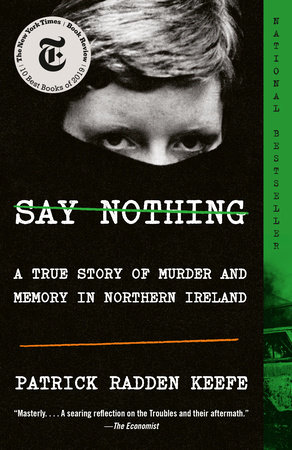 I read a book that wasn’t for work! In fact, I read two books! I cant remember another teaching term when this has felt like such an accomplishment. Sometimes I read the most, paradoxically, when I am otherwise the busiest! There’s something enervating about the way I am busy this term, though, including (
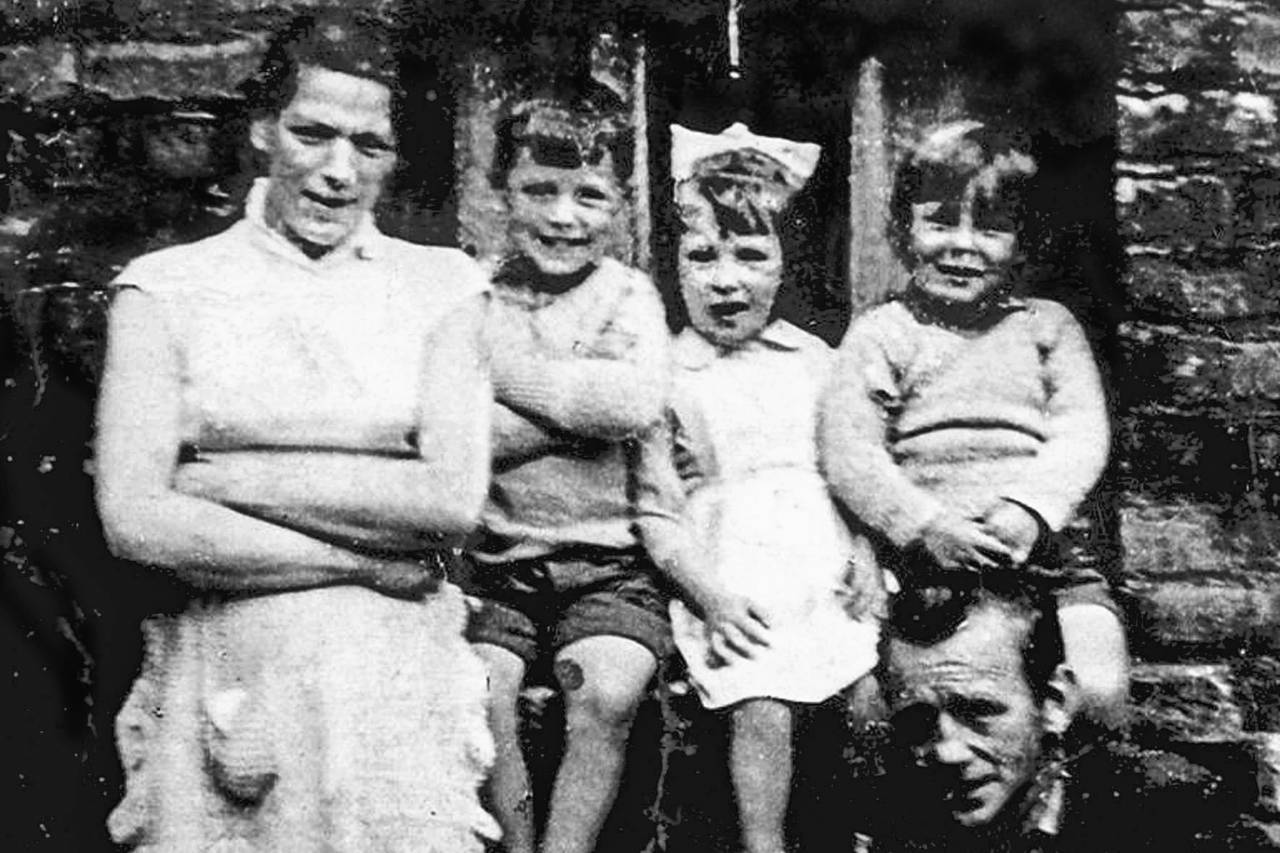 I’m not going to recapitulate the intricate details of the stories either book tells. Briefly, in case neither title is familiar, Say Nothing starts from the abduction of a Belfast woman named Jean McConville by (it is presumed) the IRA, and from that harrowing incident layers on contexts and characters to explore the social, political, and especially moral complexities of life in Northern Ireland during the ‘troubles.’ “Who should be held accountable for a shared history of violence?” Keefe asks? At every turn, difficult questions arise about motives, culpability, and, ultimately, accountability. One example, about a key player in the IRA’s so-called “nutting squad” who turned out to be an extremely valuable informant (if you think about it, you’ll figure out how they got that name and you will shudder, as you will often reading this book):
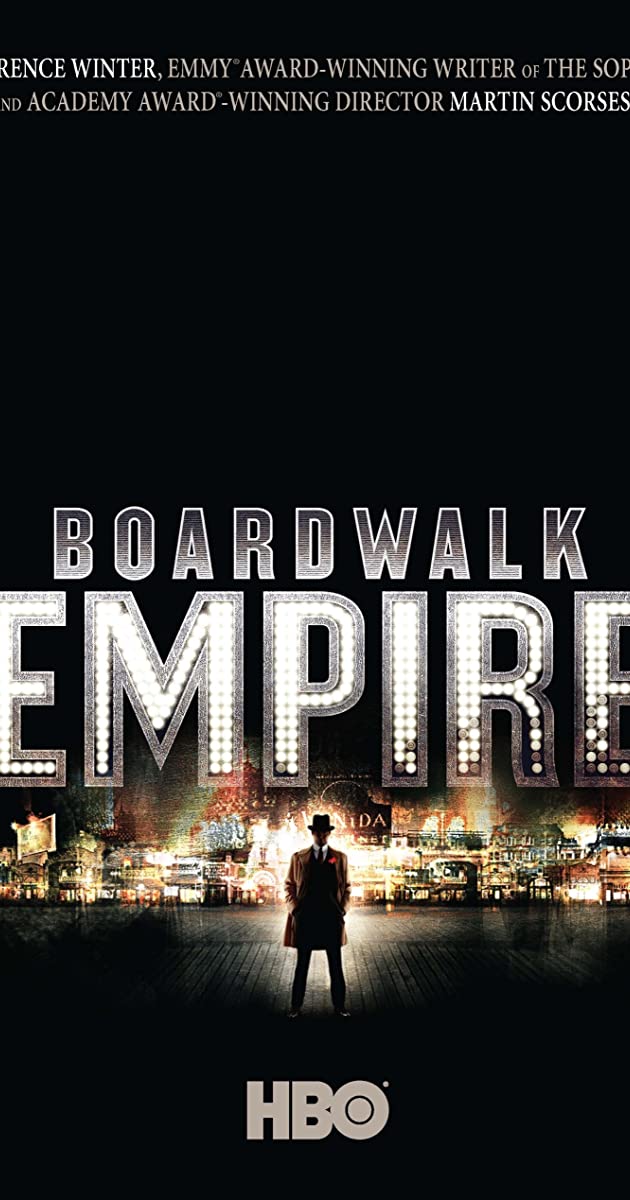
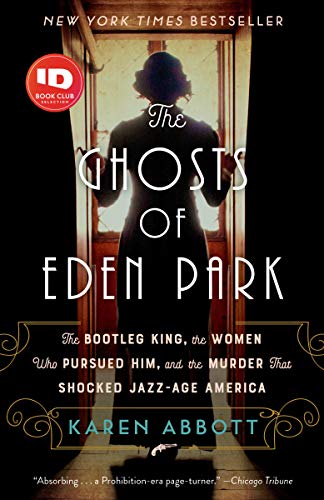 The second book I recently finished is also an accomplished work of narrative nonfiction, Karen Abbott’s The Ghosts of Eden Park. Its long subtitle tells you a lot about its flavour: The Bootleg King, the Women who Pursued Him, and the Murder that Shocked Jazz-Age America. My interest in this book was piqued by our recent viewing of the HBO series Boardwalk Empire, in which Abbot’s main character, the bootlegger George Remus, features prominently. It was fun learning how many aspects of his character were based on reality, such as his peculiar habit of referring to himself in the third person.
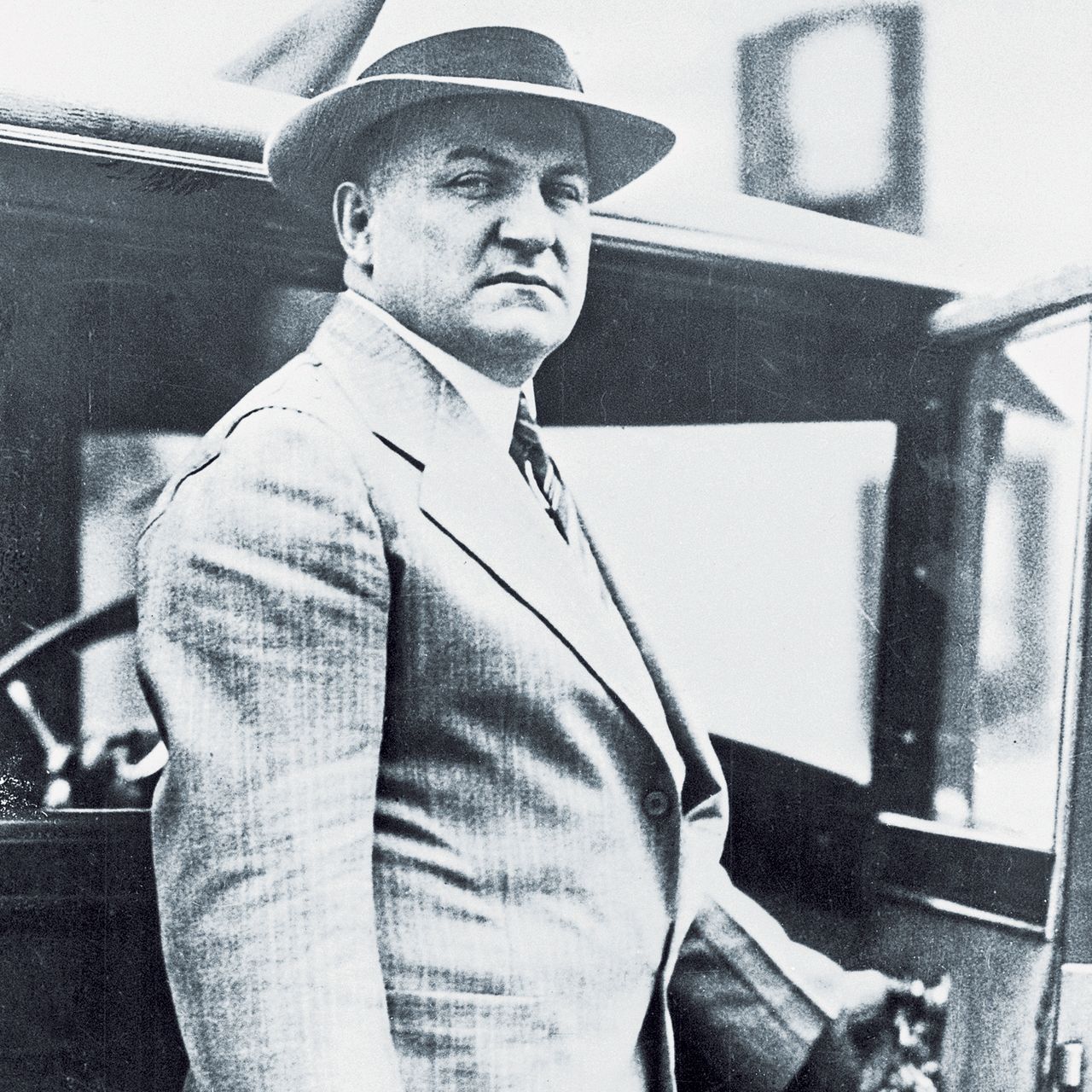 They aren’t, though: that’s just not the book she is writing, and of course that’s fine. She tells a brisk, entertaining, fairly sensational story about Remus, whose success as a bootlegger actually is just background for what becomes his obsessive love-hate relationship with his wife Imogene. While Remus is being prosecuted and imprisoned, Imogene begins an affair with one of the agents who had investigated him, which drives Remus (or so he later argues in court) insane. He never seems very stable: Abbott’s reports from his own statements and writings as well as other people’s reports and observations make him out to be a highly erratic and, frankly, extremely annoying character, someone who never at any moment aroused a glimmer of empathy in me. This is a problem, or it was for me, because after a while reading about his antics and histrionics was like watching some kind of strange zoo animal go berserk and hoping eventually someone will just sedate him and get it over with. Imogene is no better: she’s an opportunist who lies and manipulates and takes everything she can from Remus. When he shoots her in the middle of Chicago’s Eden Park (not a spoiler – this is where the book itself begins!) it seems pretty grim, but by the time we circle around to it after hundreds of pages of backstory, I felt much less, rather than much more, horror–which, in my view anyway, is something of a failure for the book, or perhaps more generally for the project. We should not be indifferent to murder: it should not feel like no more than a plot point. It is, as P. D. James says over and over in her essays on detective fiction, “the unique crime.” That Remus and Imogene and most of their cohort of friends and accomplices have become indifferent to its moral significance is telling, about them and about the world they (thought they) lived in. I was disappointed, though, that Abbott’s treatment more or less accepted their terms. It’s a wild story, with many remarkable twists, but Abbott’s exhaustive research didn’t make it seem any less shallow.
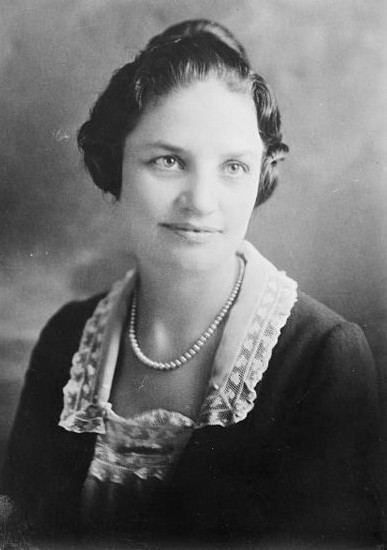 The one element of Abbott’s book that will really stick with me is Mabel Walker Willibrandt. One of my questions watching Boardwalk Empire was about the plausibility of the character Esther Randolph, the U. S. Attorney who tries to bring down Nucky Thompson. It turns out that there were a few women who made careers in the law even that early in the 20th century, and Willibrandt was one of them. She and her “Mabelmen” ought to have their own TV series, if you ask me: she is bold, fierce, and sharply self-conscious about the extra burden her sex adds to her work. “Why the devil they have to put that ‘girlie girlie’ tea party description every time they tell anything a professional woman does,” she wrote to her parents,
 I realize there’s something of an apples and oranges problem with comparing these two books. It’s inevitable, though, that reading books back to back prompts some consideration of what they do or don’t have in common. I would say both are good of their kind, but Say Nothing is of a more important kind: it demands that we look at its events, not as colourful stories about the past, but as parts of our ongoing, imperfect, and morally weighty attempts to understand the place and consequences of violence, especially in our politics. It’s easy to condemn violence, but absolute pacifism can be (as Vera Brittain found, in a different context) difficult to defend. Even if there are cases in which violence seems necessary or justified, though, so many questions still remain. We are watching the Norwegian series Occupied right now, which of course is speculative fiction, not history, but I think it too provokes these questions. At what point would you agree with blowing something up, or worse? My complaint about The Ghosts of Eden Park is that not only do none of the people Abbott talks about seem to care very deeply about these problems – Abbott herself, or at least her book, also does not engage with them. In her book, the story is everything, and it’s actually a pretty cheap and lurid one. Maybe this is not so different, really, from the standards I apply to fiction: I have always found it (pace Oscar Wilde) important to be earnest, at least where matters of moral weight are involved.
