 I can’t post about books I’ve finished this week because I haven’t finished any. I’ve been trying to read–keeping in mind my realization that my life as a whole is better if I do, and also if I then write about what I’ve read. One obstacle has been my eyesight, unfortunately! Happy as I still am with the multifocal contact lenses that make almost every other aspect of my life perfectly visible, apparently my eyes have been changing just enough that now, if I’m wearing them, I find it really hard to focus on books. I can read just fine without the lenses in, but I don’t like to take them in and out, so I’ve been fitting some reading in during the mornings before I put them in to start the rest of my day, and in the evenings when I will still need them a bit later for TV, I am experimenting with some cheap reading glasses–which do seem to help with that near focus, but make me pretty swimmy if I dare to look around and not just stare at the page. I need to see my eye doctor and reassess my options, but I don’t want to have an eye exam (which brings you inescapably up close and personal for quite a long time, if it’s thorough) until … well, until.
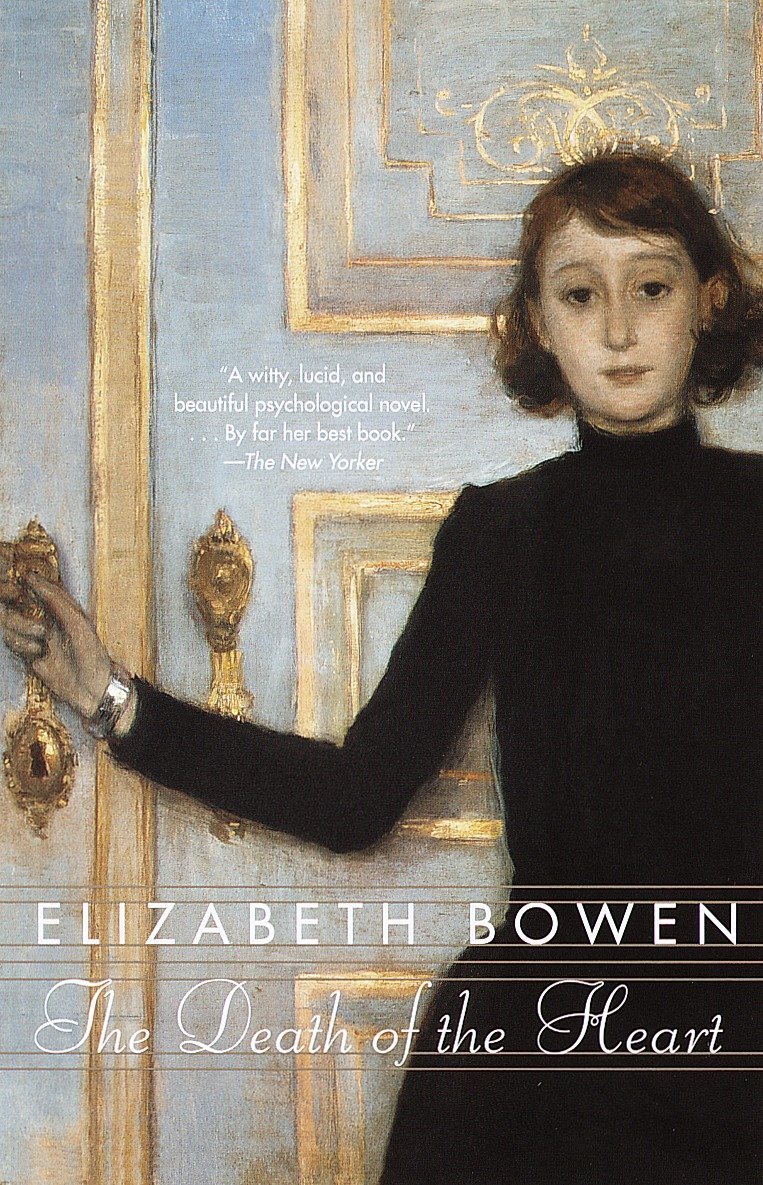 So, one challenge is aging, and there’s not much to be done about that (and it’s only going to get worse, I know!) The other, though, has been the books I’ve been trying to focus on. Both are ones I have wanted to read for a long time, but neither has proved the right book for this moment, although one of them I am still working on. The first one I started this week was Elizabeth Bowen’s The Death of the Heart, which has been on my reading wish list for years. It looks great! I am sure it is great! But a couple of chapters into it, I just couldn’t bear it: it was making me feel both bored and claustrophobic. I suspect some of that is a deliberate effect, as it seems to be about a stifling world that tries to stifle people’s feelings. Bowen’s sentences didn’t help. I love Olivia Manning’s description of Bowen’s prose as being like someone drinking milk with their legs crossed behind their head: often, it just seems to be making something that’s actually fairly simple much more complicated than it needs to be! I can and have enjoyed exactly that about Bowen–but not now. Maybe The Death of the Heart will be a good book to read in the summer, on the deck with the languorous pleasure of sunshine to soothe my nerves and no constant fretting about discussion posts ungraded and PowerPoint slides to laboriously create. Back on the shelf it goes, until then.
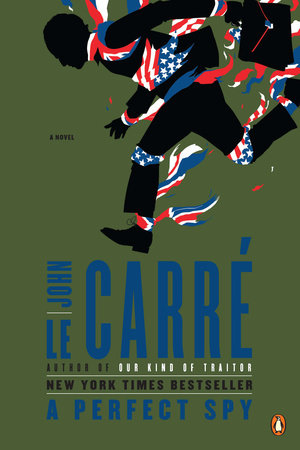 The other is John Le Carré’s A Perfect Spy, which I am still working on. I loved the Smiley books so much, and was so engaged by The Little Drummer Girl–how could I not want to read the book Le Carré himself considered his masterpiece? I acquired it in a flush of enthusiasm after reading the others, started it–and did not like it at all. Then I started it again, months later–and still could not get a grip on it. I took it off my shelves when I put Bowen back, because it seemed like the opposite kind of book and so I thought it might work where The Death of the Heart hadn’t. My hope is that if I can just get further in this time, I will figure it out, by which I don’t mean the plot (which I expect will be as twisty as always) but the voice and the style and the mood. It feels really different from the other Le Carrés I’ve read: it is more fragmented, more arch and nasty, and less (so far) morally serious. I know a lot of people argue that life is too short to keep reading books you aren’t enjoying, and this is a case in which I have obviously agreed so far, quitting it for other books that I liked better. I am not an absolutist about finishing every book you start–but I have, often enough, found that persistence can pay off, and I believe, too, that good books sometimes teach us how to read them, and it’s a lesson that can take more than a few chapters. I want to stick with it this time, just to give it a real chance. (Any admirers out there who would like to encourage me in this effort? Please chime in!)
 So that’s where I am this week! I have been thinking a lot about posting more in my once-usual “this week in my classes” series but I can’t seem to get past the twin obstacles of my classes no longer being distinguishable “events” and of all the work for them already being done by computer, which makes reflecting on them by writing about them on the computer a lot less appealing, for some reason. I have a rambling post partially drafted about the other topic that has been much on my mind: realizing that by the time we are back on campus, I will be among the most senior members of my department, not by age but by longevity. In fact, by July 1 2022, I will have only one colleague still around who has been in the department longer than I have. What does–what should–this mean to how I go about my work, or how I think about it? I don’t really know, and I thought that writing about it might help. Maybe it will! We’ll see. In the meantime, things go on exactly the same as they have for months and months. Vaccines are coming, but very slowly–as is spring. Reason for optimism on both counts, but what’s still required above all is patience, and after a year of this, I sometimes feel I have to dig pretty deep for that.
 I continued trying harder this week to do better reading, choosing books that I hoped would bring more or different rewards than my recent rather desultory choices of mysteries and romances. I had mixed success in terms of immediate satisfaction–I didn’t have a lot of fun reading either of the novels I finished this week, but both were thoughtful books that led to thought-provoking experiences.
 This is something I would never say in a lecture or a presentation or, God forbid, a paper, but, at a certain point, science fails. Questions become guesses become philosophical ideas about how something should probably, maybe, be. I grew up around people who were distrustful of science, who thought of it as a cunning trick to rob them of their faith, and I have been educated around scientists and laypeople alike who talk about religion as though it were a comfort blanket for the dumb and the weak, a way to extol the virtues of a God more improbable than our own human existence. But this tension, this idea that one must necessarily choose between science and religion, is false. I used to see the world through a God lens, and when that lens clouded, I turned to science. Both became, for me, valuable ways of seeing, but ultimately both have failed to fully satisfy in their aim: to make clear, to make meaning.
 The other novel I read this week was Sally Rooney’s Normal People, after finishing the extraordinarily intimate and touching series. I have thought a lot about how watching the adaptation first (something I rarely do) affected my reading of the novel. The most important thing is that it inspired me to read the novel at all: after giving up part way through
 Next up, I think, is Elizabeth Bowen’s The Death of the Heart, which was one of my Christmas gifts, and then probably Colm Toibin’s Nora Webster, which I couldn’t resist when I saw it in the selection of March sale books at the
  Maybe it had something to do with my footwear, but this time it was fireworks, what A. S. Byatt calls “the kick galvanic.” It reminded me that all of art rests in the gap between that which is aesthetically pleasing and that which truly captivates you. And that the tiniest thing can make the difference.
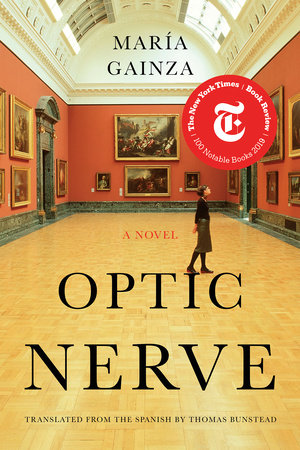
 What I didn’t like: Optic Nerve felt really miscellaneous. Its unifying force is Gainza herself, or the narrating version of her, I suppose, but I often found myself puzzled over what else bound together the specific elements she included in each chapter. Sometimes I could see it, or sense it (the chapter about her brother and El Greco, for instance, which turned on ideas about religion, and – I think – on tensions between ascetism and sensuality), but most of the time it seemed random. Was I not reading or thinking hard enough, or was that fragmentation deliberate? Maybe the idea was precisely to scatter our focus, or to reflect the ways our lives are not in fact neatly organized around common themes–or to match her commentary on art, which emphasizes that we should, or always do, feel first and think later. I would have liked a bit of guidance about this from the book itself.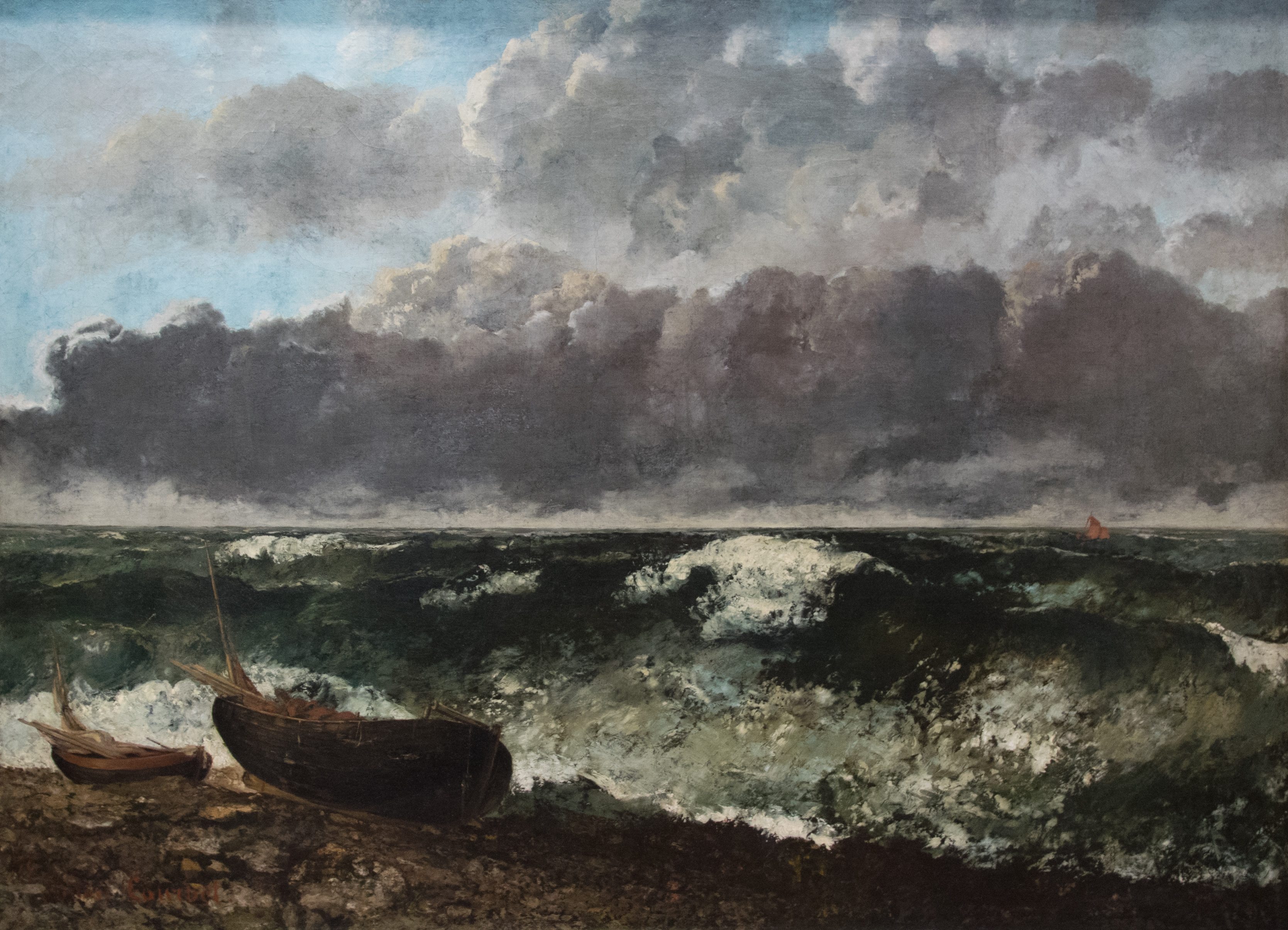

 It’s not that I haven’t been reading. In fact, in the last couple of weeks I reread all three novels in Olivia Manning’s Balkan Trilogy, which is, cumulatively, over 900 pages. This is because I’m going to be writing up something about them for the TLS to mark the nice new reissues by Windmill Books. What exactly I’m going to say is something I’m still working out: the problem is not too few ideas but too many, given what strange and fascinating and provoking books these are. But because I have a formal writing project to do about them, I won’t be adding anything about them here. (I
 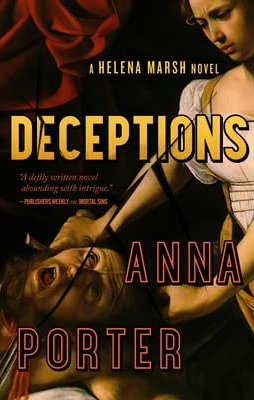 soon: the tl;dr version (though it’s actually quite a short review anyway!) is that they are good and have real historical and moral depth behind the genre-fiction surface, especially through the way their stories reach back to Hungary’s fascist and Soviet-dominated past. My mother kindly just shipped me her copy of Porter’s memoir The Storyteller, apparently out of print now, which I am looking forward to reading.
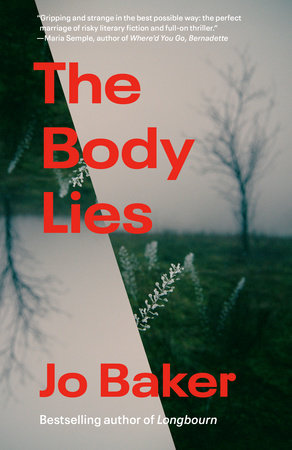 I’ve done some other reading “just” for myself and it’s really here that I’ve felt that things are not going so smoothly. The books have been fine. Well, two of them have been fine: Jo Baker’s The Body Lies and Kate Clayborn’s Love At First. Baker’s is the next one we’ll be discussing in my book club: because we are all tired, stressed, and distracted, people wanted something plotty, and I took on the job of rounding up some crime fiction options that looked like they would also be “literary” enough for us to have something to talk about. I think we chose reasonably well with The Body Lies: it purports to be a novel about both violence against women and about how that violence is treated in so much crime fiction, meaning it has a metafictional aspect that adds interest beyond the novel’s own story. I finished it quickly, because I found it quite engrossing, so that’s a good sign in a way–but I also finished it unconvinced that it had avoided the trap of reproducing the things it aims to critique. I read it too soon, as we won’t be meeting up for a while, so I’ll have to reread at least part of it before our discussion to refresh my grasp of the particulars: I’ll come to that rereading with this question top of mind.
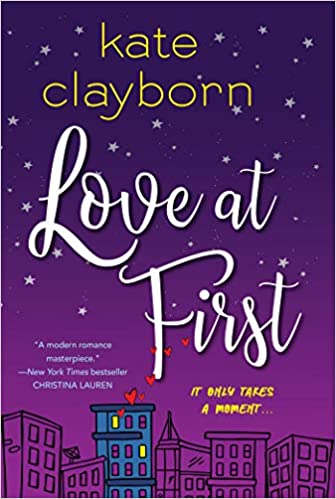 I was really excited for the release of Love At First because I am a big fan of Clayborn’s previous novels: they are in the relatively small cluster of romance novels that I have appreciated more the more often I reread them (which in this case has been quite frequently), because she packs a lot into them. That complexity, which can make them seem a bit cluttered at first, turns out (for me at least) to give them more layers and more interest than I often find in recent examples of the genre, which are either too thin and formulaic to sustain my interest or try too obviously to check off too many boxes, making them read like they were designed by focus groups, rather than emerging in any way organically. I really enjoy the intense specificity of her characters and their lives, including their work, which she pays a lot of attention to (yay, neepery). I feel a bit deflated by Love At First, because it seemed – while both very sweet and very competently written and structured – a lot less interesting and a lot less intense than the others. For the first time reading Clayborn, I felt I was reading something almost generic: the story goes through the motions rather than jumping off the page. I’ll reread it eventually: maybe I will find more in it then. I did like it! But I had hoped to really love it, and I didn’t–at least not at first. 🙂
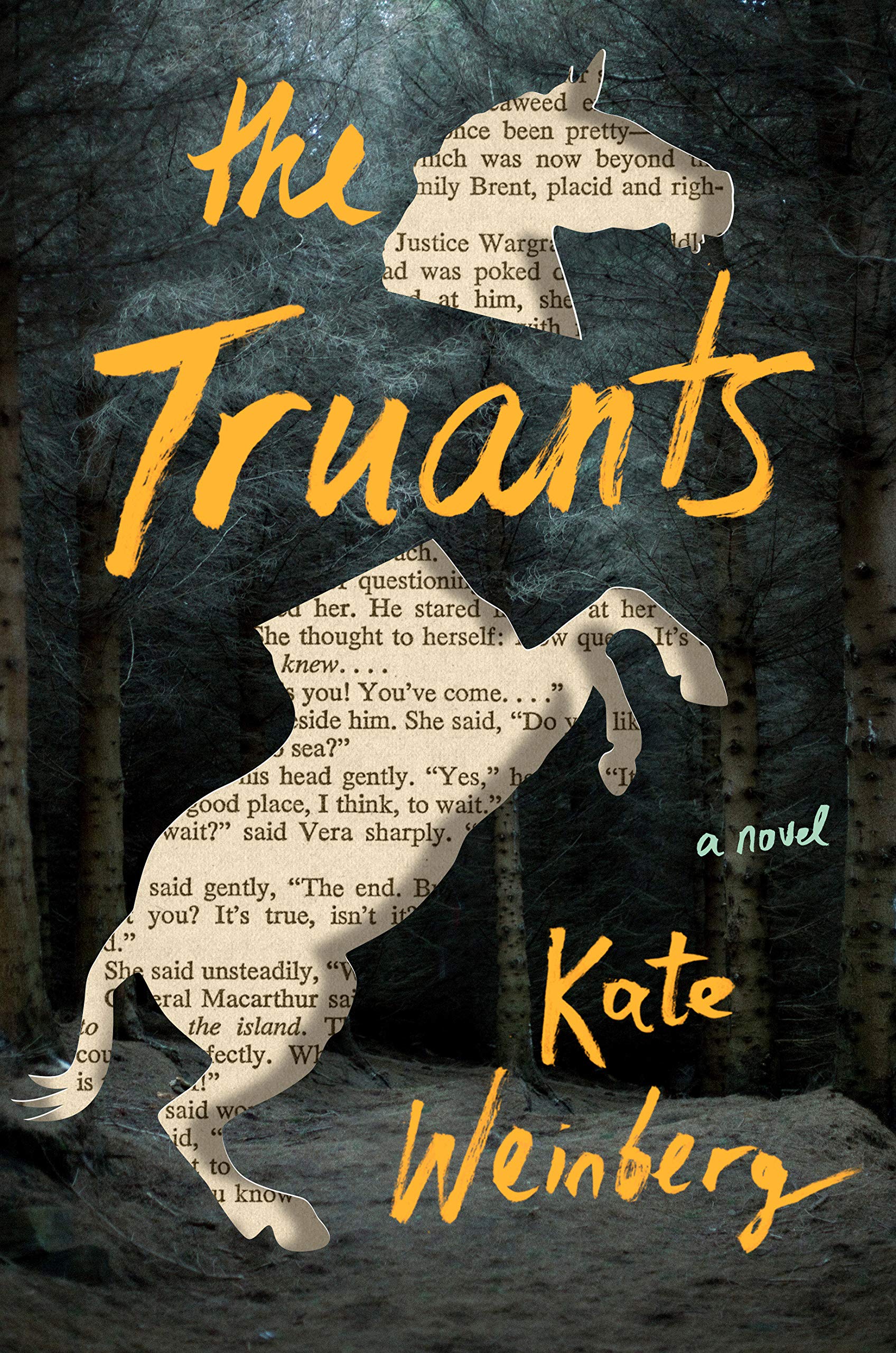 And speaking of books I don’t love, I have stalled half way through Kate Weinberg’s The Truants. It showed up on my radar around the same time I was looking into The Body Lies and they seemed so well paired that I ordered them both at the same time. Now I wonder what got into me: I started, hated, and quickly abandoned Donna Tartt’s The Secret History and everything about The Truants (including many of the blurbs!) signals that it is in the same vein. There’s nothing wrong with it qua book; it seems deft and clever and (like The Body Lies, but in a different way) it is also aiming at something metafictional through its engagement with Agatha Christie and ideas about how crime fiction works. But I can’t stand academic stories that turn on cults of personality around professors, which are creepy and and antithetical to everything I believe about teaching, not to mention about student-teacher relationships (hello, Dead Poets Society, which once upon a time I found enthralling but now consider kind of appalling). Also, while I try not to hold academic settings up to reductive standards of realism — and I’m also aware that I don’t understand the British system being portrayed very well, so I can’t actually be sure if I’m right when my reaction is “but this isn’t what we do!” — it gets distracting when the scenarios seem too far off. I have not so far managed to get genuinely interested in any of the characters, which means I keep not picking the book up to read further, which in turn means I’m also not picking up anything else because I feel as if I should finish it first. That’s a foolish “should,” I know, though I am by habit and on principle someone who does mostly try to finish the books I start, in case they get better or I figure out how to read them, both things that have happened often enough to make me hesitant to toss things aside. I’m not going to toss this one aside, or at any rate I’m not going to put it in my malingering “donate” stack (how I wish the book sale was once again able to accept donations, as this stack is getting kind of large!). Instead, I’m going to put it back on my Mysteries shelf and try it again another time.
 I think I need to read something richer and more challenging to turn things around — and to do that I need to stop making excuses about distractions or poor concentration. Reading, including reading well, is a decision we can make, I honestly think, and it’s not just that I feel disappointed in myself when I’m not doing it; it’s also that my life overall feels worse without it. One of my favorite quotations is from Carol Shields’ wonderful novel Unless: “This is why I read novels: so I can escape my own unrelenting monologue.” My current unrelenting monologue (like most people’s these days, I expect) is not a particularly sustaining one: I need reading to give me other stories to think about. I need blogging for the same reason, I find: it is still the only writing I do that feels genuinely my own. This is not by way of making some kind of bold resolution about either reading or blogging, but it actually helps just putting into words why I hope I will be doing more of both.
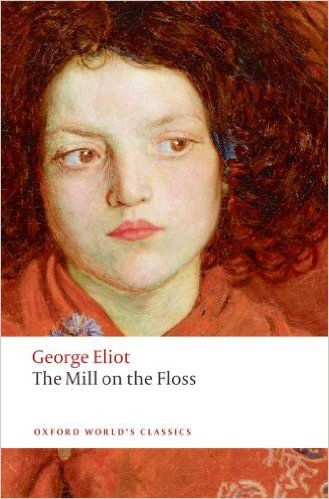 As my ‘Victorian Woman Question’ seminar makes its way through The Mill on the Floss, I am very much missing the opportunity to engage in face to face discussion with everyone. It’s a novel that provokes delight, frustration, sorrow, and thought in so many ways–that raises so many complications for us, thematically and formally: it feels more difficult to choose topics and shape conversations for our online version of the class for The Mill on the Floss than it has felt for some of the other novels I have taught this way in the last few months, including (perhaps surprisingly) Middlemarch. But of course the novel itself is as wonderful as usual, and our readings for this past week included one of my favorite incidents: Mrs. Tulliver’s poignant attempt to hang on to her “chany.” It moved me even more this time: as the one-year anniversary of our COVID-inflicted isolation approaches, the things that connect us to each other and to our histories seem to me to be carrying more and more emotional weight. Here’s a post I wrote about Mrs. Tulliver’s “teraphim” almost a decade ago.
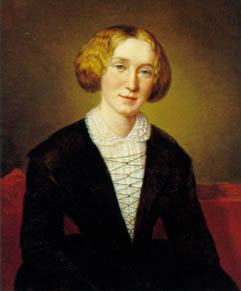 One of the many things that make reading George Eliot at once so challenging and so satisfying is her resistance to simplicity–especially moral simplicity. It’s difficult to sit in judgment on her characters. For one thing, she’s usually not just one but two or three steps ahead: she’s seen and analyzed their flaws with emphatic clarity, but she’s also put them in context, explaining their histories and causes and effects and pointing out to us that we aren’t really that different ourselves. Often the characters themselves are in conflict over their failings (think Bulstrode), and when they’re not, at least they can be shaken out of them temporarily, swept into the stream of the novel’s moral current (think Rosamond, or in a different way, Hetty). But these are the more grandiose examples, the ones we know we have to struggle to understand and embrace with our moral theories. Her novels also feature pettier and often more comically imperfect characters who are more ineffectual than damaging, or whose flaws turn out, under the right circumstances, to be strengths. In The Mill on the Floss, Mrs Glegg is a good example of someone who comes through in the end, the staunch family pride that makes her annoyingly funny early on ultimately putting her on the right side in the conflict that tears the novel apart.
 Then there’s her sister Bessy, Mrs Tulliver, who is easy to dismiss as foolish and weak, but to whom I have become increasingly sympathetic over the years. Mrs Tulliver is foolish and weak, but in her own way she cleaves to the same values as the novel overall: family and memory, the “twining” of our affections “round those old inferior things.” In class tomorrow we are moving through Books III and IV, in which the Tulliver family fortunes collapse, along with Mr Tulliver himself, and the relatives gather to see what’s to be done. The way the prosperous sisters patronize poor Bessy is as devastatingly revealing about them as it is crushing to her hopes that they’ll pitch in to keep some of her household goods from being put up to auction:
 Early in these scenes Maggie finds that her mother’s “reproaches against her father…neutralized all her pity for griefs about table-cloths and china”; the aunts and uncles are pitiless in their indifference to Bessy’s misplaced priorities. I used to find her pathetic clinging to these domestic trifles in the face of much graver difficulties just more evidence that she belonged to the “narrow, ugly, grovelling existence, which even calamity does not elevate”–the environment that surrounds Tom and Maggie, but especially Maggie, with “oppressive narrowness,” with eventually catastrophic results. She also seemed a specimen of the kind of shallow-minded, materialistic woman George Eliot’s heroines aspire not to be. But she’s not really materialistic and shallow. She doesn’t want the teapot because it’s silver: she wants it because it’s tangible evidence of her ties to her past, of the choices and commitments and loves and hopes that have made up her life and identity. She’s not really mourning the loss of her “chany” and table linens; she’s mourning her severance from her history.
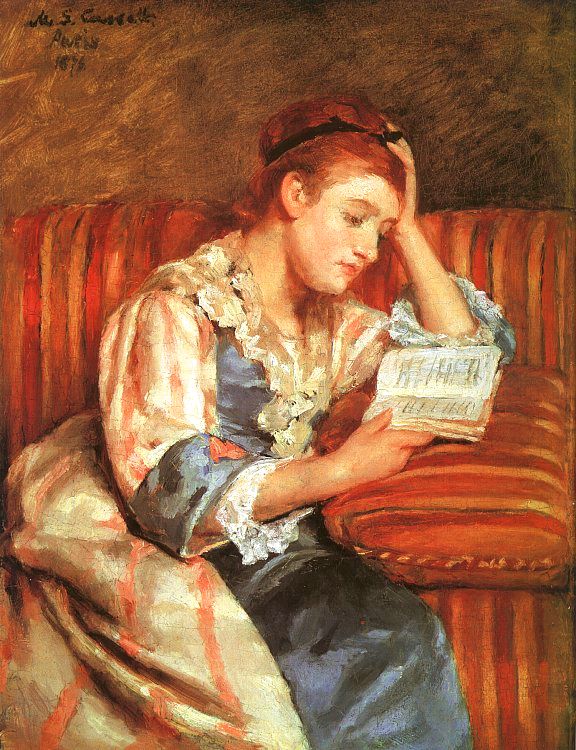
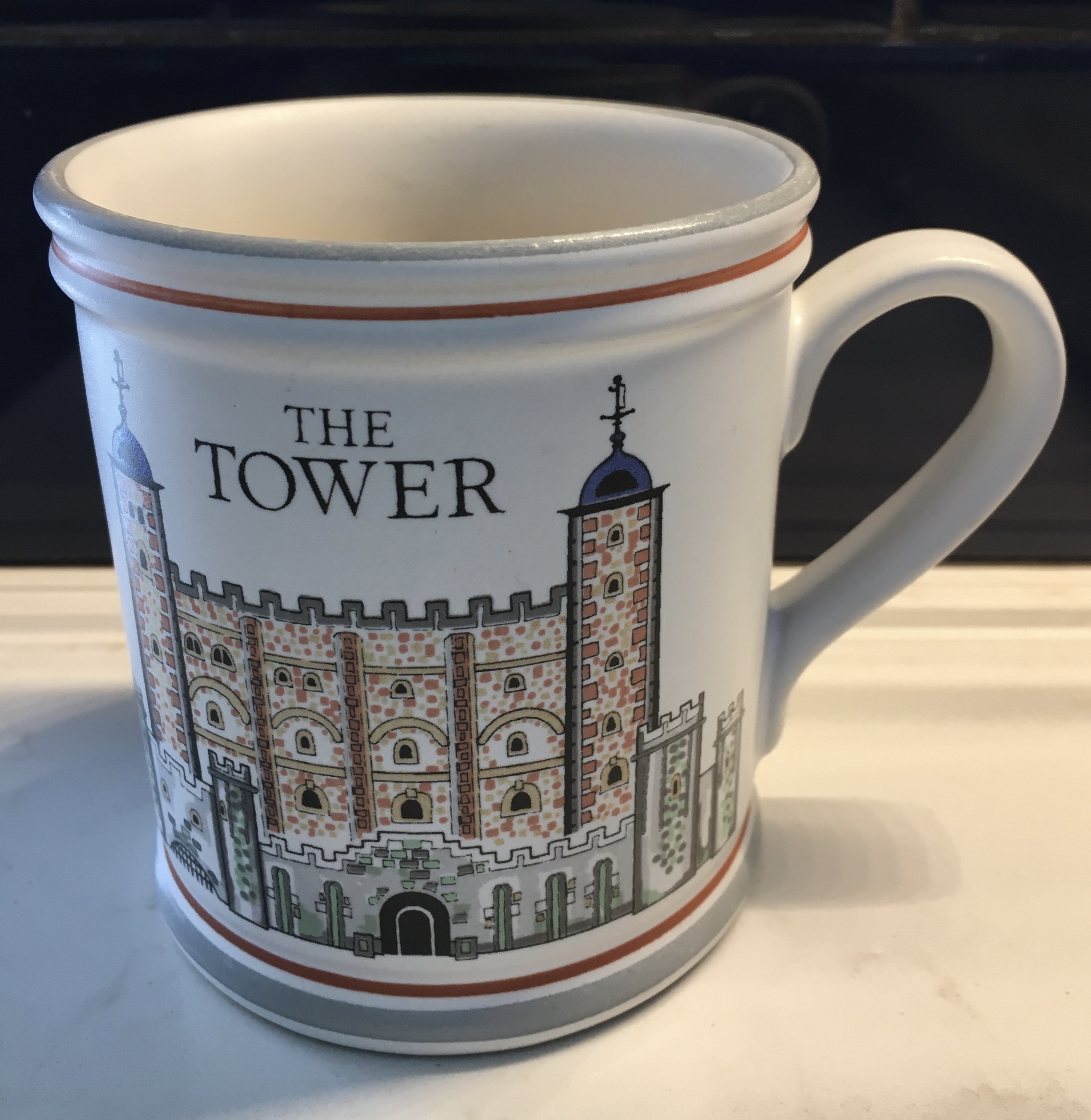 I think I understand her better than I used to, and feel more tolerant of her bewildered grief, because I have “teraphim,” or “household gods,” of my own, things that I would grieve the loss of quite out of proportion to their actual value. They are things that tie me, too, to my history, as well as to memories of people in my life. I have a teapot, for instance, that was my grandmother’s; every time I use it, or the small array of cups and saucers and plates that remain from the same set (my grandmother was hard on her dishes!) I think of her and feel more like my old self. I have a pair of Denby mugs that were gifts from my parents many years ago, tributes to my childhood fascination with English history: one has Hampton Court on it, the other, the Tower–these, too, have become talismanic, having survived multiple moves. If I dropped one, I’d be devastated, and not just because as far as we’ve ever been able to find out, they would be impossible to replace. “Very commonplace, even ugly, that furniture of our early home might look if it were put up to auction,” remarks the narrator with typical prescience, shortly before financial calamity hits the Tullivers, but there’s no special merit in “striving after something better and better” at the expense of “the loves and sanctities of our life,” with their “deep immovable roots in memory.” Sometimes a teapot is not just a teapot.
 We thought that absence of solace or redemption had to be deliberate: that Morante had to be setting us up to see how wrong Arturo is, and to infer explanations and justifications (perhaps) for his wrongness, without ever letting us escape from it. Assuming the goal was immersion, emotion, and discomfort (with a significant tincture of pity, because Arturo really has a pretty deprived and distorted life) it’s a novel that is very good by the Lewes Standard (matching means to ends, a measure of greatness I derive from GHL’s assertion that Austen was “the greatest artist that has ever written, using the term to signify the most perfect mastery over the means to her end”). There are some other good things about the novel, too. The descriptions of the island are full of vivid details, and you really get a strong sense of Arturo’s strange life there, running wild and shaping his own strange identity from his father’s books. It’s also (and again, we thought maybe this was purposeful) a powerful antidote to sentimental or picturesque notions of Italy: it makes sense to me that the novel as Elena Ferrante’s endorsement, as her novels too (IMHO etc.) are ugly and unsentimental and driven by raw emotion–and, as Arturo’s Island is (at least implicitly), highly critica of certain strains of macho Italian masculinity. No flowery Tuscan hills here; no operatic gorgeousness; no above all, no love.
 I miss writing my regular updates about what we’re doing in my classes. Given that I am still teaching, and covering much the same material as usual, I have been puzzling over why it nonetheless feels nearly impossible to talk about it right now–not the process or the logistics of it, which I have written about several times now, but the substance of it. So much is the same, even though we’re online, after all: as I’ve pointed out more than once to my students, we always read the books outside of the classroom, and we always did at least some of our work on them in writing, including sometimes reading journals or discussion boards much like what I’ve asked them to do for the online versions. Why is it that without the actual classroom time, I can’t figure out what to say about the weekly experience of my classes?
 In contrast, our online class discussions, even though we cover the same kinds of topics, are diffuse. Lots of good replies get posted to questions; lots of good comments get made on passages. But these things happen really sporadically, on the students’ own schedules. The earlier someone posts, the more likely another student will specifically reply and so the more conversation-like it feels, but (especially since this term I have relaxed my earlier attempts to micromanage this process) it’s haphazard and unpredictable, and you can never be sure if the original poster will look at the replies or that other students, writing in other threads, will check in to see what is unfolding elsewhere. As a result, there is no common ‘discussion’ for me to write about here: I can’t say “today we focused on X” or “after today’s discussion I realized that the thing I really need to bring up is Y.” Even for me–and of course I’m trying diligently to be as attentive as I can across every thread–it is hard to gather up the various pieces into a story about what, collectively, has gone on. One of my original plans for my own role in online discussions was exactly that: I was going to mostly hover, during the week, and then post something synthesizing the main lines and insights and gaps. It proved much harder than I thought it would, though, and in the spirit of giving myself a break too, I stopped trying.
 The other thing that muddles me up about reporting on ‘this week’ is that most weeks I am actually focused on next week in my classes, as I need to get the lectures composed and recorded, the discussion prompts up (when they are my job), the quizzes made up and created in the tedious quiz tool with its endless drop-down menus — everything needs to be ready to go ahead of time, so that when the module begins they actually can do it at their own pace, as the asynchronous model promises. Again, this is very different from a regular term, in which preparations for lectures, assessments, and activities are often done close to (sometimes too close to!) the specific hour in which I’m going to use them. This lets me shape them to our current discussions, and it keeps me mentally right in the moment. Today, though, as an example of what’s different, for Mystery and Detective Fiction I will be creating a lecture about “Chasing Meaning in The Maltese Falcon,” while my students work through materials on The Murder of Roger Ackroyd – which I completed almost two weeks ago. (Notice I say “for” this class, not “in” this class, and that’s the key to the difference!) For The Victorian ‘Woman Question’ I just made my slides for next week, our last week on The Tenant of Wildfell Hall, and I already made my slides introducing The Mill on the Floss for the week after that. My mind is all over the place, not here, now, in this week.
 I will spend two hours this week with my students, if not in my classes: Thursday mornings I meet for an online but real-time discussion with the students who are taking The Victorian ‘Woman Question’ cross-listed as a graduate seminar, talking about the novel and also about some secondary readings. Then Thursday afternoon I’m having a drop-in office hour, which I’m pitching as a chance to ask questions about the courses or just to come and hang out for a while. I floated the idea of having some actual real-time class discussion, but scheduling presented a lot of obstacles and students’ reluctance to be recorded (so as not to disadvantage those who couldn’t attend) also proved, understandably, another disincentive. So we won’t dig into questions about our reading except, perhaps, incidentally, but at least we can see each other’s faces and infuse a little shared time into the otherwise radically dispersed experience of this online semester–hopefully, possibly, maybe our last one. Also, maybe, hopefully, possibly, we’ll get nice enough weather in April, before this term is over, that we can try holding that drop-in office hour somewhere outside, near enough to see each other’s faces if still distant enough not to put each other at risk.
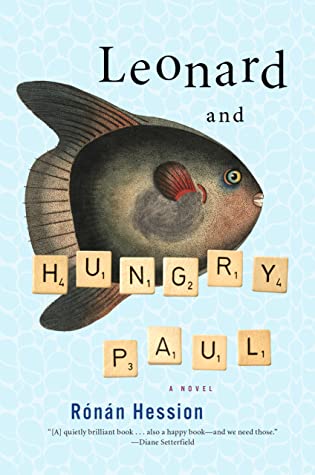 I’m doing pretty well working my way through my Christmas book stack.
 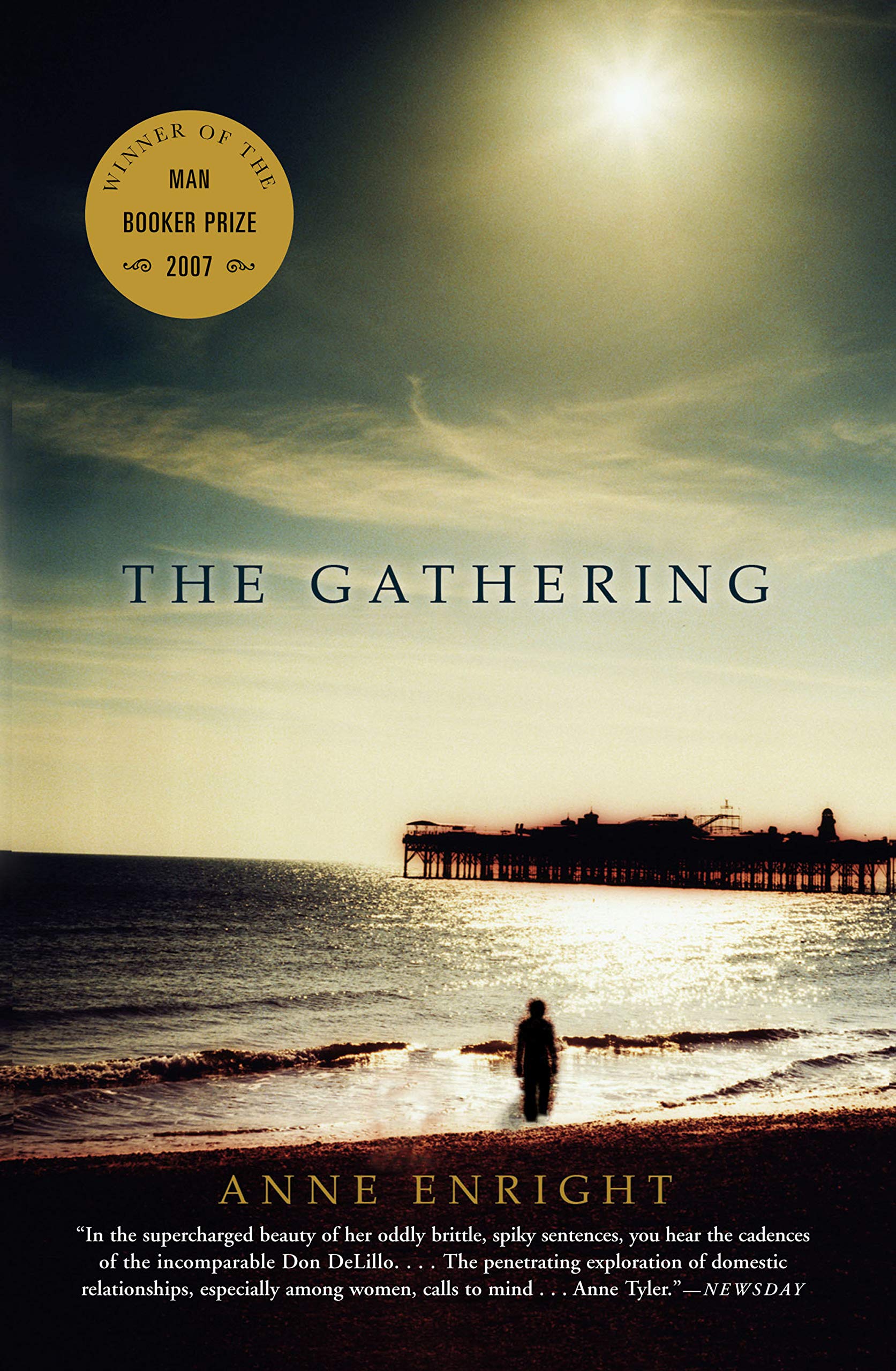 The Gathering is also a very good novel–probably an excellent one. I feel much less inclined to urge you to read it if you haven’t already, though, because it is also a fairly lugubrious one. It is a family story of a particular kind: I want to say, of a particularly Irish kind, which may or may not be fair. Insofar as it has a plot, it is organized around the gathering (of course) of the remaining members of a large family (and assorted spouses and children) after the suicide of their brother Liam. It is narrated by his sister Veronica, and around this present gathering she weaves together a sad tapestry of memories and questions, at first mostly about her grandmother Ada and about Liam–who has never really been ‘right’ since they were first sent as children to stay with Ada-and eventually about what might be painful secrets in Veronica’s own past. If you suspect that the story’s original sin is sexual abuse, you are right, and how awful is it that this revelation not only does not come as a surprise in the novel but felt like a cliché? Enright’s treatment of it is not clichéd, or prurient, or sensational: it is sad and angry, and short on redemptive promises. She writes beautifully, and says a lot of things that will linger with me, like this bit, from early on before we know for sure why Veronica’s outlook is so shadowed: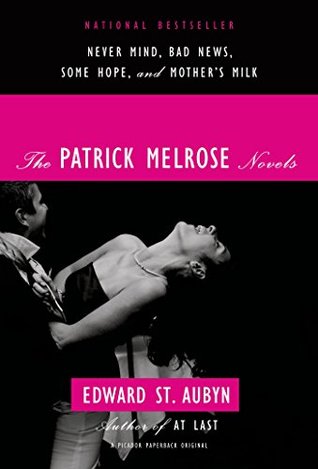
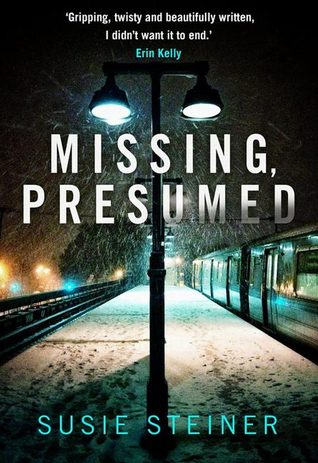 My other recent reading (besides reading for my classes, of course) has been two pretty good mysteries. One was the first in Susie Steiner’s Manon Bradshaw series, Missing, Presumed, which I read out of order because when I first looked, only her most recent was locally available. The one I read then was good enough that I put this on my wish list, and I actually thought it was better in some ways–though that might because I already knew a bit about Manon. It was especially interesting to see how the family situation she’s in, in the later book, comes into being in this one. The other is the second of Dervla McTiernan’s series about Cormac Reilly (Ireland again!), The Scholar. This was very well done but–and this is very rare for me, suggesting I’m either a lazy or an inept reader of detective stories!–I more or less figured out the crime pretty early on. It didn’t matter that much to my enjoyment of the book, as I read crime fiction more for character and atmosphere than for the mystery itself.
 He apologizes if the buffoons have been heavy-handed, but I must realize that to them I am not a girl, I am not even a person, I am the portent of death, I am a decoy, sent to create a distraction before an attack.
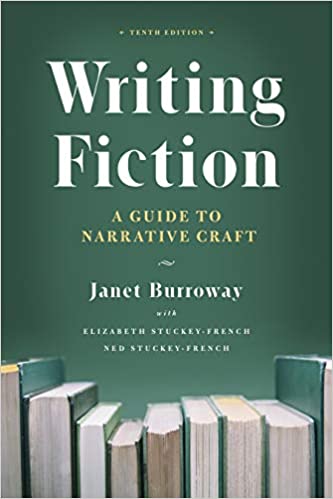
 With that in mind, I asked the Twitter ‘hivemind’ for examples of what people consider the best books for or about teaching creative writing. I got a lot of suggestions: Charles Baxter’s Burning Down the House; Nancy Kress’s Beginnings, Middles, and Ends; Sarah Painter’s Stop Worrying, Start Writing; Robert Boswell’s The Half-Known World; Graywolf Press’s The Art Of series; Tin House’s Between the Covers podcast; Ursula LeGuin’s Steering the Craft, Janet Burroway’s Writing Fiction.* One that got a few strong endorsements was Margot Livesey’s The Hidden Machinery. It sounded appealing, so it’s the one I decided to read first (and, I now think, maybe last).
 The Hidden Machinery is a perfectly fine book about how some really good novels are written. It is mostly close reading. There are zero revelations in it for anyone who has read, say A Passage to India or Persuasion or Madame Bovary attentively with an eye to things like point of view or narrative form or metaphorical patterns or character development. Livesey does a good job walking us through her examples; she is an observant and insightful reader. In her discussion about her own fiction, she explains clearly what she thinks she learned, where she thinks she succeeded or failed, as a result, at least in part, of the attention she learned to pay to other writers. These sections are interesting, but they are not really transferable “lessons”, because each of her novels (like every novel) is unique. There is absolutely no specific advice about how to be as good as her exemplary writers are–and how could there be? There is, near the end, a list of “rules” (derived, a bit unexpectedly for a novelist, from her study of Shakespeare) and it is as useful and as useless as every such list I’ve ever seen: “don’t keep back the good stuff”; “negotiate your own standard of plausibility”; “don’t overexplain”; “write better sentences.” “Don’t overexplain” would probably rule out a novel like Byatt’s
  I was looking for something in Livesey’s book that would be an “aha” moment for me about creative writing as something that can be taught. There was such a moment, but it didn’t exactly confirm for me that what’s most important is classes or programs dedicated to the how-to side. Many, many times I have sat at the English Department’s table at the “academic program fair” held yearly to showcase and recruit students to our various majors and honours program. Year after year, since we started offering creative writing courses, the vast majority of student inquiries are about them, not about our “standard” literature courses. But in those literature courses we do exactly what Livesey does in The Hidden Machinery,** and if you do a majors or honours degree in our department you will perforce study examples across a range of periods and genres–not just the contemporary ones or the ones students already know they are interested in, but the ones they don’t know they are going to love, the literary “unknown unknowns.” Many, many times I have asked prospective creative writing students what other writers, what literary periods or forms, they are most interested in, and many, many times they have had no answer: they just “like to write.”
 I love that they like to write! But I have always thought (and sometimes said, as tactfully as I could) that to write well you really, really need to read widely. If Livesey’s typical at all–and in this respect I do think she is–that’s what creative writing teachers think too. I’m just still left wondering why an English degree isn’t, then, the right or even best way for these students to proceed, and why they don’t know that. The counter-argument probably turns as much on time, encouragement, and mentorship as on the belief that you can actually teach someone to write something worth reading or even, one day, something that is itself worth studying as an example. Those are definitely good things for aspiring writers to have, even if they are neither necessary nor sufficient factors for producing good, much less great, writers.
