 This post may be a contribution to the vast genre of “someone finally noticed something obvious to everyone else,” but it is about something that has been a bit of a quiet revelation to me, a small insight that on my good days (I do still have a few, in spite of it all) makes me feel not just better about what I’ve done so far but optimistic about what I might do next. So I thought it was worth saying something about here!
Recently we’ve been really enjoying the shows Landscape Artist of the Year and Portrait Artist of the Year (in Canada, they air on the ‘Makeful’ channel, which is also where you can watch the Great British Sewing Bee, in case that’s your jam). Like all ‘reality’ shows, they are a bit artificial and micro-managed, and the gamification of creativity can seem problematic: much more so than with, say, baking shows, where there’s something definitive about a “soggy bottom” or a collapsed soufflé, in these shows there’s something mysterious to us about the judging, as the judges often rate most highly the paintings we thought were clearly the worst. It’s thought-provoking, in that it raises a lot of questions about what we and they are looking for: clearly they are seeing things we aren’t, or valuing things we don’t.
 But the question of artistic merit (while one I am always interested in puzzling over) is not actually what’s on my mind these days. Instead, I’ve been thinking about how these shows celebrate the value of what I will call (for lack of a better word) idiosyncrasy, by which, in this context, I mean the value of finding the distinctive approach that is yours, or the specific thing you are good at and doing that thing, not some other thing. Given the identical task (paint this person, paint this scenery) the artists all do every single step differently: some sketch first in pencil, some slather background colors on their canvas; some work in meticulous grids, some block in big shapes; some use pastels, some watercolors or oils or acrylics. In the episode we watched last night, someone worked on scratchboard, which I’d never heard of before. The end results are also enormously various, ranging from photographic realism to much more abstract or conceptual versions of the assigned subject.
 Watching the artists just do their thing, which they are often asked to explain but never expected to excuse or justify, I realized how often in my own life I have felt inept or inadequate because I couldn’t do things in a certain way, or do certain kinds of things well, across a whole range of activities from the professional (writing and scholarship) to the personal (knitting or cooking or quilting, for example … or drawing). I have often felt sheepish about the variations I was reasonably good at, or enjoyed doing even if I wasn’t that good at them, as if they signaled my limitations, not my own special (if modest!) gifts. I struggled for a long time to make quilts in traditional pieced patterns, which I love the look of–but I have always found simple applique patterns more fun and gotten better results with them. I thought this meant I was not good at quilting. I struggled for a long time to learn to knit and have never really got the knack of it; once I figured out how to make granny squares, I quite enjoyed crochet. I thought this uneven result meant I was pretty mediocre at yarn crafts. One crochet pattern I have found particularly congenial, for whatever reason, is the so-called ‘virus shawl’; it didn’t occur to me to celebrate this as my niche rather than wonder why I couldn’t do other patterns as readily.
 Switching to professional examples, I found most of the critical approaches I was expected to engage with as a graduate student inaccessible, and none of the criticism I actually ended up finding meaningful and useful was ever assigned. I often interpreted this as evidence of my unfitness for academic scholarship, but what if it isn’t, but is just me finding my academic style? I seem to be pretty good at some kinds of essays – ones that think through a body of work, for example, like all of Dick Francis’s novels, or all of P. D. James’s – and not so good at, or at least not so eager to try, or able to pitch, other kinds. What if the pleasure I take in doing that kind of work is not a sign of weakness, but (and I think this is important) not a sign of strength either: what if I thought of it instead without those hierarchical judgments, just as a mark of my idiosyncrasy, of my individual intellectual style? What if the freedom and curiosity and occasional exhilaration I experience when I’m writing on my blog, for that matter, is also about finding my own way, using the tools that feel natural in my hands, making this site a self-portrait in words rather than a shelter from the uncongenial demands of “real” academic writing? What if feeling some comfort, pleasure, and ease in a particular kind of work means that it fits, and that’s a good thing?
 Perhaps this is just another way to explain what it is like to try to break out of certain academic habits of mind, and to recognize just how pervasive they are. Academia is an environment in which (for some good reasons, to be sure) we spend a lot of time trying to fit ourselves – and our students – to specific models, trying to conform to standards and practices, to produce certain kinds of outcomes and results, to attain certain styles of writing. We rarely have either the time or the courage for idiosyncrasy, and it isn’t likely to be rewarded. I’m not rejecting the whole idea of standards or rigor or expertise as foundational values. I’m sure it’s true that all of the artists on these shows have had to master a lot of fundamental skills: they can all draw anatomically correct figures, create likenesses, sketch landscape elements to scale. They have an enormous amount of technical know-how as well. But the whole point of being an artist is to go past that common ground into your own territory, which is where you really expand and define yourself. Maybe that is what’s different: a lot of academics spend a long time in that first phase, the “do it this way” phase, which fills us with lasting fear that we aren’t doing it right and so we get stuck there.
 As I said, maybe I’m just restating the obvious, and maybe what I’m really probing is more an individual neurosis and not a general condition (though I expect a lot of academics will recognize my description of the way we are trained to think and work). Still, when I started thinking about idiosyncrasy in this way it felt exciting and even a bit empowering. Imagine being free to be you and me in this way! I’m not 100% sure what that would even mean for me in practice, especially as a writer, but for now I’m going to just sit with the idea that it’s not just OK but actually desirable to do my own thing rather than feeling awkward or deficient because I can’t or don’t want to do some other thing.


 From Patrick Leigh Fermor’s A Time of Gifts:

 I’m having a hard time keeping track of what day it is, mostly because under the new work-from-home protocol–and the more general stay-at-home order–there’s not much difference between one day and the next. I’ve also stopped doing grocery shopping on Saturday mornings (which had been my routine for more than two decades): now I go mid-week, usually Wednesday, as early as I’m allowed in the store, which means I’m home by 9 a.m. and so, aside from the gradually receding adrenaline from the stress of the outing, it too then becomes a day like every other day.
 Afternoons are (more or less) for reading. I haven’t posted about any books since The Glass Hotel but that isn’t because I haven’t read any. In fact, I have read four (almost five) books since then, all by P. D. James, because I am rereading her complete works (or all of her mysteries, at any rate) in preparation for writing a piece for the TLS in honor of her centenary. I was really glad that the editors liked this idea: it’s a perfect project for this haphazard summer. I have a lot of ideas about James from having read (and taught) her for years, but I have not had a reason to put those ideas in good order before, and it has also been a long time since I read most of her back catalog. It’s very interesting reading through the books all at once and in order: you quickly notice recurring themes and habits, strengths and weaknesses, and also the way her scope and themes expand. I think (I hope!) that this is a kind of essay I’m reasonably good at, collating and synthesizing across a range of examples; this is also an approach that I think works well for crime series, which are interesting both in their individual parts and as enduring creations that are more than the sum of those parts, often (as in this case) through the story they tell about the central detective that unifies them. My previous essays on
  I do have some other books on the go or in the queue. I am about 100 pages into Andrew Miller’s The Crossing, which is the last of the random pile of library books I brought home shortly before the lockdown. It’s good so far in the way his other books were good: meticulous, quietly and a bit ominously atmospheric. I ordered Isabella Hammad’s The Parisian from Bookmark, and it looks very tempting; I pulled Patrick Leigh Fermor’s A Time of Gifts from the shelf because I’ve never read it and if there was ever a time to travel vicariously in excellent literary company, this is surely it. My book club “met” on Thursday to discuss
  We have certainly been watching a lot of TV: the new season of Better Call Saul, The End of the F***ing World, Little Fires Everywhere, The Stranger, Ozark … If we’d known what lay ahead, we might have rationed some of the other shows we watched over the winter–season 5 of Line of Duty, the latest season of Shetland–that we knew to be engrossing. It is a good time to be watching Parks and Recreation for the first time: its gentle, goodhearted humor is a tonic. Sadly, the channel that carried the Great British Sewing Bee and various other painting and craft shows has dropped suddenly from our cable package, just when such low-key distractions would be more welcome than ever, and a lot of the videos on the Youtube channel where I had found the Great Pottery Throwdown are now blocked, which I guess is legitimate but it’s still sad. It was March 8 that I wrote about how
  I’m not sure whether I’m surprised that it has already been three weeks since we began extreme social distancing here or surprised that it hasn’t been even longer — normalcy itself seems so distant now! It seems remote in both directions, too: hard as it is to think back on the relative simplicity of ordinary life before, it is even harder to look ahead because there is so much uncertainty about when and how those conditions will return. That’s as good an argument as any for trying to take this massive disruption one day at a time, which is certainly what I have been trying to do. My success varies, as does my ability to get through each day with anything like the (again, relative) equanimity and focus I used to have.


 Like everyone else in the world (and how odd for that not to be hyperbole, though our timelines have differed) I have spent the past week adjusting to the unprecedented risks and disruptions created by the spread of COVID-19. Friday March 13 began as a more or less ordinary day of classes: the cloud was looming on the horizon, reports were coming in of the first university closures in Canada, and we had been instructed to start making contingency plans in case Dalhousie followed suit. But my schedule that day was normal almost to the end: I had a meeting with our Associate Dean Academic to discuss my interest in trying contract grading in my first-year writing class; I taught the second of four planned classes on Three Guineas in the Brit Lit survey class and of four planned classes on Mary Barton in 19th-Century British Fiction. The only real break from routine was a brisk walk down to Spring Garden Road at lunch time to pick up a couple of items I thought it might be nice to have secured, just in case: Helene Tursten’s An Elderly Lady Is Up to No Good for my book club, which I knew had just come in at Bookmark, and a bottle of my favorite Body Shop shower gel (
 So I packed up and went home–but still, I realized later, without having quite focused on what was happening. For example, I brought home not just the books we were in the middle of but the books that are (were) next on the class schedule, because it still seemed plausible that we would be doing something like actually finishing the courses as originally planned. And I did not bring home a stack of books that it might just be nice to have copies of at home–any of my Victorian novels, for instance. I own around a dozen copies of Middlemarch, and right now every one of them is out of reach! We are still allowed into our building, and I’ve been thinking I should go get one, and maybe some Trollope. I can’t tell if this really makes much sense, though. I mean, it’s not like I don’t have a lot of books to read right here with me, and I also have e-books of a lot of 19th-century novels because when I bought my first Sony e-reader, years ago, part of the deal was a big stack of free classics to go with it. So what if I don’t like reading long books electronically: I could get used to it. It would be a pretty low-risk outing, given that the campus is basically a ghost town at this point, but I think it’s really psychological reassurance I would be seeking, not reading material, and what are the odds that seeing familiar places I can’t really go back to for who knows how long would actually be comforting?
 Anyway, it quickly became clear that the right strategy (and, to their credit, the one our administrators have been urging) is not to try to replicate electronically all of our plans for the last few weeks of term, including the final exam period, but to smooth students’ paths to completion as best we can: dropping readings and assignments and giving them options including taking the grade they have earned so far but still also allowing another chance to do better in as painless a way as we can think of. I think the options I came up with for my classes are pretty good, in these respects, but it may be that they don’t go far enough, because this is all turning out to be so much harder than it sounded a week ago–and of course however we might (or might not!) be managing, our students have their own specific circumstances which may make even the most “reasonable” alternatives too much. I have been feeling a lot of regret about the books we won’t get to, especially The Remains of the Day, which I was increasingly excited about as the capstone text for the survey class–what a good book to read right after Three Guineas! As for Three Guineas itself, I was so excited about teaching it for the first time. It’s definitely going back on my syllabus the next time it fits the brief. Sigh.
 One of the most emotionally painful parts of all of this has been the abrupt severance of personal relationships, which is what teaching is really all about. I have put course materials together to get us to the end of our current texts, but it is much less rewarding scripting them than it is taking my ideas and questions in to meet them with and seeing what comes of our encounter. Sure, it doesn’t always go swimmingly, but that just means you try again, or try something different. I know there are ways to include more personal and “synchronous” interaction (as we’ve quickly learned to label it!) in online teaching, and of course as someone who spends a lot of time online I already believe that you can cultivate meaningful relationships without meeting face to face. There just isn’t time for that now, though, and also the demands those tools put on everyone to be available and attentive at the same time are all wrong for our immediate circumstances. It isn’t just about finding ways to get through the course material together either: there are students I have been working with for years who it turns out I saw in person for maybe the last time that Friday without even knowing it. I have been thinking about them, and about all of my students, so much since that hectic departure from campus and hoping they know how much I have valued our time together and how much I already miss them!
 And now, I guess, it’s time to settle in to what people keep euphemistically calling “the new normal.” Here in Halifax we are under strong directions for social distancing; I’ve heard rumors that something more rigorous might be coming, in the hope of really flattening that infamous curve. There are lots of wry jokes and memes about readers or introverts or others whose habits and preferences mean they have been “preparing for this moment our whole lives.” We live a pretty quiet life ourselves, so to some extent this is true of us as well (though not of Maddie, who like many young people is going to be very well served by the various ways she and her friends can stay in touch virtually). It’s pretty different having to stay home, though, and also worrying whenever you go out, even if it’s only for essentials. It’s also not spring yet here–I envy my family in Vancouver the softening weather that makes walks and parks and gardens good options. I am grateful, though, that we are comfortable and together and, so far, healthy. I am also glad I did pick up An Elderly Lady Is Up to No Good, because I finished reading it this morning and it is a nice bit of twisted fun…about which more soon, I hope!
 Lately I have found myself both gripped and soothed by a particular genre of television, and happily for me there turns out to be a lot of it–in fact, since I brought it up on Twitter I’ve learned of many more options, which means that even at my current rate of consumption I won’t run out for months. The shows I’ve been binge-watching (as much as I can binge-watch anything in this busy time of term!) are all examples of what you might call ‘gamified creativity’: shows in which dedicated amateur practitioners of some art or craft compete through a series of challenges in the hopes of being recognized as the best of the bunch.
 The well-known Great British Baking Show is one such show; over the past few years I’ve greatly enjoyed both the original series and the Canadian version. I didn’t initially think about it as showcasing creativity because in some ways baking is such a practical and also such a non-negotiable skill: the cake either rises or it doesn’t, the bottom of the pie is either soggy or it isn’t. Watching Blown Away, Next In Fashion, and some of The Great Pottery Throw Down, however, has clarified for me that a big part of the appeal of TGBBS always was the combination of that practicality with ingenious concepts and creative designs and decorations. That’s what these other shows highlight as well: it’s not enough to be able to sew a hem (or a whole jacket), or throw a pot–you also have to come up with a concept for the project and execute it in a way that (if all goes well) sparks both admiration and pleasure. “Fit for function” is an essential standard on the pottery show, but if all your teapot does is pour, it’s not going to
  I’ve been wondering what it is about these shows (which have been around for years, after all) that is so appealing to me right now. Certainly part of it is that they are not particularly demanding to watch, and also that overall they are quite cheering: the very idiosyncrasy of the participants combined with their shared passion for their craft is just so heartening, so humane, at a time when there seems to be so much anxiety and inhumanity going around. These shows also celebrate qualities that are often devalued in the wider world, including not just creativity but also beauty, originality, and mastery outside the domain of the relentlessly technical and utilitarian. Sure, there’s something artificial about the competitions themselves (must everything be turned into a game show?) but I actually find the judging process fascinating: speaking as someone who recoiled from Elizabeth Gilbert’s “all that matters is that you made anything at all” pitch in
 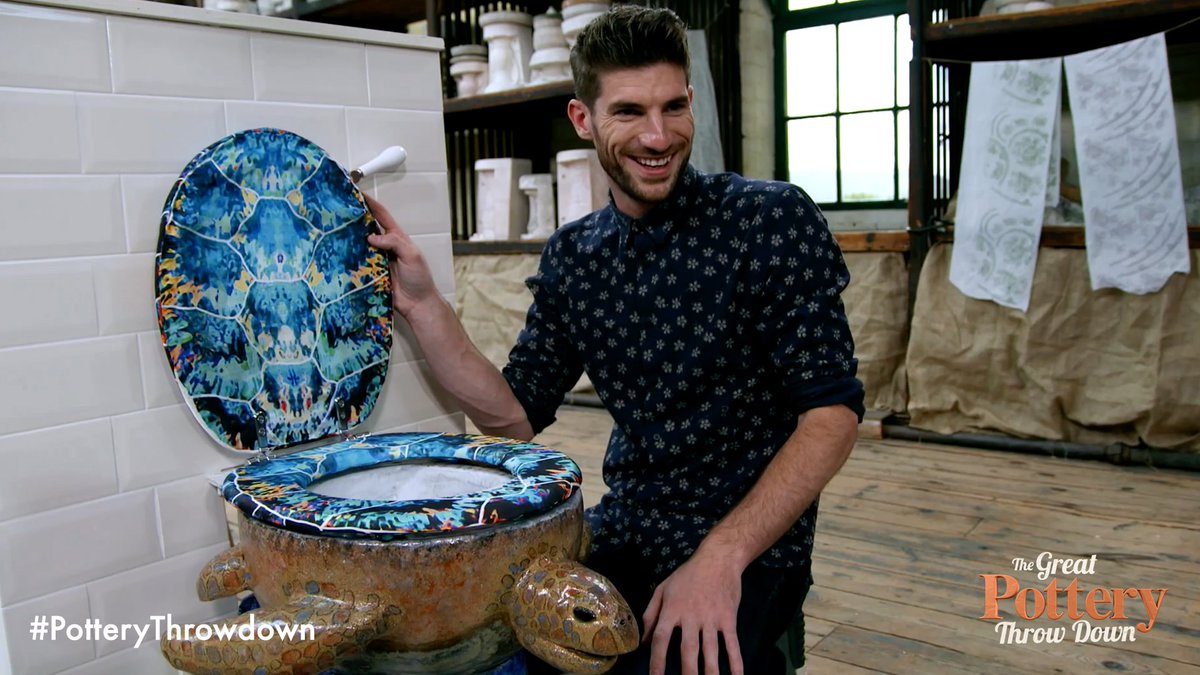 I think too that I am engaged by these shows because I have been feeling restless in my own work. What I feel, often, watching the participants demonstrate their plans and then do their best to carry them out, is envy. I think it must be wonderful to be able to do the things they can do–and also to be passionate about doing them, so much so that you never question why you are doing them and are happy to keep trying and trying and trying again to do them better. I especially envy the leap of imagination that takes them from “here’s the task” to “here’s my idea for that task”: bread that looks like a lion, a toilet that looks like a turtle. (That turtle toilet filled me with such irrational joy when it turned out so well! Who would ever think of such a thing? Who would ever make it? And yet isn’t it just delightful?) By comparison, my relationship with my own work is often much more uncertain, and the work itself–whether it’s teaching, grading, researching, or reviewing–doesn’t really feel creative, or at any rate it doesn’t really satisfy my vague desire to be creating something. That’s one reason I took
 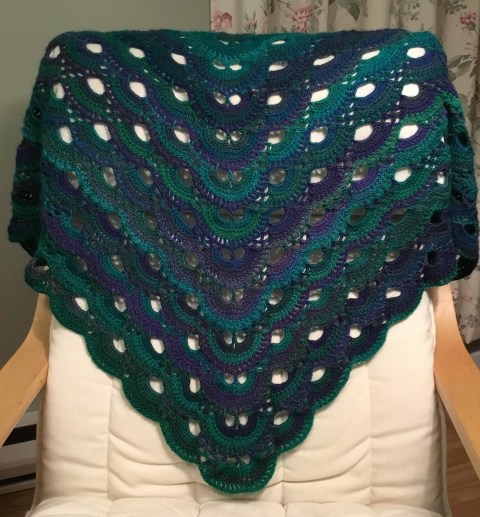 Is it because the building blocks of these particular processes are someone else’s stories that, for all the pleasures they really can offer, they don’t quite satisfy the craving for creativity in my own life, the underlying hunger for it that I am feeding with the vicarious experience of it offered through these shows? Perhaps. So what to do about that? I don’t particularly want to change up my approach to either criticism or teaching: I don’t much like criticism that crowds out its real subject (as I see it) with too much other stuff, and though I know my approach to teaching isn’t the only one (I have colleagues, for instance, who incorporate creative writing and other activities into their classes), it is one I believe in and feel comfortable with. I do have some hobbies–crochet and quilting–that give me the satisfaction of actually creating something, but it’s interesting that they are both (for me, anyway, at my limited skill level) pattern-following crafts; my self-expression in both is limited to choosing a pattern and choosing the materials. That’s not nothing, of course! (Also, crochet in particular is perfect to do while watching TV shows of other people making amazingly creative things. 😊)
 My
My  I thought it might help to write for some places that do run longer pieces, so I wrote a review “on spec” for one such venue but they didn’t want it–in the end it maybe wasn’t a great fit with the place I sent it, although the book I chose (
 This is why I keep returning to class prep! It’s so straightforward, and after all, it does have to get done. Maybe I should think of it this way: the better prepared I am for the term, the more likely it is that I can keep working on some kind of writing project even after classes start. My colleagues and I often talk about the way teaching expands to fill however much time you can (or are willing to) give it: this is something we advise TAs and junior colleagues to guard against. Good, detailed course planning is part of a strategy for achieving better balance between my various professional obligations; it’s not just a diversionary tactic when your other commitments are getting you down. Right? RIGHT?!
 The
The 
 That sense of reconnecting with my former self is part of what always makes time in London feel so special to me. After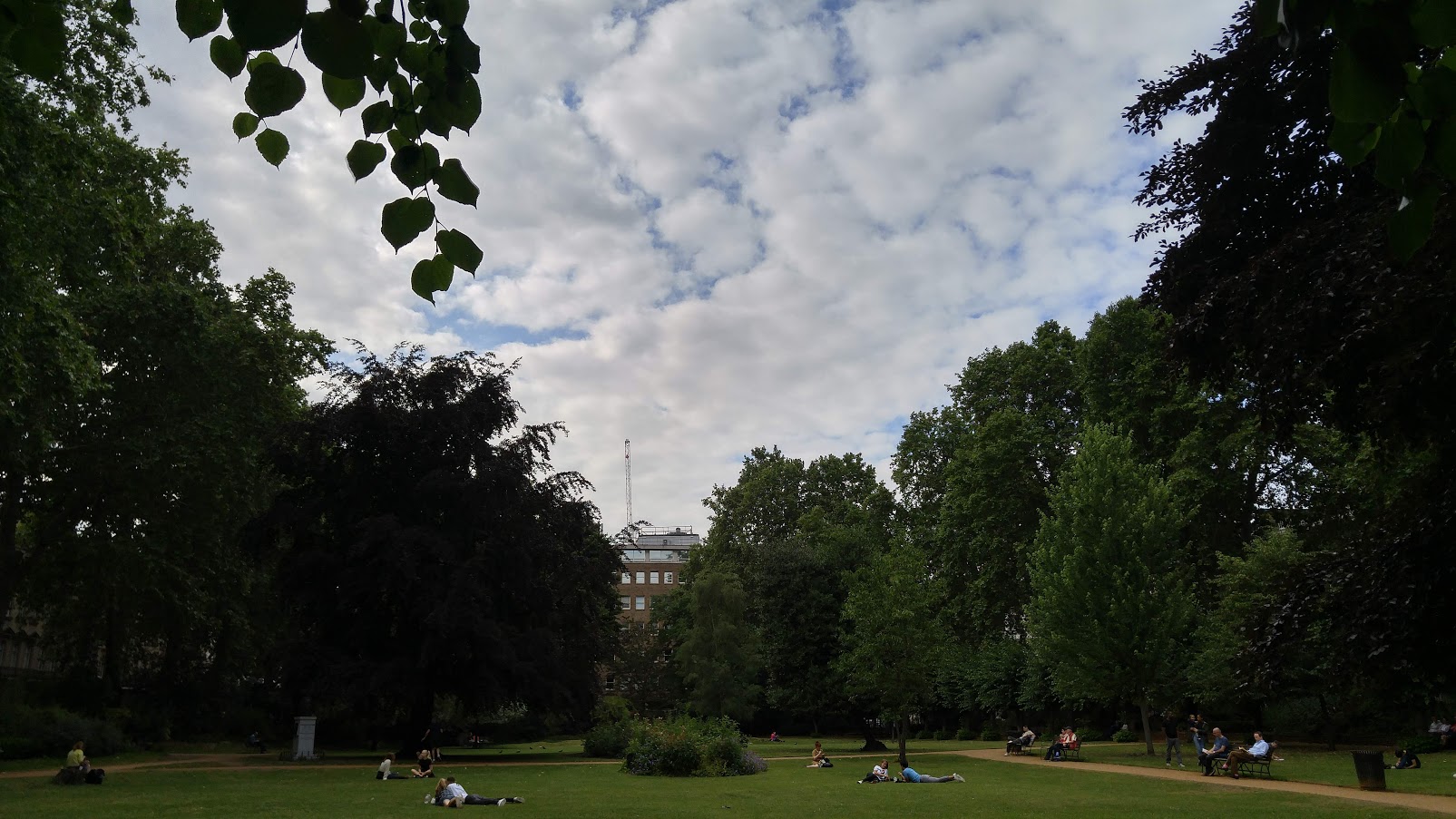


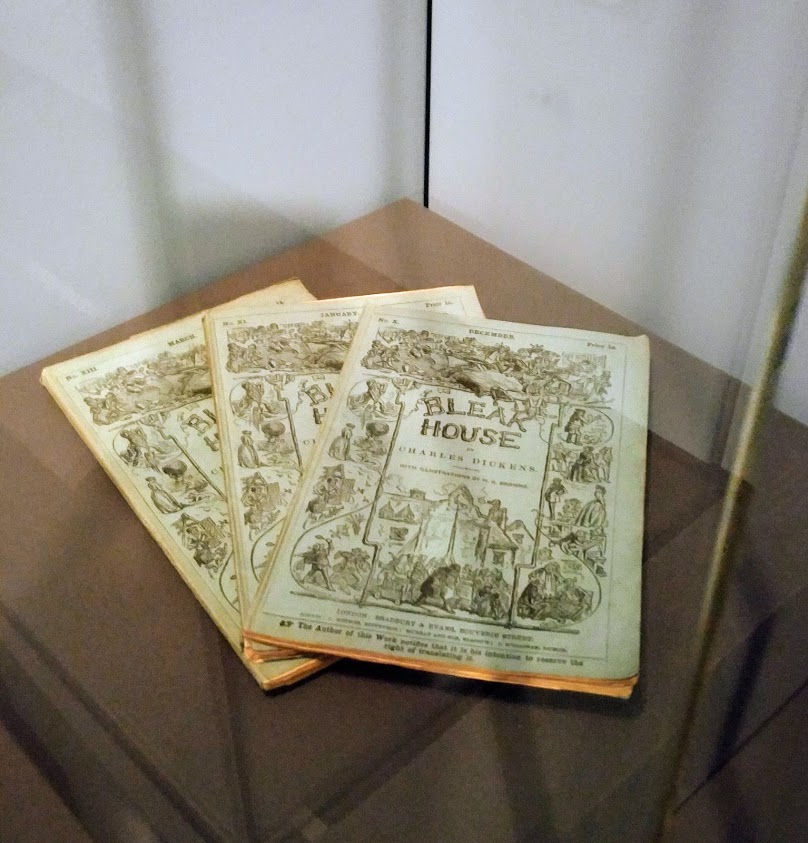

 But why? Not just why did seeing Arbury Hall move me so much but why was I so emotionally susceptible to seeing those bits of Bleak House or standing next to Dickens’s desk? I am used to feeling excited when I see things or visit places that are real parts of the historical stories I have known for so long, but I have not previously been startled into poignancy in quite the same way. Is it just age? I do seem, now that I’m into my fifties, to be more readily tearful, which is no doubt partly hormones but which I think is also because of the keen awareness of time passing that has come with other changes in my life, such as my children both graduating from high school and moving out of the house–an ongoing process at this point but still a significant transition for all of us. Also, as I approach twenty-five years of working at Dalhousie, and as so many of my senior colleagues retire and disappear from my day-to-day life, I have had to acknowledge that I am now “senior” here, and that my own next big professional milestone will also be retirement–it’s not imminent, but it’s certainly visible on the horizon.
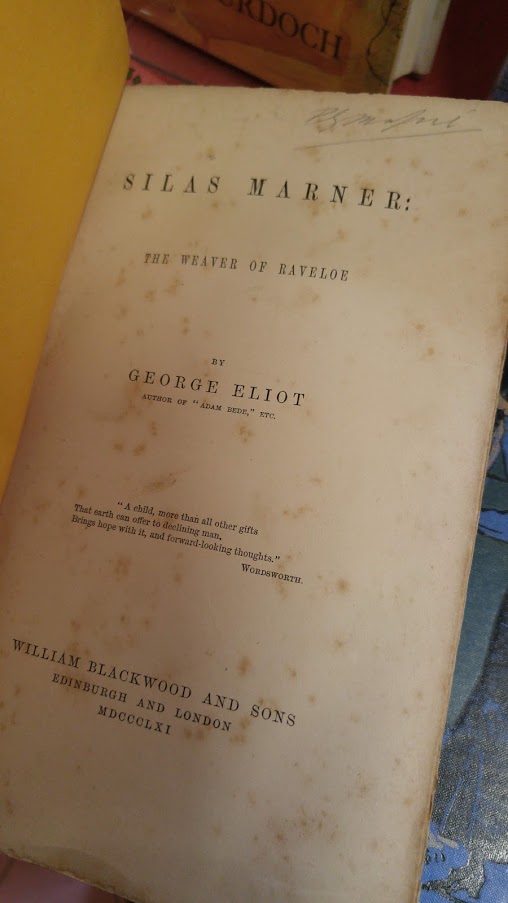 Perhaps it’s these contexts that gave greater resonance to seeing these tangible pieces of other people’s lives, especially people who have made such a mark on mine. Though I have usually considered writers’ biographies of secondary interest to their work, there was something powerful for me this time in being reminded that Dickens and Eliot were both very real people who had, and whose books had, a real physical presence in the world. People sometimes talk dismissively about fiction as if it is insubstantial, inessential, peripheral to to the “real world” (a term often deployed to mean utilitarian business of some kind). But words and ideas and books are very real things, and they make a very real difference in the world: they make us think and feel differently about it and thus act differently in it. Another of my London stops this time was at
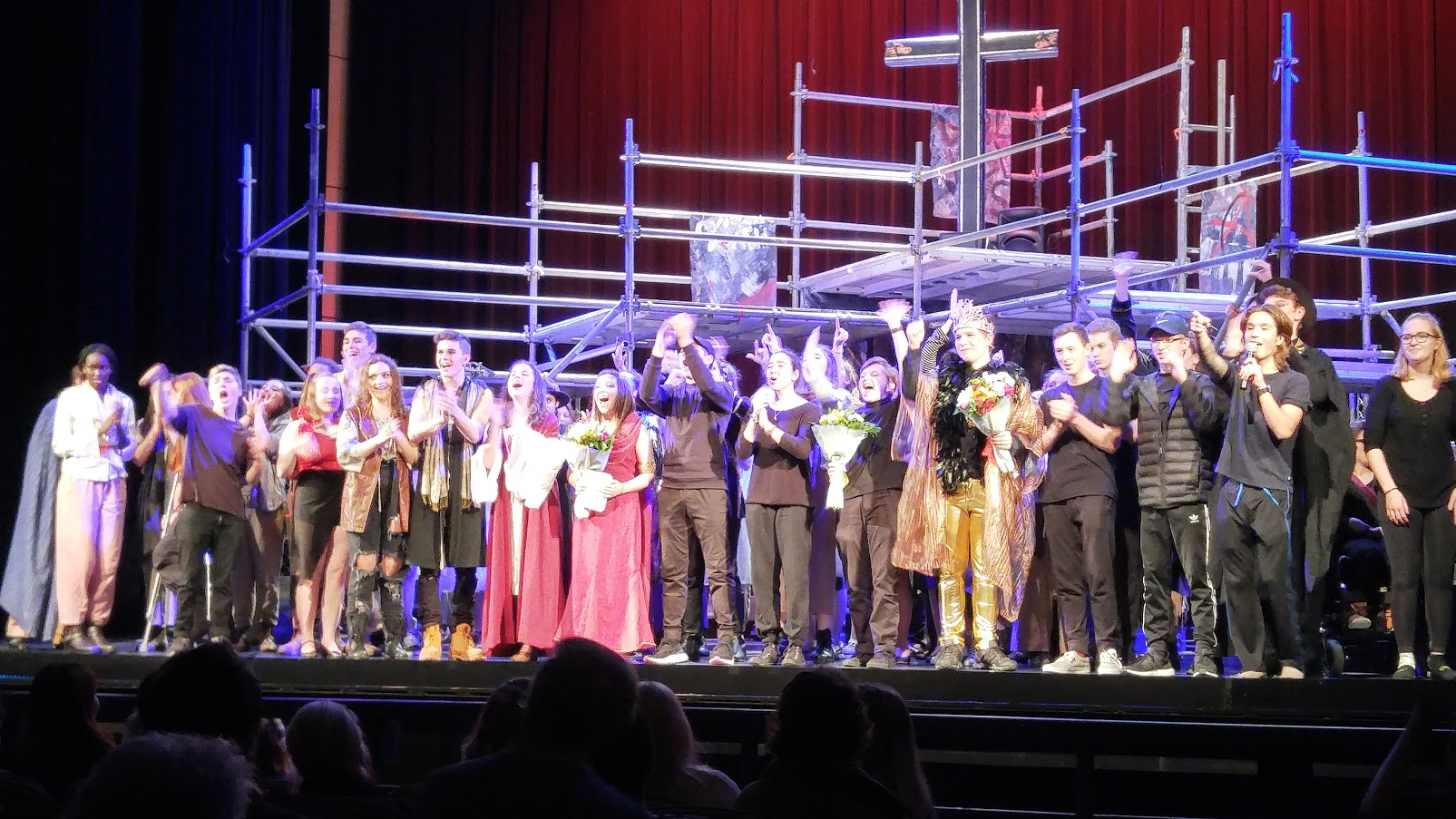
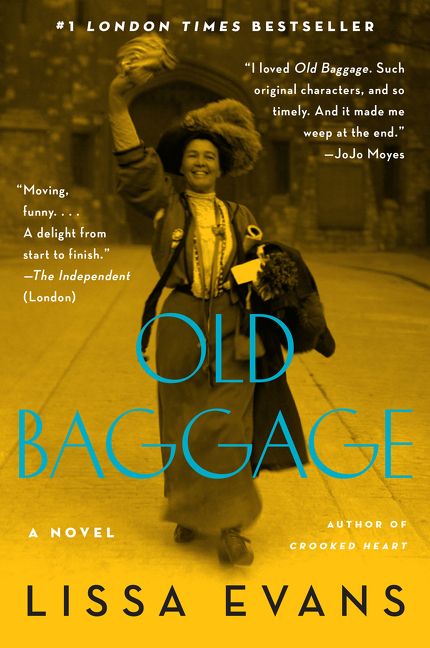 That’s all still in the future, though, and in the meantime Maddie has exams to get through and I have a bit more time on my sabbatical to make the best use of that I can. Now that everyone else is also done teaching, being on leave feels a bit less special, but I remind myself that May typically fills up with administrative commitments, so I can still enjoy not being part of that. I will write up a post soon reflecting on my sabbatical so far. Before too much longer, I may also actually finish reading a book, and then I can post about that too! I have three in progress: The Break, which I am rereading for my book club, Lissa Evans’s Old Baggage, which I am enjoying so far, and Lucy Parker’s The Austen Playbook which to be honest I am not really loving. I am not currently reading anything on assignment for a review: I’m not sure if that’s good or bad! (It does mean I’m available, if any editors are reading this…)
