 My previous post ended on a high note: a list of the benefits I believe came from my decision to try specifications grading. Most of these things are hard to be absolutely sure about, but that’s true of most questions about pedagogy, especially when your only sample is a single iteration of a course. Still, I have taught first-year writing classes almost every year since 1995, so I give some weight to my own impression that on balance, this change in strategy had some good results for them and for me. It wasn’t all good, though, and especially as I do intend to try specifications grading again, I am already thinking a lot about what needs to change in the second version of the course policies and requirements.
The first problem I need to fix is one that I tried very hard to prepare for and fend off, but (perhaps inevitably) without complete success: unfamiliarity. As far as I could tell, specifications grading was a brand new concept to everyone in the class, and though some students seemed to grasp its procedures and implications very quickly, others clearly struggled–some of them right to the very end of the term. There were clear indications that some students just did not understand the mechanics of it: they did not realize (or not until it was almost too late) that their final grade was going to depend, not on doing well on an individual essay or exam, but on how consistently they did or did not do satisfactory work across the entire term.
 I am confident that my explanations were clear and explicit and abundant–but the very care with which I laid out the assessment model probably backfired in some cases, as it meant there was a lot of information to take in. I tried (so hard!) to clarify and simplify, including having ‘quick reference’ tables that summed up exactly what each bundle required and what the standards were for a satisfactory assessment. I reiterated essential points in announcements and assignment instructions and in the FAQ discussion board … but I think the difference between what we were doing and what they were used to or assumed about grades and grading was just too much for some students to process. Specifications grading was an unknown unknown for them: for whatever combination of reasons (other challenges related to online learning or with information management, or the same kind of indifference or inattention to the syllabus that we always see some of, no matter what the mode of course delivery) some students not only didn’t realize it was not business as usual but they didn’t even think to check or ask. They were a minority of the class, and it was equally obvious that some students very swiftly grasped the system and made their plans and did their work accordingly. Still, next time I will be more aware of how hard the conceptual leap can be and work even harder to leave nobody behind.
 On a related note, by the end of the term it was clear to me that the specific set of requirements and bundles I had devised was much harder for many students to makes sense of and (even more important, perhaps) to keep track of than I’d expected. Again, I took a lot of measures to make it all legible and easy to follow, including my handy reference tables. I am still actually quite puzzled about why so many students completed such a random array of components, such that their final tallies were not consistent with any particular bundle. As the end of term approached I did an audit of what everyone had done to that point and there were a surprising number of cases in which, if I had not changed the bundle requirements, the students would not have been able to earn even a passing grade, because they had completed a high number of one kind of components but completely dropped the ball on others.
I did revise the requirements, mostly to reduce them, although I had some misgivings about doing so. The process of revision also helped me think about ways of totting things up that might actually work better: requiring an overall number of journal entries for the term rather than a consistent number per week, for example (although, without getting too much into the weeds of my plans and planning, one goal I had and don’t want to give up on is ensuring steady effort, not a crush of last-minute contributions). Perhaps my bundles just had too many moving parts: again, a significant number of students didn’t seem to have any problems, but confusion was widespread enough that one of my key take-aways is that I need to simplify things.
 (As an aside, though, one thing I did like about the bundles system with its many moving parts, however, is that it was possible to sort out particular cases where a student was far short of passing the course or just short of a better bundle by counting up the components the student was missing and devising a make-up plan. This felt much more constructive than any options we usually have for a student who has done poorly on a midterm or otherwise compromised their standing under a regular assessment scheme.)
Finally, and I’m not sure if this is a problem or it just feels like one, far more students than is typical ended up with A or A+ grades in the course. Clearly, knowing that they could earn an A if they just put in the work was highly motivating for a lot of students–and also stress-inducing, in some cases, because having set their sights on that goal, students could not let go of it, even if they were finding the work more difficult or time-consuming than they’d expected. Heading into the semester, I expected a lot of students to decide (eventually, if not immediately) against the MOST bundle, on the grounds that all they wanted was their writing requirement credit and their other courses were higher priorities. Over the years I have encountered that attitude a lot in first-year classes, often quite explicitly. Now I wonder if some of that hasn’t been the side-effect of students (especially those in STEM programs who do not think of themselves as “good” at English) simply writing off the course, especially if they get below an A on their first paper: resigning themselves to it or telling a story about it that makes it matter less. This time, told they could end up with an A if they just did X, Y, and Z, students who might not have bothered before decided to go for it…which is great! As I said in my last post, they did the work and that paid off.
 And yet I can’t shake a lingering concern that the number of A+ grades I filed tells me my standards were not high enough: my requirements, or the specifications, or (more likely) the enforcement of the specifications, was lax. It’s true we were not as fussy as we originally intended to be. This was partly about grading fatigue (we had to process a lot of discussion posts!) and also about the pressure we were constantly under (arguably rightly) to give students a break during a term that was already difficult for them. I did end up filing grades across the whole range of possibilities from F to A+: there were just significantly more As and A+s than I’m used to seeing. Should I–could I–have made A and A+ grades harder to get? My guess is that increasing the requirements for the largest bundle would not have deterred most of those who went for it on the terms I set, and why would I want to deter them anyway? I think my lingering unease comes from the same doubts my colleagues expressed about quantity vs. quality and what exactly we think letter grades are supposed to mean or signal. Specifications grading is designed to sideline judgments about “excellence,” but the habit of thinking in those subjective qualitative terms is deeply ingrained in most academics, even though we know perfectly well that grades, publications, grants, awards, and tenure-track jobs depend more on other factors (including luck and privilege) than on intrinsic and objective kinds of excellence.
Summing up my own “lessons learned” from my first attempt at specifications grading, then:
- you can’t explain too clearly or too often how the system works, and even then some students will not grasp the difference it needs to make to their work habits, so I need to anticipate problems and prepare interventions;
- relatedly, I need to make my bundles simpler and more flexible: they should (probably) have fewer moving parts overall, and I should have more flexible ways of adding them up;
- and I need come to terms with the potential for what will look like grade inflation–whether this means raising (or being stricter about) standards, putting the very top grade a bit further out of reach, or accepting (maybe even encouraging!) a larger than usual number of As and A+s.
If you’ve used specifications (or contract) grading, I’d love to know if these are concerns you too have had, and if so, how you have handled them. It’s especially hard to know how big a part the transition to online teaching and learning played in the successes and failures of specifications grading for me (and for my students) last term. It might have been exactly the wrong time to try it! I’m teaching the same course again next fall, and right now we don’t know if it will be in person or online. Whichever way it goes, I have lots of time between now and then to rethink, revise, and regroup.
 As if converting my courses to online versions wasn’t challenging enough, I also used specifications grading for the first time this fall, for my first-year class “Literature: How It Works.” This is an experiment I had been thinking a lot about before the pandemic struck: in fact, on March 13, the last day we were all on campus, I actually had a meeting with our Associate Dean to discuss how to make sure doing so wouldn’t conflict with any of the university’s or faculty’s policies. Though I did have some second thoughts after the “pivot” to online teaching, it seemed to me that many features of specifications grading were well suited to Brightspace-based delivery, so I decided to persist with the plan, and I spent a great deal of time and thought over the summer figuring out my version of it.
 I won’t go into every detail of the plan I finally came up with (though if anyone is really keen to see the extensive documentation, I’d be happy to share it by email). Basically, I made a list of the kinds of work I wanted students to do in service of the course’s multiple objectives: reading journals, discussion posts and replies, writing worksheets, quizzes, and essays. Then I worked out what seemed to me reasonable quantities of each component for bundles I called PASS, CORE, MORE, and MOST. These bundles corresponded to D, C, B, and A grades at the end of term; students’ grades on the final exam determined if they got a + or – added to their letter grade. I also (and in many ways this is the most important part of the whole system!) drew up the specifications for what would count as satisfactory work of each kind: completing a bundle didn’t mean just turning in enough components but turning in enough that met the specifications. Following the lead of others who have used this kind of system, I tried to make the specifications equivalent to something more like a typical B than a bare pass.
 On a related note, something else that I think was good (though it was a bit hard for me to tell without having a chance to talk it over with the class in person) was that the system gave students a fair amount of control over their final grade for the course. Instead of trying to meet some standard that–no matter how carefully you explain and model it–often seems obscure to students, especially in first-year (“what do you want?” is an ordinarily all-too-frequent question about their essay assignments) they could keep a tally of their satisfactory course components and know exactly what else they needed to do to complete a particular bundle and thus earn a particular grade. That didn’t mean it was an automatic process; again, to be rated satisfactory, the work had to meet the specifications I set. I tried to make the specifications concrete, though: they didn’t include any abstract qualitative standards (like “excellence” or “thoughtful”). The core standards were things like “on time,” “on topic,” “within the word limit,” and, most important, to my mind, “shows a good faith effort” to do the task at hand. I suppose that last one is open to interpretation, but I think it sends the right message to students trying to learn how to do something unfamiliar: if they actually try to do it, that counts. When my TA and I debated the occasional submission that had arguably missed the mark in some other way, we used “good faith effort” as the deciding factor for whether they earned the credit: we used it generously, rather than punitively.
 One other way I consider the experiment a success was that it seemed to me that the students’ quantity of work–their consistent effort over time–did ultimately lead to improvements in the quality of their work. The skepticism I faced from some colleagues when I mentioned this plan tended to focus on concerns about rewarding quantity over quality, or about not sufficiently recognizing and rewarding exceptional quality. Over the term I did sometimes worry about this myself: much as I liked being freed from grading individual assignments, I didn’t always like giving the same assessment of ‘satisfactory’ to assignments that ranged from perfunctory or barely passable at one end of the scale to impressively articulate and insightful at the other. You can signal the difference through your feedback, though, and that’s the big shift specifications grading requires. The other key point is that most people really do get better at writing if they practice (and get feedback, and engage with lots of examples of other people’s writing) and so making it a requirement for a good grade that you had to write a lot had the side-effect (or, met the course objective!) of helping a lot of students improve as writers. Between reading journals and discussion posts and replies, there was no way to get an A in this version of the course without writing a few hundred words every week, which is a lot more than students necessarily have to do in my face-to-face versions of intro classes. Especially in their final batch of essays, I think that practice showed.






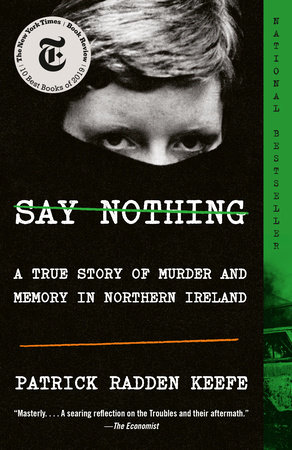



 I don’t usually look back on my year in reading until I’m pretty sure the reading year is actually over: traditionally, I get some good books as gifts, for instance, and sometimes the last week of December is my best chance for happy, uninterrupted reading. So I won’t plunge into retrospection just yet! Instead, I’ll just briefly note three more books that could be in the running for best or worse of the year.
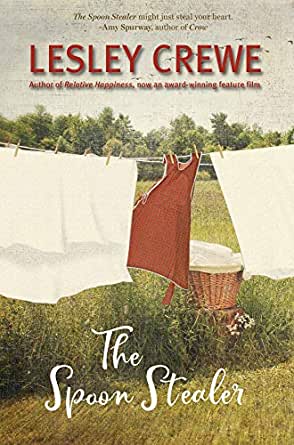 The recent book that did not go over so well with me was Lesley Crewe’s The Spoon Stealer. I decided to buy it after enjoying an online event put on by the Writers’ Federation of Nova Scotia about historical fiction. All of the authors on the panel read excerpts from their work, and The Spoon Stealer sounded charming–and it is, in many ways, but it fell flat when I read it for myself. I’ve been wondering if the problem might lie somewhere in the difference between how books sound read aloud and how they sound in my head, or with something about what I read novels for and prefer to get from them: perhaps Crewe’s style tilts towards oral storytelling, for instance, while my taste tends in another direction. When I paused over an incident or paragraph or sentence in the novel that seemed especially stilted or unconvincing, I could almost never point to anything specifically wrong with it, and I like the novel’s premise and (in theory at least) its protagonist. But I became increasingly impatient with it, though just to be sure I gave it a fair chance, I did read all the way to the end. I am always aware that not all books are for all readers and this one turned not to be for me–it’s not always good enough (depending on the circumstances) to shrug a book off this way, but in this case, I am OK with just moving on.
 It hasn’t been all bad, though.
  So what have I learned? In addition to the technical stuff – Brightspace and Panopto and Collaborate, oh my! – I have learned, as a lot of other people have too, that the best advice and methods for online teaching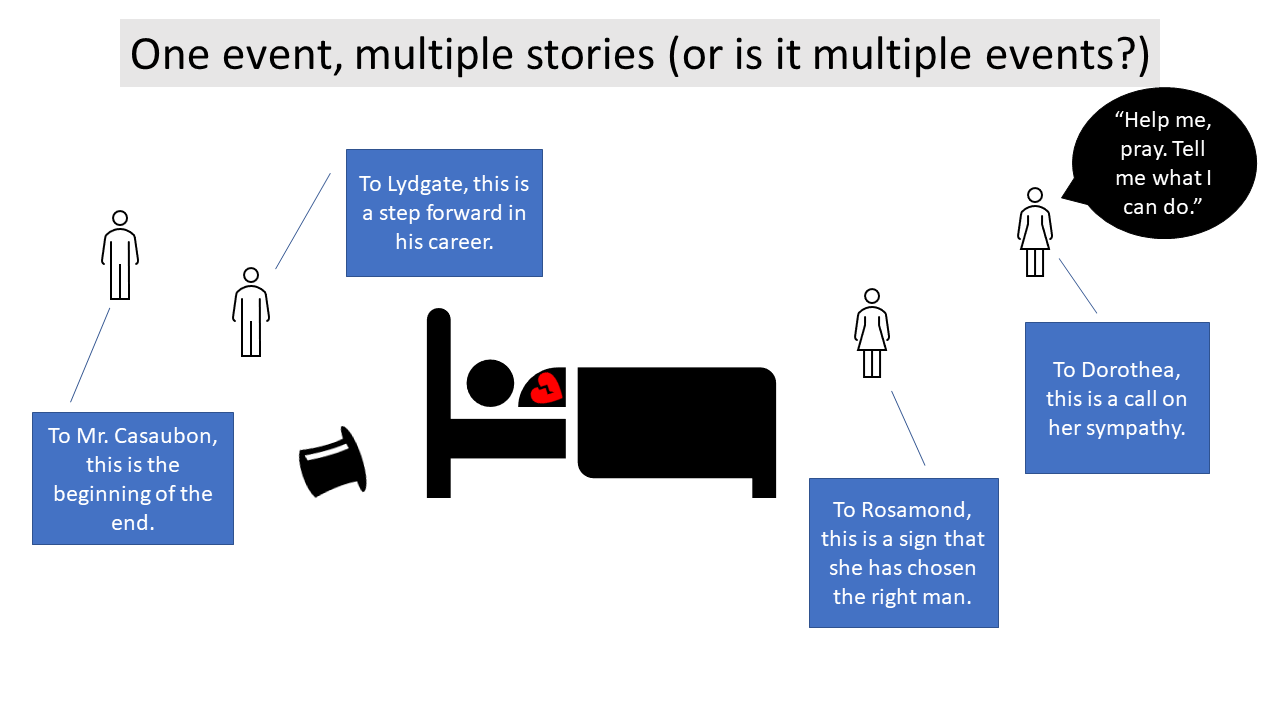





 I’m not going to recapitulate the intricate details of the stories either book tells. Briefly, in case neither title is familiar, Say Nothing starts from the abduction of a Belfast woman named Jean McConville by (it is presumed) the IRA, and from that harrowing incident layers on contexts and characters to explore the social, political, and especially moral complexities of life in Northern Ireland during the ‘troubles.’ “Who should be held accountable for a shared history of violence?” Keefe asks? At every turn, difficult questions arise about motives, culpability, and, ultimately, accountability. One example, about a key player in the IRA’s so-called “nutting squad” who turned out to be an extremely valuable informant (if you think about it, you’ll figure out how they got that name and you will shudder, as you will often reading this book):
 The second book I recently finished is also an accomplished work of narrative nonfiction, Karen Abbott’s The Ghosts of Eden Park. Its long subtitle tells you a lot about its flavour: The Bootleg King, the Women who Pursued Him, and the Murder that Shocked Jazz-Age America. My interest in this book was piqued by our recent viewing of the HBO series Boardwalk Empire, in which Abbot’s main character, the bootlegger George Remus, features prominently. It was fun learning how many aspects of his character were based on reality, such as his peculiar habit of referring to himself in the third person.
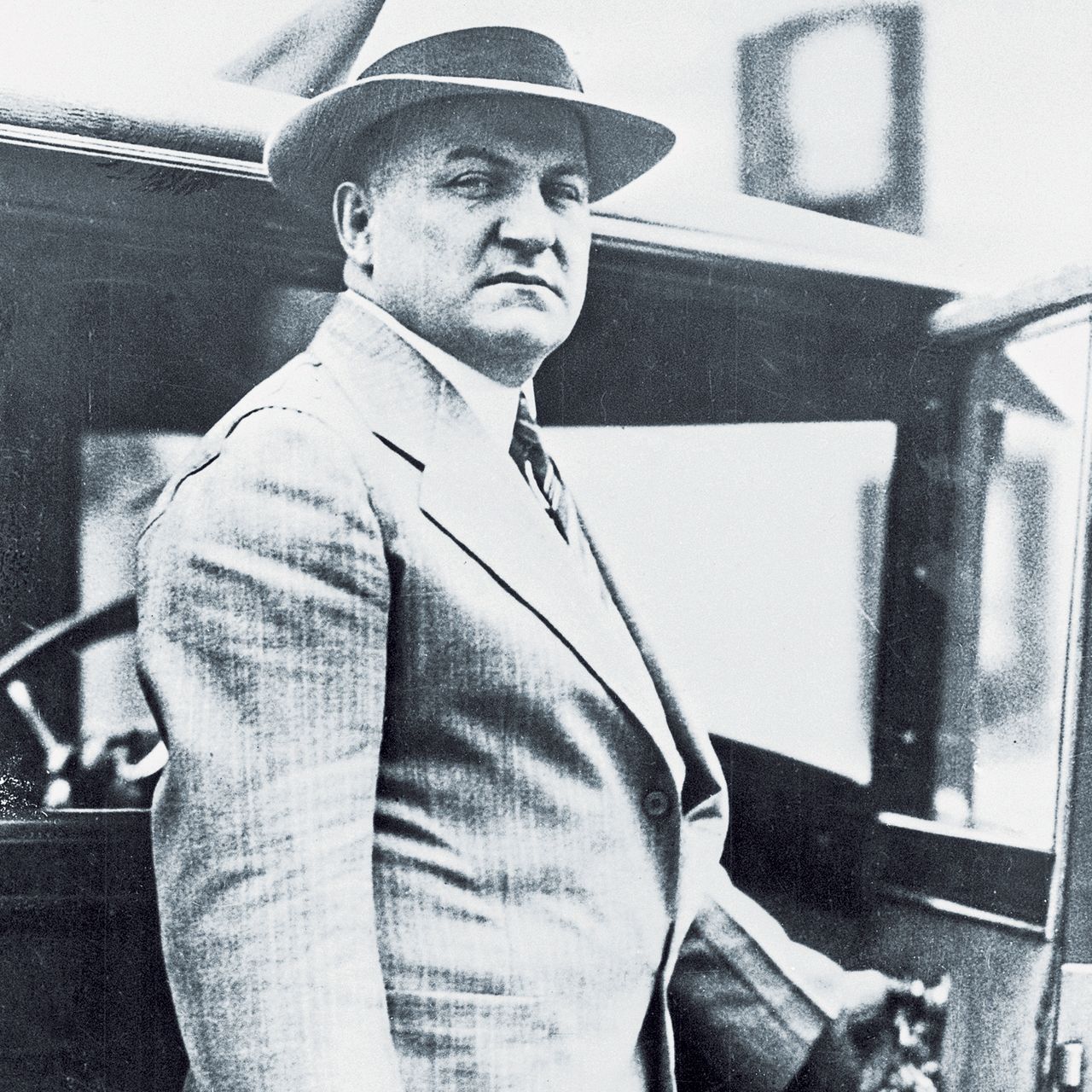 They aren’t, though: that’s just not the book she is writing, and of course that’s fine. She tells a brisk, entertaining, fairly sensational story about Remus, whose success as a bootlegger actually is just background for what becomes his obsessive love-hate relationship with his wife Imogene. While Remus is being prosecuted and imprisoned, Imogene begins an affair with one of the agents who had investigated him, which drives Remus (or so he later argues in court) insane. He never seems very stable: Abbott’s reports from his own statements and writings as well as other people’s reports and observations make him out to be a highly erratic and, frankly, extremely annoying character, someone who never at any moment aroused a glimmer of empathy in me. This is a problem, or it was for me, because after a while reading about his antics and histrionics was like watching some kind of strange zoo animal go berserk and hoping eventually someone will just sedate him and get it over with. Imogene is no better: she’s an opportunist who lies and manipulates and takes everything she can from Remus. When he shoots her in the middle of Chicago’s Eden Park (not a spoiler – this is where the book itself begins!) it seems pretty grim, but by the time we circle around to it after hundreds of pages of backstory, I felt much less, rather than much more, horror–which, in my view anyway, is something of a failure for the book, or perhaps more generally for the project. We should not be indifferent to murder: it should not feel like no more than a plot point. It is, as P. D. James says over and over in her essays on detective fiction, “the unique crime.” That Remus and Imogene and most of their cohort of friends and accomplices have become indifferent to its moral significance is telling, about them and about the world they (thought they) lived in. I was disappointed, though, that Abbott’s treatment more or less accepted their terms. It’s a wild story, with many remarkable twists, but Abbott’s exhaustive research didn’t make it seem any less shallow.
 The one element of Abbott’s book that will really stick with me is Mabel Walker Willibrandt. One of my questions watching Boardwalk Empire was about the plausibility of the character Esther Randolph, the U. S. Attorney who tries to bring down Nucky Thompson. It turns out that there were a few women who made careers in the law even that early in the 20th century, and Willibrandt was one of them. She and her “Mabelmen” ought to have their own TV series, if you ask me: she is bold, fierce, and sharply self-conscious about the extra burden her sex adds to her work. “Why the devil they have to put that ‘girlie girlie’ tea party description every time they tell anything a professional woman does,” she wrote to her parents,
 I realize there’s something of an apples and oranges problem with comparing these two books. It’s inevitable, though, that reading books back to back prompts some consideration of what they do or don’t have in common. I would say both are good of their kind, but Say Nothing is of a more important kind: it demands that we look at its events, not as colourful stories about the past, but as parts of our ongoing, imperfect, and morally weighty attempts to understand the place and consequences of violence, especially in our politics. It’s easy to condemn violence, but absolute pacifism can be (as Vera Brittain found, in a different context) difficult to defend. Even if there are cases in which violence seems necessary or justified, though, so many questions still remain. We are watching the Norwegian series Occupied right now, which of course is speculative fiction, not history, but I think it too provokes these questions. At what point would you agree with blowing something up, or worse? My complaint about The Ghosts of Eden Park is that not only do none of the people Abbott talks about seem to care very deeply about these problems – Abbott herself, or at least her book, also does not engage with them. In her book, the story is everything, and it’s actually a pretty cheap and lurid one. Maybe this is not so different, really, from the standards I apply to fiction: I have always found it (pace Oscar Wilde) important to be earnest, at least where matters of moral weight are involved.
 But here I am now, ready once again to take stock of how things are going in my classes. And the disconcerting truth is that a third of the way through this strange term, I still don’t really know, because I have no base line for comparison, no past experience to check this one against. I’m working pretty incessantly on one teaching task or another, but I get very little feedback compared to the ongoing opportunity, in face-to-face teaching, to “read the room”–which could, of course, be discouraging if you could tell they weren’t with you, but at least there was some immediacy to that input and enough flexibility to the whole operation to let you change things up, on the fly or more deliberately. One of the most disorienting things about online teaching so far, in fact, is the time lapse: because a lot of materials need to be ready ahead of time, I’m usually working on next week’s lectures and handouts while the students are working on this week’s. (Yes, that gets very confusing sometimes!) If I sense that something isn’t clicking this week, it can be pretty hard to figure out where or how to adapt.
 Certainly some parts of this feel easier now than they did at first. The start of term is always chaotic, and this year it was worse than ever before because communicating by writing is just less efficient than talking to people or showing them things directly. (That said, at least when everything is written down there is less chance of details just getting lost or forgotten: the documents are always there for reference! The sheer quantity of written materials becomes its own kind of burden, but there’s still something to be said for having what amounts to a detailed instruction manual for the entire course.) By and large my classes seem to have settled into a rhythm now, though, and as a result the stress has gone down on both sides and the quality of actual work has gone up. It’s clear that the online model is harder for some students who would almost certainly be better off with more external structure and tangible support–but there are also students who find the move away from in-person pressures congenial. At this point I personally feel that, given the option, I would never teach online again: I have not had the transformative experience I’ve heard about from other instructors who ended up wholly converted to this mode of instruction. But it’s early yet, I suppose, and of course right now I don’t have a choice–and in spite of everything, I’m glad about that, as it’s not as if being in the classroom under current circumstances would be a return to the kind of work I loved. I’m also very grateful to have the job security I do, and that, along with my real desire to do the best I can for my students, keeps me pretty motivated and determined to keep trying to do this as well as I can.
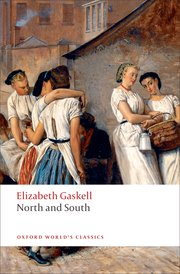
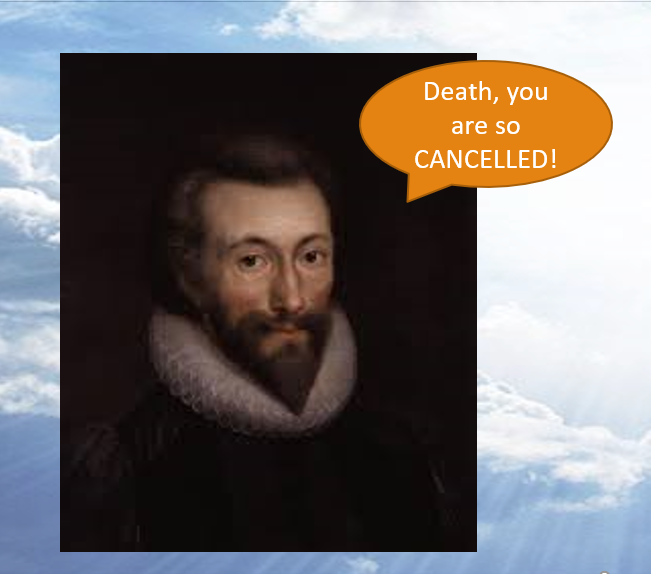
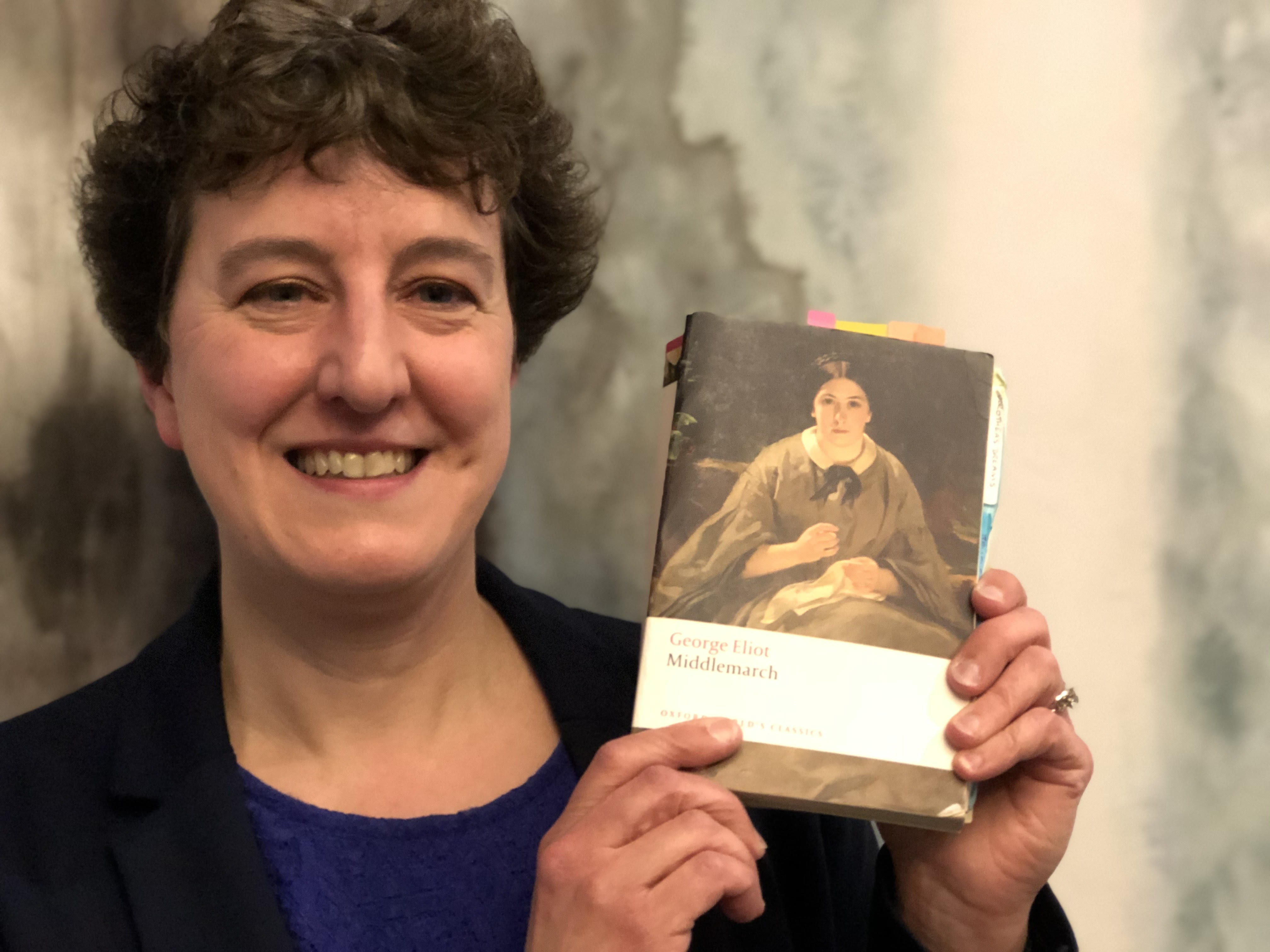
 In 19th-Century Fiction we start Middlemarch this week! I, at least, am very excited about this! (Honestly, though: isn’t the cover of the new OWC edition dreadful? They could hardly have made the novel look less fun and inviting. Dorothea is supposed to be blooming, not gloomy!) Rereading the novel and working on my slide presentations to launch our discussions of it has been pretty fun, and also very intellectually challenging, because I have had to make a lot of decisions about how to package the concepts and examples and approaches I would usually lay out over the first few class meetings. While I would certainly do some lecturing in a face-to-face course, I always prefer to draw students towards ideas about how the novel works and what it means through discussion, using a lot of open-ended questions and brainstorming on the white board (where I draw lots of what one of my students [hi, Bea!] recently described as “demented stick figures” 😊). This is hard to reproduce asynchronously!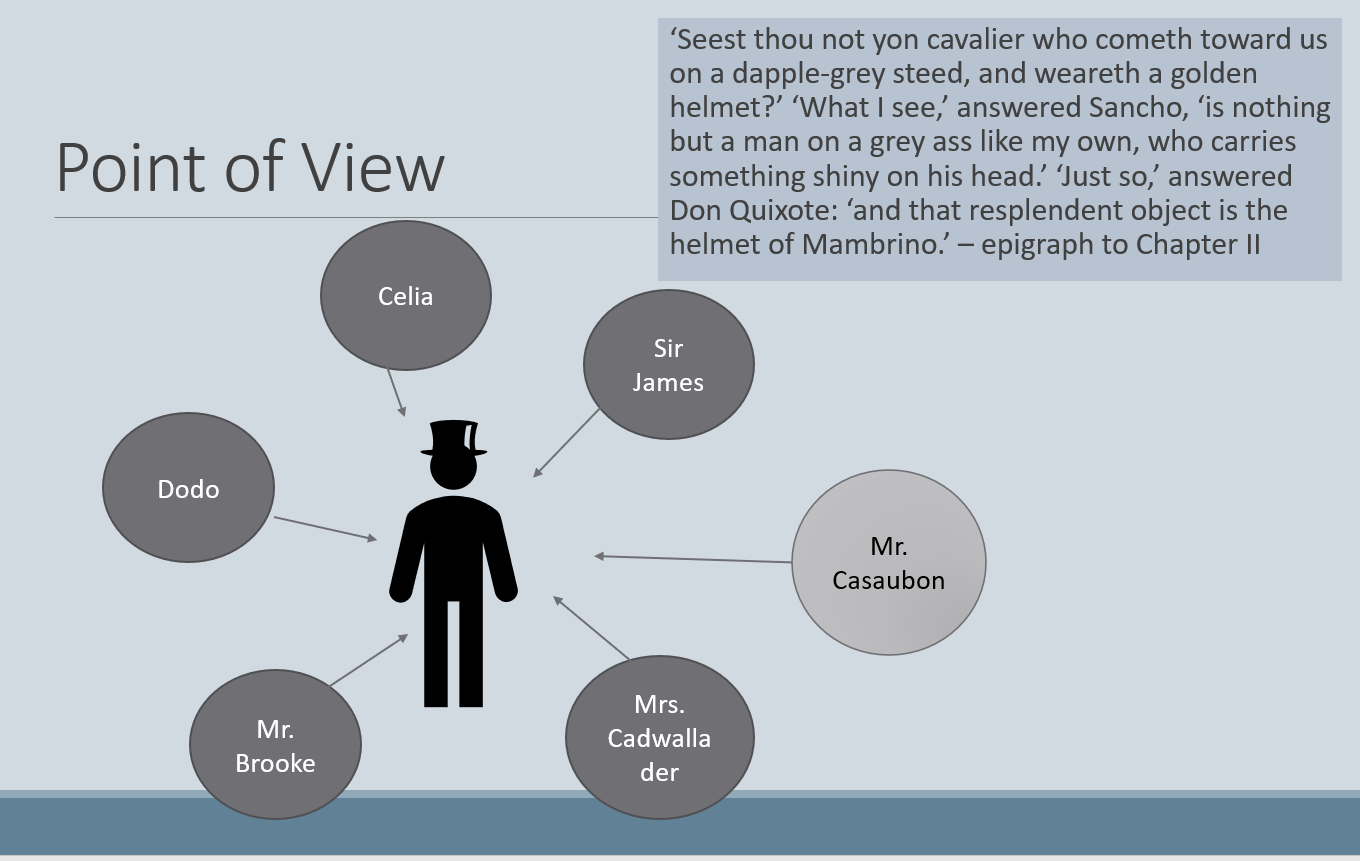
 I do expect a bit of stuttering as we get going on Middlemarch: my experience of teaching it in the classroom, where I can play ‘cheerleader-in-chief,’ has been that even with me absolutely radiating enthusiasm for it, it can be a hard sell at first, and though I am trying to be as enthusiastic as I can this time too, I have to communicate so much more indirectly that I can’t be sure it will come across, much less be contagious! The stumbling block is usually the amount of exposition, which requires a different kind of attention and patience and can muffle, on a first reading, the sharpness and comedy of the dialogue as well as of the narrator herself. I’m also often surprised by how little students like Dorothea: is idealism so out of fashion these days? But there are always some students who love the book, at first or eventually, and of course my job is not to make them like our readings but to help them learn about them.
