 Were they aware, in the intensity of their embrace, of something slightly ridiculous about this tableau . . . Or were they in this moment unaware, or something more than unaware—were they somehow invulnerable to, untouched by, vulgarity and ugliness, glancing for a moment into something deeper, something concealed beneath the surface of life, not unreality but a hidden reality: the presence at all times, in all places, of a beautiful world?
I did not expect to love Sally Rooney’s Beautiful World, Where Are You. I found Conversations with Friends so boring I didn’t finish it; I was won over by Normal People, but only after watching the adaptation, which taught me to “hear” the book in a gentle Irish lilt. This mixed experience made me curious but hesitant about Beautiful World, Where Are You. I’m really glad now that I gave in to my curiosity rather than letting my annoyance at the ubiquity of the novel’s coverage put me off it. It is an odd novel: self-conscious and artificial and yet at the same time palpably earnest, touching, and, yes, at times beautiful. I don’t know if it is a great or even an entirely successful novel, on its own terms or on mine, but from the moment I began reading it I never stopped wanting to read it. I even stayed up a bit late to finish it, a rare impulse in these dreary middle-aged pandemic times.
It wasn’t the plot that drew me in: there’s actually hardly any plot! In this respect Beautiful World is as minimal as Rooney’s other books—it’s about four friends in a mix-and-match set of relationships that ebb and flow on currents of feeling, from suspicion to tenderness, from annoyance to deep affection. They meet, they separate, they have sex, they eat together, they talk: it couldn’t be more mundane, really, but sorting out their history and following their often prickly interactions lets Rooney quietly explore questions about why and how we love the ones we do, how our work defines us—for ourselves or to others—and why or whether any of this matters or means anything. A number of metafictional comments make sure, a bit heavy-handedly perhaps, that we see this kind of novel as problematic: trivial and irrelevant at best, an exercise in “suppressing the truth of the world” at worst. “The problem with the contemporary Euro-American novel,” writes Alice—herself an award-winning novelist—”is that it relies for its structural integrity on suppressing the lived realities of most human beings on earth.” (It is impossible not to see Alice as at least partly an avatar for Rooney herself, though collapsing the two identities completely into one seems like a rookie mistake.) Though I think Beautiful World takes this possible criticism seriously, I also think that by the end it has, if not rebutted it, at least answered it. 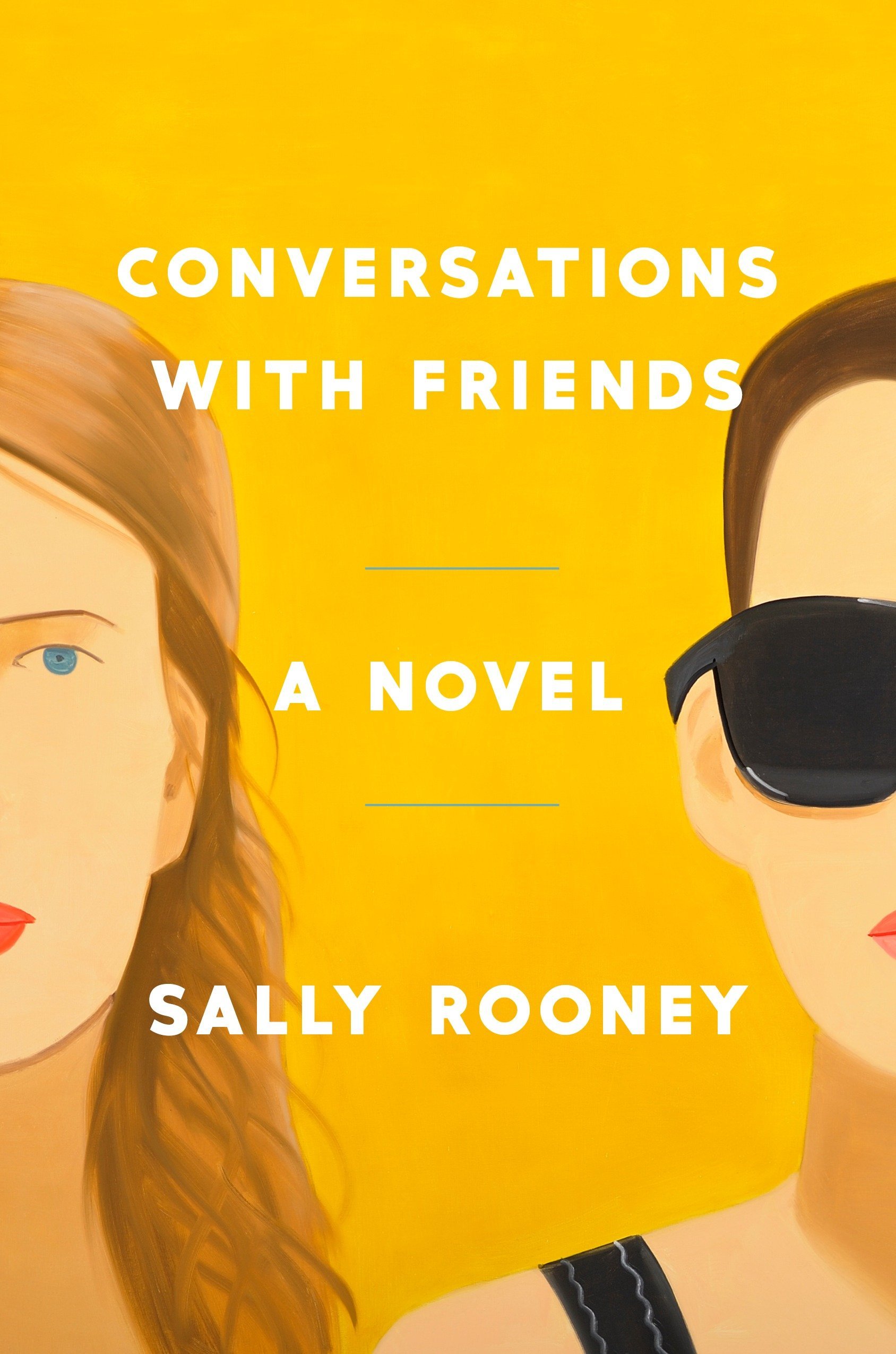
That quotation comes from one of the emails between Alice and her longtime best friend Eileen that alternate with the third-person narration of the characters’ lives. There is nothing realistic at all about these email exchanges, or at any rate I don’t know and can’t really imagine anyone whose correspondence is like these messages. I don’t see that as a flaw. For one thing, most real life correspondence is superficial, more or less incoherent, and full of banalities. All epistolary fiction is incredibly artificial, and often the more so the better (or would be). Letters are just another device, another tool for the novelist to use. What fascinated me about the emails in Beautiful World is how deliberately they went “beneath the surface.” Even the very best conversations between friends rarely engage with the kinds of questions Alice and Eileen consider about meaning, ethics, and beauty: it’s hard enough going about our day-to-day business without constantly confronting what Alice calls early on “the unlikeliness of this life”:
I felt dizzy thinking about it. I mean I really felt ill. It was as if I suddenly remembered that my life was all part of a television show—and every day people died making the show, were ground to death in the most horrific ways, children, women, and all so that I could choose from various lunch options, each packaged in multiple layers of single-use plastic.
“Of course,” she goes on to say, “a feeling like that can’t last,” and she’s right: we rely on degrees of deliberate ignorance, or ignoring, to carry on living. I was reminded of the famous passage in Middlemarch about the squirrel’s heart beat, which concludes that even the best of us “walk about well wadded with stupidity.” The emails are an experiment in fictionalizing an examined contemporary life. They made me think about how much we—or at least I—don’t talk about, even with those closest to us.
This isn’t to say that Alice and Eileen arrive at insights that are either profound or satisfying. I am pretty sure I know at least one philosopher who would fault them even for the way they put the questions sometimes, especially questions about the meaning of life, or about how to navigate morality without a religious framework. I don’t know if this is because Rooney is not a great philosophical thinker herself or because, at this level, the emails are just being realistic about how far and how well two people, otherwise fairly ordinary, might do at hashing out big questions. That doesn’t make the exercise (on her part or on theirs) misguided, though. I wouldn’t call Beautiful World a “novel of ideas,” but it is a novel in which ideas are taken seriously, and it provoked me to wonder how we maybe could have more conversations like that in real life, or why we mostly don’t.
 The third-person parts of the novel are quite different. The narrator is observant but conspicuously (and, I’m sure, deliberately) not omniscient: the commentary has a hesitancy, an uncertainty, so that the effect is like watching the characters from across the room, or looking in the window at them—hence the frequent tags like “seems like” or “appears to be.” The descriptions are very precise, but they are mostly external; the characters’ thoughts or feelings have to be inferred from their movements, actions, or speech. This too is artifice, of course, and it can feel a bit stilted. But there are also lots of lovely passages like this one:
In the darkness the main room of the apartment lay quiet again and still. Two empty bowls had been left in the sink, two spoons, an empty water glass with a faint print of clear lip balm on the rim. Through the door the sound of conversation murmured on, the words rounded out, indistinct, and by one in the morning silence had fallen. At half past five the sky began to lighten in the east-facing living room window, from black to blue and then to silvery white. Another day. The call of a crow from an overhead power line. The sound of buses in the street.
Or (and this is just part of a longer passage I’d quote in full if I weren’t wary of how long this post is already getting!),
And already now behind the house the sun was rising. On the back walls of the house and through the branches of the trees, through the coloured leaves of the trees and through the damp green grasses, the light of dawn was sifting. Summer morning. Cold clear water cupped in the palm of a hand.
Style is incredibly subjective, of course, and maybe you don’t like these moments as much as I do. There’s nothing elaborately poetic about them, but to me their imagery is captivating because it’s so simple; the sentences—and sentence fragments—seem to me to hit each note just right and then stop.
I said that I thought Beautiful World answered its own criticism that “the contemporary novel is (with very few exceptions) irrelevant.” I’ll wrap up this post by trying to explain what I meant. I don’t mean that it somehow proves that the contemporary novel is in fact “relevant”; I don’t think it is a “novel with a purpose,” a novel purporting to be or to offer solutions to the far-reaching crises its characters acknowledge. Part of what it does is just set those problems aside. Like Alice in the shop, most of us just can’t carry on in a state of constant crisis about what Dorothea in Middlemarch hyperbolically calls “all the troubles of all the people on the face of the earth.” That doesn’t mean we shouldn’t care, or shouldn’t put effort into making the world a better place, but it’s not really, or not just, the novel that’s irrelevant on that large scale: it’s all of us, it’s everything. It’s ridiculous to put such grandiose expectations on everything we do—or on anything we read.
I think Beautiful World also offers a more affirmative response, though: that there is value in both love and art, that they are what can make the world beautiful, that they are worth believing in and standing up for, and that the novel (including this novel) is one way of doing that. “So of course in the midst of everything,” Alice writes to Eileen, “the state of the world being what it is, humanity on the cusp of extinction, here I am writing another email about sex and friendship. What else is there to live for?” “A couple of nights ago,” Eileen writes to Alice,
I was getting a taxi home on my own after a book launch. The streets were quiet and dark, and the air was warm and still, and on the quays the office buildings were all lit up inside, and empty, and underneath everything, beneath the surface of everything, I began to feel it all over again—the nearness, the possibility of beauty, like a light radiating softly from behind the visible world, illuminating everything . . . I was tired, it was late, I was sitting half-asleep in the back of a taxi, remembering strangely that wherever I go, you are with me, and so is he, and that as long as you both live the world will be beautiful to me.
“As I write you this message,” the novel concludes, “I’m very happy. All my love.”
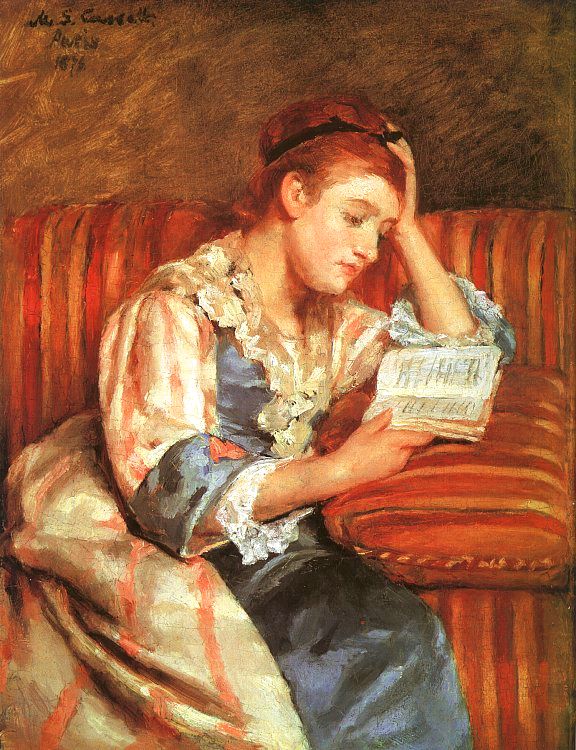 I have done a year-end round-up of my reading on Novel Readings since I started blogging in 2007. Since Owen died, a lot of people have suggested to me that routines and rituals have value, and I am also trying to make myself act according to the principle I mentioned before, that “if something was worth doing before a crisis, it remains worth doing”—which is not to say that a post like this, or any individual post, is in itself especially worthwhile, but that perhaps Novel Readings itself is worth sustaining, and might be sustaining for me in some way as well. So in that spirit, here is a look back at the highs and the one big low of my reading in 2021.
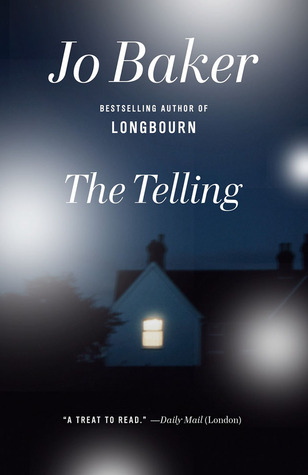
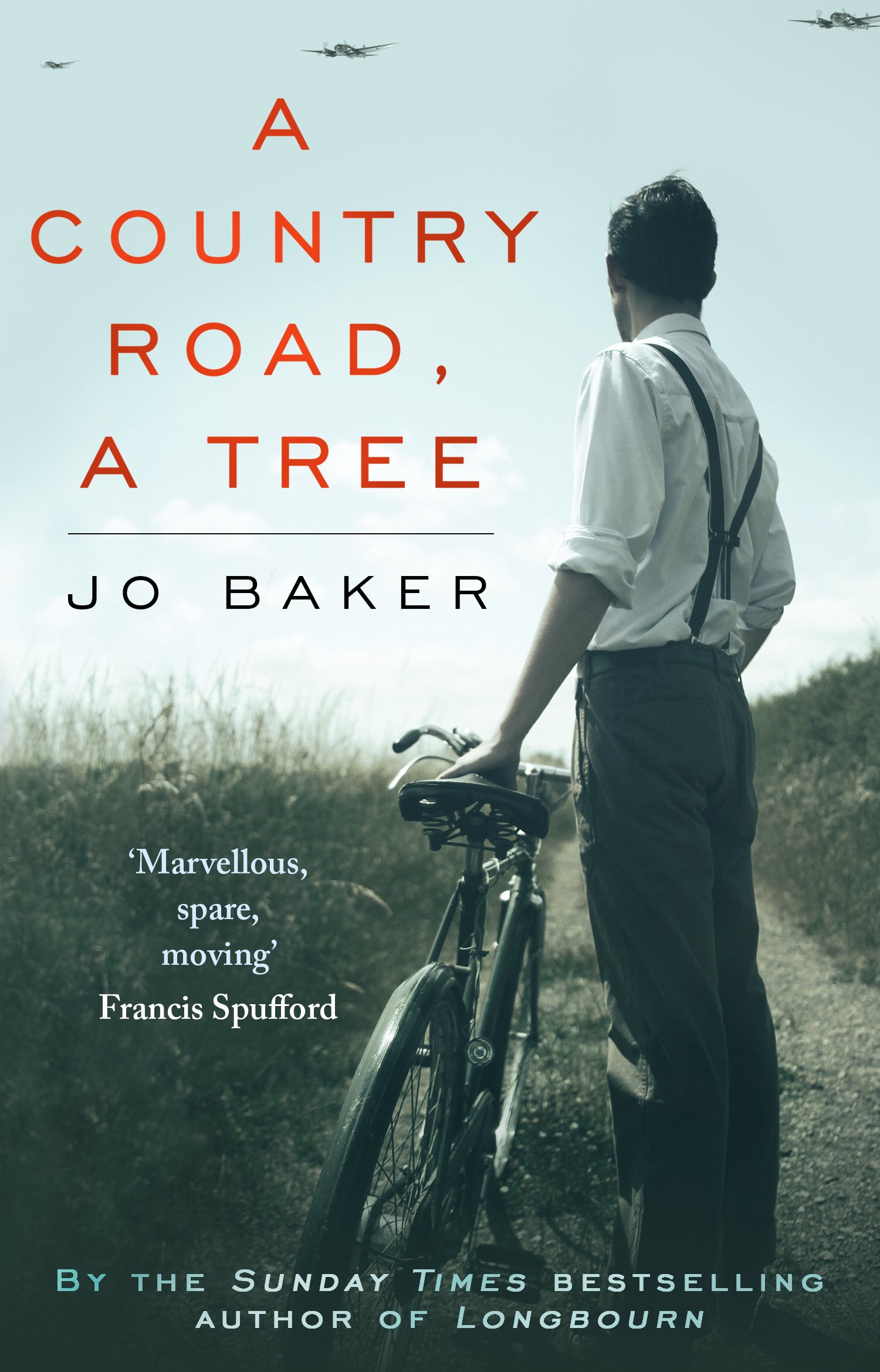 This doesn’t happen often for me, but it’s so much fun when it does: I read one book by an author that’s so good I promptly work my way through their other books and those are all really good too. Sarah Moss was an author like this for me a few years ago. In 2021 it was Jo Baker‘s turn. The first book of hers I read was actually The Body Lies, for my book club in February. I didn’t love it, but I found it really interesting, especially as a potential candidate for my seminar on women and detective fiction, because it is as much about the problem of how violence against women is represented in crime fiction as it is its own example of the genre. Our discussion piqued my interest in A Country Road, A Tree, which I loved, and that in turn convinced me to finally try Longbourn, which, against the odds, I also loved. Since then I have also read The Telling and The Undertow, and if her other two novels were more readily available in Canada I would have read them by now too.
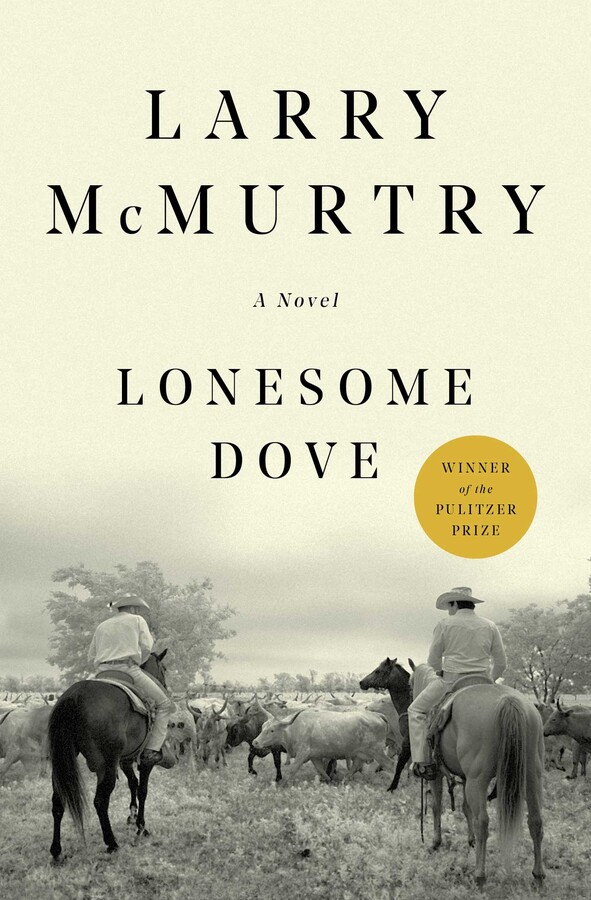 Novel of the Year
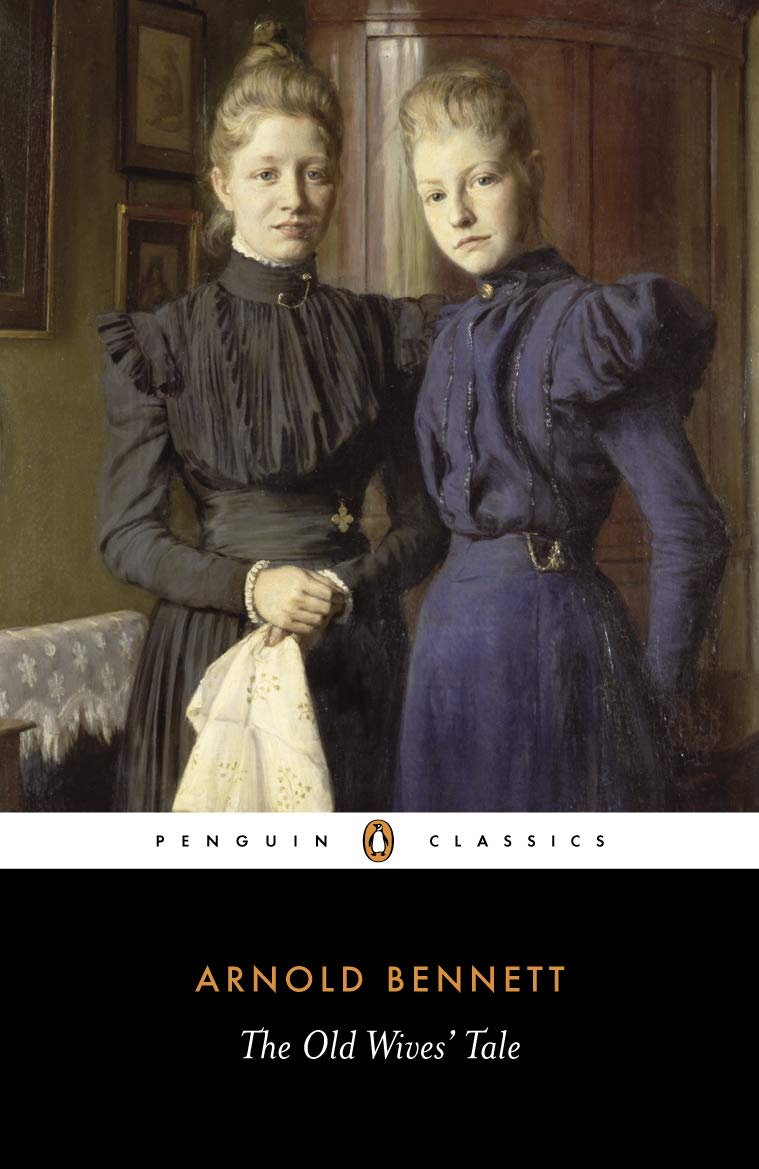 Most Fun Reading Something Together
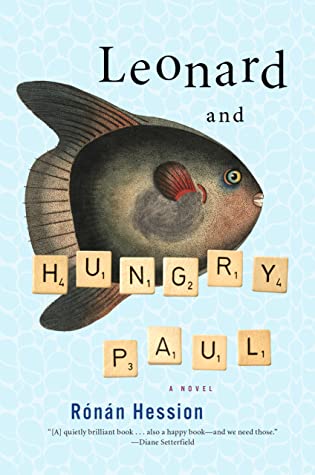 Gentlest Novel
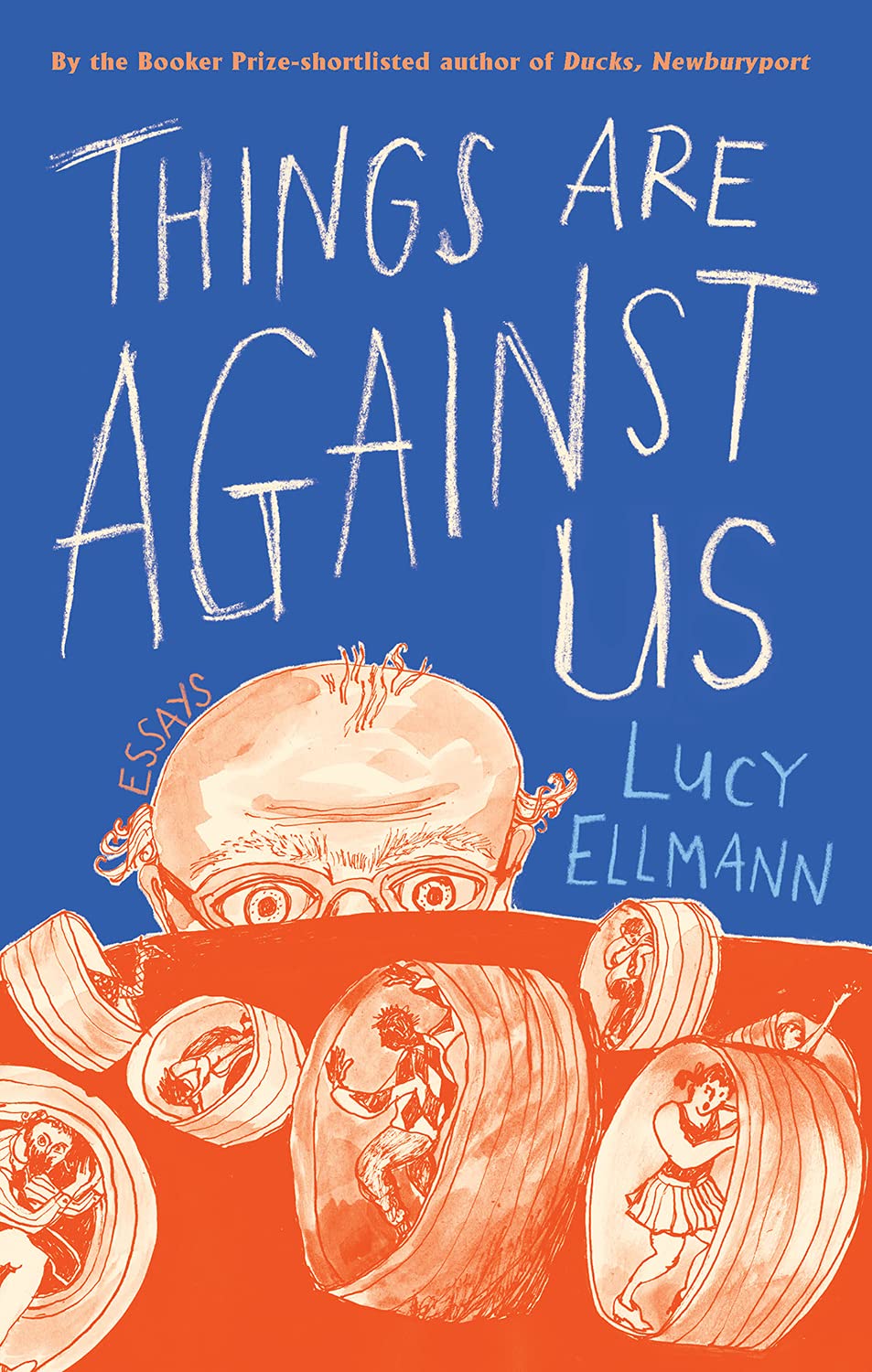 Absolutely, hands down, the worst book I read in 2021
 “Where can we live but days?”
 A lot of people who know about grief have told us it gets better, though it takes time, but also that the process isn’t simple or linear: it isn’t as straightforward as just getting through more days, each of them easier than the last. Right now the passing days feel too fleeting anyway. “I don’t want it to be four days already,” Maddie said last week, and now it has been too many more days but also far from enough days to understand what this loss means for us. We still feel grateful that we know what it meant for Owen, and there is still comfort in his last words of love. But we are the ones who have to go on now, a family of three where once we were four. He couldn’t tell us how to do that any more than we could tell him not to leave us.

 He knows the airplane and its deafening drone and its gasoline reek. He knows the shape of Marian’s elbow and knee visible through the cockpit doorway. He pencils his neat log of figures, updating the distance they’ve covered, the time they will arrive . . . He feels the lines of latitude sliding underneath like the rungs of a ladder, watches the whitecaps through the drift meter, measuring the difference between where they are going and where they mean to go. That’s where life is, that wedge of discrepancy.
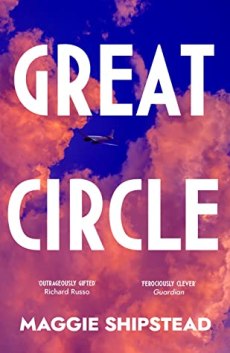 I was initially fine with the alternation between the past and present plots. By the middle of the novel, I had become impatient with Hadley’s sections, which felt at best peripheral to Marian’s much more interesting character and experiences, and at worst seemed gratuitous or even anxious, as if Shipstead lacked confidence in historical fiction, as if she felt that on its own it was somehow insufficient. The modern-day plot felt more like a device than a necessity—but a device to do what, exactly? I hoped that by the end of the novel I would realize the work the modern parts were doing and the two strands of the novel would prove integral to its overall vision.
 Still, I think you can open up room to highlight questions about how stories are told in lots of ways, and even if this is one way to make sense of Hadley’s role in the novel, it doesn’t quite make up for how much less vivid and interesting her sections are than Marian’s. There’s so much wonderful writing in the novel, and pretty much none of it is in the Hadley parts. One reason is that the prose is at its best (appropriately) when Marian is flying, the language rising in a crescendo of vividness and intensity up to what sometimes seems like a limit of what words can convey:
 I’m in the little lull between the end of routine class work and the arrival of final essays and exams. Pre-COVID, this was a time for two ritual activities: cleaning my office and going Christmas shopping. Since I’m still working almost entirely at home, the first of these is mostly, if not entirely, beside the point: my current workspace, set up in what was once my son’s bedroom (and still furnished for that purpose, including his 20-year-old mate’s bed), could use a bit of tidying, but because online teaching means there’s a lot less physical debris from the term’s work, it’s not particularly chaotic. I’ll take the teaching-related books and folders to campus for storage when my courses are well and truly wrapped up – and bring home more books related to my sabbatical projects – but there won’t be any major housekeeping to do here until I return to working full-time there.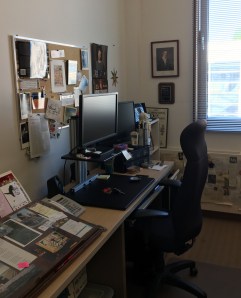
 So what have I been doing instead of cleaning and shopping? Honestly, I’m not entirely sure where the “extra” time has gone. One factor, I think, is that online teaching actually doesn’t end neatly the way in-person classes do, or at least my classes haven’t: there has been a fair amount of tidying-up stuff to do, especially record-keeping and wrangling problems of one kind or another. One thing I suppose I didn’t have to do but considered worthwhile was an audit of students’ course bundles for English 1015 (where I am, again, using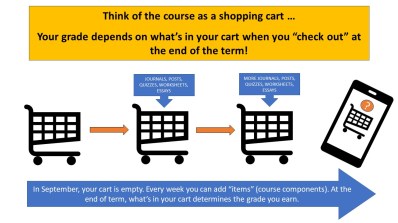
 Next fall! Yes, because much to my immense relief and gratitude I am on sabbatical this winter term. This means – although nothing seems absolutely certain about the future anymore – that this term may have been my last term of online teaching. Please let that be true! This is not to say that I’ve hated everything about it. There are some aspects of it I have grown to like, and others that I have learned the value of, whether I like them or not. I will probably never give an in-person quiz or exam again: the simplicity of arranging make-up tests is a gift, for one thing, and especially valuable as we are likely (I hope and expect) to be much more aware from now on of the importance of letting students stay home when they are sick. I also like online reading journals: I had used them in the past as a way of encouraging students to keep up with the reading and getting them to practice expressing ideas about it with low stakes, but then ‘upgrades’ to our LMS took away the journal function I had used and I gave it up. Now that I know how to set up one-on-one discussion boards in Brightspace, I can see keeping up some version of these, especially because Brightspace makes it pretty easy to keep the records.
 What else has been good about online teaching? Well, while I still greatly prefer the energy, intellectual stimulation, and good cheer of class discussions, I have been impressed at the level of commentary on the discussion boards, especially, this term, in my 19th-century fiction class. I was frustrated all term at how much of it went on at the very end of each module, which meant only rarely was there substantial back-and-forth among the students, but that logistical griping tended to subside when I read through the posts that had come in. I am certain that I “heard” from more students this way than I would have in the classroom: I have pretty good participation rates, and I work hard to make space for students who are shy or just slower to know what they want to say (by, for instance, requiring everyone to put their hand up and wait to be called on), but even so it is typically a minority of students present who actually contribute.
 The single thing I have missed the most in my online classes has been laughter. You can do a lot of things asynchronously, and honestly I’m proud of the courses I offered. But



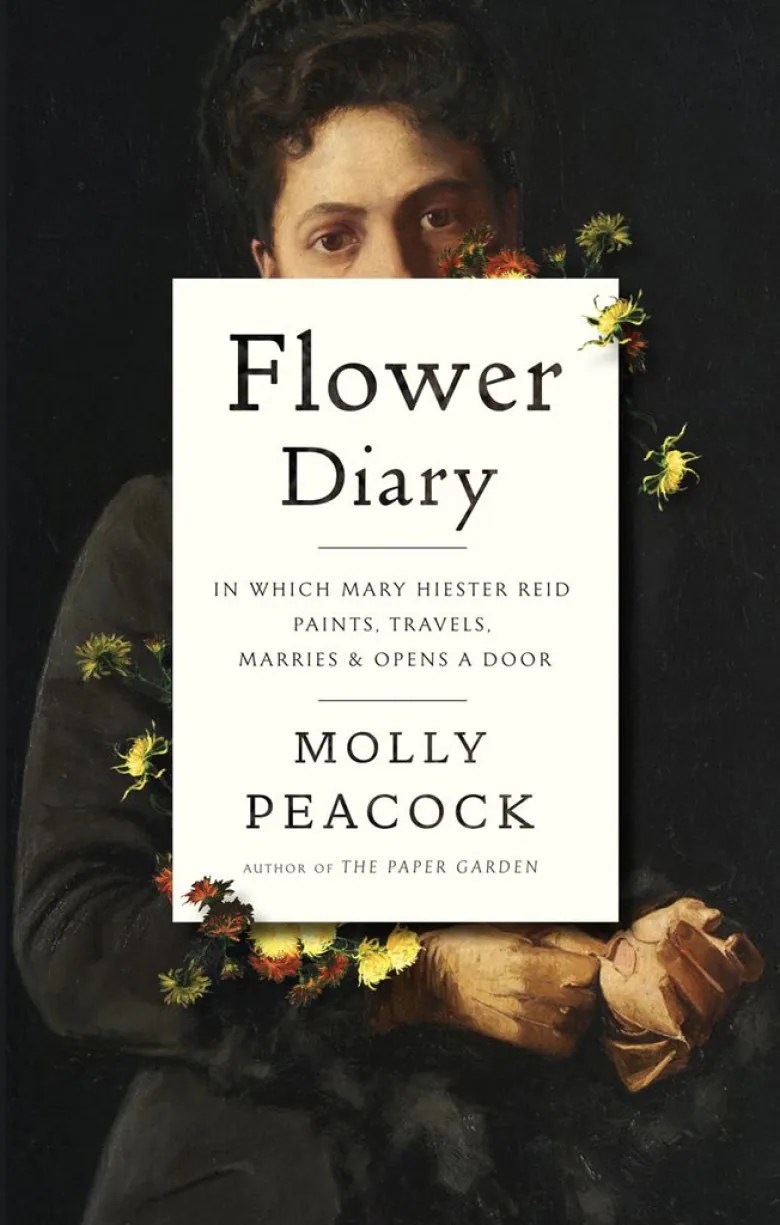 In an era where Mary Cassatt eschewed marriage and a fully adult life to live with her parents in Paris so that she could produce her work, Mary Hiester bounded into an adulthood of painting with a grown-up’s problems of money and sex and logistics . . . Existing with an ambitious man in a socially constricted world for women of which a person today can barely grasp the demeaning dimensions, she lived, by her lights, “cheerfully.” She painted around the obstacles of an artist’s life by employing a woman’s emblem, the rose, and later an emblem of independence, the tree.
 Like Peacock’s earlier, similar work
 Flower Diary follows Mary’s artistic development, integrating it with the story of her personal life—as indeed the two were intricately related in reality. There are lots of parts to both, including the art school Mary and George ran and many trips to Paris and Spain and time spent in an artistic community in Onteora, in the Catskills. Peacock emphasizes Mary’s “persistence” as an artist. Hers was not a bad marriage, or an unsuccessful career: George was a supportive partner, and she was productive and accomplished and recognized. The times were not kind to ambitious women in general, though, or to women artists more particularly. “I don’t know where the assurance and conviction required for Mary’s sort of persistence comes from precisely,” Peacock comments,
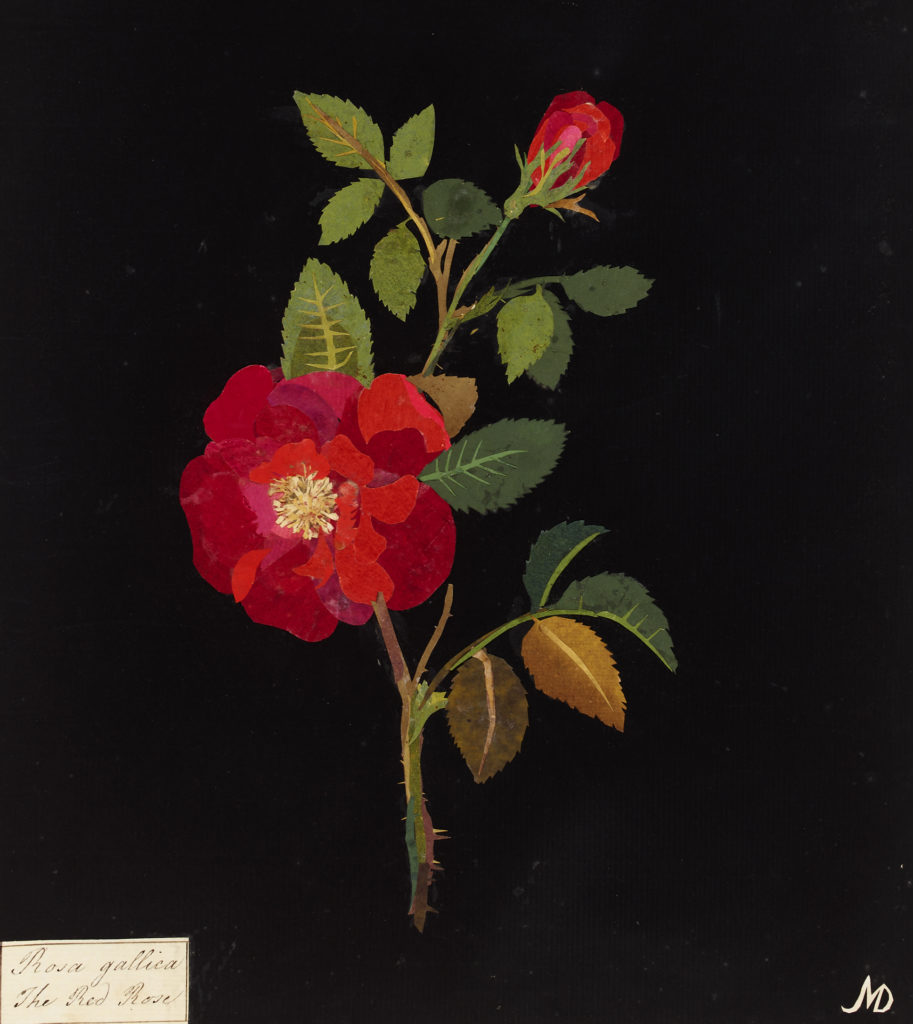
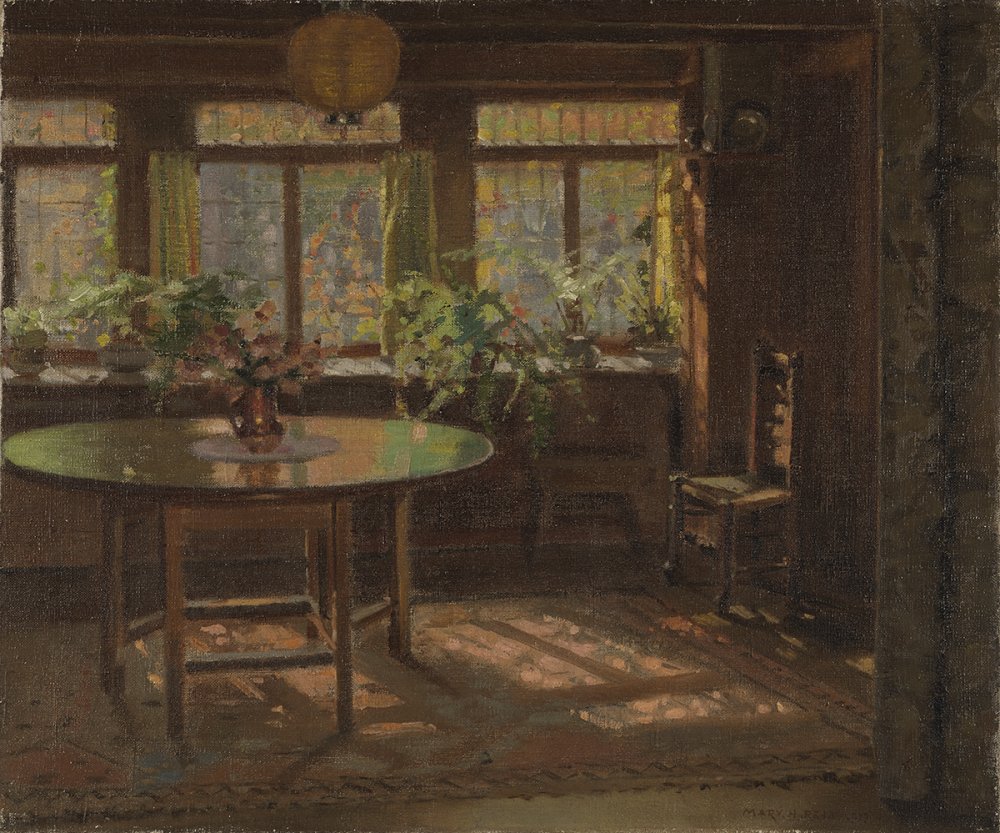 “Going cheerfully on with the task”: there’s no doubt that this is admirable, and getting on with things rather than enacting one’s rage may indeed by a truly adult—the only possible—adult response to the complexities of life, including married life. There’s ultimately something a bit stolid about the woman we meet in Flower Diary, though, or about Peacock’s characterization of her anyway, and I think that’s why Flower Diary, interesting as it is, and full as it is of beautiful pictures and wonderful bits of writing, was a disappointment to me after the revelation that was The Paper Garden. The story of Mary Delany discovering and fulfilling her own peculiar creative genius late in life was so exhilarating; it seemed to offer so much hope. It is, as I said in my post about it “a subversive, celebratory view of growing older as a woman”: in Peacock’s wonderful phrasing, “Her whole life flowed to the place where she plucked that moment.”
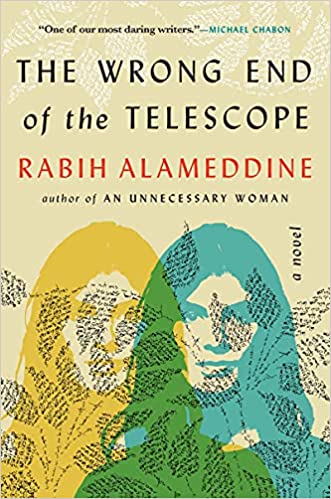 Did you believe that writing about the experience would help you understand what had happened? You still cling to romantic notions about writing, that you’ll be able to figure things out, that you will understand life, as if life is understandable, as if art is understandable. When has writing explained anything to you? Writing does not force coherence onto a discordant narrative.
 I’ve created another false alternative myself, though, in my irritation at this aspect of The Wrong End of the Telescope. I didn’t much like the book as a whole, mostly because of the way it scattered its and thus my attention around, but it is a very empathetic novel; over and over it does put its reader into different stories, inviting them to understand better the fear, horror, desperation, and hope that lead people to crowd into boats and risk everything to cross the sea. Its structure does have some linearity or continuity to it, through the story of Mina’s arrival on Lesbos and her efforts to help the refugees there, especially one woman, Sumaiya, who is dying of cancer. Mina’s narrative is like a tree limb, with other stories branching off it. Cumulatively they don’t make the situation “understandable” or even, narrowly speaking, “legible,” though there are certainly moments in which one character or another offers the elements of an explanation. “I loathe these Westerners who have fucked us over and over for years and then sit back and wonder aloud why we can’t be reasonable and behave like they do,” Mina’s brother Mazen exclaims at one point—this and other pieces of the novel offer historical and political frameworks for the ‘refugee crisis’ along with pointed criticisms of the West’s response. Overall, though, it is a novel built primarily of vignettes.
 Novel Readings