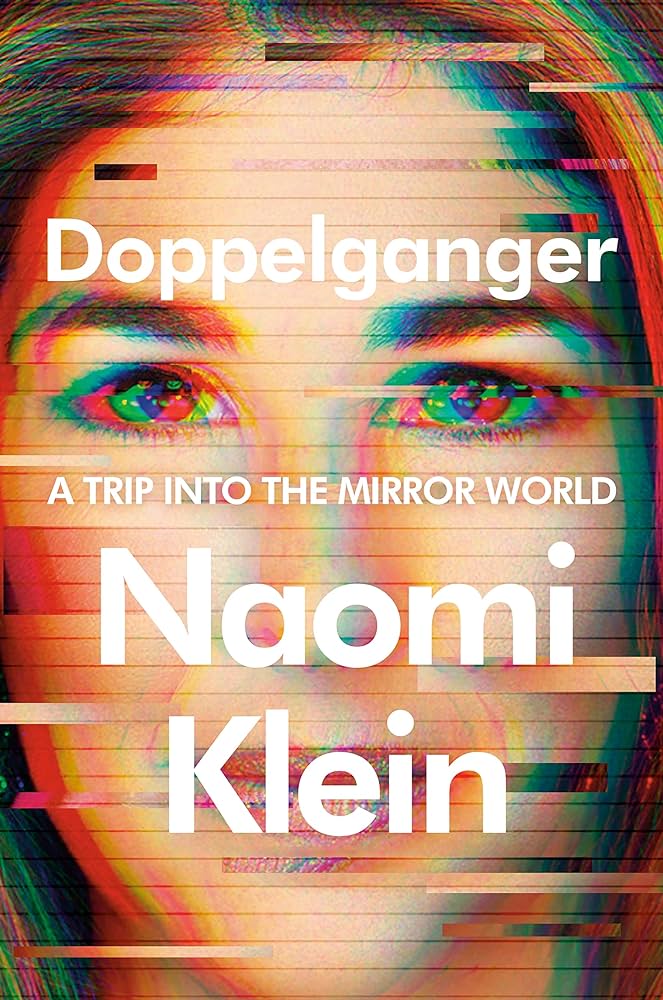
 I read 16 books in August. Two were audiobooks, which is new for me: Naomi Klein’s Doppelganger (which I highly recommend) and Agatha Christie’s And Then There Were None (which was narrated wonderfully by Dan Stevens and proved an excellent choice for me to listen to, just brisk and suspenseful enough to keep my attention on walks or while crafting). Two were for reviews for Quill & Quire: Ayelet Tsabari’s Songs for the Brokenhearted (my review is submitted and will be online pretty soon, I expect) and Jenny Haysom’s Keep (this review is in progress). One was Oliver Burkeman’s The Antidote: Happiness for People Who Can’t Stand Positive Thinking (it me): I wasn’t sure I should count this, as to be honest I started skimming after a while, which is not to say it had nothing to offer me, especially its explanation of why positive thinking approaches to some kinds of mental health struggles can be not just annoying but genuinely counter-productive.
 My book club decided to get in one more meeting this summer as a follow-up to our July discussion of Guy de Maupassant’s Bel-Ami. Keeping with our current French theme, we chose Gigi, which I think for all of us was our first experience of Colette. Although it’s a slight little book, it gave us plenty to talk about, from how we felt about the difference in age and maturity and agency between Gigi and her eventual fiancé to how much it is a romantic fantasy and how much a critique of the terms of that fantasy. Gigi takes a stand against her own commodification—but then she acquiesces to its terms just before she “wins” the real prize of a proposal. Does she really love Gaston? Does he really love her, or is he just getting her by whatever means he can? We were intrigued that Colette wrote the novel during the Nazi occupation of France, which perhaps gives some poignancy to its nostalgic evocation of the Belle Époque.
 We considered moving on to Lolita, but instead decided to stay in the French demimonde and read Dumas’ La Dame aux Camélias (in translation), which I am keen about as it is of course the origin of La Traviata, which has been my favorite opera since my parents gave me an LP of highlights from it (the Sutherland / Bergonzi recording) for my 5th birthday. Joan Sutherland signed the record cover for me when I met her backstage at the Vancouver Opera in 1977.
I did some lighter reading that I mostly enjoyed, including two novels by Katherine Center, who I somehow had never heard of before I read Miss Bates’s review of The Rom-Commers. As often happens, after that I seemed to see her titles everywhere! I had to put a hold on the new one and my turn is still a long way away, but I was able to get What You Wish For and Happiness for Beginners from the library. I had actually watched some of the Netflix adaptation of Happiness for Beginners before, not knowing it was based on a novel, but I didn’t finish it, as I was finding it laborious and un-charming. I really liked the novel, though, more than What You Wish For, which I already forget almost entirely! Another light(er) read was David Nicholls’ Sweet Sorrow, which was a bit YA-ish for me but still pretty good. My favorite of his remains Us.
 August was Women In Translation month. I didn’t go all in on this, but I did bookend the month with translated works, starting it with Maylis de Kerangal’s Painting Time and ending it with Yoko Ogawa’s The Memory Police. Neither of them thrilled me, though both definitely kept me interested. Parts of Ogawa’s novel were also really haunting, though by the end it felt too much as if she was just pushing on to get finished with the concept she had for the novel. I sometimes feel the same about the enthusiasm for reading “books in translation” as I do about the enthusiasm for “lost gems”: both are not really coherent categories, and also just because a title has reached us from the other side of the world or from across the years doesn’t exactly guarantee its merits. (As I have said elsewhere, I wonder why middling books from 60 or 70 years ago seem so much more alluring than similarly middling titles from today.) On the other hand, there is a lot more advance curation of what’s available of both of these kinds of novels and it is certainly reasonable to expect that works that do get translated into English are above average and so worth trying. And of course it is intellectually beneficial not to be too provincial in one’s reading, for sure!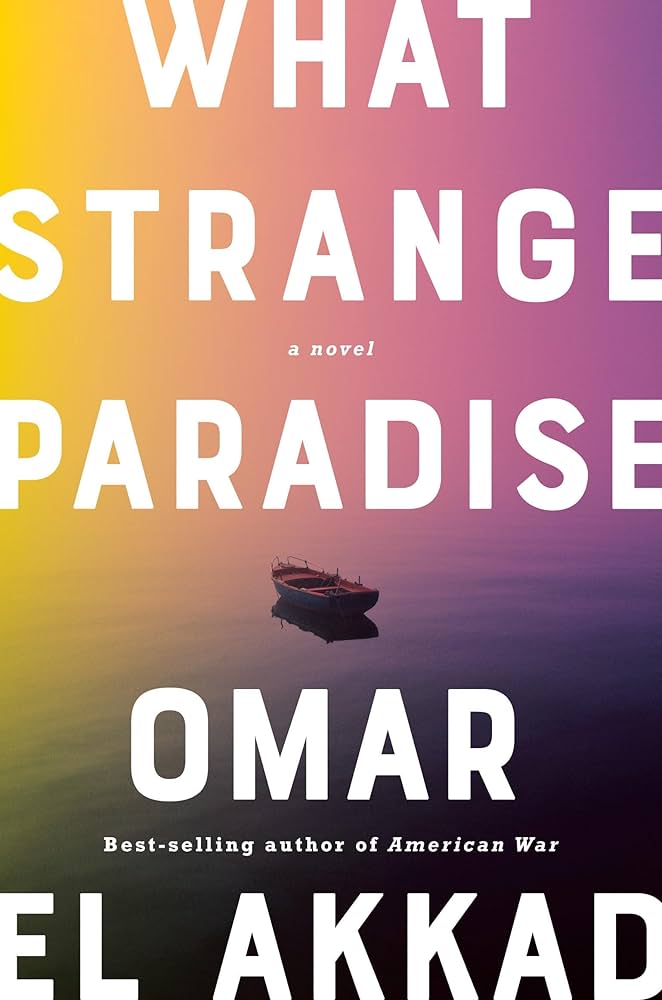
I had high expectations for both Anne Enright’s The Wren, The Wren and Selby Wynn Schwartz’s After Sappho, but neither of them excited me very much. On the other hand, I expected to find Omar El Akkad’s What Strange Paradise overhyped, but it was a highlight of my reading month—gripping, morally urgent, beautifully told. I also was very impressed with Ann Schlee’s Rhine Journey, which I was moved to read after hearing a convincing discussion of its merits on Backlisted.
Finally, I am so glad Shawn (of Shawn Breathes Books) recommended Sara Henshaw’s The Bookshop that Floated Away: it was a delight. It was more acerbic than I expected, but that was actually fine with me, as sometimes I get irritable with books that feel too obviously designed to appeal precisely to book lovers and those who (sigh) occasionally and delusionally imagine that owning a bookstore would be a lovely retirement option. (There’s this vacant house / storefront on Spring Garden Road that desperately needs salvaging and would make such a charming site . . . but even if the whole plan weren’t unsound, that property also has “money trap” written all over it.)
 All in all, then, a good reading month, with lots of variety, some hits, and some misses, though even the misses were well worth reading. With classes about to start, I don’t expect to get through quite so many unassigned books in September—but having said that, I’ve been setting some goals for myself and one of them is to read more and spend less time watching TV and doomscrolling on social media. Sometimes I need these distractions: they have a useful anesthetic effect when I just can’t keep it all up (and, as I remind myself, there are worse ways to get numb when you need to). But they don’t do much for positive energy—though aspects of social media, such as book talk and podcasts, definitely do! Anyway, writing these down as intentions (and making those intentions public like this) may help me make better choices in the moment.
 Another goal for the fall is to blog more, including continuing my longstanding series of posts about my teaching. I’ve been thinking a lot about what I want from the last phase of my career: I reach retirement age in 8 years, which, depending on the day, seems either very close or very far away. I don’t necessarily have to stop then—or, for that matter, to keep going until then! Things have been so turbulent in my life in recent years that I haven’t really been able to focus on this particular issue, but I do know that I don’t want to just drift towards retirement. Something ere the end, some work of noble note, may yet be done! One small gesture in this direction (though I would not say it looks like noble work at this point) is that I have volunteered for our departmental speaker series, where I will present whatever it is exactly that I’ve been doing about Woolf’s The Years. The paper’s working title is “Feeble Twaddle,” which is one way Woolf herself described the novel while she was working on it but which also often seems a fair description of the shitty rough draft I have so far produced. Being on the speakers schedule will, I hope, motivate me to wrestle it all into better shape. I think the last formal talk I gave to my department was an attempt (along these lines) to convince my colleagues about the potential merits of academic blogging—another lifetime, that seems like. That ship has probably sailed, although it has been interesting to watch my institution embrace a carefully vetted and marketed version of blogging under the rubric “Open Think.” You have to apply to participate! (Ahem, you could also just get your own free WordPress site and have at.) I guess it was the DIY version they didn’t like, maybe because they couldn’t control it, or take credit for it.
 It used to be a ritual for me to post a recap of
 Like everyone else I know, I was really impressed by Elena Knows; it was a treat to find that Piniero’s
  Devotion or Semi-Detached (or, in parts, North Woods)—that otherwise deal in wholly human or natural problems. De Gregorio doesn’t resort to wish-fulfillment or fantasy and that is both the pain and the strength of her treatment of love and loss.
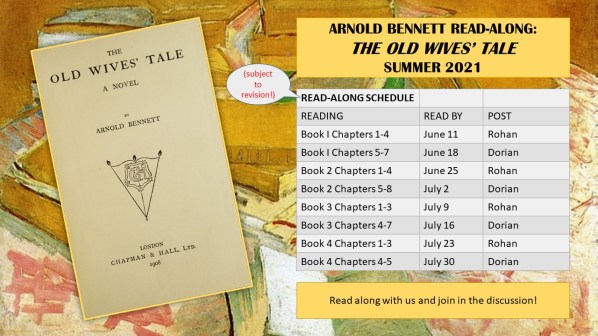


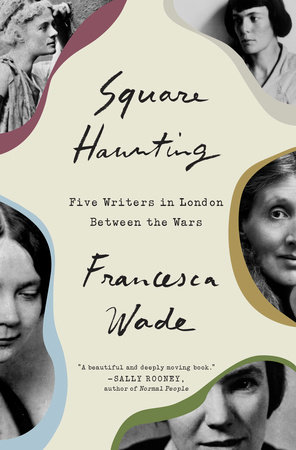
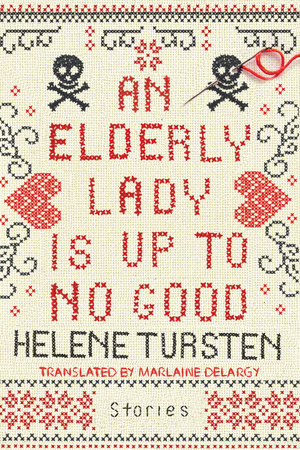


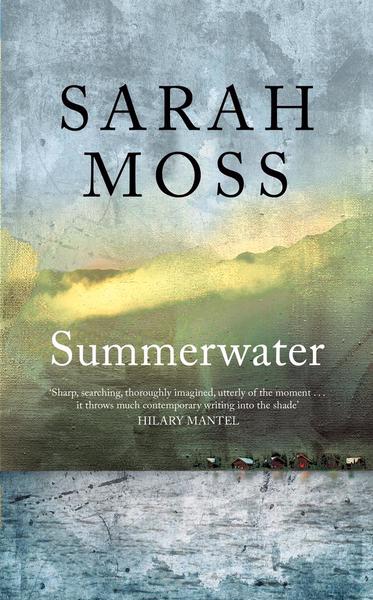


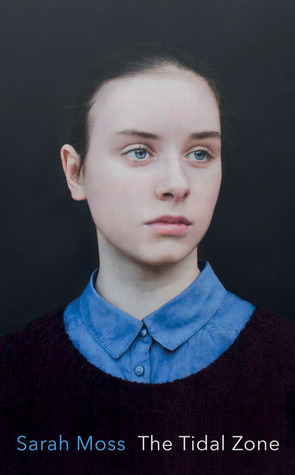

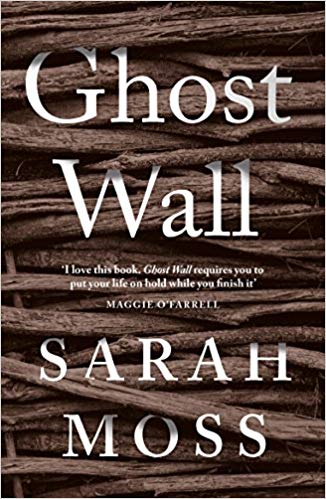


 There was an undeniable nip in the air when I went on my run this morning–the overnight forecast even included the ominous words “risk of frost.” Though we are sure to have some more warm weather as September unfolds, it will be nice fall weather: the season is definitely changing. The other sure sign of that, of course, is that classes start this week. I’ll have more to say about that soon as I begin the 11th season of posts about ‘This Week In My Classes.’ Before summer has completely receded, though, I thought I’d take a look back at its reading highlights.
 Katherena Vermette’s
  It’s a bit misleading to call Rhoda Broughton’s
  Last but not least, I read Sylvia Townsend Warner’s grimly charming
  Of the books I read for reviews, the one I enjoyed the most was Gillian Best’s The Last Wave; my write-up will be in the next issue of Canadian Notes and Queries. Adam Sternbergh’s
  I decided to ease out of the summer with some light reading on this long weekend — first
  The novels of
  September is here, which means that even though technically it’s still summer, it feels like fall. From now on, every nice day is to be cherished and even the sunniest Sunday will be under the shadow of Monday’s impending classes — though not quite yet, because my first class meetings of the new term aren’t until Wednesday. And as it happens, I will be able to wind up my summer without too much angst: yesterday I realized that right now, though as always there are plenty of things I could be doing, there’s really nothing I must be doing. All the writing I’d promised has been sent along to editors; my courses are prepped, including handouts, lecture notes, and slides for the first day(s); other odds and ends of administrative tasks have been completed. I suppose this is my reward for not really taking a vacation: though I did take it easy when I could, I didn’t travel, and I was in my office almost every weekday getting things done. As a result, I will head into the last long weekend of the summer without either the ambition or the pressure to be working.
 I had intended to create another book club site, probably for The Mill on the Floss, but in the end the time that would have gone into this project went instead into doing more book reviews than I had anticipated. One of my more general goals has been to get more experience and also more recognition for my criticism by writing for a wider range of venues. Because reviews are usually commissioned rather than pitched, I wasn’t sure quite how to do this, but I reached out to a couple of editors and was contacted by a couple of others, and in the end I was kept fairly busy! I consider this time very well spent for a number of reasons. First, I read and thought about a lot of books, some of them ones I would probably not have sought out if left entirely to my own devices. Then, in addition to the intellectual and literary benefits of engaging with a wide range of books, I had to work to deadlines and within space constraints set by other people, and also work with their editorial feedback. I cherish the freedom I have at Open Letters, but sometimes it paralyzes me a bit as I look for “just the right book” to review. I also think my colleagues there are among the very best editors around, but it’s bracing to venture outside, if only to find out what else I might learn. And I do feel that I’ve learned a lot this summer, partly about the genre of reviewing, and partly about my own writing process. I had hoped that writing more and faster would make me, ultimately, a more confident as well as a more widely competent writer, and I think it has.
 Here’s the tally of my summer reviewing, meaning books read and written about since classes got out in April:
 We may have been basking in some gorgeous summer-like weather lately, but classes have begun and that means we are well and truly into fall. It had been very quiet around campus — though I find the hush kind of dreary sometimes, I’d gotten used to it, and I’ve been feeling kind of cranky at the return of loud, cheerful voices in the hallway, doors opening and closing all the time, and other people impeding my progress on the narrow stairs! But the renewed energy is welcome, as is (mostly) the return to a more active, immediately demanding routine.


 Novel Readings