 It is hard to know how to begin the 2020-21 iteration of this ongoing series without cliches about how everything about it is unprecedented. In recent years I had started to worry that continuing to post about my teaching might be boring–a bit, perhaps, to me but more so to the people who still come by and read this blog–because in so many ways, things had been going on more or less the same for so long. I kept tweaking things, including both my teaching methods and my course design and reading lists, but the academic year has a predictable routine and one way or another I have kept teaching more or less the same material. And now none of that seems boring to me at all. I would so much rather be writing again about how annoying our long add-drop period is than about what’s actually going on. But here we all are, in general, without the option to go back to the way things used to be, and here I am, in particular, one week into the unprecedented experience of an all-online semester.
 So how is it going? One of the oddest things about it, to be honest, is that I really have no idea. The whole past week felt like a massive anti-climax: after months of work, trying to re-train myself and take on board an overwhelming amount of information about “best practices” for online course design and student engagement and teacher presence, after taking a 9-week online course myself to learn about how to do this, after countless hours revising my course outlines and schedules and learning new tools and building my actual Brightspace course sites … all with September 8 as the looming deadline for when the students would “arrive” and the whole experiment would really begin … After all of this, there was no one moment when we were back in class, no online equivalent to that exhilarating and terrifying first face to face session. Instead, because this is how asynchronous online teaching works, students just gradually and on their own timeline started checking in and making their first contributions, while I watched and waited and wondered and tried not to pounce too fast whenever a new notification appeared.
It was strange–it is strange–but in many ways the lack of drama is obviously exactly what I should want: it means that, so far anyway, nothing has imploded. Students seem to be doing fine learning their way around Brightspace; I haven’t had a wave of messages (I haven’t had really any, in fact) asking for clarification of policies or procedures; I haven’t heard, so far, of anything at all going wrong, from acquiring the course books to viewing the uploaded video lectures. I’m sure that eventually there will be problems, at their end or mine, but I am relieved that we seem to have had an uneventful roll-out in both courses.
 I’m also genuinely pleased about the contributions that have come in, especially, in both courses, the introductions students have been posting on our “getting to know each other” discussion boards. As I said to them, our first crucial task is to begin building the class into a community, and it has been lovely to see them embrace that goal by telling us a little bit about themselves and then (best of all) responding with great friendliness to each other. I don’t usually solicit individual introductions in all of my F2F classes, only in the smaller seminars, so actually I know more about these groups than I think I ever have this early in the term. While a lot of what I read and practiced this summer was about how to make myself present to my students as a real, if virtual, person, this exercise has been great for making them present to me, not just “students” in the abstract but two really varied and interesting groups of people who bring different perspectives, interests, and needs to our collective enterprise.
 Still, I find the spread of the experience out over all hours of the day and all the days of the week disorienting, destabilizing, uncomfortable. Usually my weekly schedule involves regular build-ups to each class meeting: preparing notes and materials and ideas and plans, doing the reading, summoning the energy. Then there’s the live session, which in the moment absorbs all my concentration. When it’s over, I’m drained, even if (especially if!) there has been a really good, lively discussion: being in the moment for that kind of exchange is unlike anything else I do in terms of how focused but also flexible, how attentive to others but also on-task I need to be. I love it, and I really miss it already. I know we can have engaged and intellectually serious exchanges in our online format, but they won’t have the same rhythm, or perhaps any rhythm at all, who knows. Not having to be up and dressed and out the door early in the morning (or ever!) is some compensation, and I expect I will find more of a routine as we settle into the term, but (and I expect I’m going to be saying things like this a lot this term, so sorry for the repetition) it’s a strange new way of being a professor.
 As for specifics, well, we’re discussing Seamus Heaney’s “Digging” and Adrienne Rich’s “Aunt Jennifer’s Tiger” in my intro class this coming week, and in 19th-Century Fiction it’s time for Hard Times (which I assigned this term because we ended up cutting it last term when we ‘pivoted’ to online). These are all texts I like a lot, though in my experience Hard Times is often a hard sell, even to students who otherwise like Dickens (which is never all of them, of course). Will I be able to communicate my enthusiasm and generate the kinds of discussions I aspire to in the classroom without being in the classroom? I guess I’ll find out. I’m trying to create recorded lectures that open up into writing prompts, rather than drawing conclusions, much as I would move in the classroom through laying out some ideas, contexts, or questions and then opening things up to their input. I am actually having some fun with this, though yet one more unknown is how effective my first attempts will be. I have the next two weeks of material nearly completed, so that buys me a bit of time: as I see what works and what doesn’t, and which approach to the lectures they prefer, I can adapt the next round accordingly.
I guess I would characterize my current feeling about this term as “cautiously optimistic.” Besides, it doesn’t really matter how I feel: this is what we all have to do. Doing it as well as possible under the circumstances remains the only plan I have.
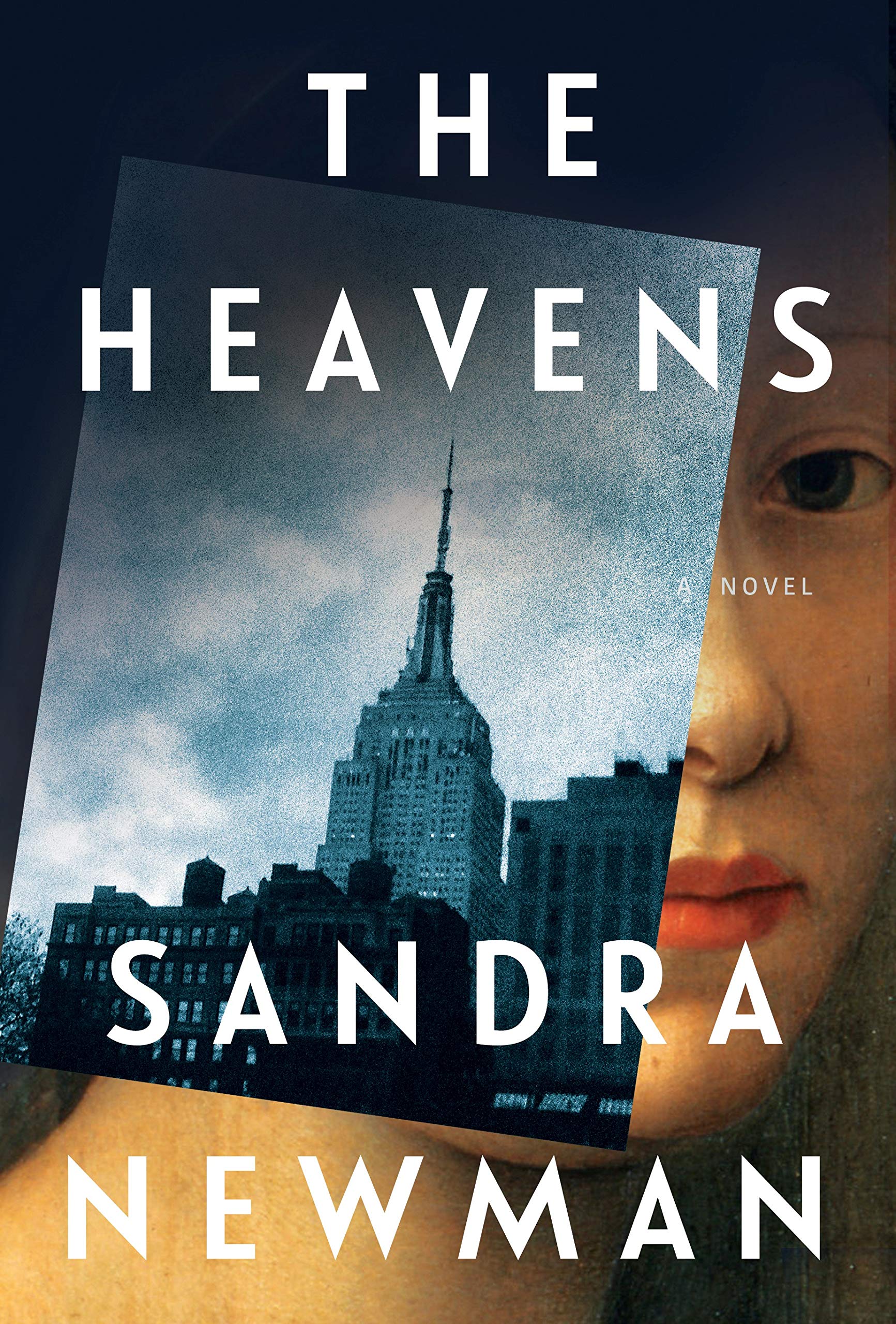
 I also didn’t understand the relationship between Kate’s specific choices in the past and the outcome she hopes for from them. She believes (or Emilia believes) that she has some kind of mission to save the world, but as the novel wound on I got more confused about the nature of that mission and the metaphysics that presumably make sense of it, never mind how she and we are supposed to get from what she does then to what happens now. (It probably didn’t help my attempts to never mind all that and just go along with Newman’s unexplained model of time travel that I’ve been proofreading my husband’s book on determinism, which includes compelling arguments about the logical consequences of any speculative ‘what if’ re-imaginings of the past.) Newman is writing fiction, so she doesn’t necessarily have to meet a stringent philosophical standard, but there wasn’t even enough narrative coherence to her version to hold doubts at bay. As far as I can remember it, Audrey Niffenegger’s The Time Traveler’s Wife (to which The Heavens has inevitably been compared) is every bit as metaphysically confusing and implausible but was at least an intensely gripping story.
 Well, it’s official:
  Having the decision made for me by circumstances hasn’t changed everything about how I feel about teaching online, but it has made a lot of those feelings irrelevant. Also, countering my wistfulness about what we’ll be missing are other, stronger feelings about what we will, happily, be avoiding by staying behind our screens. Every description I’ve seen of ways to make face-to-face teaching more or less safe for everyone involved has involved a level of surveillance, anxiety, and uncertainty that I think would make it nearly impossible to teach or learn with confidence: a lot of what is good about meeting in person would be distorted by the necessary health and safety measures, and even without taking into account the accessibility issues for staff, students, and faculty who would be at higher risk, being in a constant state of vigilance would be exhausting for everyone. Frankly, I’m relieved and grateful that Dalhousie has finally made a clear call that (arguably) errs on the side of caution. Now we can get on with planning for it.
 As my regret about the shift to online has been replaced by determination to make the best of it, I’ve also noticed something I’ve seen experienced online teachers point out before, which is a tendency to idealize face-to-face teaching, as if just being there in person guarantees good pedagogy. It doesn’t, of course. In my own case, I know that what I’ll miss the most is lively in-class discussions. But if I’m being honest, I have to admit that even the liveliest discussion rarely involves everyone in the room. Of course I try hard to engage as many people as possible, using a range of different strategies depending on the class size and purpose and layout: break-out groups, think-pair-share exercises, free writing from discussion prompts, discussion questions circulated ahead of time, handouts with passages to annotate and share, or just the good old-fashioned technique “ask a provocative question and see where it gets us.” Even what feels to me like a very good result, though, might actually involve 10 people out of, say, 40 — or 90, or 120 — speaking up. Others are (hopefully!) engaged in different ways, and there are different ways, too, to ask for and measure participation than counting who speaks up in class. Still, I’d be fooling myself if I pretended that there wasn’t any room for improvement–and what I want to think about as I make plans for the fall is therefore not how to try to duplicate that in-class experience online (ugh, Zoom!), partly because we are supposed to focus on asynchronous methods but also because maybe I can use online tools to get a higher contribution rate, which in turn might make more students feel a part of our collective enterprise. And, not incidentally, if all contributions are written, they will also get more (low-stakes) writing practice, which is always a good thing, and they will be able to think first, and more slowly (if that suits them), and look things up in the text, before having to weigh in.
 There are other ways in which (and we all know this to be true) face-to-face teaching isn’t perfect, and there are also teachers whose face-to-face teaching does not reflect best practices for that medium. Given these obvious truths, and especially since the shift to online teaching is driven by factors that themselves have nothing to do with pedagogical preferences, I have been getting pretty irritable about professors publicly lamenting these decisions, especially when it’s obvious that they haven’t made the slightest effort to learn anything about online teaching, or to reflect on the limitations of their own usual pedagogy. One prominent academic just published an op-ed in a national paper declaring that online teaching can only ever be a faint shadow of “the real thing”; others have been making snide remarks on Twitter about the obvious worthlessness of a term of “crap zoom lectures” (that’s verbatim) or questioning why students should pay tuition for the equivalent of podcasts. Besides the obvious PR downside of making these sweepingly negative and ill-informed statements when your institutions are turning themselves upside down to find sustainable ways forward, what kind of attitude does that model for our students? The situation is hard, I agree, and sad, and disappointing. But at the end of the day we are professionals and this, right now, is what our job requires. If we value that job–and I don’t mean that in the reductive “it’s what we get paid for” way (though for those of us with tenured positions, that professional obligation is important to acknowledge and live up to) but our commitment to teaching and training and nurturing our students–then, if we can*, I think we need to do our best to get on with it.
 And happily, though most of us are not trained as online teachers, we do have a superpower that should help us out: we are trained researchers! We can look things up, consult experts, examine models, and figure out how to apply what we learn to our own situations, contexts, pedagogical goals, and values. At this point, that’s what I’m working on: learning about online learning. Yes, I had other projects I was interested in pursuing this summer. In fact, I still do, but I have scaled back my expectations for them, because I can’t think of anything that’s more important right now than doing everything I can to make my fall classes good experiences, for my students and also for me. I have the privilege of a full-time continuing position, after all, and my university is making experts and resources available to me–plus there are all kinds of people generously offering guidance and encouragement through Twitter and I have been following up their leads and bookmarking
 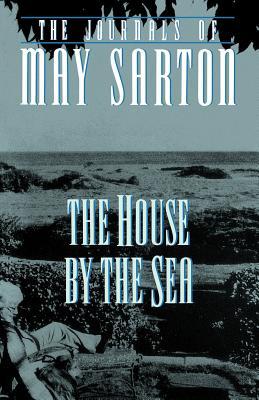 Solitude has replaced the single intense relationship, the passionate love that even at Nelson focused all the rest. Solitude, like a long love, deepens with time, and, I trust, will not fail me if my own powers of creation diminish. For growing into solitude is one way of growing to the end.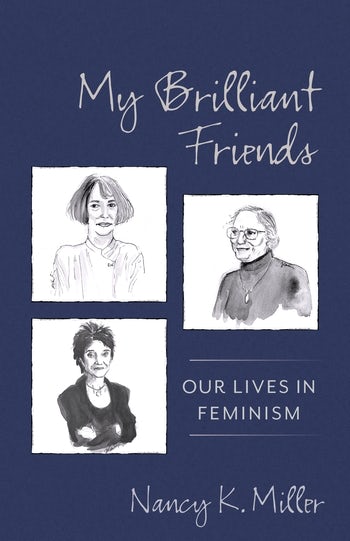
 A lot of things about My Brilliant Friends really interested me. The friendships Miller is reflecting on were with Carolyn Heilbrun, Naomi Schor, and Diane Middlebrook: all four of them are big names, renowned scholars of the generation that basically pioneered feminist literary scholarship in the American academy in the later 20th century—and thus the generation that laid the groundwork for my own education as a feminist critic. I’ve written here before about the influence of Heilbrun
 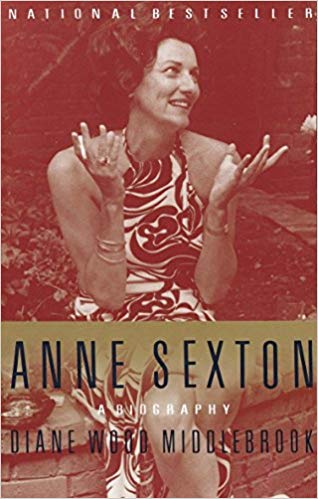 At its heart, though, My Brilliant Friends is really about more personal things than that (again, I think Miller might reply that the personal and the academic are not really so separable, or shouldn’t be). I found I wasn’t always able to be as interested as I wanted to be in the details. The Heilbrun section was the easiest one for me to engage with, because I have a relationship of my own, however indirect, with its subject. Miller’s thoughts on her friendship with Naomi Schor (a relationship which was long, complex, and of intense interest and significance to her) left me mostly unmoved, a detached spectator to the emotional intricacies of its ebb and flow. Of her three main subjects, I knew the least about Diane Middlebrook when I started the book; for some reason she came more vividly to life for me than Schor did, through both Miller’s recollections and her own letters. She sounds wonderful: she possessed, Miller says, “the art of making her friends feel loved and appreciated.” Theirs was a friendship formed relatively late in life, and I found Miller’s reflections on the different bases on which such belated bonds are formed really thought-provoking, especially as I have spent so many years distant from the very dear friends I made in my younger years.
 Death is the occasion for the book. Middlebrook died of liposarcoma, which she was diagnosed with not long after she and Miller met; Schor suffered a cerebral hemorrhage at only 58, which, Miller remarks, “while not a tragically young age, is young enough to feel untimely.” Heilbrun, of course, committed suicide: though a relatively small part of the book as a whole, the other women’s reactions to her choice are among the most thought-provoking moments, because they are tied up with their deepest convictions about autonomy, especially for women, as well as with their thoughts about living, aging, and dying. Miller quotes from an exchange about Heilbrun’s death between Middlebrook and Elaine Showalter (another accomplished and very influential feminist scholar of this generation, of course, and another whose work has played a large part in my own scholarly life—her book A Literature of Their Own was the first book of literary criticism I ever bought for myself, when I was just starting down this academic path). Middlebrook argues that the suicide was an act “taken on behalf of what she valued in herself, which was her independence,” while Miller sides with Showalter, at least emotionally, that while the death itself may have been a legitimate choice, it was regrettable that leading up to it Heilbrun had (as Showalter put it) withdrawn herself “from life, from the trivial, quotidian treats that gave pleasure, and from the tasks and obligations that give pleasure to others.” (As a side note, I looked up the rest of the Showalter-Middlebrook exchange because it is also a discussion about retirement, something that, while most likely a decade or more away for me, has begun to pose itself to me as a question: not just when, but what. My attention was especially caught by Showalter’s reference to a book that makes the case for “people reinventing themselves after 55. She believes,” Showalter says, “that it is actually necessary to make major life changes at this point, or fade away.” Hmm. That gives me just over two years!)
 It’s not just her friends’ deaths that prompt and shape Miller’s writing: early in her work on the book, she herself was diagnosed with lung cancer. “You discover that your position, secured among the living, is unstable, unsure,” she observes; “You may have imagined yourself safely on the side of the living, and then suddenly … you are on the verge, possibly, of disappearing yourself.” This increases her desire to be “the subject”—”to be in charge of the story even if it seemed I had lost control of the narrative.”
 I am trying not to feel dissatisfied with the writing I did in 2019. For one thing, I deliberately took a step back from a certain kind of ‘productivity’ in order to develop ideas about what I hope will turn into some worthwhile projects. This kind of
 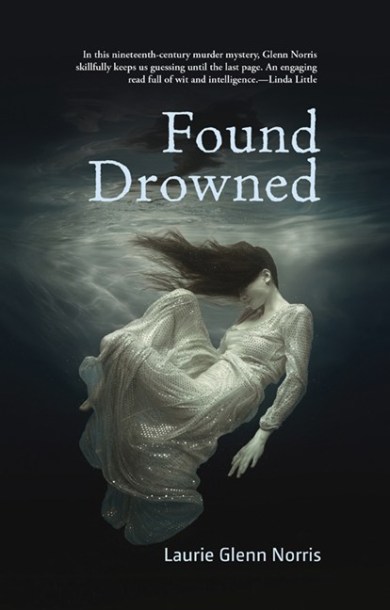 In any case, as it turned out, all of my publications in 2019 were reviews. For Quill & Quire, I wrote about Antanas Sileika’s
 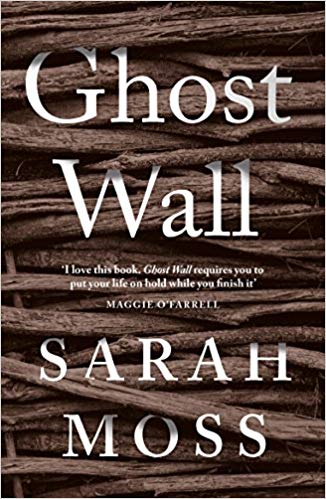 This isn’t really a bad run of reading and writing: there wasn’t any point in 2019 when I didn’t have a review underway in addition to whatever other work I was doing. I think one reason I nonetheless feel disappointed about what I have to show for 2019 is that although many of these books engaged and interested me, none of them excited me the way that, for example,
 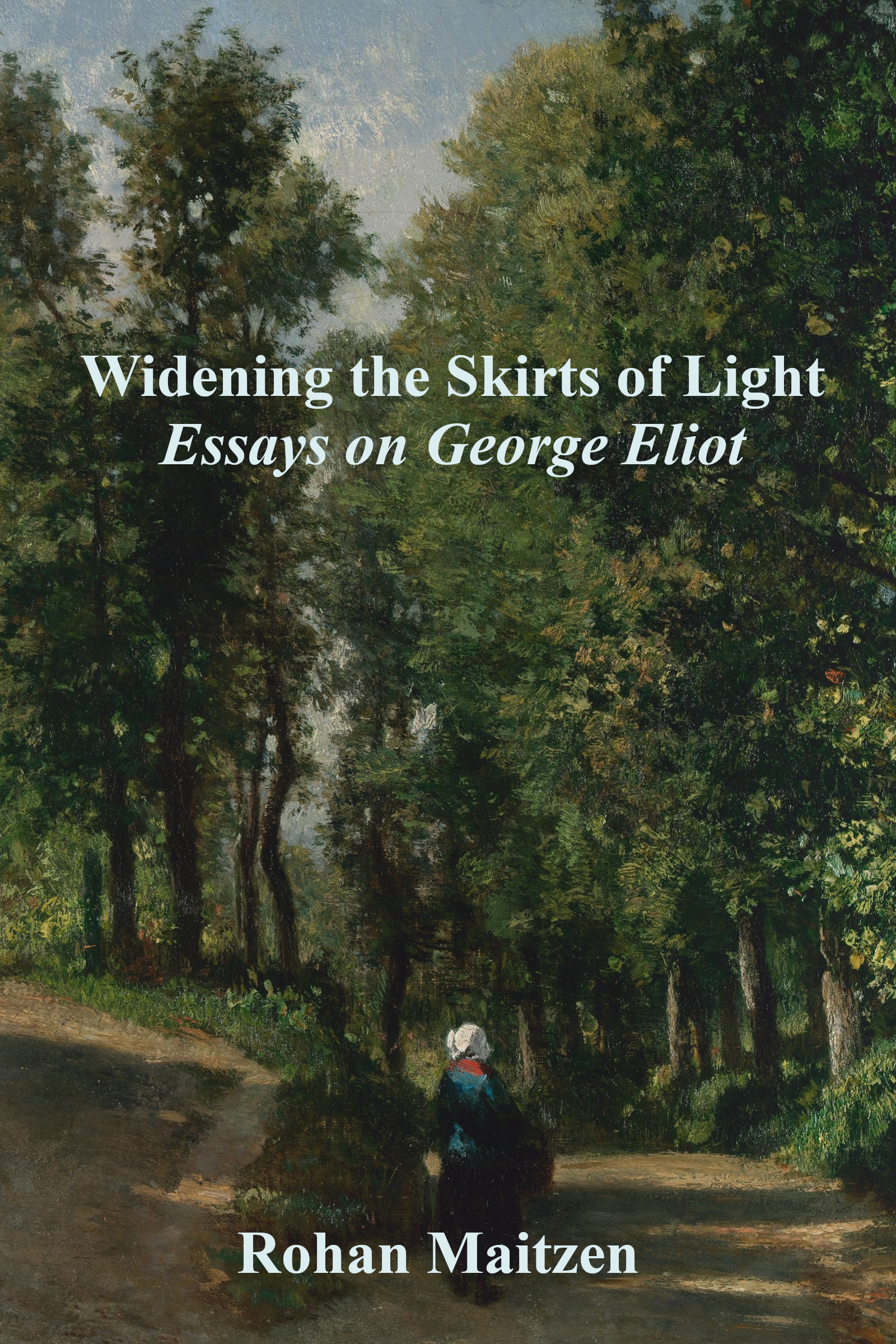 I did publish one more substantial thing this year: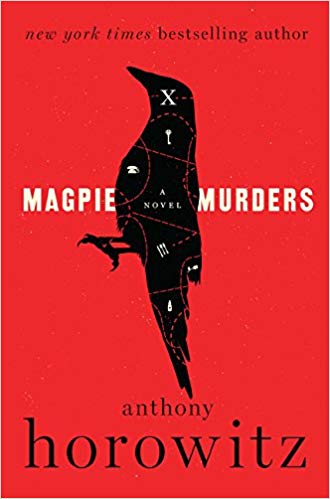
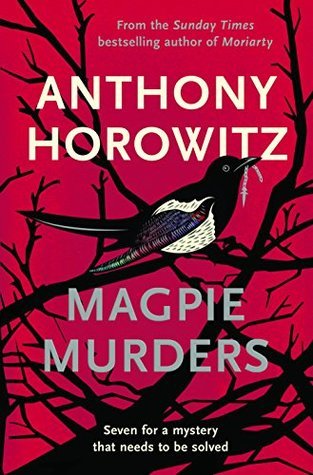 On the other hand, I did appreciate the metafictional commentary on the genre scattered throughout Magpie Murders, though it was (as far as I could tell) somewhat gratuitous or incidental to the novel(s). If the stories Horowitz was telling subverted expectations more than they do, or if their resolutions turned in some way on critiquing the ubiquity of murders on page and screen or the idea that anything about crime is in any way “cozy,” then the whole novel would (for me) have taken on much greater significance. Still, he raises good points about the perverse gratifications of the form even as he unapologetically offers them up, twice over. “I don’t understand it,” says Detective Superintendent Locke when Susan meets with him to discuss her questions about Conway’s death. “All these murders on TV–”
 That, she concludes, is “why Magpie Murders was so bloody irritating”–unfinished as it is when she first reads it. For me, though, the end of Horowitz’s Magpie Murders did not provide much satisfaction. The dotting of the i‘s and the crossing of the t’s seemed to show up the whole elaborate exercise as artificial, an impressive display of plotting but little to feed any deeper curiosity. I prefer my crime fiction more character driven, and also more embroiled in social and political contexts. I know Horowitz can write that kind of mystery, because he wrote
 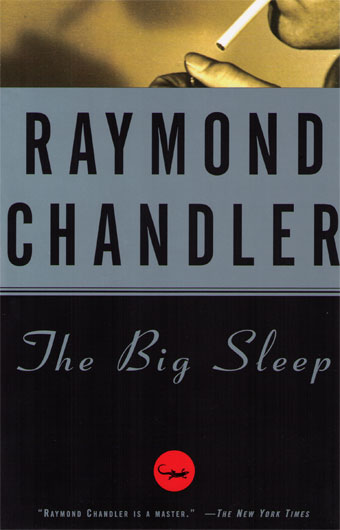 We have started our unit on detective fiction in Pulp Fiction and moved from Sayers to Hughes in Women & Detective Fiction, meaning it’s time to test
  I know The Big Sleep reasonably well at this point (though I still rely heavily on the helpful sketch of the basic plot, complete with who killed whom and why, that I drew up the first time I taught it!). This is my first time teaching In A Lonely Place, though, and so I am feeling my way along, trying to anticipate the most useful lines of discussion to open up, to tell what’s obvious and what isn’t, what examples are most thought-provoking, and so on. One small but important logistical thing you can’t really be sure of until you try it is whether you’ve chosen the right place to break up the novel for reading. I think I should maybe have assigned a bit more of it for today than I did (we read just the first two sections,just about 50 pages), but we didn’t run out of things to talk about, so that was reassuring.
 We are well into the term now, and overall I think it’s going fine. I do not like teaching Pulp Fiction at 120 students, which maybe doesn’t sound like that big a change from 90 but certainly feels like one to me. I miss being able to see their faces–and having at least a fighting chance of learning their names! I know that I have colleagues who have taught intro classes at even larger sizes, and also that I have colleagues who are comfortable, pedagogically, with teaching writing at this scale. Maybe they know something I don’t about how to make it work, but for me, the increasingly sharp division of class time into formal lecture time–you can do some Q&A, but not a wide-ranging, inclusive discussion in a tiered lecture hall–and tutorial time (where the 30:1 ratio is still far from ideal for either discussion or hands-on writing and editing work) is really unsatisfying. I don’t think it serves us or them particularly well.
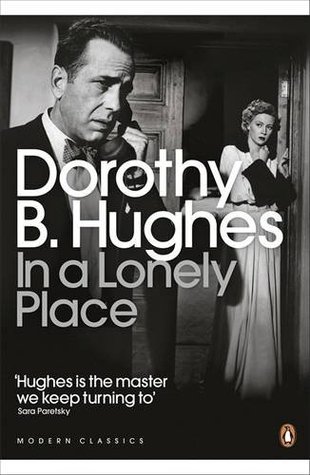 Next up is In a Lonely Place, which means for a while both my classes will be steeped in noir. Though I think both books I’ll be working on are great examples of their kind, it is not my own favorite kind of crime fiction, and it’s likely that this juxtaposition will exacerbate another lurking dissatisfaction of mine this term, which is with the amount of teaching time I’ve been spending on genre fiction. I hope it’s obvious that I am not a snob about genre fiction! I read and enjoy a lot of it; I was the one who introduced our detective fiction class well over a decade ago and I have taught it with great enthusiasm probably a dozen times; a few years ago I volunteered to do Pulp Fiction instead of one of our more standard intro to lit options; I regularly include sensation fiction in my Victorian fiction classes and offer a course exclusively on it; etc. This term, however, I have found myself unexpectedly weary of spending so much of my class time on books that (frankly) wear a bit thin over time because they aren’t, many of them, quite the kind of book that the English literature classroom–or at least my English literature classroom–was designed to showcase.
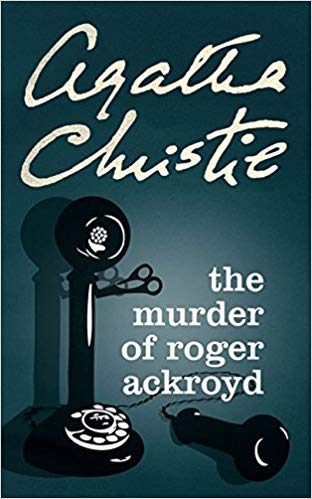 Do I really think that? Can I even say that? What exactly am I saying? I’m certainly not saying we can’t or shouldn’t teach genre fiction, or that doing so doesn’t involve doing rewarding or meaningful analysis. That we even have the concept of ‘horizontal reading,’ though, does suggest that genre fiction isn’t always best approached with the aim of deep or close reading, doesn’t it? Agatha Christie, to give just one example, is brilliant at many things (and I have gotten pretty good at making the case for them), but it’s not much fun lingering over the details of her prose; not much will come–not much of interpretive interest, anyway–from mining them for the kind of nuances we appreciate when we read, say, “Araby.” Sometimes in the detective fiction class I point out that (though of course there are exceptions) a lot of details we might read as symbolic in another kind of fiction are better read more literally in crime fiction: does it make any sense to read the dagger in Roger Ackroyd’s neck as anything other than a convenient sharp object suitable for murder? There is a similarly literal impulse in a lot of detective fiction: no matter how complex the social, political, or psychological elements, it is rare for the language in particular to be of great interest.
 I think what I’m saying is that I love my 19th-century fiction classes, which I still teach regularly, but I have also, over the years, loved teaching other more conventionally “literary” material and I’m starting to miss the greater variety I used to enjoy, especially the chance to teach more poetry and more (literary) fiction from other periods. That’s one reason I’m excited to be doing the British literature survey next term. I’ve also asked that, if possible, my next first-year course assignment be something besides Pulp Fiction. When I first designed my version of the course I imagined that students would get caught up in the contrarian spirit of reading genre fiction instead of the classics, but as far as I’ve ever been able to tell, they mostly don’t care: with rare exceptions, they’ve never thought about the difference before and what they really want is just to get their writing requirement as easily as possible. My advocacy for dismantling the canon is wasted on them: I’m standing there at the lectern basically having an argument with myself! And somehow right now I feel as if I’m losing it.
 It wouldn’t make much of a post to say that five years later, nothing has changed! And yet in most respects that’s true. (Certainly my office looks more or less the same.) I think, or at least I hope, that the consistency in my priorities and methods is a sign of success, not stagnation. I still take class preparation seriously and regularly look for ways to change things up, whether it’s
  On that motivational note, the two courses on my teaching schedule for this fall term are Pulp Fiction (a large introductory-level class) and Women and Detective Fiction (a small upper-year seminar). I’ve spent a lot of time over the last several weeks getting things in order for them; although I’m a bit anxious, as always at the start of term, at this point I’m eager just to get going. Once again, I will be writing about them here. Though sometimes over the years I have wondered if I’ll find anything new to say in this blog series, the exercise itself always proves that I do, and it also always proves valuable in the same ways I explained
