Spring in Halifax is always an equivocal season. Eventually the leaves do burst out and first the crocuses then the daffodils then the cherry and apple blossoms appear – but it is often grey and rainy, and it has even been cold enough a few times recently for us to get frost warnings overnight. Every year I eagerly anticipate the end of winter; every year I am surprised and disappointed (yes, even after more than three decades) at how reluctantly the weather actually changes. And in recent years, I also feel how fleeting the nice weather is before it turns too hot to be pleasant, or to sleep well!
However. With the onset of spring comes the end of the winter term and thus more time for reading! I have already written up the the books that really stood out to me: Daphne du Maurier’s Mary Anne, Jo Harkin’s The Pretender, Sally Carson’s Crooked Cross, Margaret Laurence’s The Stone Angel. That doesn’t mean none of my other reading in April and May was any good, or at least worth any comment, so here’s a sketch of the rest of it.
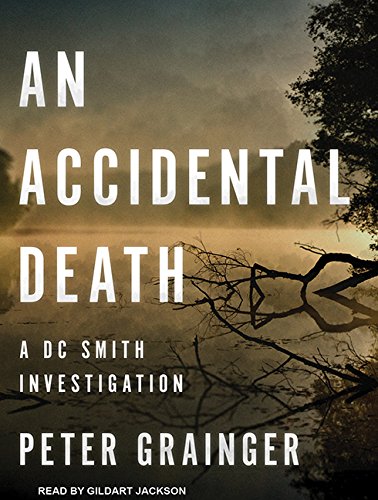
I’ll start by highlighting the oddity (for me) that I listened to three audiobooks in May by the same author: all mysteries by Peter Grainger, who was recommended to me by my sister as well as by my longtime online friend Janet Webb. I listened to the first three–An Accidental Death, But for the Grace, and Luck and Judgement–mostly while working on jigsaw puzzles, with the result that I made unusually rapid progress on them! The recommenders were right about the excellent narration by Gildart Jackson, who captures DC Smith’s character wonderfully. I don’t typically stick with fiction on audiobooks: I read to myself so much more quickly than they can be read aloud, for one thing, and often I feel I’m not keeping track as well as I do when I’m doing my own reading. This is why I more usually choose podcasts for my puzzle time. But these novels are not overly long–at 12 hours, the third one was quite a bit longer than the first two, 7 and 9 respectively–and the pace of the storytelling felt pretty brisk. The stories also engage with serious and sometimes difficult issues (such as assisted suicide, a key element of But for the Grace), but in a personal and humane way. As I understand it, Grainger has only recently been picked up by a mainstream publisher, which is why his books have been a bit under the radar. My library does not have nearly all of them; I found a couple of later ones on sale on Kobo the other day, so now I have to decide if I care about reading them out of sequence.
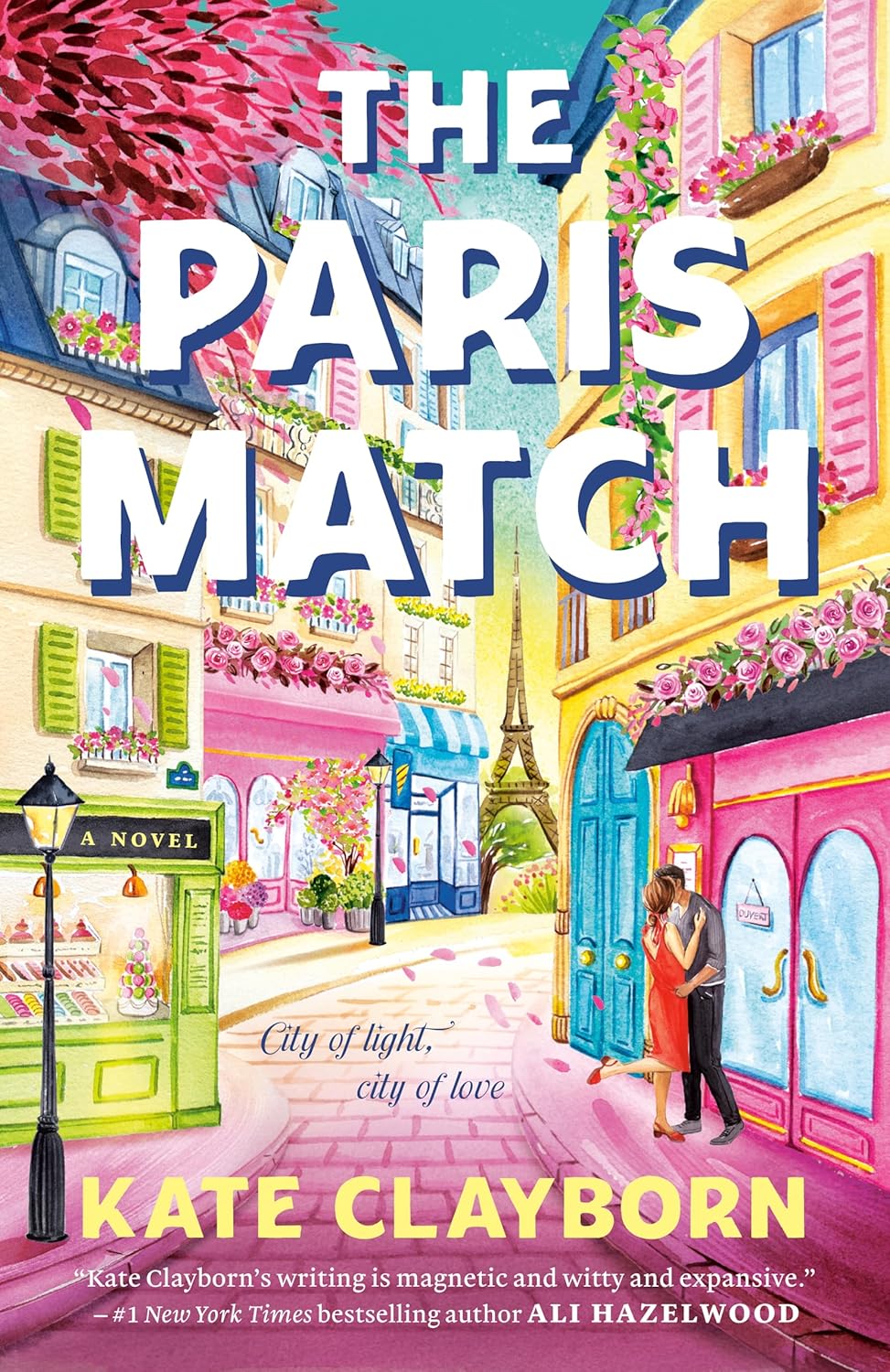
I read a few romance novels: Jody McAllister’s An Academic Affair (it was OK), Emily Henry’s Big Beautiful Life (it dragged), B. K. Borison’s First-Time Caller (cute, I enjoyed the Sleepless in Seattle homage, though it felt a bit too derivative at times), Curtis Sittenfeld, Romantic Comedy (meh), and Kate Clayborn’s The Paris Match. Clayborn’s ‘Chance of a Lifetime’ books (Beginner’s Luck, Luck of the Draw, and Best of Luck) are probably my favourite contemporary romance novels, with her Love Lettering also in my top few. I have not been as in love with the ones she has written since then, which sometimes seem to pack too much in, or to play the “past trauma” card too heavy-handedly or elaborately. I felt this way especially about The Other Side of Disappearing, which I reread recently to double-check my initial dislike. She’s a good writer, a better stylist (IMHO) than most current romance novelists I sample, but there’s an energy about those first three that I haven’t felt in any since, and the same was true of The Paris Match. It was fine. YMMV.
I read and didn’t much enjoy Terry Pratchett’s The Night Watch. I have read enough about Pratchett to really want to fall in love with his novels: imagine how many I would then be able to work my way through! I have had many recommendations over the years and never really followed up on them. When I saw the Modern Classics edition of The Night Watch I admit I fell for the marketing: this must be the best one, right? But since I reported on my “meh” experience, Pratchetters have corrected me: it’s late in the series, it relies a lot on our already being invested in the characters, it’s darker and less comic and joyful than [fill in preferred title here] etc. I didn’t hate it or anything. I’ll try Guards, Guards next, eventually.
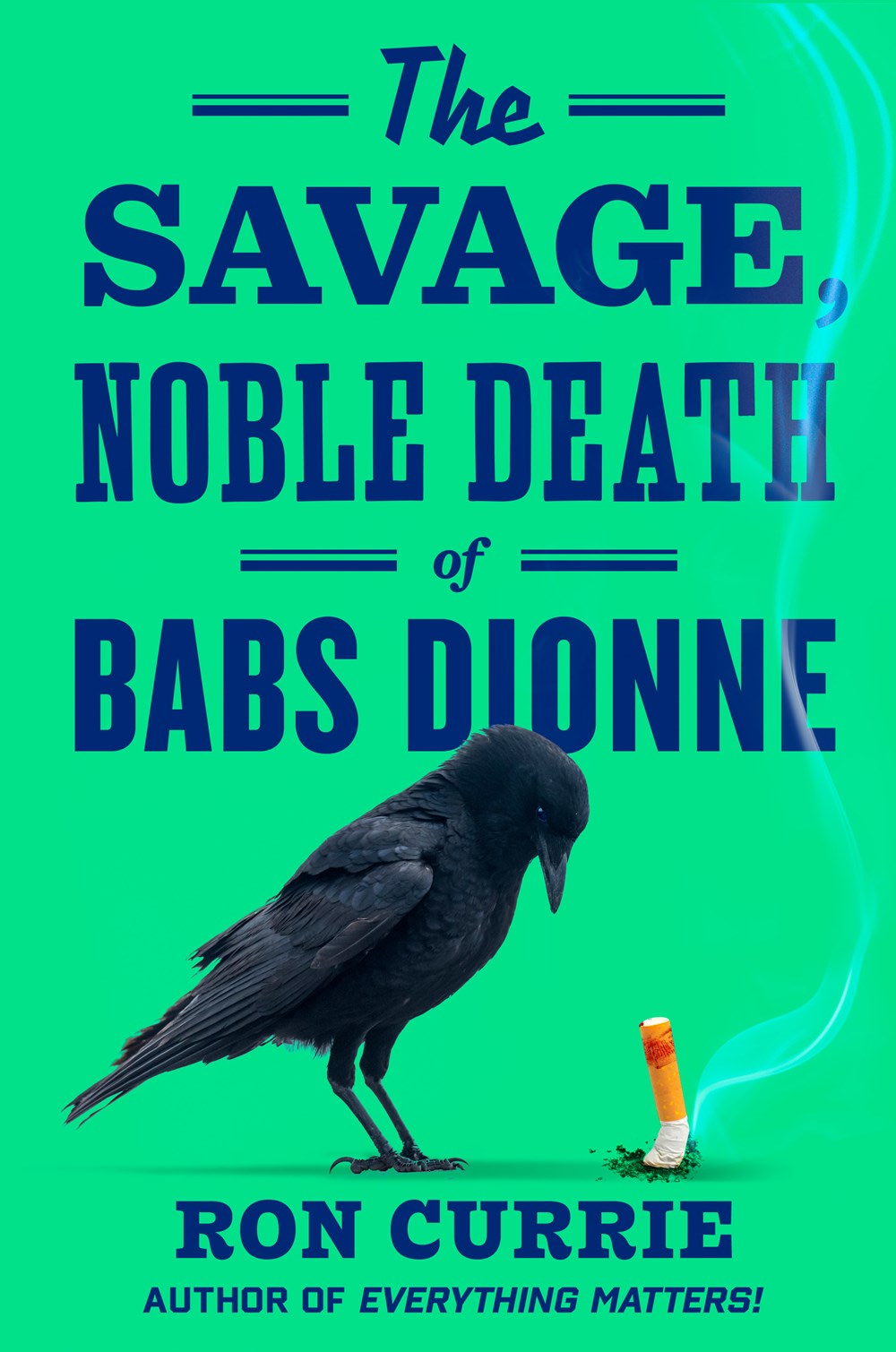
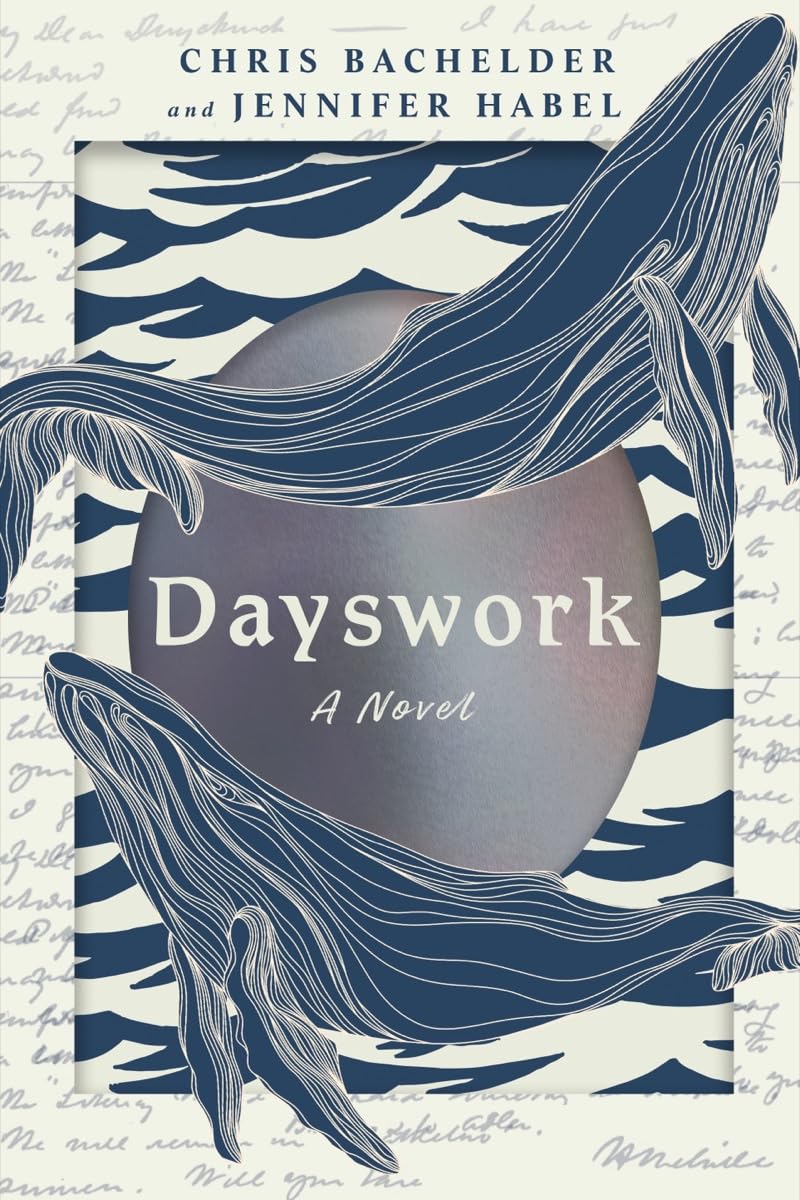
It’s remarkable how quickly a few of the books on my list have faded from my recollection. This is the price of not making myself write up every one of them here, as I once did! Ben Markovit’s The Rest of Our Lives: what was that about? (Don’t tell me! I’m being hyperbolic – sort of. I do basically remember it.) Ron Currie’s The Savage, Noble Death of Babs Dionne: why did I even buy it? (I remember why: I’m always scouting for good and especially genre-bending or innovative crime fiction and this sounded like it might hit the mark.) Chris Bachelder and Jennifer Habel’s Dayswork: well, to be fair, it isn’t written to be remembered, right, with its fragmented and wandering and insubstantial quality? For people who like that sort of thing, Dayswork will be exactly what they like. I didn’t dislike it; it just wasn’t for me.
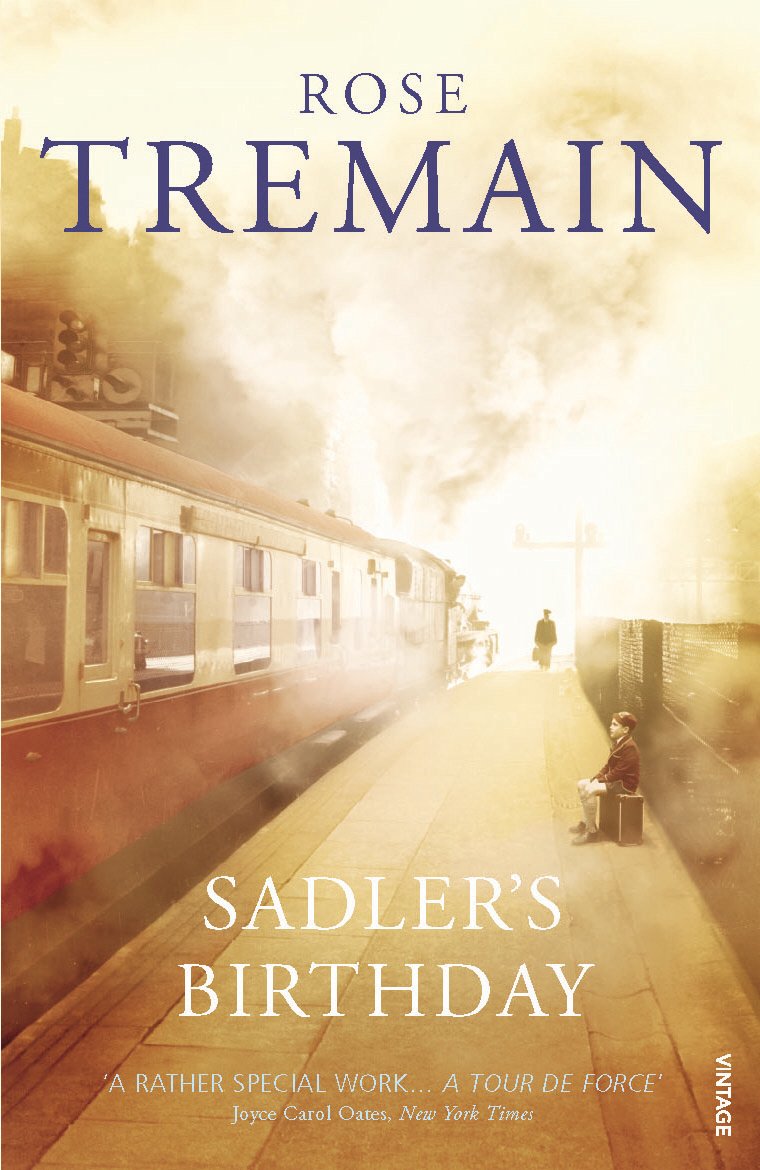
As preparation for reviewing Rose Tremain’s forthcoming novel The Housekeeper, I reread Rebecca (a damn near perfect book! definitely the best book I’ve read in the past two months and probably longer) and am also sampling Tremain’s back catalogue. I had previously read only Restoration and Music and Silence, both of which I really liked and neither of which prepared me for Sadler’s Birthday, her first novel, which is a day in the life of an aging former butler who inherited the estate and is now decaying along with it and remembering. Among his memories is a relationship with a young boy who came to stay on the estate during the war; I wasn’t sure Tremain saw this episode in quite the light we would today (the novel was published in 1976), but I found it hard to tell if it’s Sadler himself or Tremain who is a bit too forgiving. In spite of that, I thought it was a good novel: evocative but not nostalgic, sad but not sentimental.
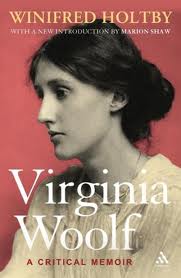
Finally, I made my way to the end of Volume 4 of Woolf’s diary. I commented back in March that I was flagging a bit in this project, and this continued to be true, even though some parts of Volume 4 were every bit as interesting as anything in the earlier volumes. During much of this volume Woolf is working on what became The Years; paradoxically, perhaps, because I have spent quite a bit of time in the last few years working up an argument about the composition, purposes, and (on the terms I set) failure of The Years, drawing on some material from the diary, that made this volume less interesting rather than more! So far the most exciting part of reading the diaries for me has been seeing Woolf become Woolf–discover what kind of fiction she wants to write, gathering her courage, making the experiment, being exhilarated by finding she can write it. Now that she’s more established, there’s less sense of daring, even though of course she continues to be concerned with trying new things and working out new ideas. She herself seems more excited towards the end of Volume 4 by her ideas for what would become Three Guineas, and I get it: Three Guineas is a better, more radical, more exciting book than The Years. Volume 5 is next–which means that the shadow of how it all ends feels closer and darker. Dramatic irony: we all live our own lives in that mode, unknowingly. That has always been one of my favourite things about Holtby’s book on Woolf, that she wrote it without knowing.
 Novel Readings
I can imagine how underwhelming ‘Night Watch’ must have been if you came to it without all the prior knowledge regular readers have (both about the Discworld and the watch). It’s been a while, but I remember enjoying all these books immensely 🙂
LikeLike
I have felt like you do for a long while now–“I have read enough about Pratchett to really want to fall in love with his novels”–and so my son brought me a copy of Guards, Guards last year, saying it was the best one. I did enjoy it. But I haven’t looked for any others.
LikeLike