Content warning: depression and suicide
The vast metaphor which most faithfully represents this fathomless ordeal . . . is that of Dante, and his all-too-familiar lines still arrest the imagination with their augury of the unknowable, the black struggle to come:
In the middle of the journey of our life
I found myself in a dark wood,
For I had lost the right path.
Early in his brief “memoir of madness” Darkness Visible, William Styron tells us about the op-ed he wrote for the New York Times after Primo Levi’s suicide, which to his great annoyance had left so many “worldly writers and scholars . . . mystified and disappointed.” “The argument I put forth,” he explains,
was fairly straightforward: the pain of severe depression is quite unimaginable to those who have not suffered it, and it kills in many instances because its anguish can no longer be borne.
Straightforward, perhaps, but the “spontaneous—and enormous” reaction to his article convinced him that it was worth saying more about his own experiences with depression. The result was first a lecture, then an article in Vanity Fair, and then this slim but powerful book.
 I read Darkness Visible on the recommendation of a friend who knew that I have been struggling to understand Owen’s decision to end his life from his point of view, not just because he did not share many details of his struggle but because I have never experienced depression myself—sadness, yes, and now grief, but these are far from the same thing.
There are always going to be things about Owen’s life and death that elude my understanding. An article I read about grief after suicide loss talks about the damage suicides do to people’s “assumptive world,” the things they assume to be true, which includes their beliefs about other people. There can perhaps be no more drastic reminder that other people are ultimately, precisely, other. I am working on accepting that many questions I have will never, can never, be answered. I also think it would be a mistake to think that depression in itself answers those questions: for one thing, as Styron emphasizes, many—in fact, most—people who suffer with depression survive it:
one need not sound the false or inspirational note to stress the truth that depression is not the soul’s annihilation; men and women who have recovered from the disease—and they are countless—bear witness to what is probably its only saving grace: it is conquerable.
Still, keeping that in mind, and also knowing that Styron’s experience was uniquely his own (something else Styron is clear about—”I don’t intend my ordeal to stand as a representation of what happens, or might happen, to others”), I was grateful, reading Darkness Visible, for the clarity and intensity of its depiction of depression from the inside, from the perspective of the sufferer. It was not an easy read, especially in my situation, but it made depression less “unimaginable” for me.
In the hospital I partook of what may be depression’s only grudging favor—its ultimate capitulation. Even those for whom any kind of therapy is a futile exercise can look forward to the eventual passing of the storm. If they survive the storm itself, its fury almost always fades and then disappears. Mysterious in its coming, mysterious in its going, the affliction runs its course, and one finds peace.
 Not always, of course, and as a book like this can only be written by just such a survivor, it is bound to tilt more towards optimism than might in other cases seem warranted. From his own experience, Styron appreciates that convincing a depressed person (usually “in a state of unrealistic hopelessness”) to see things as he now does is “a tough job”:
Calling ‘Chin up!’ from the safety of the shore to a drowning person is tantamount to insult, but it has been shown over and over again that if the encouragement is dogged enough . . . the endangered one can nearly always be saved.
In some ways, these cheering “chin up” sections of the book were harder for me to read than the other, grimmer parts. This one in particular actually angered me, for implicitly blaming friends and families for not offering dogged enough encouragement or, Styron’s other key term, “devotion,” to save their loved ones.
Instead, insofar as depression is an explanation for “drowning,” its deadly force surely lies in what Styron powerfully conveys as its horrors, which can be “so overwhelming as to be quite beyond expression”:
for those who have known it, [depression] is a simulacrum of all the evil of our world: of our everyday discord and chaos, our irrationality, warfare and crime, torture and violence, our impulse toward death, and our flight from it held in the intolerable equipoise of history.
“If our lives had no other configuration than this,” he considers that “we should want, and perhaps deserve, to perish.”
 True to his own experience, though, Styron does not end on this gloomy note, but on a more uplifting one:
For those who have dwelt in depression’s dark wood, and known its inexplicable agony, their return from the abyss is not unlike the ascent of the poet, trudging upward and upward out of hell’s black depths and at last emerging into what he saw as “the shining world.”
The last words of the book are not his but Dante’s:
And so we came forth, and once again beheld the stars.
I only wish that were true for us.
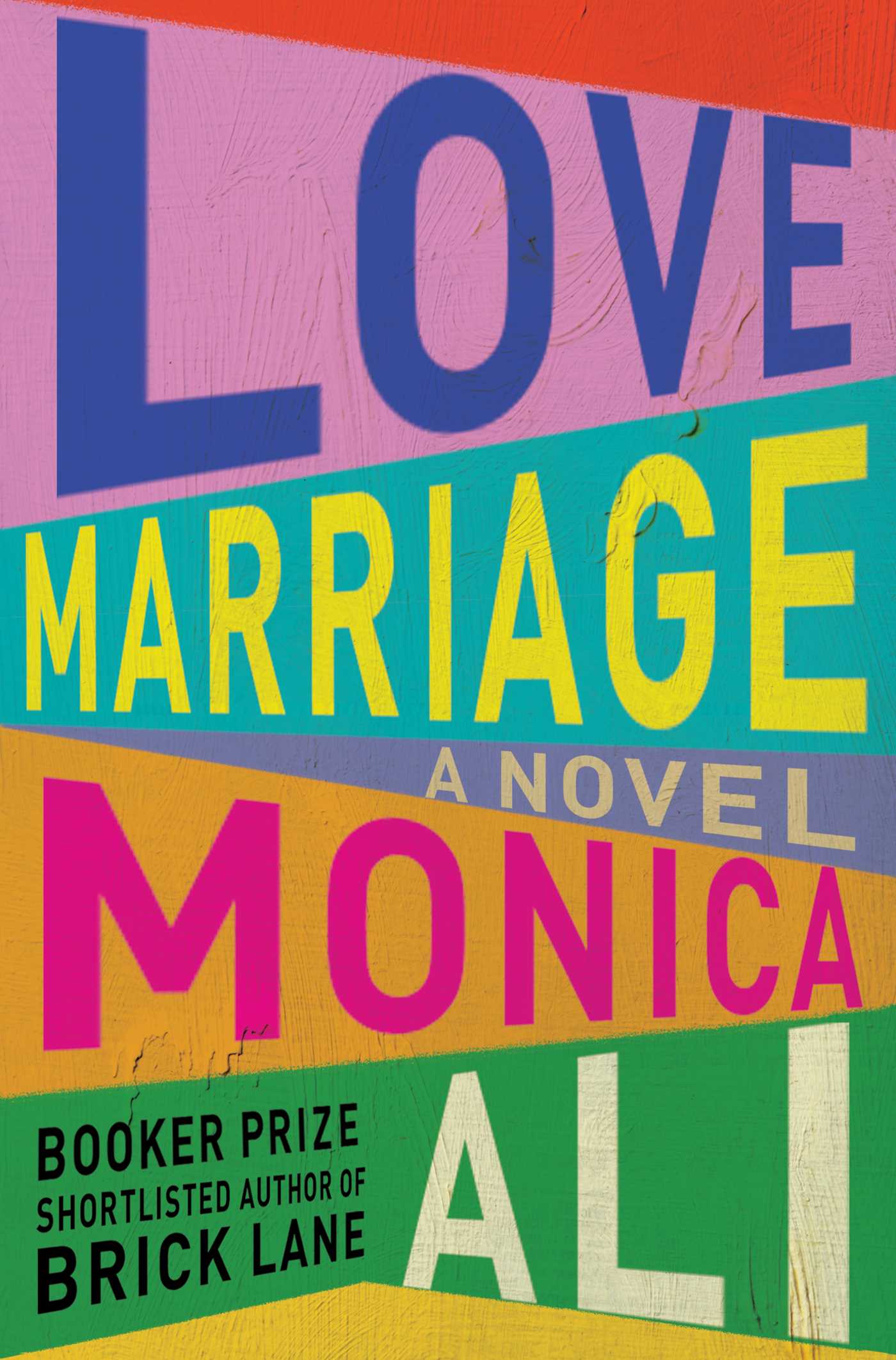
 July was not a very good reading month for me. By habit and on principle I usually finish most of the books I start, at least if I have any reason to think they are worth a bit of effort if it’s needed. In July, however, I not only didn’t even start many books (not by my usual standards, anyway) but I set aside almost as many books as I completed—Bloomsbury Girls (which hit all my sweet spots in theory but fell painfully flat in practice), Gilead (a reread I was enthusiastic about at first but just could not persist with), A Ghost in the Throat (which I will try again, as I liked its voice—what I struggled with was its essentialism and its somewhat miscellaneous or wandering structure). I already mentioned Andrew Miller’s Oxygen and Monica Ali’s Love Marriage, both of which I finished and enjoyed,
  Ali Smith’s how to be both was a mixed experience for me. My copy began with the contemporary story (as you may know, two versions were published), and it read easily for me and was quite engaging, in the same way that the
  Another reread for me in July was Yiyun Li’s
  No, it’s not an elegy, I thought. No parent should write a child’s elegy.
 July 2019
 Since I
 Anyway, this is a pretty roundabout way to get to the point of this post, which is to update the record of my recent reading, if only to shore up my recollections of this period of my life. There’s no way I can write “proper” posts about each of these recently read titles, but I don’t want to forget that I read them, and I also (as part of my larger effort to “reengage with the world”) want to push myself past the sad inertia that at this point is mostly to blame for my losing the habit of writing up my ‘novel readings.’ I remind myself, not for the first time, of my conviction that if something was worth doing before a catastrophe,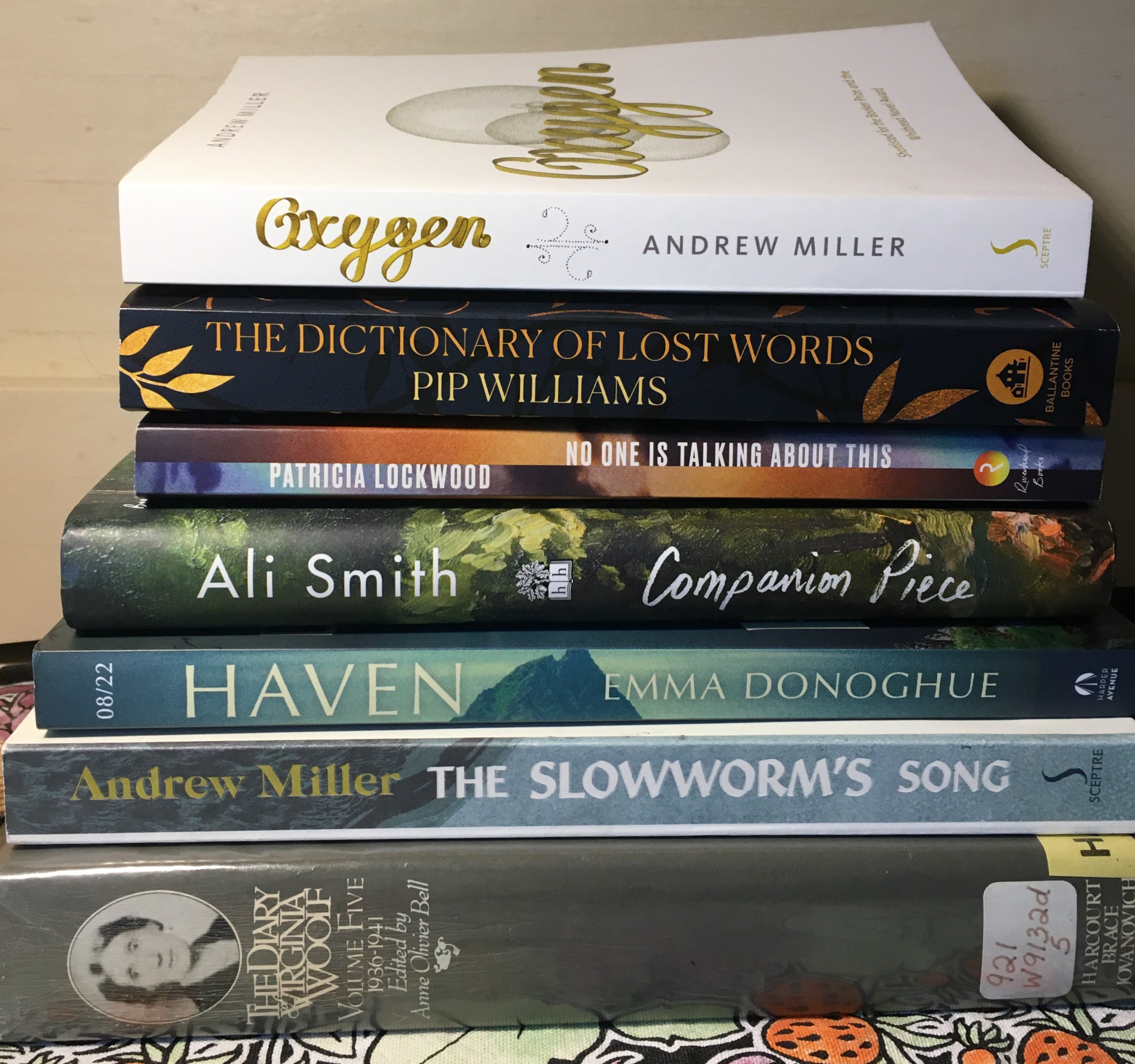
 I have stumbled more in the last couple of weeks, starting and then quitting a lot of titles including Sarah Hall’s Burntcoat and Rachel Cusk’s Second Place, but I did read Monica Ali’s Love Marriage with interest that (with a bit of persistence) grew into appreciation. One book I began with enthusiasm but ultimately decided not to finish was Marilynne Robinson’s Gilead, which I have read before, long ago (pre-blogging, that’s how long ago!). It was just too religious for me this time: I just don’t see the world as John Ames does, and while as a well-trained and very experienced novel reader I totally understand and agree that I don’t have to in order to engage with his story, this time (with apologies to the people of faith among you) it just felt too much like having to take very seriously someone who believes in


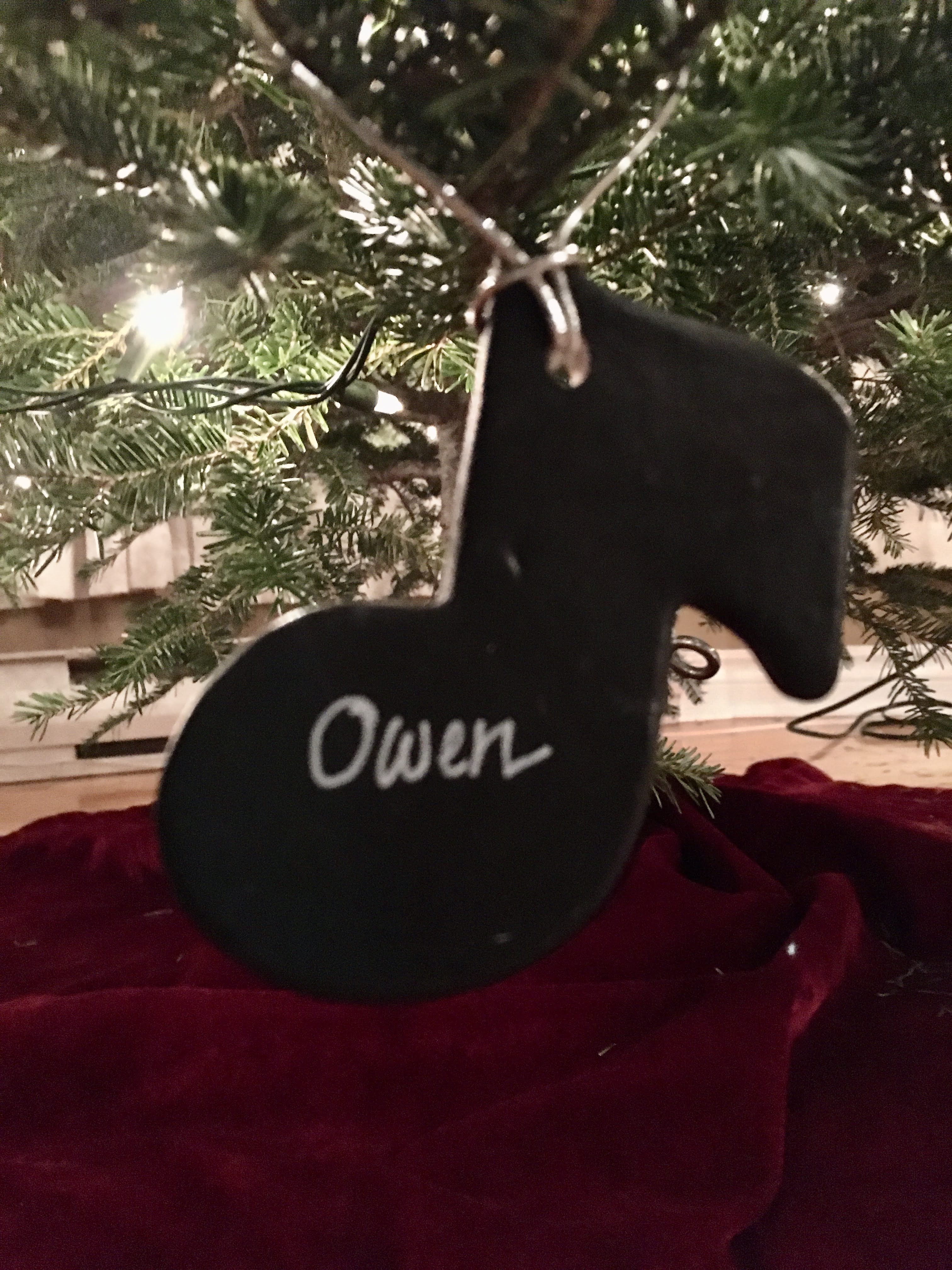 The mind is not only its own place, as Milton’s Satan observes, but it can also be a pretty strange place, or mine can anyway, especially these days. Today, for example, it has been six months (six months!) since Owen’s death, and what keeps running through my mind is a mangled version of lines from “The Charge of the Light Brigade”: “half a year, half a year, half a year onward, into the valley of death …” and then nothing comes next, it just starts over, because not only (of course) are these not the poem’s actual words but I don’t know what words of my own should follow to finish the thought.
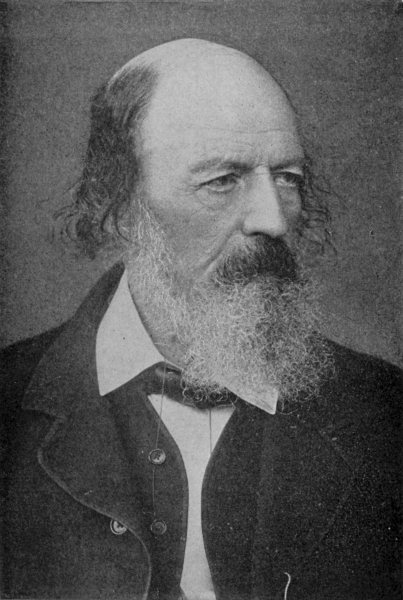 It’s hard to imagine a poem that is less apt, for the occasion or for my feelings about it. (I hate this poem, actually, though I love so much of Tennyson’s poetry.*) I can’t think of any reason for this mental hiccup besides the generally cluttered condition of my mind thanks to two years of COVID isolation and now six months (six months!) of grieving. Six months is half a year—half a year! I have to keep repeating it to make myself believe it, and it’s probably just the repetition and rhythm of that phrase that trips my tired brain over into Tennyson’s too-familiar verse.
Half a year. That stretch of time seemed unfathomably long to me in the first
It’s hard to imagine a poem that is less apt, for the occasion or for my feelings about it. (I hate this poem, actually, though I love so much of Tennyson’s poetry.*) I can’t think of any reason for this mental hiccup besides the generally cluttered condition of my mind thanks to two years of COVID isolation and now six months (six months!) of grieving. Six months is half a year—half a year! I have to keep repeating it to make myself believe it, and it’s probably just the repetition and rhythm of that phrase that trips my tired brain over into Tennyson’s too-familiar verse.
Half a year. That stretch of time seemed unfathomably long to me in the first  How should the thought finish? As I walk through the valley of the shadow of Owen’s death, I have no sure path or comfort. All I know, or hope I know, is that at some point, in some way, I will emerge from it and he will not. Six months ago today, devastated beyond any words of my own, I copied stanzas from Tennyson’s In Memoriam into my journal. It remains the best poem I know about grief, though as it turns towards a resolution not available to me, maybe it’s more accurate to say that it contains the best poetry I know about grief. (For that, I can forgive him the jingoistic tedium of “The Charge of the Light Brigade.”) This has always been my favorite section—it is so powerful in its stark simplicity:
 Not a happy summer. That is all the materials for happiness; & nothing behind. If Julian had not died—still an incredible sentence to write—our happiness might have been profound . . . but his death—that extraordinary extinction—drains it of substance. (Woolf, Diaries, 26 September, 1937)
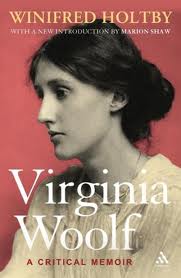 I haven’t written much new about Woolf yet this year (I’ve been focusing on other pieces of my project) but I have thought about her a lot—specifically, I have thought a lot about her suicide. One of my favorite things about Holtby’s Critical Memoir of Woolf is that Holtby died before Woolf did and so no shadow darkens her celebration of
  With Woolf on my mind again thanks to Queyras’s book, I picked up Volume 5 of her diary (1936-1941), which I have to hand because it covers the time she was working on The Years and Three Guineas. So much is always happening in her diaries and letters: you can dip into them anywhere and find something vital, interesting, fertile for thought. This volume of the diary also includes the lead-up to war and then her experience of the Blitz, and the final entries before her suicide, which are inevitably strange and poignant—even more so to me now. Leafing through its pages this time, though, it was the entries around the death of her nephew Julian Bell in July 1937 that drew me in: Woolf as mourner, not mourned.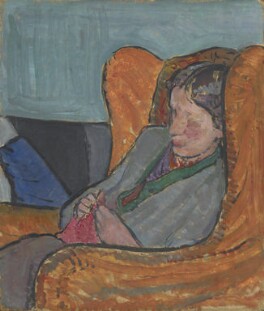

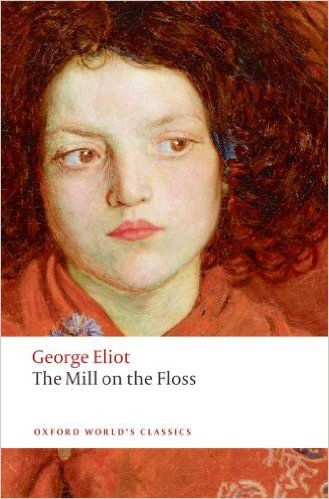
 The aspect of the novel that I found the most thought-provoking is that the act that precipitates Stephen’s subsequent descent into alcoholism and despair is (relatively speaking) quite a small-scale one. There’s a lot of build-up to it, a lot of manipulative anticipation created. In the lead-up to the revelation, we hear about a range of horrifying atrocities—booby-traps and bombs; gangs kidnapping, torturing, and murdering people; cold-blooded shootings of people pulled from their cars in front of their families—so it’s almost an anti-climax when we find out that what Stephen did (“all” Stephen did) was shoot an unarmed teenager. It happens during a house search, a routine but also very tense operation: everything, we have learned by this point, is unpredictable in Belfast, and being on edge is a way of life for the soldiers on patrol. Stephen is posted in the alley; when the boy comes out of the back door, all Stephen registers is that “his hands were not quite empty.” Afterwards, Stephen is encouraged to dwell on the perceived threat: “if I’d believed my life was in danger then I’d had every right to do as I did.” He does as he’s told, and in the end there are no formal consequences beyond his being relocated out of Ireland.

 The past few weeks, though still often sad and difficult, have been a bit better for reading. I’m not sure if it’s me or the books—probably a bit of both.
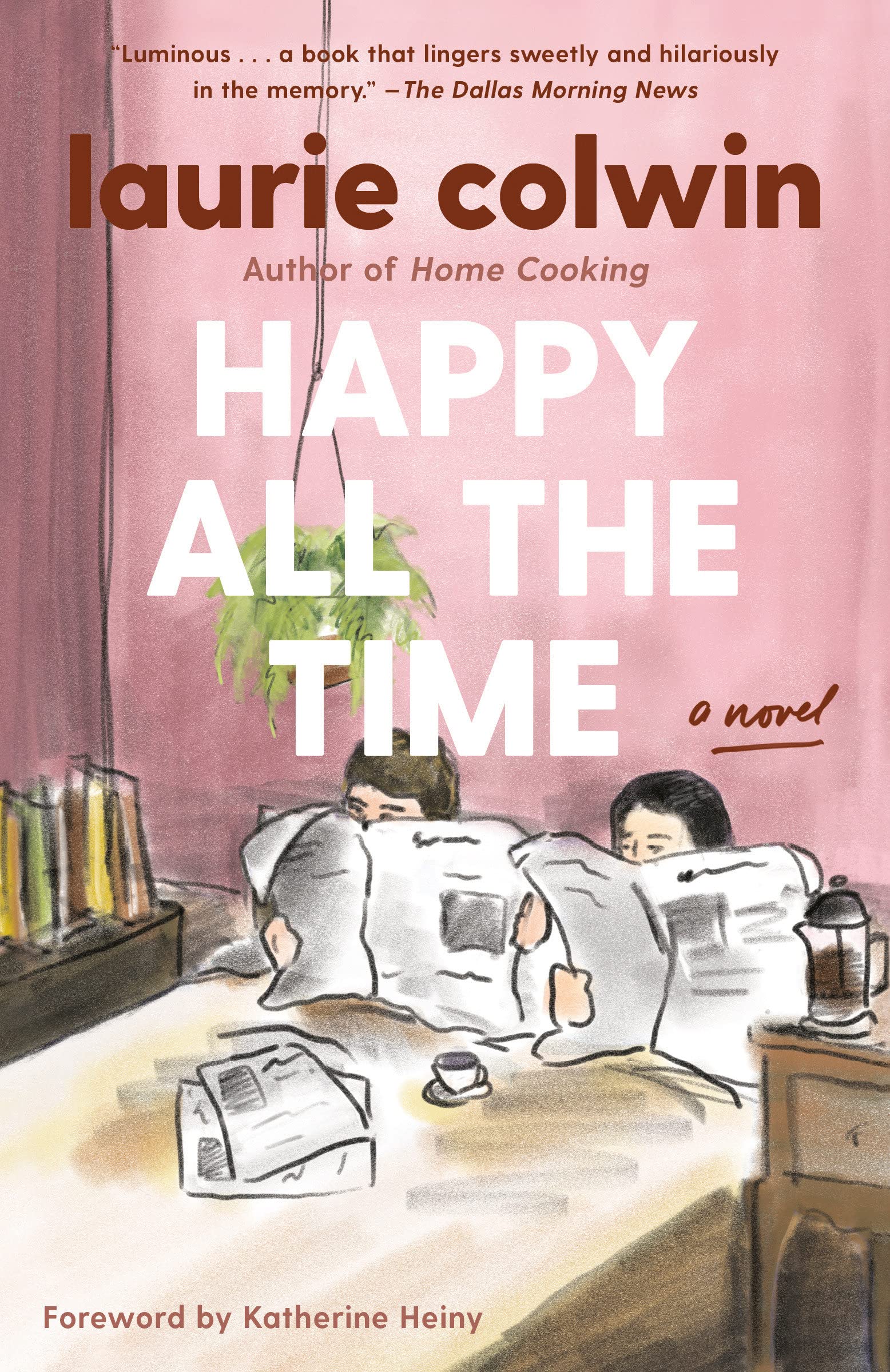 I didn’t much like Andrew Sean Greer’s Less. I persisted to the end, but it never engaged me deeply at all. My least favorite quality in a book is archness, and that seemed to me Less‘s primary mood. It will shock some of my Twitter friends when I say that I also didn’t much like Laurie Colwin’s Happy All The Time: it isn’t arch, exactly, but it is crisp and clever and detached to the point that it felt thin, even superficial, and thus unsatisfying. I was interested in the premise of Kate Grenville’s A House Made of Leaves and there are good things about it, but overall the execution felt dry and the messages (about history and gender and colonialism) perfunctory, delivered rather than dramatized.
 I have some promising options in my TBR pile to choose from next, including Nicola Griffith’s Spear (a sequel to
  Novel Readings