 October was a fitful reading month. I blame . . . everything? including my own bad habits, which currently include far too much election doom-scrolling on social media. I began the month by finishing up The Bee Sting, which I already mentioned in my September reading round-up. I really enjoyed it until, perhaps paradoxically, nearly the end. The reason this might seem odd is that the novel is a really slow burn, building up to the cataclysm of the conclusion, so it seemed as if I should have been more and more engrossed as the suspense built. But honestly, there was just so much going on that I got a bit worn out, especially as it eventually started to seem as if Murray was just deliberately and heavy-handedly deferring revelations about what exactly was going to happen. Suspense easily becomes cheap if it’s just about exploiting our dread while ramping up the stakes. I was relieved when the book was over, although it is a pretty shocking ending.
The only other book that really stood out to me of the seven I read in October (not counting Adam Bede for class) was Dorothy Baker’s Cassandra at the Wedding, and I gave that its own post, which seems at the moment to be how this works: I can only muster the energy and enthusiasm for a one book post if the book really lights me up!
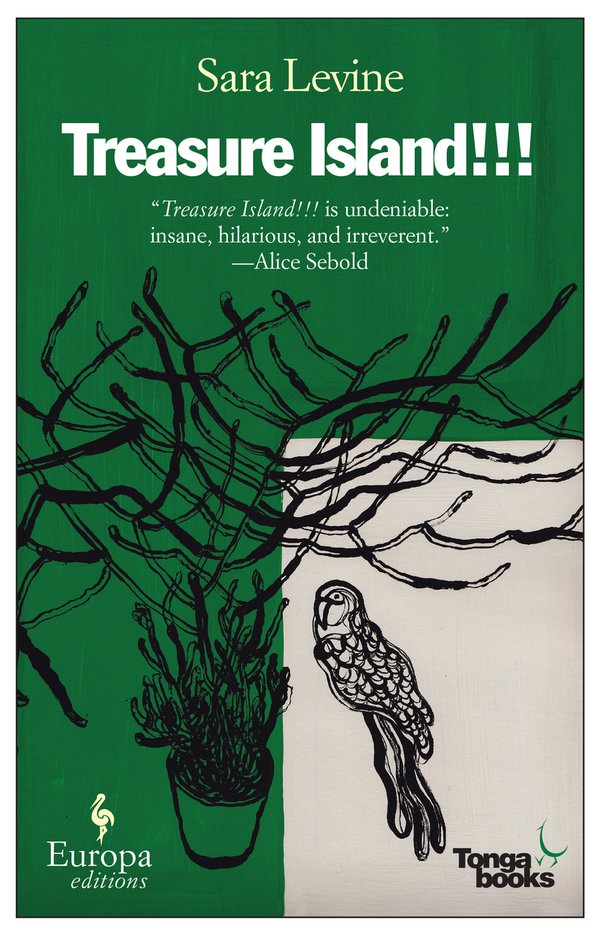 That said, I did quite enjoy Sara Levine’s Treasure Island!!!, which I picked up quite randomly at the library, mostly because it’s a Europa Edition but also because I vaguely recalled hearing good things about it online. It turned out to be a sharp and very funny send-up of the “great literature transformed my life” genre. Its narrator, whose life is in something of a shambles, reads Treasure Island and decides it offers her a template for turning things around. She adopts the novel’s “Core Values”—BOLDNESS, RESOLUTION, INDEPENDENCE, HORN-BLOWING—and applies them to her job (which, improbably and hilariously, is at a “pet hotel,” where clients sign out cats, dogs, rabbits, even goldfish), her boyfriend, and her family, with hilarious if also sometimes weirdly poignant results. I have such a love-hate relationship with books that purport to turn literature into self-help manuals that I relished the premise, but Levine uses it as a launching point for something much zanier than I could possibly have expected or can possibly summarize.
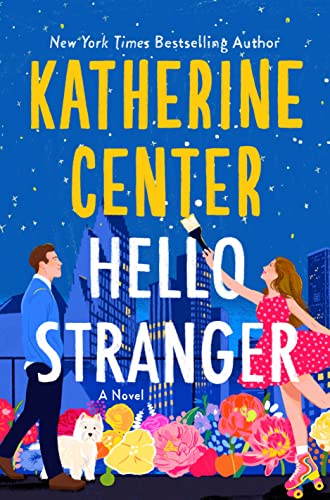
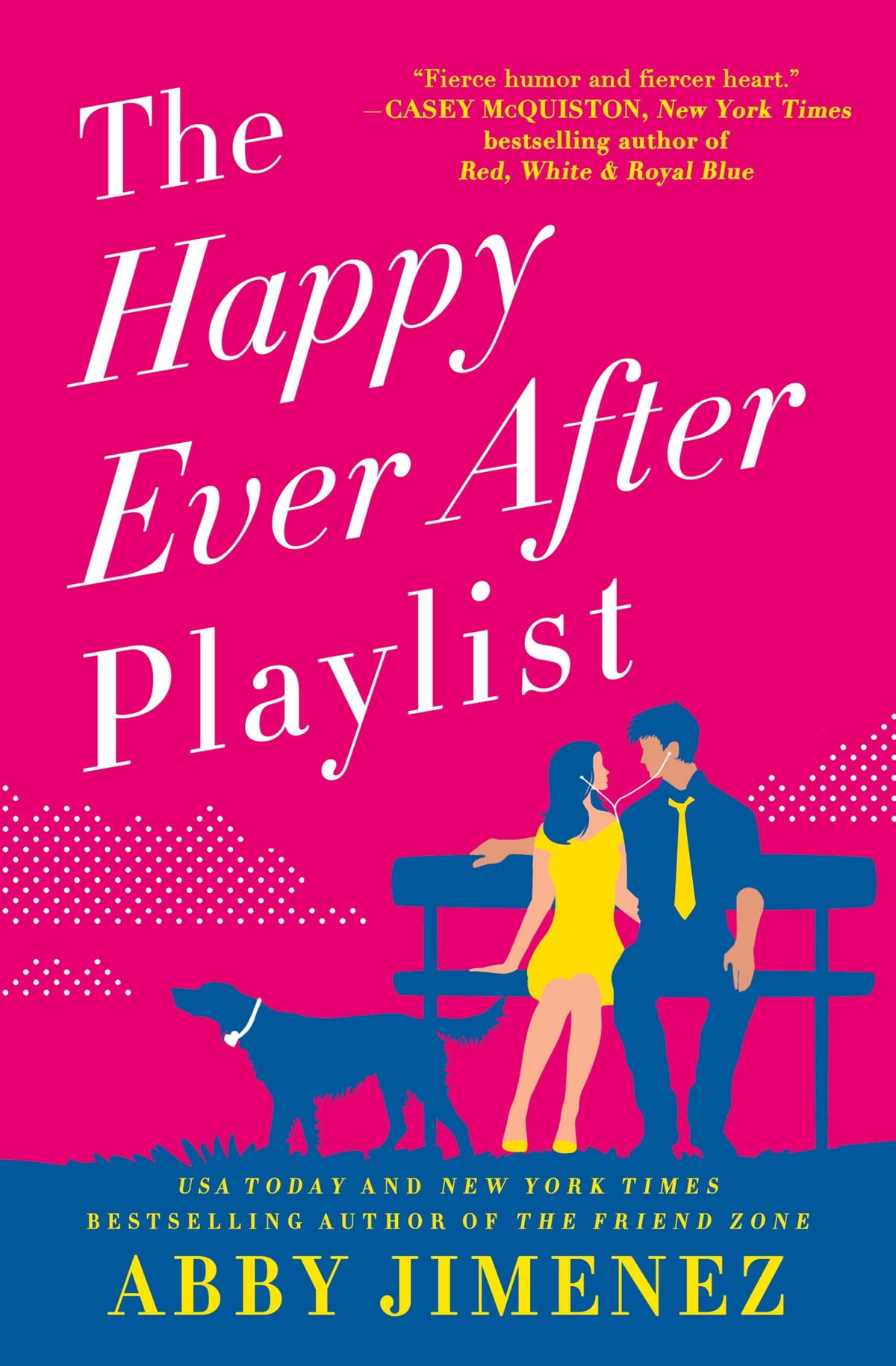
I read another Abby Jimenez novel, Part of My World, and have already forgotten what it was specifically about. I read another Katherine Center novel, The Bodyguard, and did not like it nearly as much as Hello Stranger. I’m still on the waiting list for her latest, The Rom-Commers: it looks promising but clearly for me she’s a hit-or-miss author.
I finally read Jane Harper’s The Dry—I say ‘finally’ because I regularly shop around for new mystery writers, partly for my own interest but also because I like to refresh the reading list for my mystery & detective fiction course, and Harper is someone that keeps coming up as a likely suspect. I thought The Dry was a good crime novel, but I can’t see assigning it. I thought the drought might be more of a theme, rather than primarily an aspect of setting, and a crime novel that turns in some way on the climate crisis would be a welcome addition to the syllabus, but The Dry did not seem to me to be built around that kind of political message. (If you know of a crime novel with a plot that intersects with ideas about ‘climate justice’ in an effective way, please let me know!)
Finally, I began but so far have not finished Claudia Piñeiro’s Time of the Flies. This is the first of Piñeiro’s novels that I have found a slog. I’m not sure why it isn’t working for me: it has a good and very political murder plot brewing—its protagonist, recently released after serving time for murdering her husband’s mistress, is hired by another woman to provide poison that will, presumably, be used to kill someone else. As this storyline is unfolding we got long sections of overt commentary, including citations to many famous feminist writers. This interferes with the momentum, but that’s clearly deliberate, and the combination could and should still be interesting, and yet somehow I’m just not getting through it. I am determined to persist: the root problem is pretty clearly a mismatch between my expectations, both for crime fiction and for Piñeiro, and what she has chosen to do in this case, and she’s smart enough that I believe it’s probably done well. At the very least I would like to know how the plot develops and concludes, but it seems like cheating to skip the talky bits, so I won’t. Probably.
November is off to an OK start: I just finished The Lady of the Camellias, by Dumas fils, which I read for my book club. It is our follow-up to Colette’s Gigi, which was our follow-up to Guy de Maupassant’s Bel-Ami, which was our follow-up to Diane Johnson’s Le Divorce. In other words, we have been on a French-themed kick! I think we are probably ready to go in another direction: I wonder what thread we will follow from Dumas’s tragic tale of passion and self-sacrifice. I have always known that La Dame aux Camelias was the original for Verdi’s La Traviata but I was surprised how closely the opera follows the plot, so closely that at every key scene in the novel I could match it exactly to the music. (It is the opera I know best, as it has been my favorite quite literally since I was 5 years old and got an LP of the highlights for my birthday.) What I enjoyed most about The Lady of the Camellias is that it entirely lived up to all the snarky comments about French novels in English novels of the period; in fact, I am reading Lady Audley’s Secret with my class at the moment and in his moments of idle self-indulgence Robert Audley himself is reading Dumas fils.

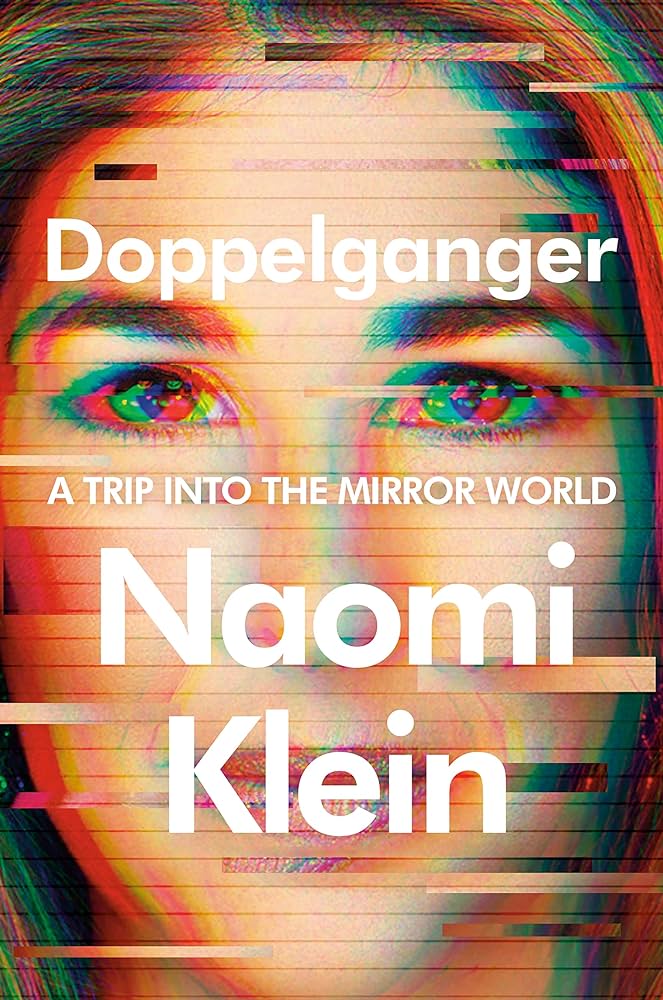


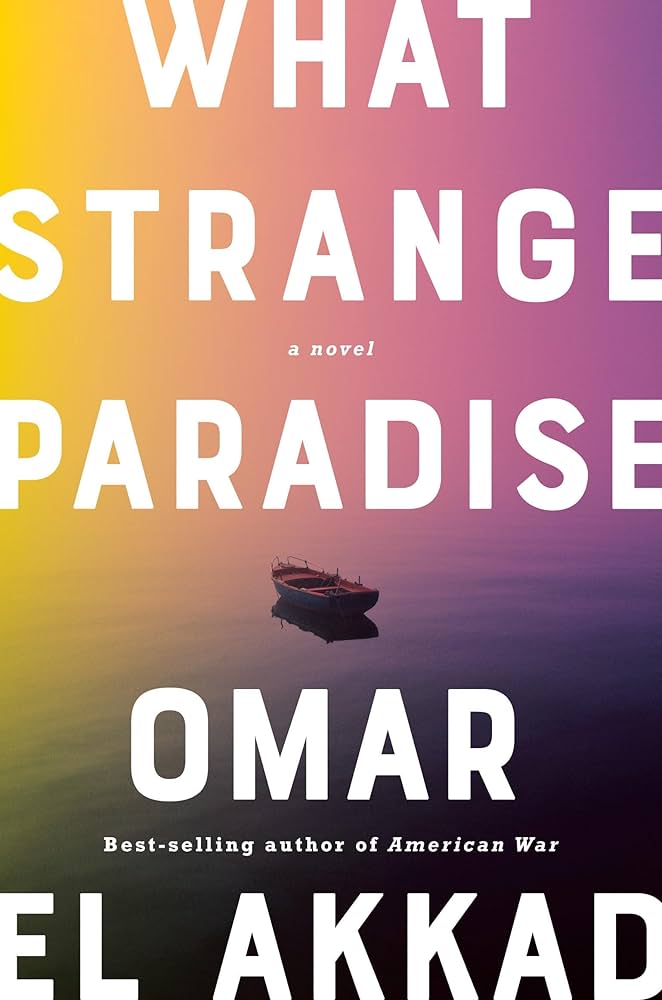


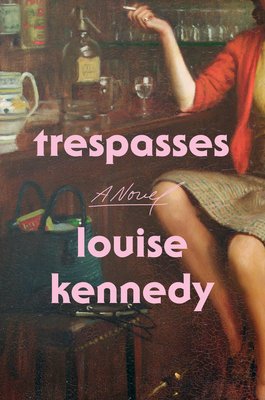 I’m trying to get back in the habit of writing up most (maybe not all) of the books I read so here we go with a quickish update on two novels that I recently finished.
 In contrast, I had never heard of Jazmina Barrera’s Cross Stitch when I first spotted it in the bookstore a couple of months ago. Its title caught my eye because I do cross stitch myself, though it has been a while since I picked up any of my works in progress. (As my eyes age,
 June began slowly, as a reading month anyway, as I was in Vancouver for the first 10 days of it and, as is pretty typical on these trips, I was too busy to settle down with a book. I did read about half of John Vaillant’s The Golden Spruce on the plane, and most of Donna Leon’s Drawing Conclusions while I was there (I borrowed it from my parents’ well-stocked mystery shelves but did not manage to finish it before I left). I’m definitely not complaining! It was a cheerful visit, made more so because Maddie was with me and I loved sharing my favorite people and places with her. Because we were also sharing a suitcase, I was also very restrained and did not buy any books while I was there. The only one I acquired was a very cool gift from my mother: a second impression of the first edition of The Waves
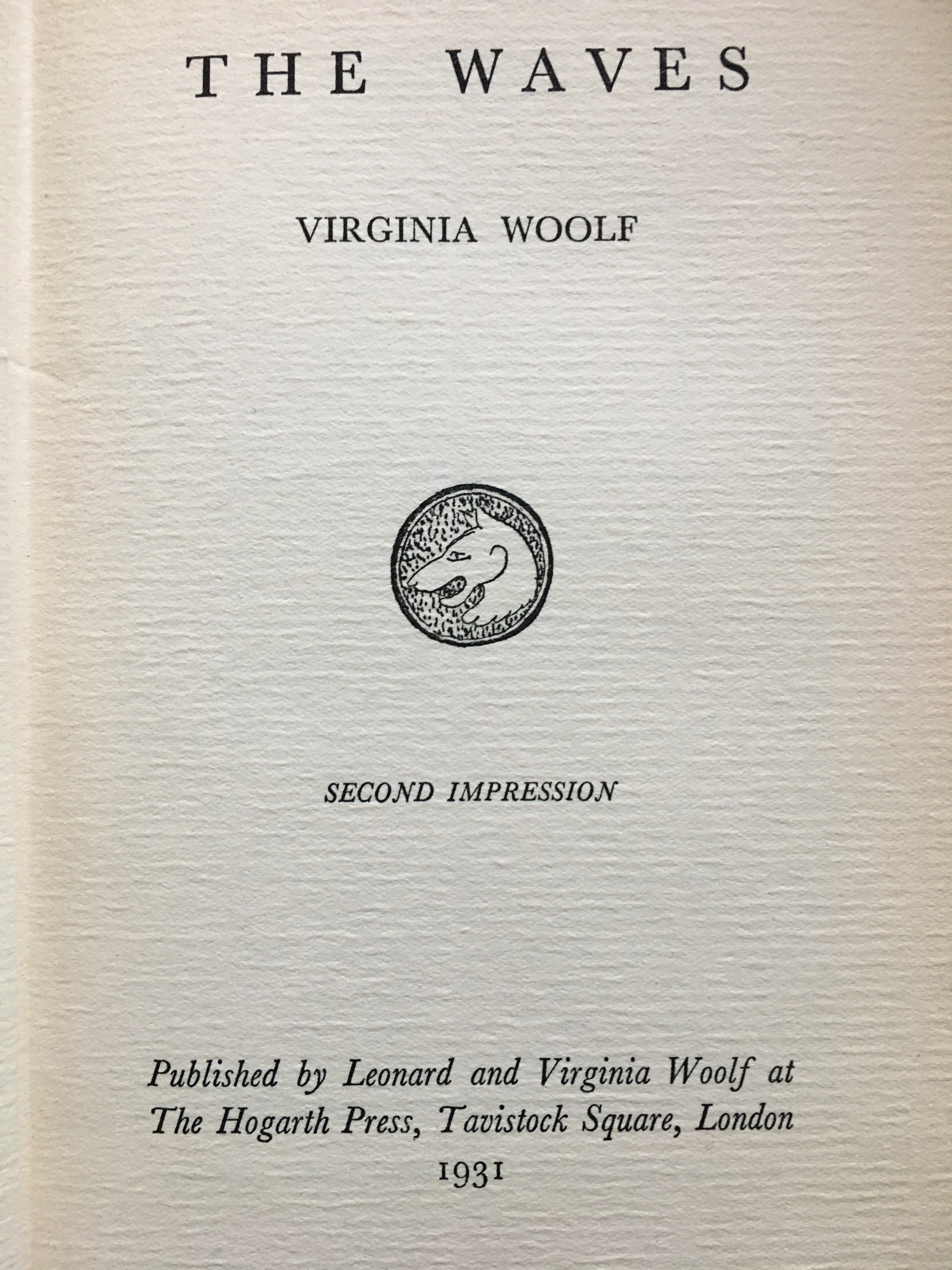 , from the Hogarth Press.
 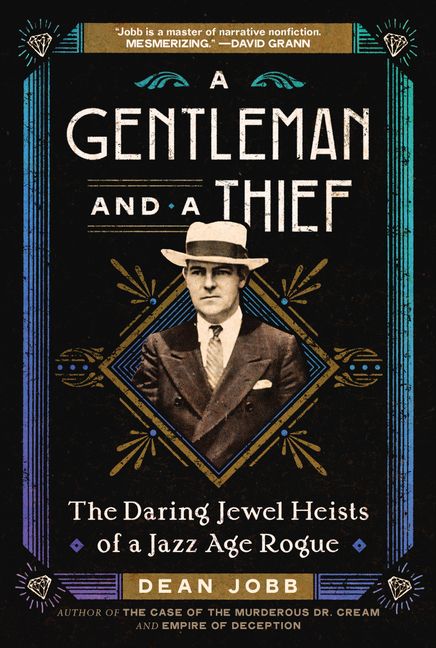 , that while all of its detail about the history and processes of the lumber industry in BC were interesting enough, the book also gave the impression of a single man’s story elaborated or built up with background and contexts until it made a large enough whole. Sometimes I just wanted to get on with the actual events!
 Book blogging was easier, somehow, when I just wrote up every book I read as soon as I finished it. I was so much busier in other respects when I adopted that habit: looking back, I have now idea how I found the time for it. But one plausible theory is that I saved a lot of time not dithering about blogging! Just do it – good advice for so many things, including writing.
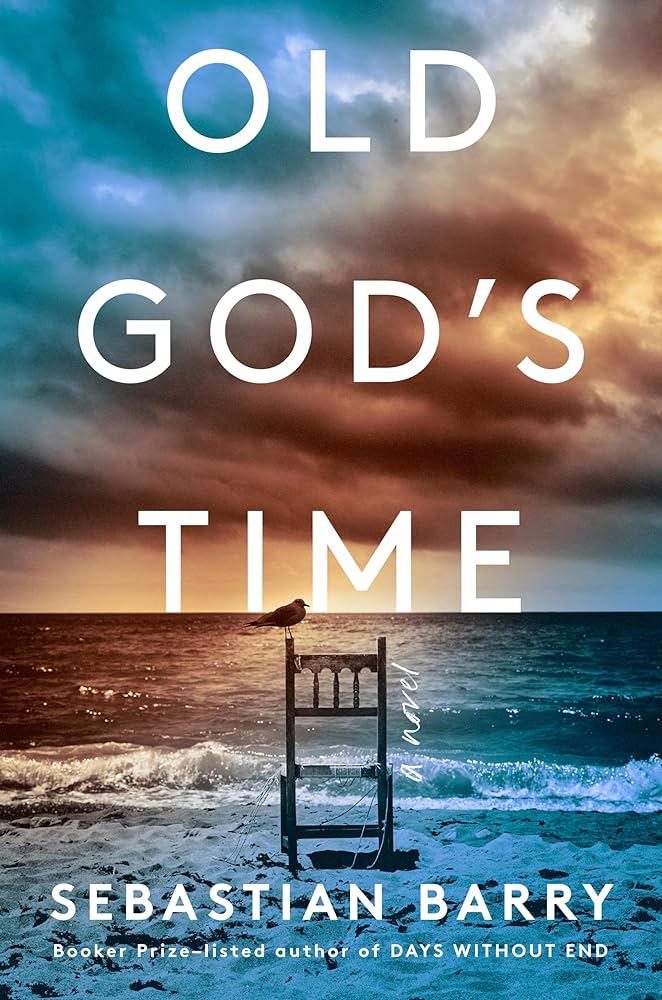 The novel’s non-stop melodrama is in service of a worldview, or an idea about human desires and instincts. I think possibly this sentence is key: “The door of terror opened over the black chasm of sex, love even unto death, destruction for fuller possession.” I hope the One Bright Pod folks (whose fault it is that I read this) will tell me if there is some kind of link to D. H. Lawrence here: it seems so to me, but I don’t know Lawrence well enough to be sure. I also hope they talk about what trains signify and how they are used in the novel. They are clearly (I think) symbols of modernity, but there is a lot more going on with them, especially the engine personified by one of the characters as a woman (“she” is perhaps his most genuinely caring relationship). Once I’d
 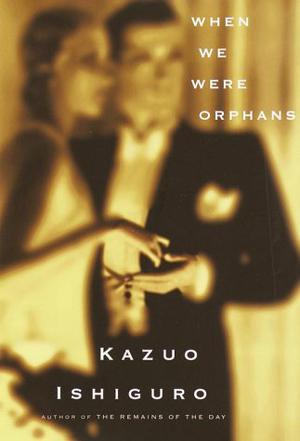 The other three books I’ve finished are Mollie Keane’s Good Behaviour (didn’t much like it, though I could see how skillful it is), Kazuo Ishiguro’s When We Were Orphans (found it boring even though I knew he was doing his withholding / unreliable narrator trick again so I knew that if I only understood what lay beneath the boring layer, it would be much more interesting – this is a risk he takes repeatedly, as I discussed in
 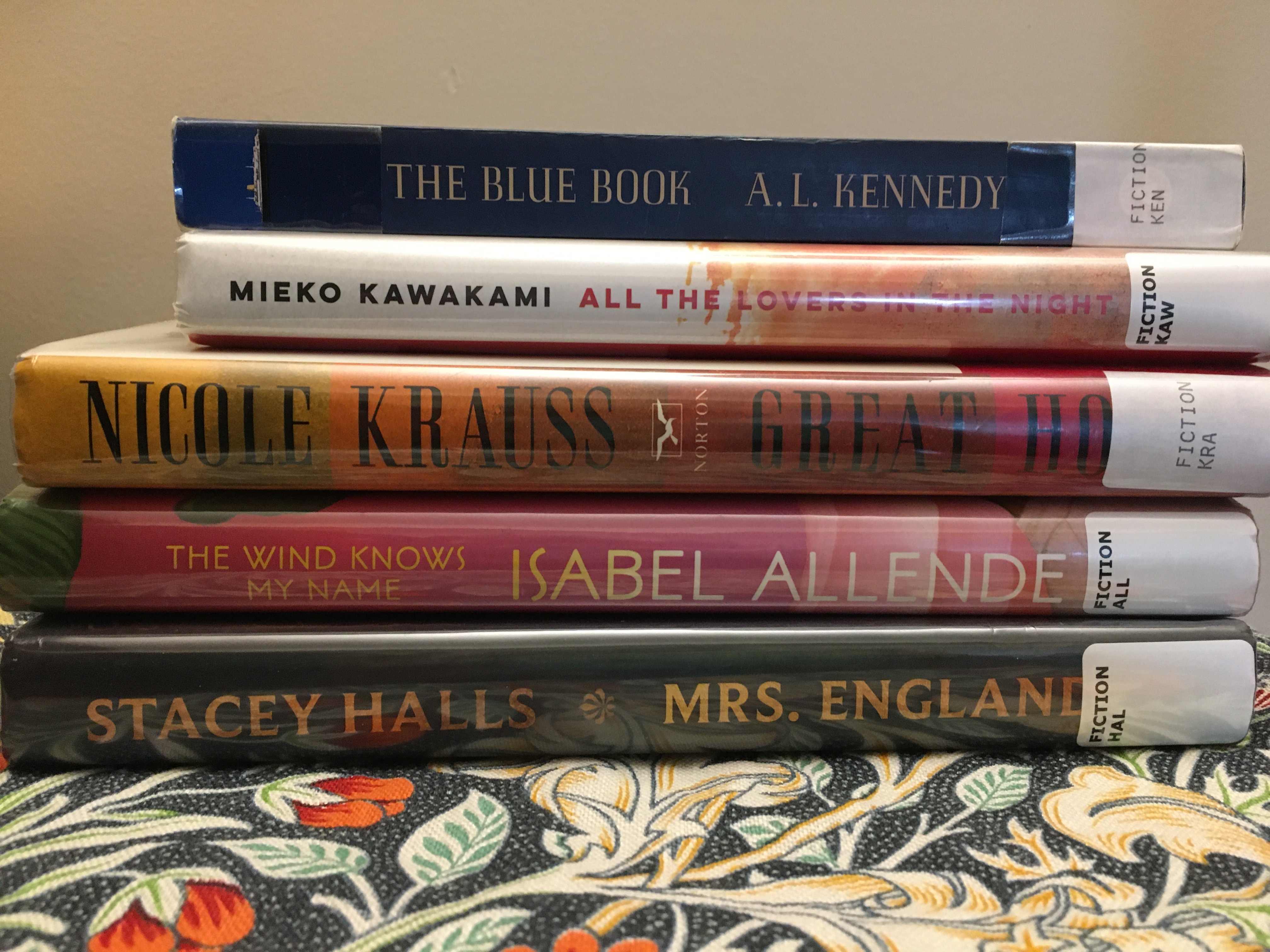 What’s next, you wonder? Maybe Celeste Ng’s Our Missing Hearts, which I picked up recently with a birthday gift card (thank you!), or something from my miscellaneous stack of library books. Living so close to the public library has made me pretty casual about taking things out that I may or may not commit to reading: I like having options! (If there’s anything there you think I should definitely try, let me know.) I also have Cold Comfort Farm to hand, which was my ‘Independent Bookstore Day’ treat – but I’m saving it to read on the plane when I go to Vancouver in a couple of weeks.
 April hasn’t been a bad month for reading, overall. I’ve already written up Dorothy B. Hughes’s
 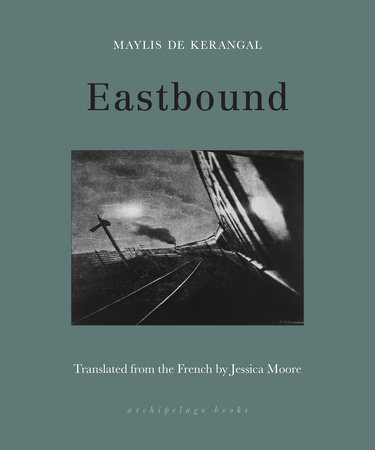 I read Maylis De Kerangal’s Eastbound in one sitting, not just because it’s short but because it’s very suspenseful and I really wanted to find out what happened! I ended up thinking that the novel’s success in this respect worked against the quality of my reading of it, because I didn’t linger over the aspects of the novel that make it more than just a thriller. The story is very simple: a young Russian soldier on a train to Siberia decides to go AWOL and is helped in his attempted escape by another passenger, a young French woman. Will he succeed, or will he be discovered and pay the price? Anxious to know, I paid less attention than I should have to the descriptions of the landscape scrolling past them – though I did appreciate them, I didn’t really think about them, and a reread of the novel would probably show me more metaphorical and historical layers to the characters’ journey. Some other time, maybe, as I had to return my copy to the library! But even my brisk reading showed me why
 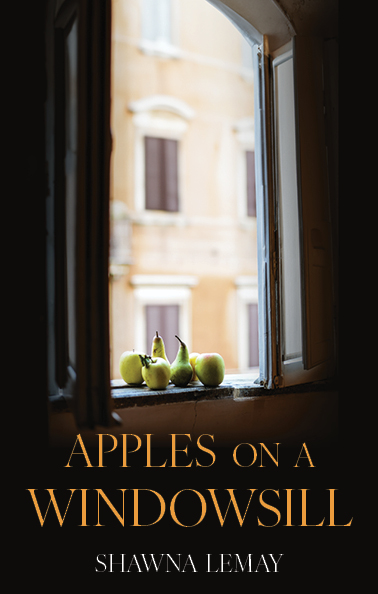 My current reading is Shawna Lemay’s Apples on a Windowsill, which is (more or less) about still lifes as a genre, but which roams across a range of topics in a thoughtful and often beautifully meditative way. A sample: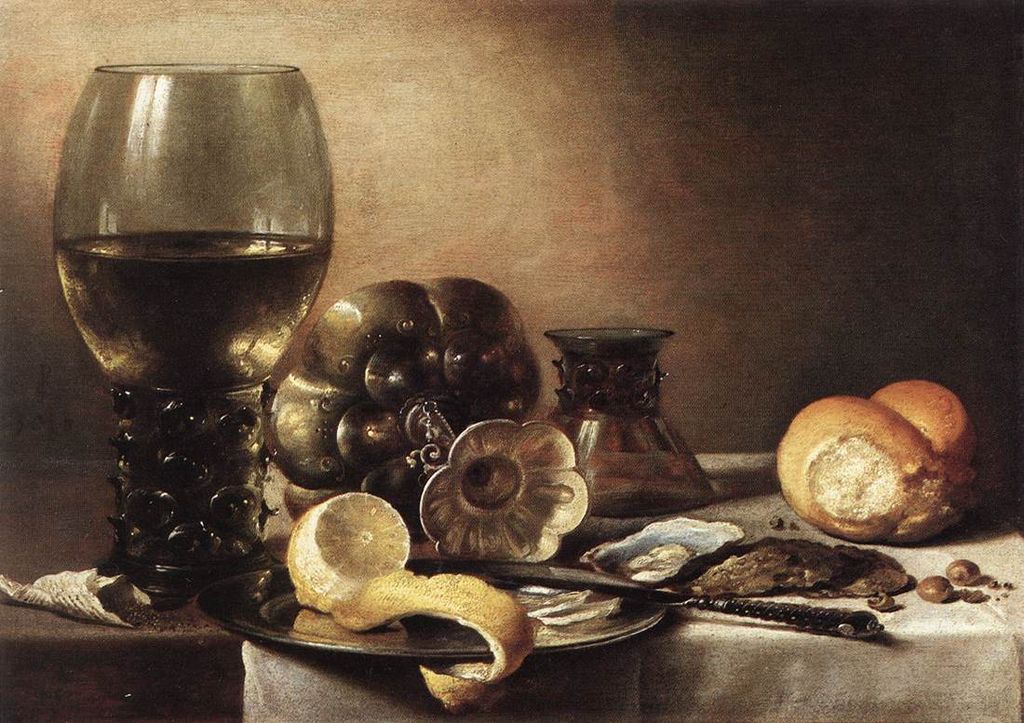
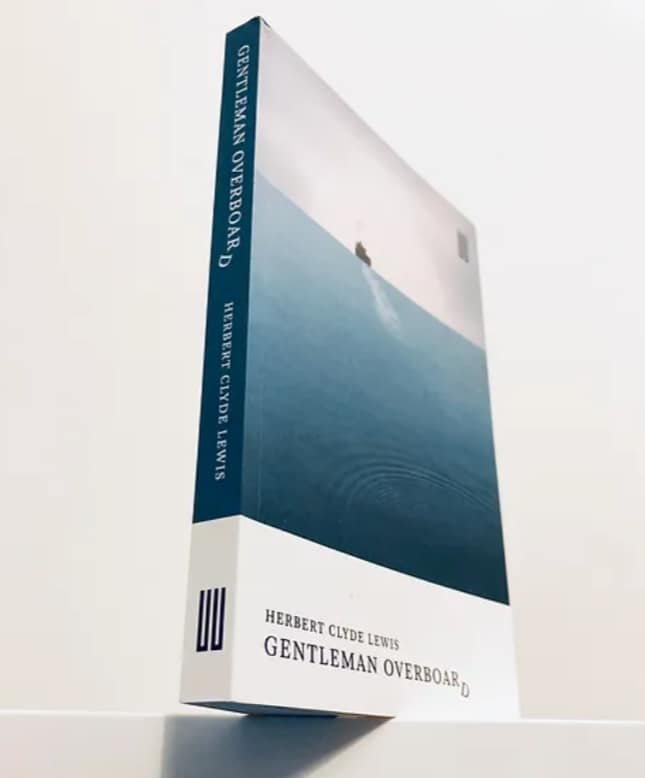 The best of them was undoubtedly Herbert Clyde Lewis’s Gentleman Overboard, which I was inspired to read by listening to Trevor and Paul talk about it on the Mookse and the Gripes podcast. It is a slim little book with a simple little story, but it contains vast depths of insight and feeling, and even some touches of humor, as it follows Henry Preston Standish overboard into the Pacific Ocean and then through the many hours he spends floating and treading water and hoping not to drown before the ship he had been traveling on comes back to pick him up. We also get to see how the folks on board react when he’s discovered to be missing, and we follow his thoughts and memories, learning more about him and how he came to be where he is—not in the ocean, which is easily and bathetically explained (he slips on a spot of grease at just the wrong moment when he’s in just the wrong place), but sailing from Honolulu to Panama in the first place.
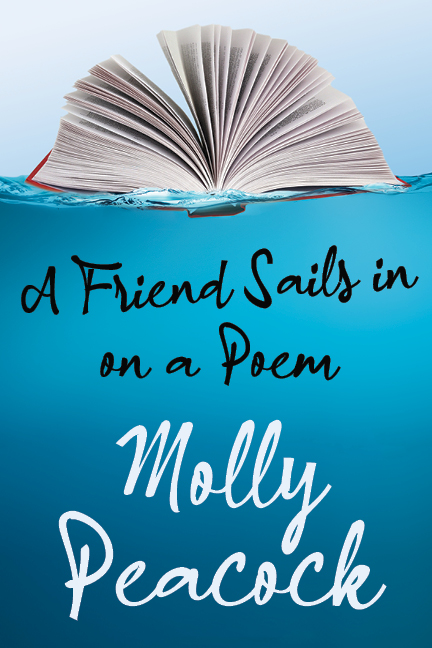 I also really appreciated Molly Peacock’s A Friend Sails in on a Poem, which is an account of her long personal and working friendship with fellow poet Phillis Levin. It is a blend of memoir and craft book, which might not work for every reader, but I found the insider perspective on how poems are created and shaped fascinating and illuminating. Peacock includes some of the poems that she talks about; this was my favorite:
 I was more ambivalent about Maggie Smith’s You Could Make This Place Beautiful. At times I found its fragmentary structure annoying in the way I often feel about books that read to me as unfinished, deliberately or not. But I also thought some of the rhetorical devices Smith uses to structure it were very effective, especially her reflections on the questions, usually well-meaning, people have asked her about the breakdown of her marriage, her divorce, and her writing about it: there are the answers she would like to give, typically raw, fraught, and conflicted, reflecting the complexity of her feelings and experiences, which defy straightforward replies; and then there are the answers she does give, neater, shorter, sanitized. That rang true to me, as it probably does to anyone who has been through something difficult and knows that when people ask how you are doing, they are not really, or are only rarely, asking for the real answer.
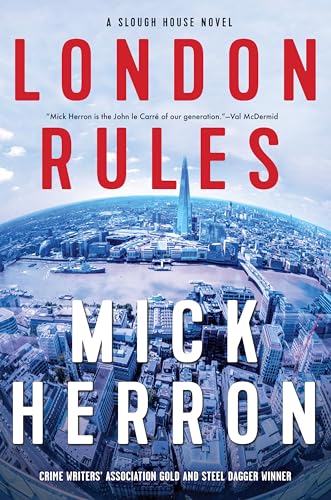 Finally, I just finished Mick Herron’s London Rules, the third (or possibly fourth?) of his
  I hope to get back to more regular blogging about books, and about my classes, an exercise in self-reflection that I’ve missed. It has been a very busy and often stressful couple of months, for personal reasons (about which, as I have said before, more eventually, perhaps), but whenever I do settle in to write here I am reminded of how good it feels, of how much I enjoy the both the freedom to say what I think and the process of figuring out what that is! My current reading (slowly, in the spirit of Kim and Rebecca’s #KateBriggs24 read-along, though I am not an official participant) is Kate Brigg’s The Long Form, which I am enjoying a lot; I’m experimenting with having more than one book on the go, as well, so now that I’ve finished London Rules I will go back to my tempting stack of library books and pick another to contrast with Briggs, perhaps
  My last two reads of this summer were Yiyun Li’s The Book of Goose and Ann Patchett’s Tom Lake. For me, one was a hit, the other a miss.
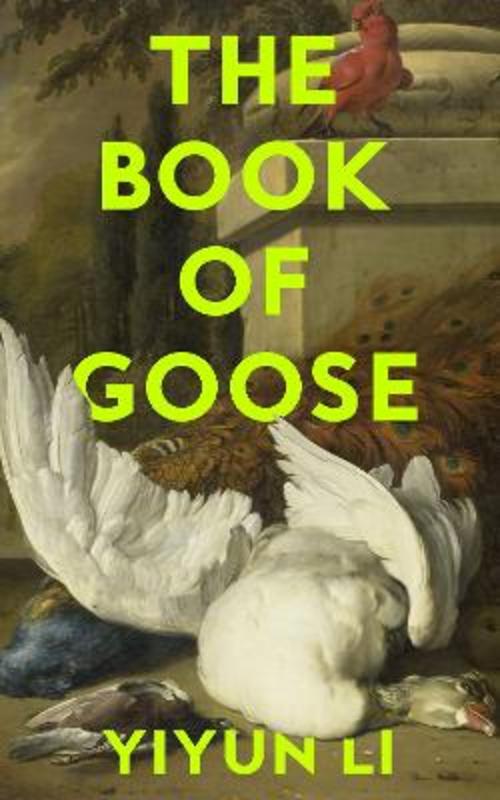 Another warning sign should have been how many reviews (including some quoted in the pages of “Praise for The Book of Goose” that lead off my paperback edition) compare it to Ferrante’s Neapolitan novels. I am cynical about these tendentious excerpts so I don’t pay very close attention to them when I’m making up my mind about what to read. Maybe I should change my habits! Because the Ferrante comparison occurred to me not too far into Li’s novel, and not for good reasons. (
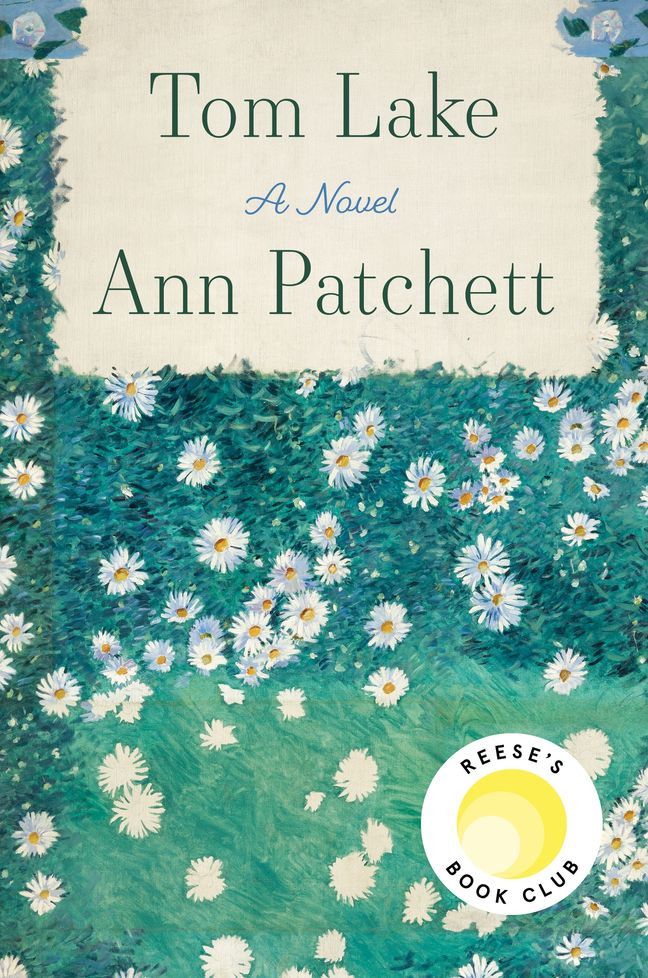 Tom Lake was a much more enjoyable read, although like the other Patchett novels I have read recently, it didn’t seem to me to go particularly deep. Still, there was something really satisfying about it: I liked it a lot more than either
 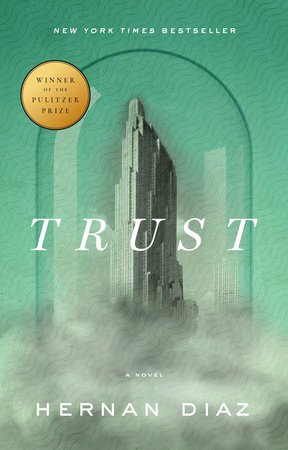 If you’re a friend of mine on social media, it won’t surprise you that Hernan Diaz’s Trust is the first one. It is an inarguably ingenious novel, but I thought (and the other members of my book club agreed) that the payoff for its ingenuity in the second half wasn’t enough to make up for the extraordinary, if self-conscious, dullness of the first half. Even a novel that can only really light up on a second reading can (and, arguably, should) generate some excitement the first time through. For me, a case in point would be
 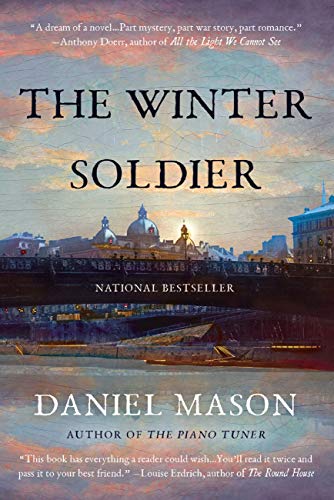 I picked up Daniel Mason’s The Winter Soldier because I’m writing up his latest novel, North Woods, for the TLS and it’s good enough that I wanted to read more by him. The Winter Soldier is quite unlike North Woods, mostly in ways that favor the newer novel—which suggests Mason is getting better at his craft! The Winter Soldier (2018) is a good old-fashioned historical novel. It is packed with concrete details that make the time and place of its action vivid in the way I want historical fiction to be vivid. It takes place mostly in a remote field hospital in the Carpathian mountains during WWI; its protagonist, Lucius Krzelewski, is a medical student rapidly converted to a doctor to serve the desperate needs of the Austro-Hungarian army. His time at the hospital is full of harrowing incidents; through them runs his growing interest in an illness that eludes physical diagnosis and treatment—what today we would call PTSD. There are chaotic battle scenes and idyllic interludes; there’s a love story as well. It’s good! It really immerses you in its world, and (unlike Trust!) makes you care about its characters. I ended it not really sure it was about anything more than that. Novels don’t need to be, of course, though the best ones are. Still, I liked it enough that I will probably also look up Mason’s other novels, starting with The Piano Tuner. North Woods is a lot smarter and more subtle, though. (I am not sure it’s entirely successful: in my review, I will say more about that, when I figure out how to!)
 And then there’s Claudia Piñeiro’s Betty Boo, which I found a really satisfying combination of smart plotting, thoughtful storytelling, and ideas that matter. In some ways it is less ambitious than the other two novels: it is structured more or less conventionally as a crime novel, and there aren’t really any narrative tricks to it, unless you count the sections that are ostensibly written by the protagonist, Nurit Iscar, about its central murder case. Iscar is a crime novelist who has had a professional setback (a crushing review of her foray into romantic fiction) and is currently getting by as a ghost writer. A contact at a major newspaper asks her to write some articles about a murder from a less journalistic and more contemplative perspective; in aid of this mission, she moves into the gated community where the victim lived and died. She ends up collaborating with the reporters on the crime beat as they investigate the death and discover that it is a part of a larger and more sinister operation—about which, of course, I will not give you any details here! Betty Boo is an unusual book: it doesn’t read quite like a “genre” mystery, as it is at least as interested in Nurit’s life and especially her relationships, with her close women friends and her lovers, as it is in its crime story. Also, Betty Boo is about crime, reporting, and fiction as themes, though its attention to these issues is integrated into the storytelling so that it never really feels metafictional—unlike Trust, which is all gimmick and so no substance, Betty Boo seems committed to the value and possibility of substance, even as Piñeiro provokes us to think about the obstacles we face in achieving it, in writing or in life, especially now that the news as a vehicle for both information and storytelling has become so degraded. I appreciated how original Betty Boo felt, and how genuinely interesting it was: I haven’t read another writer who does quite what Piñeiro does, in it or, for that matter, in Elena Knows. Of the three novels I read recently, this is the one I’m most likely to recommend to others, and I’m definitely going to read more of Piñeiro’s fiction, probably starting with A Little Luck, when I can get my hands on it.
