 I open my notebook again, looking at my everyday’s study, my everyday’s effort. I see myself trying hard to put more words and sentences into blank pages. I try to learn more vocabularies to be able to communicate. I try to put the whole dictionary in my brain. But in this remote countryside, in this nobody’s wonderland, what’s the point of this? It doesn’t matter if one speaks Chinese or English here; it doesn’t matter if one is mute or deaf. Language is not important anymore. Only the simple physical existence matters in the nature.
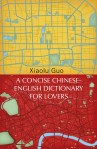
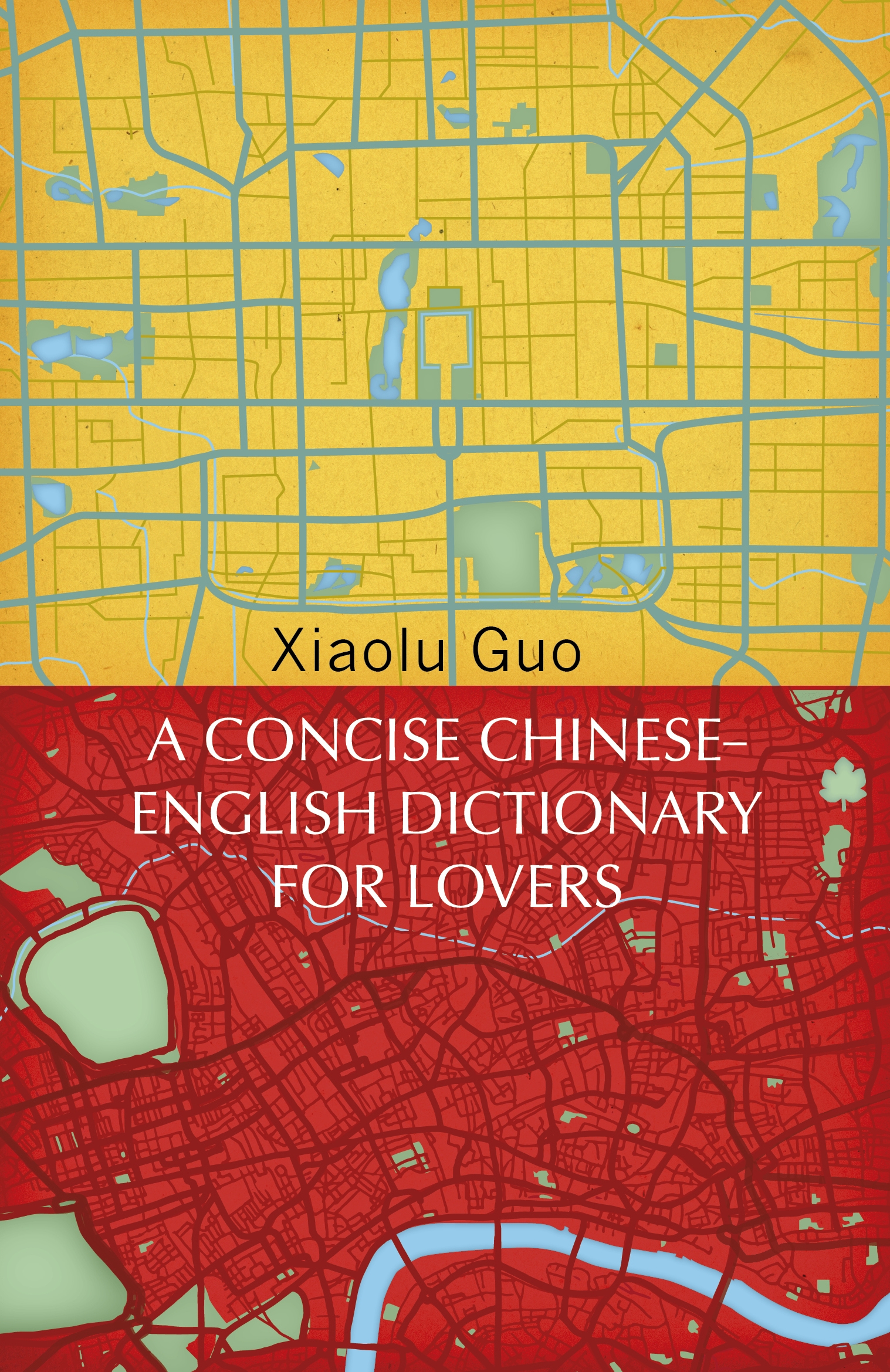
A Concise Chinese-English Dictionary for Lovers explores some profound questions about language, identity, culture, communication, and love. Its depths aren’t immediately apparent, though, because Guo approaches these issues carefully through voice and form, illustrating them through her narrator’s experiences and gradually changing self-expression, rather than addressing them directly.
The novel is narrated by Zhuang Xiao Qiao (or “Z,” as she comes to be called because most people she meets can’t actually pronounce her name), a young Chinese woman who moves to London to “make better life through Western education.” She’s dubious about the goal: “I not caring if I speaking English or not,” she says: she’s doing it at her parents’ urging (“Why they want changing my life?”) and she’s wary about what it will be like (“how I living in strange country West alone?”). Once arrived, she attends language classes and carries her Chinese-English dictionary with her everywhere. Looking words up isn’t enough, though: the novel emphasizes that knowing definitions still leaves plenty of room for confusion and misinterpretation—because language carries not just nuances and idioms but also assumptions, contexts, whole layers of culture that make one-to-one translations impossible. “After grammar class,” Z says early in her lessons,
I sit on bus and have deep thought about my new language. Person as dominate subject, is main thing in an English sentence. Does it mean West culture respecting individuals more? In China, you open daily newspaper, title on top is “OUR HISTORY DECIDE IT IS TIME TO GET RICH” or “THE GREAT COMMUNIST PARTY HAVE THIRD MEETING” or “THE 2008 OLYMPICS NEED CITIZENS PLANT MORE GREENS.” Look, no subjects here are mans or womans. Maybe Chinese too shaming putting their name first, because that not modest way to be.
 Z’s English narration captures the misfit between her complex thoughts and the limited language she has available to express them; one of the cleverest aspects of the novel is the gradual closing of that gap as her English becomes more fluent—though as she reflects, the process is also one of internal transformation, as she changes herself in response to her new experiences of life in England and travel abroad.
Though it is structured as a love story, between Z and an Englishman she meets at the cinema and then moves in with, A Concise Chinese-English Dictionary for Lovers avoids the cliché of setting the lovers up as representatives of different, sometimes clashing, cultures who resolve their differences by finding some third way—a new language, either literally or metaphorically. In fact, their relationship is an uneasy one from the beginning, or at least it was to me. For one thing, he is quite a bit older, and because Z is so focused on learning English (and learning about England), there is a pedagogical dimension to their interactions that doesn’t sit well, even before we start to know him well enough to doubt he’s a keeper. He isn’t always comfortable with it either, bursting out at one point,
It is too tiring to live like this. I cannot spend my whole time explaining the meaning of words to you, and I can’t be questioned by you all day long.
As Z’s linguistic education continues, he also comes to feel threatened by it, protesting her habits of constant reading and writing. In her turn, Z gets frustrated with him, as well as with the need for constant effort in her communication:
I am sick of speaking English like this. I am sick of writing English like this. I feel as if I am being tied up, as if I am living in a prison . . . I wish I could just go back to my own language now. But is my own native language simple enough?
“Why do we have to study language?” she goes on to ask; “Why do we have to force ourselves to communicate with people? Why is the process of communication so troubled and so painful?”
I think these questions may go to the heart of the novel: the specific differences between Chinese and English are important but are also just a device for arguing that communication through language is never actually transparent. Thinking about the novel this way helped me make sense of the attention it pays to the lovers’ sexual relationship, and to Z’s exploration of her own sexuality outside of it as well. It’s not that physical sensations are perfectly straightforward: sex, like language, is something we understand only in the terms we learn from our culture. A lot of effort goes into trying to find words for what we experience, though, including all of our emotions and sensations, a struggle Z’s efforts with English literalize. Sometimes it seems as if the novel, or at least Z, suggests that Chinese culture is better at integrating the mental and the physical world. “In China,” Z tells her lover,
we don’t name all these kinds of diseases. Because we think all the illnesses actually causes from very simple reason. If you want to solve your illness then you must start to cam your whole body, not just taking pills every time.
As she gains confidence in her English and in their relationship, Z also pushes back against her lover’s didacticism, which (she angrily points out) tacitly assumes she has nothing to teach or contribute to his understanding of the world:
You never really pay attention to my culture. You English once took over Hong Kong, so you probably heard of that we Chinese have 5,000 years of the greatest human civilisation ever existed in the world . . . Our Chinese invented paper so your Shakespeare can write two thousand years later. Our Chinese invented gunpowder for you English and Americans to bomb Iraq. And our Chinese invented compass for you English to sail and colonise the Asian and Africa.
Tying those Chinese achievements to acts of war, violence, and imperialism is not exactly claiming superiority—just relevance. Perhaps it is not a novel about these two cultures but about cross-cultural engagement more generally, and about how language both does and does not create mutual understanding.
 One good thing Z’s lover does (though it too arises from a paternalistic impulse that is a bit cringe-inducing) is send her off to travel around Europe: “I think you should see a bit of the world without me,” he tells her. Her trip does add to her experience and her knowledge of yet more cultures; it’s another layer to the novel as a story of her individual development. “I think it’s important you go by yourself,” her lover says, and while there’s some selfishness to his motives (at least, I thought so), because he is chafing a bit against their proximity, he’s right that—young and unworldly as she is when she arrives in London—she will benefit from a chance to think about who she is when she isn’t defined either by what she recalls as a highly regimented life in China or by their romantic entanglement.
It seemed significant to me that Z’s Bildungsroman is international in that way. Although it is very much and very specifically a novel about differences between particular countries and cultures and languages, I finished the novel thinking that (as with the issue of languages) to some extent its Chinese-English set-up is a device to make us question how far these differences really matter—if we could only find ways to communicate between or across them. “I want to become a citizen of the world,” Z says at one point. Lots of details about A Concise Chinese-English Dictionary for Lovers make that notion seem naïve, and perhaps the way her relationship with her lover turns out is more evidence for a pessimistic reading. But I didn’t think their affair was meant to represent a “solution.” It’s a stage in Z’s journey, which ends, as seemed right, in her reflections on what she has learned so far, and with memories of travel and togetherness that will shape where she goes next:
The address on the envelope is familiar. It must be in west Wales. Yes, we went there together. I remember how it rained. The rain was ceaseless, covering the whole forest, the whole mountain, and the whole land.
The novel begins with Z stumbling through her sentences, but by the end her language is close to poetry—the hardest form to translate, but the most beautiful to speak.
That’s what everyone became, small stories, tiny really, to explain their whole lives. Those too-short lives.
 Looking back, it seemed to me I’d been trying to escape not just from the camp, but from Achilles’ story; and I’d failed. Because, make no mistake, this was his story—his anger, his grief, his story. I was angry, I was grieving, but somehow that didn’t matter. Here I was, again, waiting for Achilles to decide when it was time for bed, still trapped, still stuck inside his story, and yet with no real part to play in it.
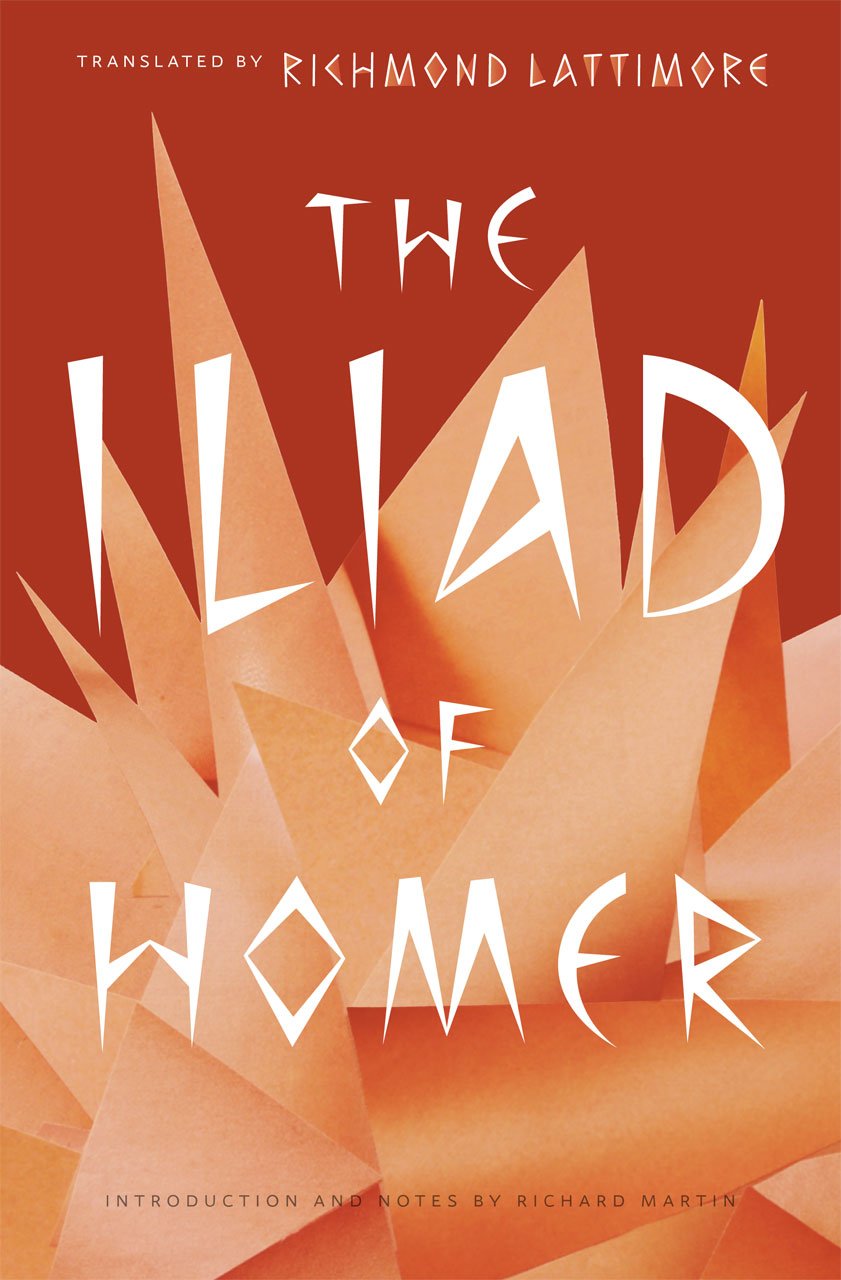
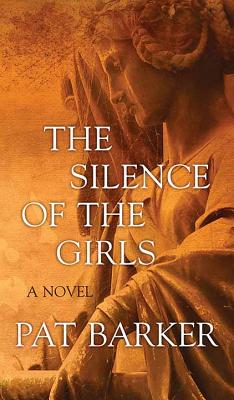 Collapsing the distance between “us” and “them” in that way did sit a bit uncomfortably, I thought, with the less easily domesticated aspects of the story: you can’t really have both modern warfare and parents who are gods and goddesses. Are these ancient people just like us or radically different? Both, I guess is the answer, and maybe it’s the right one, but I found the result uneven. I wonder if my inability to quite believe in Briseis arises from a related problem: she is at once of that world and of ours. She seemed a bit too deliberately conceived as a way to push back, to write back, against her role and treatment in the Iliad. “I shall take the fair-cheeked Briseis, your prize,” says Agamemnon in my Lattimore translation, “I myself going to your shelter, that you may learn well how much greater I am than you.” Barker’s starting point is this dehumanizing treatment of women as “prizes,” but (and again I can only speak as someone who is not at all intimately familiar with the Iliad) she didn’t seem to me to go very far with that pretty obvious point: she doesn’t build Briseis into a character who can dominate the novel (which would mean dominating Achilles, not in act, of course, but in perspective and significance and charisma qua character). We are told Briseis comes to love Patroclus, but we do have to be told: I didn’t think we were every brought to feel it deeply. We feel Achilles’ love for Patroclus much more vividly, and it’s their love that has extraordinary consequences.
 What we get instead are comments that seemed both anachronistic and perfunctory, about women as sacrifices and victims of male violence, about men’s inability to see the women they have enslaved as people, about her desire to free herself from his story to tell hers. And the thing is, not only is a lot of The Silence of the Girls itself still largely his story, but his parts in it were by and large the most interesting parts. Why, if what she wanted was to displace Achilles as the protagonist, did Barker give him so much space? Also (and these are just a few more quibbles) who is Briseis supposedly talking to? And why are some parts in the present tense?
 I am still finding it challenging to think in what were once my usual ways about what happens “in my classes” every week, because of the diffusion effect of
 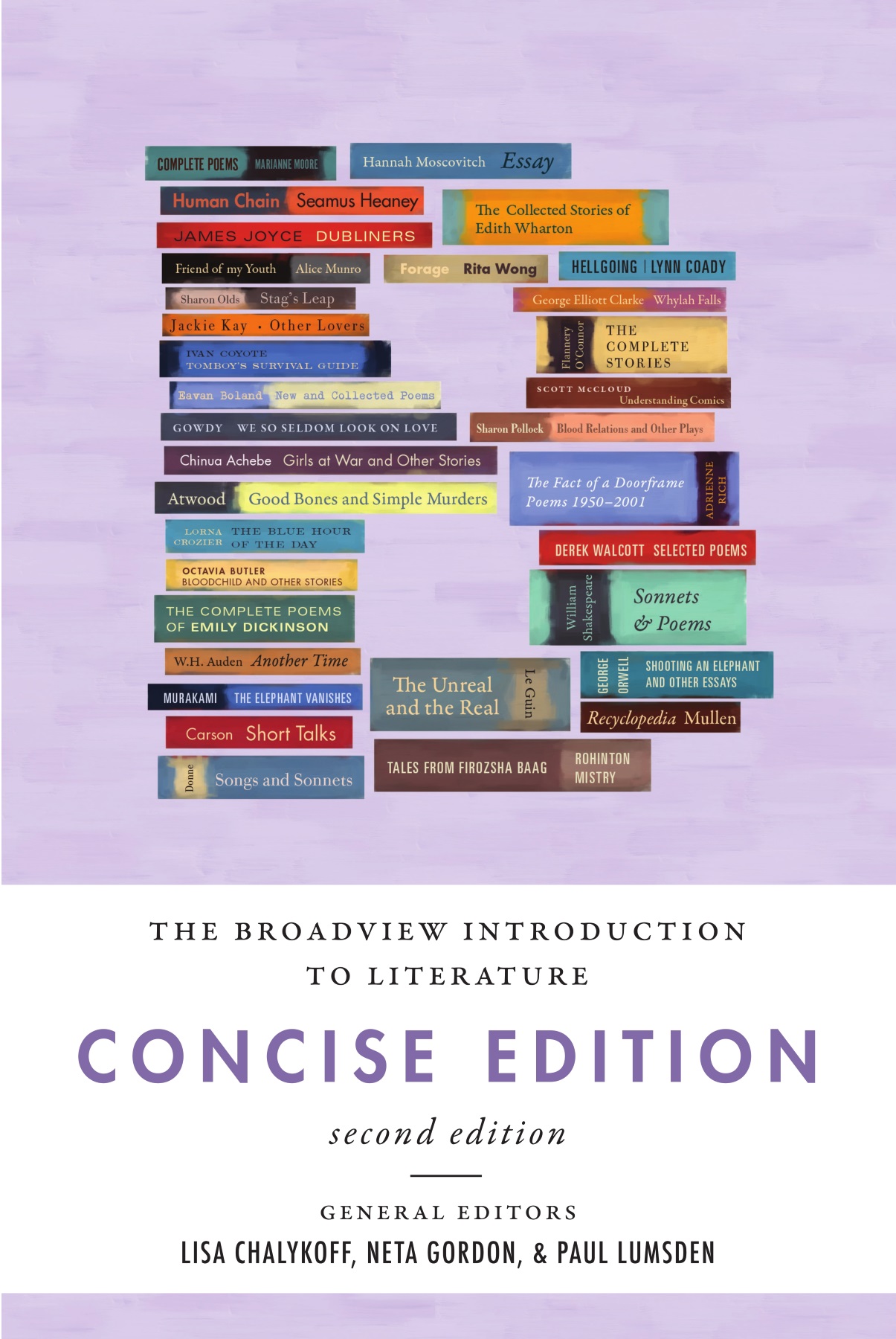 So what have my classes actually been about this week, then? Well, in my introduction to literature class, we have moved on from Module 1 (What words?) to Module 2 (Whose words?). The course overall is designed to keep complicating students’ engagement with the readings, so we start with the most basic (diction, connotation, denotation, etc.) and then add layers, this week some issues about voice, point of view, irony, and unreliability. Our readings feature speakers whose positions are worth interrogating: Tom Wayman’s “Did I Miss Anything?”, Aga Shahid Ali’s “The Wolf’s Postscript to ‘Little Red Riding Hood,'” and Browning’s “My Last Duchess.” (Our reader is the concise edition of Broadview’s Introduction to Literature, so all of our readings are chosen from their admirably varied selections.) Next week we move on to “About What? Subject and Theme.”
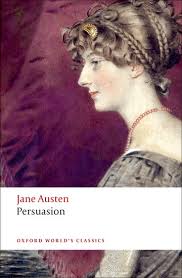 In the 19th-century fiction class, which this term is the Austen to Dickens option, we are wrapping up our work on Persuasion, or we will be as more students get to the end of the module and submit their discussion posts. Anne Elliot can be a bit annoying in the first half of the novel, with her tendency to martyrdom and her inability to reach out and claim what she wants. I always find it interesting that so much of the novel’s resolution continues to be cautious, even reticent: this is not a novel celebrating impassioned outbursts, rebellion, or (to a point anyway) self-assertion. That will make Jane Eyre a dramatic contrast when we shift to Brontë’s novel next week, something I have been thinking about a lot because of course I can’t wait until Monday to start working on Jane Eyre but have to have my recorded lectures ready to go—which I do! I have discussed Jane Eyre with so many classes over the past 25 years that it hasn’t been hard to decide what the lectures should address, but it has been extremely hard to figure out how much they (I) should actually say. The model I have in mind is that they should include the equivalent of the opening comments I typically make in class, to set up the discussion to follow; explain any key critical or theoretical or historical contexts that I think are helpful to analyzing the novel well; and then prompt students to think about various elements of the novel in light of what I’ve said, rather than trying to cover what could be said about those elements. I pick some specific examples, but then I try to get out of the way, and then I show up in the online discussions to poke and provoke and steer as seems useful.
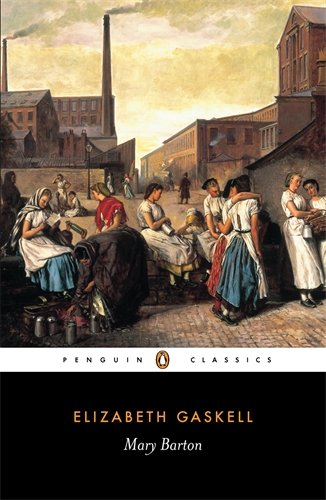 Oh dear: I’m back to logistics again! I do miss the simplicity of in-person teaching. In 2019-20, I had actually been working deliberately on weaning myself from more detailed lecture notes (not from lecture plans, just notes) and, trusting to my long experience, letting the discussion in class be more free-flowing. It was going well. I remember especially clearly the last class meeting for the Austen to Dickens class on March 13, 2020. We knew classes were going to be cancelled the next week, but we had a robust discussion of Mary Barton nonetheless and wrapped up not realizing that we would not meet again in person. I know that I could be back in person right now if I’d made that choice, but it would not have been a real return to that kind of ease and energy. I think I chose right, for me, for now, but that doesn’t make everything about this easy. I do still get the same satisfaction from engaging with students’ ideas and especially from being able to be present for them, albeit virtually. And on that note I guess I should go check on what new submissions are waiting for me!
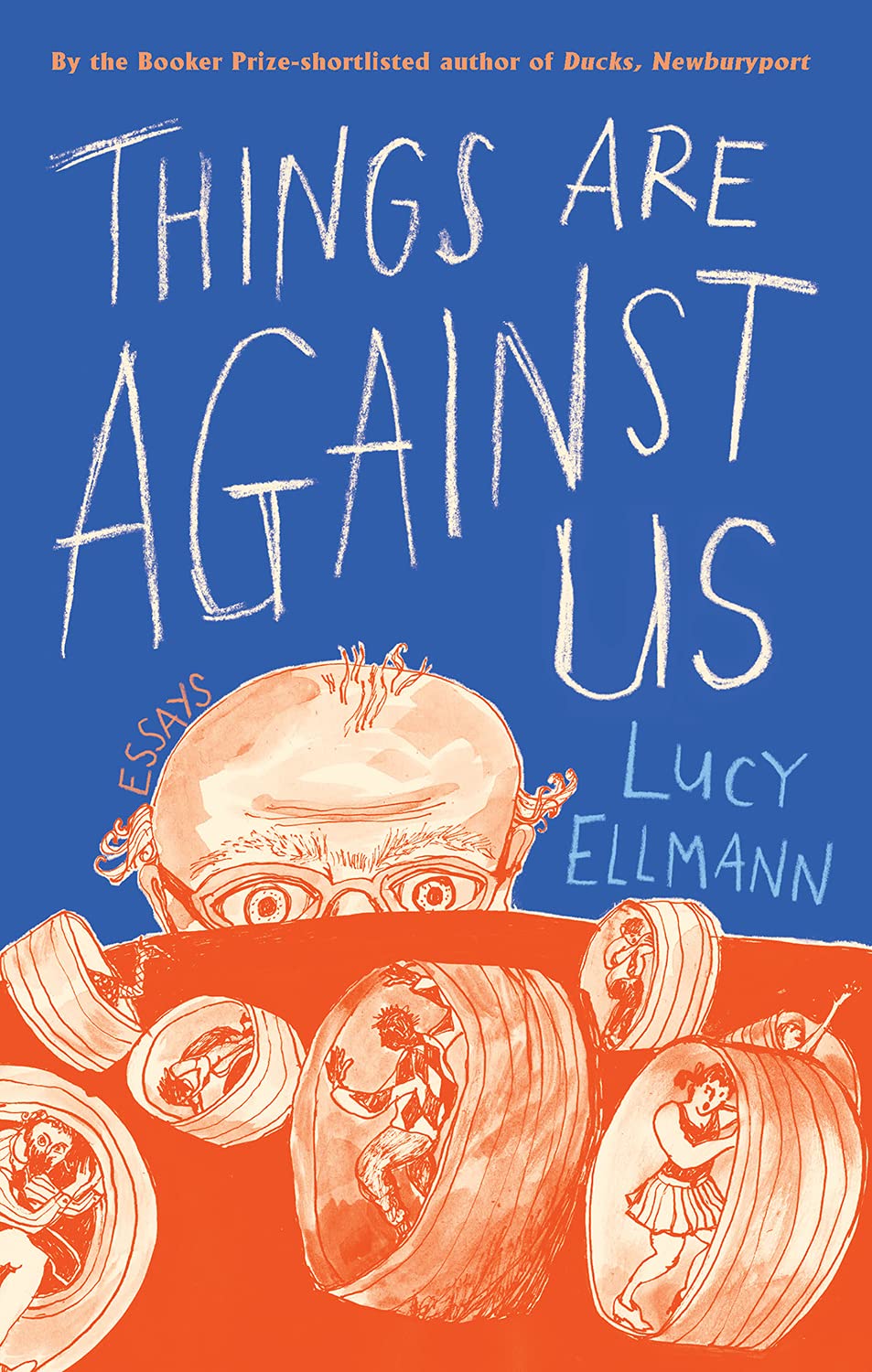 I have to be careful here. What I disliked the most about Lucy Ellmann’s book of “essays,” Things Are Against Us, is that much of it reads like intemperate off-the-cuff ranting about things Lucy Ellmann doesn’t like. (These include electricity, men, travelers, Americans, bras, crime fiction, people who object to her ill-informed criticisms of crime fiction, and teenaged girls who make or watch YouTube videos about their morning routines.) If I start ranting intemperately about the book, I won’t be doing any better myself! But at the same time I honestly don’t think Ellman’s screeds are either stylish or substantial enough to warrant the time it would take to respond thoughtfully and meticulously to each one.
 series, seemed the most thoughtful and grounded of the collection; the one on bras was kind of amusing; the five pages generalizing angrily and ignorantly about crime fiction and its readers strongly suggest Ellmann had either no or very weak editors.
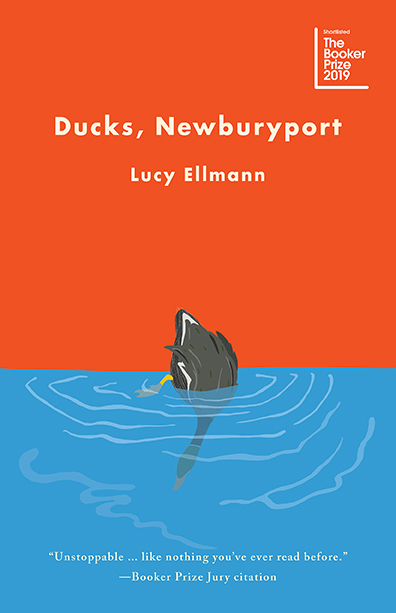 I bought Ducks, Newburyport a couple of years ago because my curiosity about it overcame my skepticism. So far I have started and stalled out in it three times. I am determined not to let Lucy Ellmann be the reason I give up on it altogether, even though in every interview with her that I’ve read I have been put off by her posture of superiority and Things Are Against Us more than confirms all my previous bad impressions. Could the person who says and writes these tiresome things actually write a novel that transcends the snarky small-mindedness of the persona they project? I want to believe that’s possible: I have always argued that someone’s writing, someone’s work, can be better than they are. I think there’s hope for all of us in that idea, given how imperfect we all are. So I’ll keep Ducks, Newburyport on my shelf. I need to let my irritation with Things Are Against Us fade before I try it again, though. It might take years.
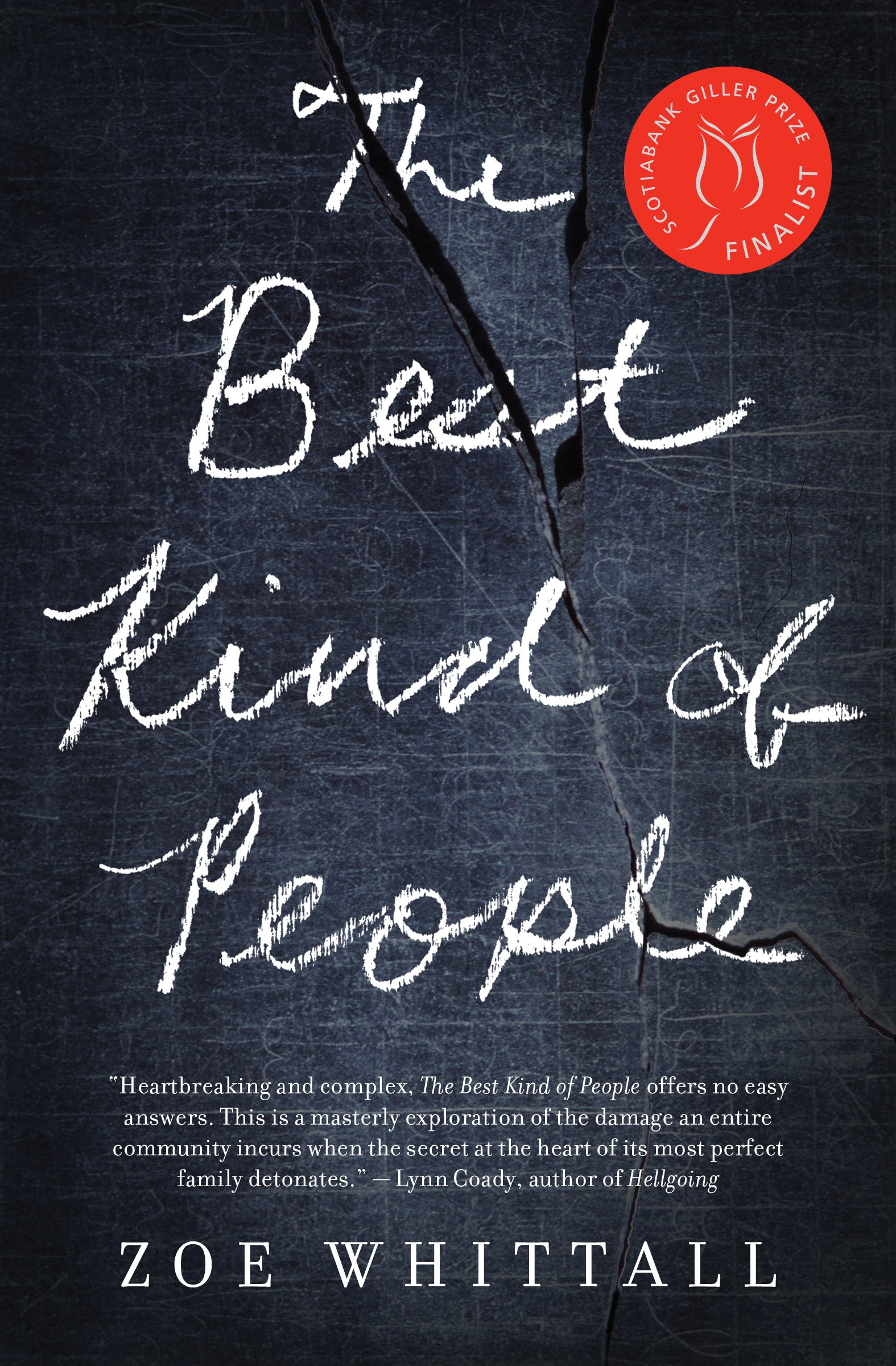 If only she could have the privilege of believing him entirely. What kind of person, what kind of ungrateful daughter, doesn’t believe her own father? She had never doubted him before. She never thought he was anything but moral and civilized. She wasn’t even sure what those words meant. But if someone puts the possibility of something terrible in your head—and people around you believe it—you can’t go back to thinking it completely inconceivable. The possibility is there whether or not you choose to believe it, and you can’t go back to not knowing that the possibility exists.
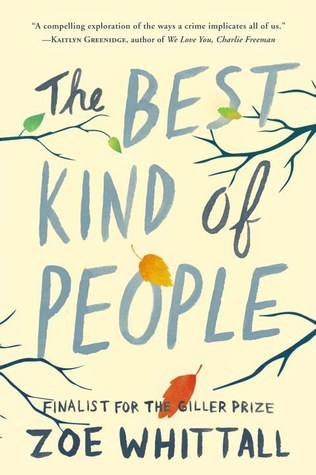 The novel focuses on the family of the accused teacher, George Woodbury: his wife, his daughter, and his son. In its attention to the fallout of the accusation, rather than to the details of the case, The Best Kind of People reminded me of the TV series Rectify, which defers answers about its protagonist’s guilt or innocence, so that we have to sit in the same uncertainty as his family. If you love someone, both stories emphasize, you will want to think them incapable of wrongdoing – but, as the excerpt I chose for my epigraph highlights, once the possibility is raised, you don’t really have the option of ignoring it. To do so, also, is to ignore the claims of the victims. Whittall does a good job tracing a range of possible reactions, including how they ebb and flow, from trust to anger, from loyalty to horrified conviction, depending on what is known or said, or just on the mood of the moment. The accusations alone trigger reassessments, from every angle, of an entire family history. The resulting destabilization has ripple effects through the lives of everyone affected.
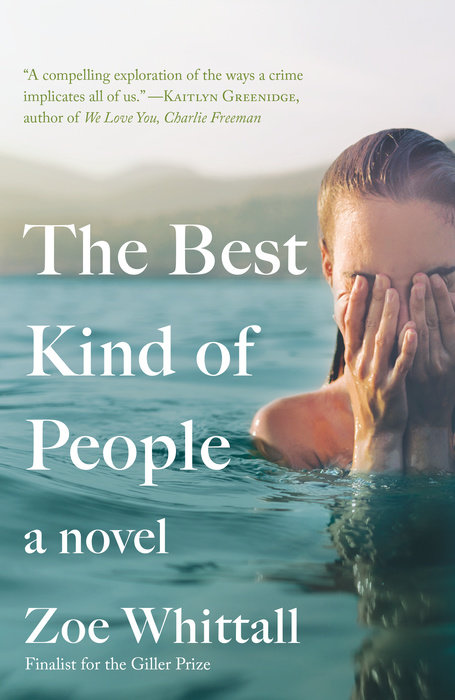 The other reason The Best Kind of People struck me as well suited to adaptation is that stylistically I would describe it as workmanlike rather than particularly artful. I don’t think much would be lost in the translation into a different medium. This is something I sometimes say about Jane Austen too, though for slightly different reasons (so much of the action of her novels is in dialogue, for one thing, or can be shifted to it)—so again it isn’t meant as a slight. I did feel, though, that the novel read like a plan being well executed more than something being written really well. Given how hard it is to get two people to agree on what “well written” means, maybe that’s a distinction without a difference. Anyway, I enjoyed reading the novel, though it is sad and hard going at times. I think it’s smart about its central scenario, and it created a believable version of how something so unpleasant might play out among those used to thinking of themselves as “the best kind of people.”
 I fell out of the habit of writing teaching posts last year, partly because I was doing so much else on my computer that blogging about it felt like a bridge too far, but also, and more so, because of the flattening effect of teaching asynchronously, as I discussed in
  Last year we were pretty much all online, in my department and across the university. This year, almost everybody else is back to teaching in person. Early in the planning process I had committed to doing my first-year course online. One reason was that it was such a big job planning and building it that I wanted to get more return on that investment. But it was also was the course that I least missed teaching in person. If our first-year classes were smaller, I might have felt differently, but teaching 120 students in a big auditorium, wearing a microphone, relying on PowerPoint, and knowing (and sometimes seeing) perfectly well that a lot of students in the room are only there because someone told them they had to be – that’s not a great experience, to be honest. I have always considered first-year teaching really important and I love engaging with the students who get excited about the material and the work – the ones who really show up for class (not just physically in class). It is especially gratifying when students taking intro primarily for their writing requirement discover a passion for analyzing literature and come back for more. Sometimes they even change their majors! But I don’t think lecture classes of 120 or more (however diligently you try to make them interactive, as of course I have always tried to do) are the right way to teach either literature or writing, and the crowd control aspects of it are always particularly disheartening. I also thought my online course went pretty well, all things considered. So why not do it that way again?
 A couple of weeks later, Dalhousie did finally implement a vaccination requirement, along with mandatory masking for at least the month of September (neither of which was in place when I made up my mind to go online). I really hope that these measures and a generally high level of diligence help make it a safe and positive term for everyone now back on campus! For myself, though, while I do have regrets (anyone who has followed this blog knows how much I love being in the classroom), I appreciate the clarity of my situation and the continuity I can be sure of providing to my students. I don’t need to have multiple contingency plans – or to lecture masked or to dodge crowds in the hallways, or to work in my overheated office where at the moment I am not allowed to open the window. I do also feel that I am serving a need: there are students who themselves could not get back to Halifax, or who aren’t confident about returning to in-person classes, and I honestly think we should have tried harder to make sure they had more and less haphazard options given the predictable complications of this in-between phase, especially for international students.
 Classes began here yesterday, and the discussion boards in my courses are now filling up with students introducing themselves and checking out how things are going to work. It’s not the same as meeting them face to face, but those of us who are online a lot one way or another know that you can communicate a lot about yourself through virtual interactions, and also that it is possible to create, sustain, and cherish real communities that way. I think the most important things I learned last year, which did involve a lot of trial and error, was that simpler is better and personal is best of all – not personal in the sense of over-sharing personal information, but personal meaning you bring yourself to the work, you show yourself in the work, and treat everybody involved as if they are people too. I’ve been trying to welcome each student individually to the class as they make their introductions: I don’t know if I’ll be able to keep this up as the pace of their contributions increases (there are 150 students all told across my two courses) but I want to make my presence felt from the beginning.
 As for course content, well, the first week of Literature: How It Works focuses on the idea and practice of close reading, with an emphasis on word choices. This is how I always begin my introductory courses, so the only difference is delivery. Across the next few modules we just keep adding things to pay attention to (“stocking our critical toolbox”!) – all the while trying out our ideas through low-stakes writing. I’m using specifications grading again, simplified and clarified (I hope) from last year’s version. In Austen to Dickens we warm up (again, as always) with a bit of background on the history of the novel: nothing fancy, just a rough sketch to give some context for our actual readings. Next week we start on Persuasion. My favorite part of class prep last year was devising slide presentations in which I tried to capture not just the main talking points of what would have been our classroom discussions, but the spirit of them. I actually found – find – this work quite creative! I don’t do anything fancy, but I do try to have a kind of unfolding narrative, illustrated by apt graphics (and sometimes silly graphics, because I miss drawing stupid stick figures on the whiteboard). This year I’m going to be more explicit about the limitations of the lecture components, which are never (in person or online) meant to “cover” everything or answer every question. Last year some students expressed frustration that I raised questions in my lectures but didn’t go on to answer them: realizing that they had this expectation surprised me a bit, because my in-person lectures also can’t possibly answer every question that comes up, but I think the recorded delivery seems like it should maybe be more definitive or complete.

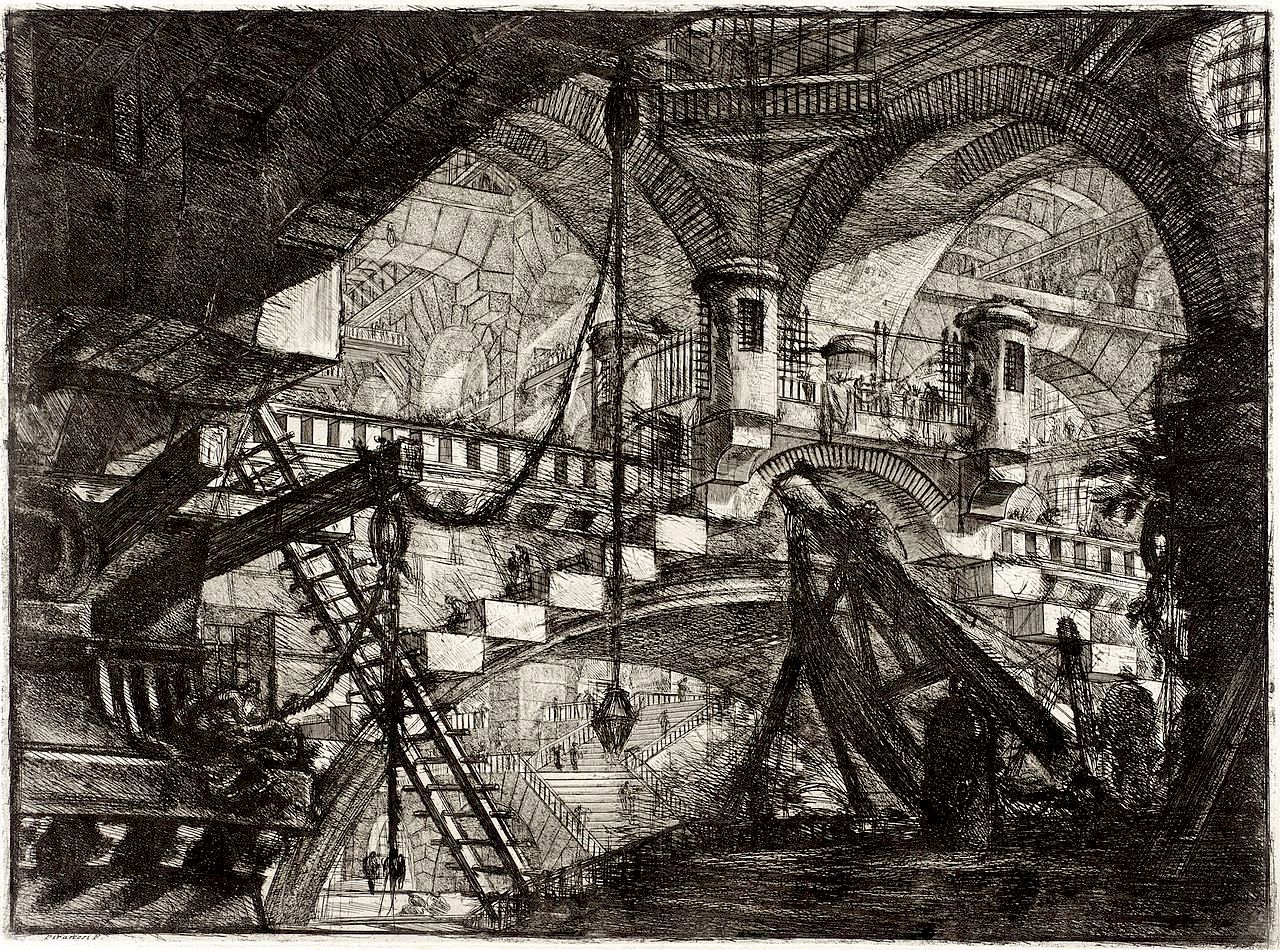
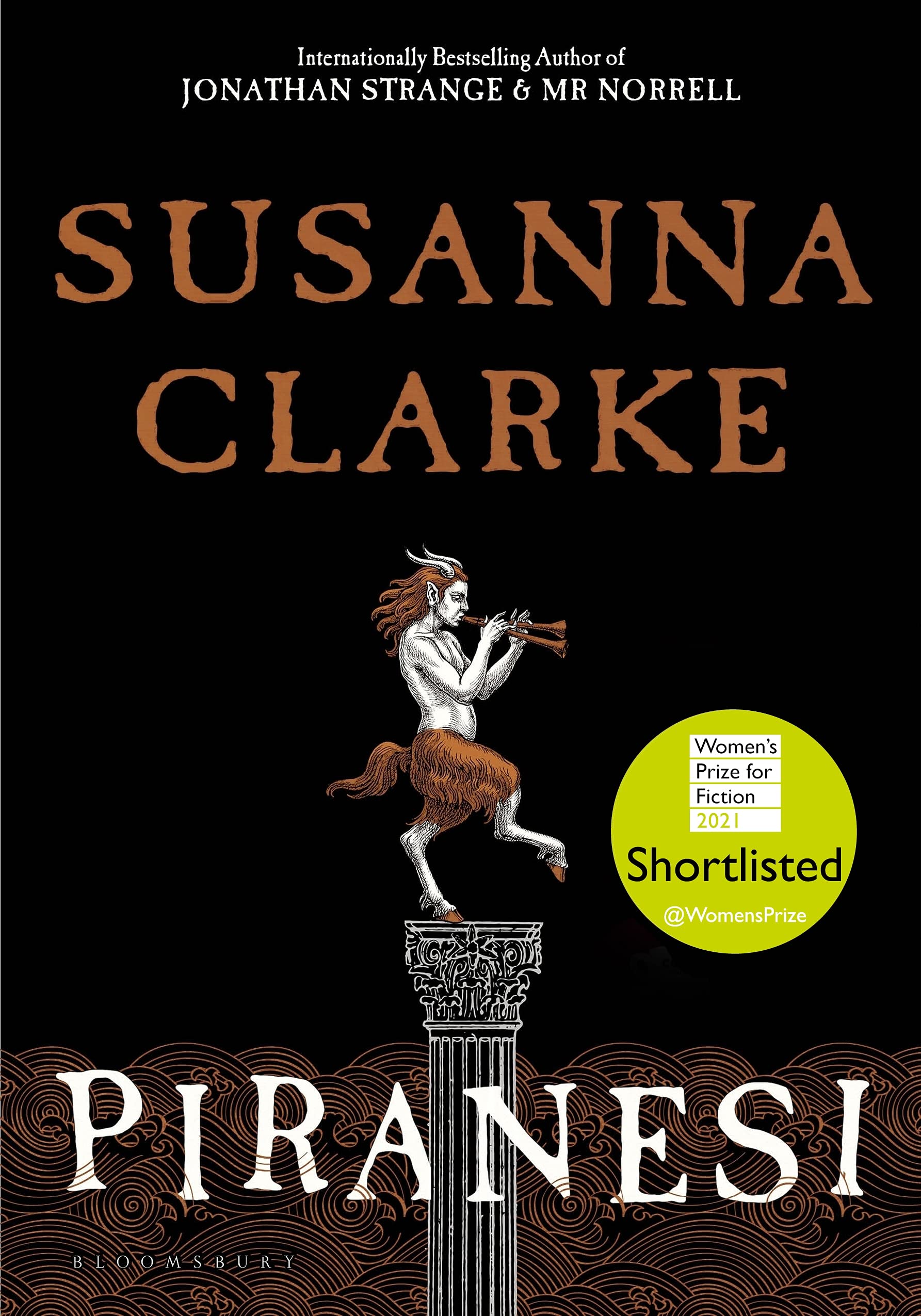 In my mind are all the tides, their seasons, their ebbs and their flows. In my mind are all the halls, the endless procession of them, the intricate pathways. When this world becomes too much for me, when I grow tired of the noise and the dirt and the people, I close my eyes and I name a particular vestibule to myself; then I name a hall. I imagine I am walking the path from the vestibule to the hall. I note with precision the doors I must pass through, the rights and lefts that I must take, the statues on the walls that I must pass.
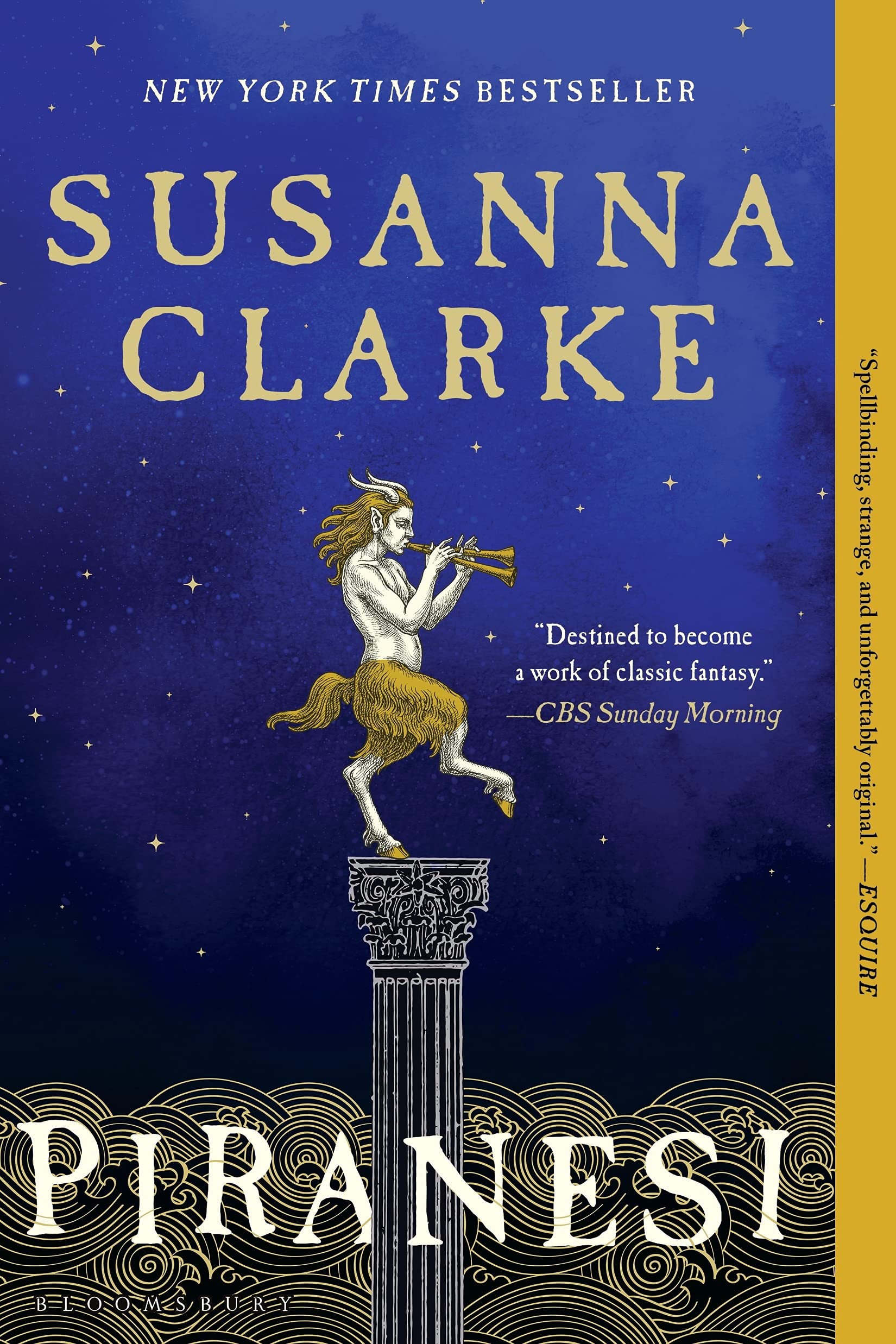 The story of who he is and what he’s doing in this place is the novel’s central plot, and it has elements of an actual mystery, even a thriller, with clues and an investigation and a climactic face-off with a villainous antagonist. In a way it is even a horror story, or at any rate things about it are horrible. The oddity of Piranesi, though, is how beautiful Piranesi’s weird world is and how lovingly he studies and tends to it. It isn’t our world but it has things we are familiar with, including tides and sea birds and seasons, all of which are vividly evoked. Although Piranesi is essentially (we learn) a captive in this place, it’s not a story of suffering. He feels taken care of; in his isolation, he has created meaning through rituals and through relationships that are real and valuable to him. When the truth is revealed and he has to choose which world to live in, it’s not obvious where he will really be better off. Or, at any rate, the right choice may be obvious but it clearly comes with costs, with losses.
 Happily, other people have written smart things about it, including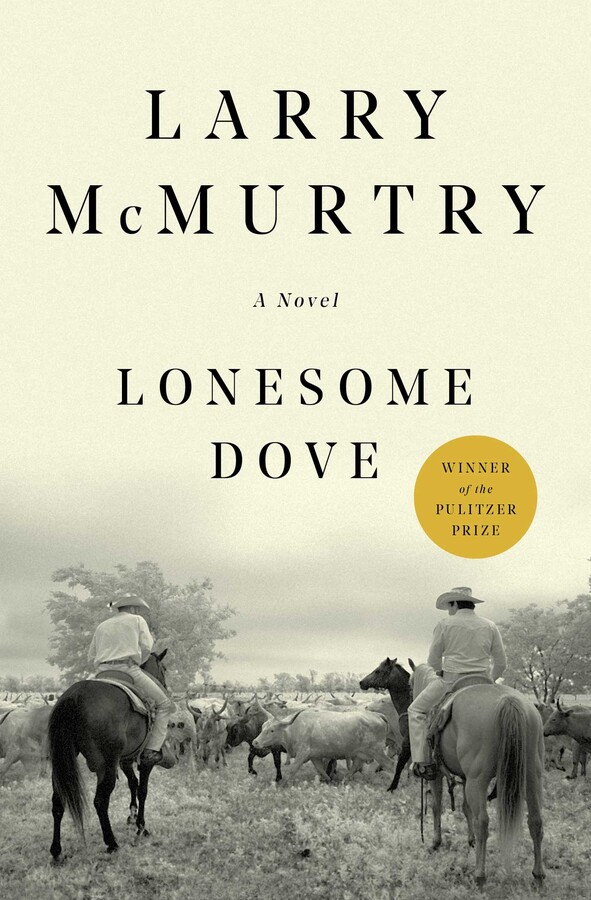


 “Something will break the blogjam!” said an encouraging friend on Twitter when I remarked on how long it has been since I wrote anything here. The problem is, that “something” has to be me actually writing something here, and it turns out that doesn’t just happen by itself! So I figure I have to just write something here, and maybe that will help me get back in the habit. Because for all the talk these days about blogging being over, it remains, for me, the best form the internet has come up with for the kinds of things that I value about the internet. I love Twitter but its conversations (while, at their best, informed, convivial, and supportive) are dispersed and fleeting. I’m not a fan of newsletters: as far as I can tell, they are just emailed blogs, which means if you want discussion to flow from them you have to go on Twitter (see previous comment!) or click over to the newsletter’s site … which is a blog, right? But because most people are getting the material delivered to them privately, there’s much less chance of conversation breaking out over there. I’m for blogs! Which means I’d better get back to writing my own and do my small part to keep them going. (I am so grateful to the book bloggers I follow who have been steadfastly keeping up regular posts lately: reading them is always a tonic, a reminder of the community and meaning created by books and the people who care about them.)
 The thing is, I haven’t actually finished many books lately: that’s one reason I haven’t felt as if I had anything to post about. I don’t blame the books. They were just the wrong ones for me right now. (These include Kate Atkinson’s Big Sky, Olga Tokarczuk’s Flights, Simone St. James’s The Sun Down Motel, and Elif Shafak’s 10 Minutes 38 Seconds in this Strange World.) I may well return to a couple of them at another time, as I picked them up in the first place because they looked worth reading! I did finish a couple of others that I felt too inert to write up in detail: Becky Cooper’s We Keep the Dead Close (that’s a wrap on my experiment with “true crime”) and Mary Lawson’s Road Ends (I liked it! I have nothing else to say about it.) The one book I’ve read through recently with anything like eagerness is Miriam Toews’s Fight Night, and I’m going to be reviewing it so I can’t write it up here!
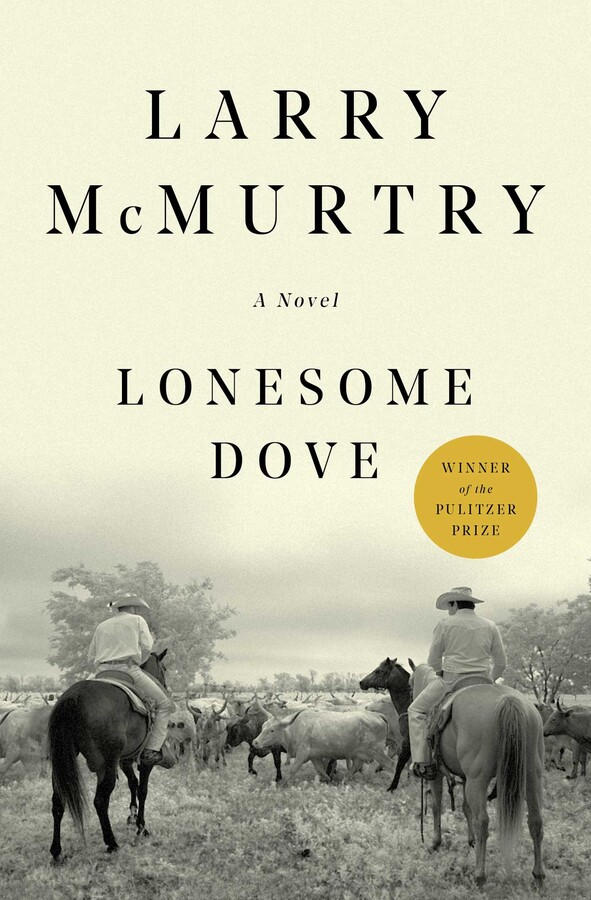 As I struggled through this slump, I picked up and put back a number of books from the array of unread ones I have on my shelves. I have much fewer of these than a lot of you do, I know from your Twitter posts and pictures! At times like these I wish I did have stacks and stacks of them, to increase the odds of finding something that looked really tempting. It turns out you don’t have to have thousands of them, though: you just have to have the right one, and happily I think maybe I do. Some months ago (maybe longer, who can keep track of time anymore) I bought Lonesome Dove, thinking it would be a perfect book for long lazy afternoons on the deck. This summer has been so humid and/or so rainy that sadly there haven’t been very many of those, and it’s just such a big book that I kept putting it aside. A couple of days ago, though, determined to throw myself into reading at least something, I picked it up and just started reading; I’m nearly 200 pages in now and I am loving it. Hooray for old-fashioned storytelling!
 Other than that, my main preoccupation for the next little while is going to be gearing up for the fall term. I was always going to be offering my big first-year class online again, and after waiting as long as I could stand it for more information about Dal’s “return to campus” plans, I took my Faculty up on their promise that we could switch any other courses from in-person to online and decided to do the 19th-century novel class online too. I have many regrets about this, but they are mostly about being sad that we aren’t more clearly out of the pandemic yet, so that returning to the classroom would not be a simple or self-evidently safe experience. It’s not so much that I anticipated being anxious for my own health (though as we know, risks remain for the fully vaccinated) but that there just seem to be too many disruptive scenarios well within the range of probability, and I am much happier being able to plan out an online term than having to cope with a lot of complications and accommodations on the fly, or (heaven help us) another ‘pivot’ to online if things go south.
 Novel Readings