A kind reader shared these apt lines from Shakespeare’s King John with me in a comment on an earlier post:
Grief fills the room up of my absent child,
Lies in his bed, walks up and down with me,
Puts on his pretty looks, repeats his words,
Remembers me of all his gracious parts,
Stuffs out his vacant garments with his form;
Then, have I reason to be fond of grief?
How well those lines capture the way that familiar things are now permeated with Owen’s missing presence. If anything, the house seems more full of him than it did in the days right afterwards, perhaps because as the initial shock has worn off, thoughts of his life crowd around and complicate thoughts of his death.
The sense of his presence in our house is particularly strong because, after living either in residence at Dalhousie or on his own since 2015, he had settled back here for a while, in between apartments—that was the plan, anyway. In preparation for his homecoming, I did a lot of reorganizing; I tried especially hard to make the space that would be his as welcoming as possible. I know he was grateful for it, and comfortable, as far as that went. Now, everywhere I look, I see reminders of this loving effort, and another line from In Memoriam haunts me: “Is this the end of all my care?” How can that be? How can this be?
Inexorably, days became weeks and weeks have now become the first month. “Time does not bring relief,” says Edna St. Vincent Millay in a sonnet another friend shared; “you have all lied / Who told me time would ease me of my pain.” The grief is still often overpowering; though I am getting slightly better at repressing the outward expression of it (I have to—a burst blood vessel in my eye is a warning about the physical toll of mourning) the pain of his death is just as intense as it ever was, and it is still worst in those moments of awakening, whether from sleep or from any distraction that has kept the thought of it at bay for a while.
“There are a hundred places,” Millay’s poem goes on, “where I fear / To go,—so with his memory they brim.” The paradox is that these places and memories are as precious as they are painful. I yearn for them even as I can’t—for now—bear to occupy them. I can’t imagine being “fond of grief,” but I think Shakespeare means (as Tennyson does when he says “Let Love clasp Grief”) that because we can no longer separate our love and our grief, our only option is to live lovingly with sadness. I don’t know how to do that yet: there’s such a shadow over everything, including over the happy memories that some (reasonably, kindly) suggest should comfort me.
I liked this recent essay on grief by Mona Arshi a lot. I think she is wise about how we think we are supposed to mourn; I appreciate her resistance to narratives of linearity and closure, which are at odds with what she rightly identifies as the stickiness of grief—which makes it repetitive, static, wearing. She’s right that grief is lonely, and that in the face of it, our words often fail us. She’s also right that “no matter how anarchic and wretched the grief may be, a poet will have gotten there first.”

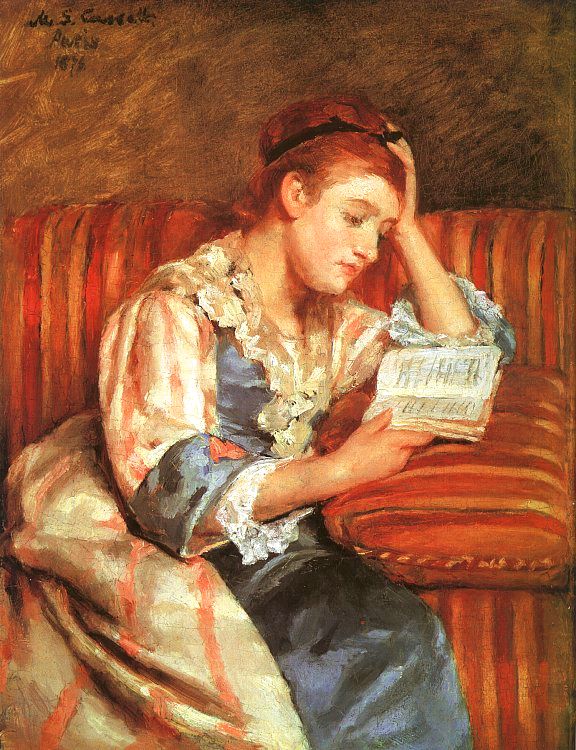
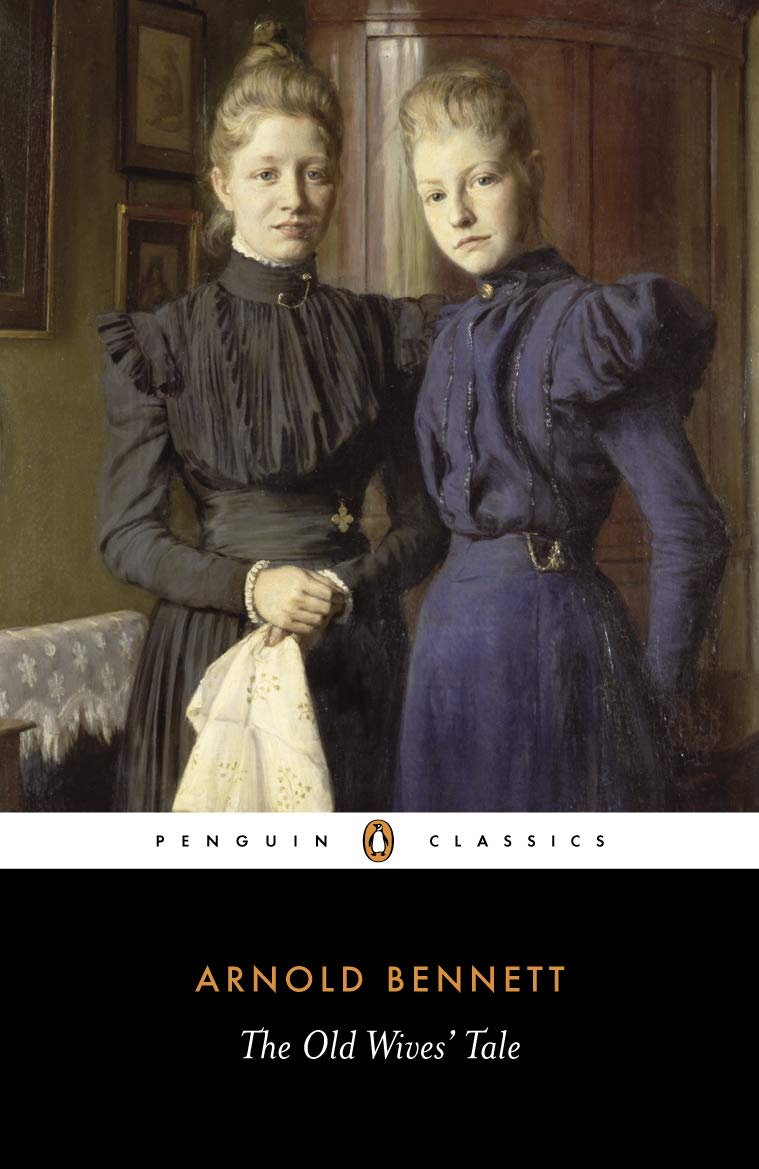
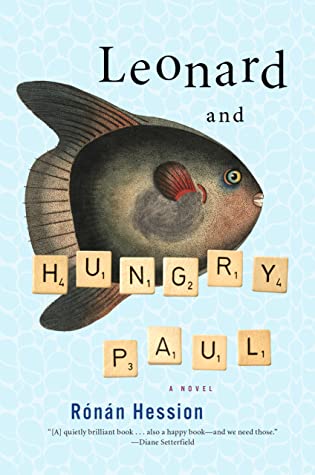
 I am trying. I have read my first new book, now: Lauren Groff’s Matrix. It was a good choice






 “Where can we live but days?”
 A lot of people who know about grief have told us it gets better, though it takes time, but also that the process isn’t simple or linear: it isn’t as straightforward as just getting through more days, each of them easier than the last. Right now the passing days feel too fleeting anyway. “I don’t want it to be four days already,” Maddie said last week, and now it has been too many more days but also far from enough days to understand what this loss means for us. We still feel grateful that we know what it meant for Owen, and there is still comfort in his last words of love. But we are the ones who have to go on now, a family of three where once we were four. He couldn’t tell us how to do that any more than we could tell him not to leave us.
 Novel Readings