Somewhere, maybe, someone is telling someone else: Listen, this crazy thing happened the other night and I can’t stop thinking about it. Days later, weeks even, Margaret’s voice still lodged in the crevices of their brain, the stories they’ve heard a pin completing a circuit, lighting up feelings that have long lain dark. Illuminating corners of themselves they hadn’t known. Listen, I’ve been thinking. Eight million people, all those stories passing from ear to ear. Would one person be compelled? One out of eight million, a fraction of a fraction. But not nothing. Absorbing that story, passing it on. Listen Somewhere, out there, saying to others at last: Listen, this isn’t right.
Celeste Ng’s Our Missing Hearts held me from its first page to its last—and yet by the time I finished it I was also wondering if the very directness with which it played, not just to my emotions, but to my values, was a weakness of the novel rather than a strength.
Our Missing Hearts is a dystopian novel that (like The Handmaid’s Tale) is frightening because its vision of the world is so familiar, so plausible, an extension of what it is already like—of what our society is already manifestly capable of—rather than a fantastical horror story. The novel is set in the near future after a massive economic crisis that was blamed on China, leading to the implementation of surveillance and control measures putatively designed to “protect American culture and traditions” (the PACT act). It tells the story of Noah, or Bird, as he was once called, who lives with his father in a university dorm where they moved in search of obscurity and thus, they hope, safety. Noah’s mother Margaret is of Chinese descent; her parents were among the earliest targets of the anti-Asian violence instigated by PACT, but she and her husband Ethan had believed if they just lived quietly, they would be left alone. Then a poem Margaret wrote becomes an anthem for a protest movement, and to save Ethan and especially Bird (who looks like her), she leaves them to go into hiding. Bird eventually sets out to find his mother, and in the process sees both the full horror of the world his parents have desperately tried to shelter him from and the courage of those who resist the evils it inflicts.
As Ng says in her author’s note, “The pandemic that began in 2020 brought a sharp increase in anti-Asian discrimination, but this isn’t a new phenomenon”; “real life examples,” she goes on, “were never far from my mind.” Her focus is on the United States but Canada has a similar shameful history and a similar painful present: tonight’s news stories on CBC, in fact, include one that is grimly illustrative. Ng does a good job dramatizing the insidious ways official prejudice legitimizes individual aggression, while also influencing bystanders to look away, whether out of indifference or fear. Bird has seen rudeness and contempt before his quest but never brute violence of the kind he sees when he follows his mother’s trail to New York and sees a woman who reminds him of her:
The woman notices him across the street, watching her, and smiles. Perhaps he reminds her of someone, too; perhaps at first glance she mistook him for someone she loves and now that love spills over to him, a largesse. And because she is looking at him, because she is smiling at him and perhaps thinking fond thoughts about this little boy who reminds her of someone she loves, she does not see it coming: a fist, smashing into her face.
The violence the novel is most concerned with is not quite so direct, or at least not so directly physical: the “missing hearts” of the title are children taken from their parents when suspicious or malevolent observers accuse the parents of un-American behavior or beliefs. Resistance to these legal but immoral kidnappings is the cause for which Margaret’s poem becomes the anthem, and to which Margaret ultimately dedicates herself. Again, Ng points to real-life counterparts, from “the separations of enslaved families” to the ongoing “separations of migrant families still occurring at the U.S.’s southern border and beyond.” Our Missing Hearts is thus clearly and intentionally timely, an attempt to enlist the power the novel itself celebrates—the power of stories, and of those who cherish, preserve, and perpetuate them (librarians, aptly, are central to the resistance)—to get people to listen and say “this isn’t right.”
This is obviously a good thing: any enthusiast of 19th-century “social problem” novels is bound to say so, and to refrain from quibbling about didacticism or heavy-handedness. And overall I wouldn’t really say Our Missing Hearts is heavy-handed or didactic—and who, after all, doesn’t love stories, books, and librarians? Well, actually, mistrust of books and libraries is another all-too common reality these days, so unfortunately I guess the case for their social and political value does need to be made . . . but not to me, really, just as—though I was chilled and saddened by the incidents the novel depicts—I also don’t need convincing that prejudice and discrimination and violence of that kind “isn’t right.” Perhaps paradoxically, this is why by the end of Our Missing Hearts I had become somewhat less invested in it as a reader: it started to seem like preaching to the choir. The power of Margaret’s final act of protest is its reach: her message doesn’t target only sympathizers. Would anyone who really needs the lessons Ng offers actually pick up her novel? They might, I suppose, and also there might well be readers who, whatever their other good intentions, have not thought very hard about anti-Asian discrimination in particular, or who need to reflect more generally on how easily tyranny slips in if we make enough “little” concessions along the way, or if we look the other way often enough (another of Ng’s sources is Timothy Snyder’s On Tyranny). Maybe this is a foolish or arbitrary reservation in any case: dramatizing problems readers may not have seen or experienced for themselves has a power of its own, and as the narrator of Middlemarch says, “Who can say what may be the effect of writing?” Better to write what you believe in and hope it makes a difference than to keep quiet about the injustice and suffering you see in the world.
 Book blogging was easier, somehow, when I just wrote up every book I read as soon as I finished it. I was so much busier in other respects when I adopted that habit: looking back, I have now idea how I found the time for it. But one plausible theory is that I saved a lot of time not dithering about blogging! Just do it – good advice for so many things, including writing.
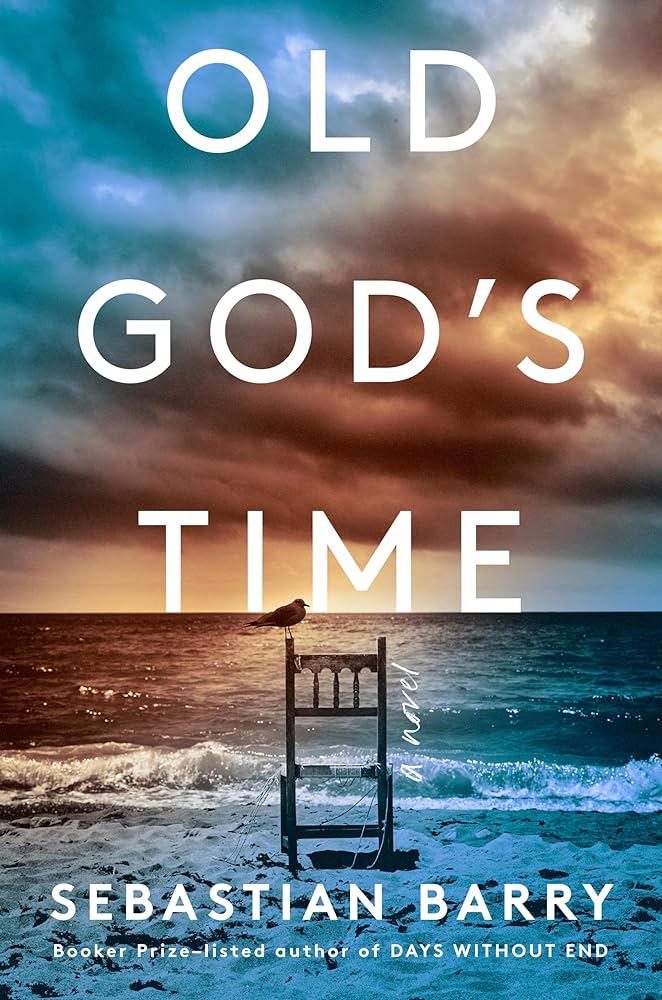 The novel’s non-stop melodrama is in service of a worldview, or an idea about human desires and instincts. I think possibly this sentence is key: “The door of terror opened over the black chasm of sex, love even unto death, destruction for fuller possession.” I hope the One Bright Pod folks (whose fault it is that I read this) will tell me if there is some kind of link to D. H. Lawrence here: it seems so to me, but I don’t know Lawrence well enough to be sure. I also hope they talk about what trains signify and how they are used in the novel. They are clearly (I think) symbols of modernity, but there is a lot more going on with them, especially the engine personified by one of the characters as a woman (“she” is perhaps his most genuinely caring relationship). Once I’d
 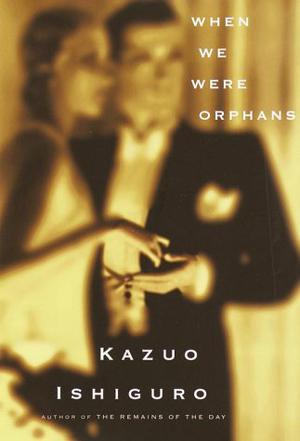 The other three books I’ve finished are Mollie Keane’s Good Behaviour (didn’t much like it, though I could see how skillful it is), Kazuo Ishiguro’s When We Were Orphans (found it boring even though I knew he was doing his withholding / unreliable narrator trick again so I knew that if I only understood what lay beneath the boring layer, it would be much more interesting – this is a risk he takes repeatedly, as I discussed in
 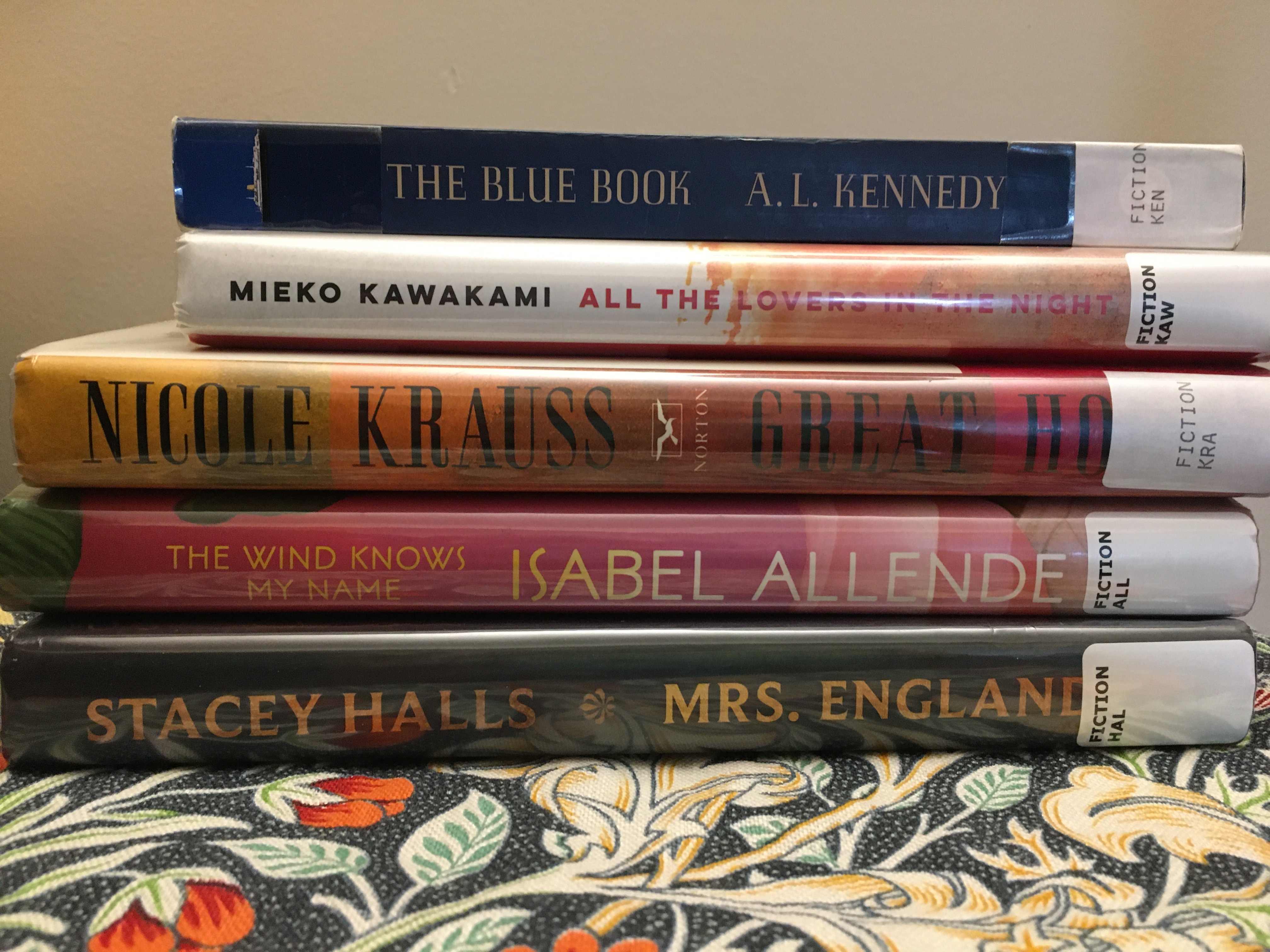 What’s next, you wonder? Maybe Celeste Ng’s Our Missing Hearts, which I picked up recently with a birthday gift card (thank you!), or something from my miscellaneous stack of library books. Living so close to the public library has made me pretty casual about taking things out that I may or may not commit to reading: I like having options! (If there’s anything there you think I should definitely try, let me know.) I also have Cold Comfort Farm to hand, which was my ‘Independent Bookstore Day’ treat – but I’m saving it to read on the plane when I go to Vancouver in a couple of weeks.
 April hasn’t been a bad month for reading, overall. I’ve already written up Dorothy B. Hughes’s
 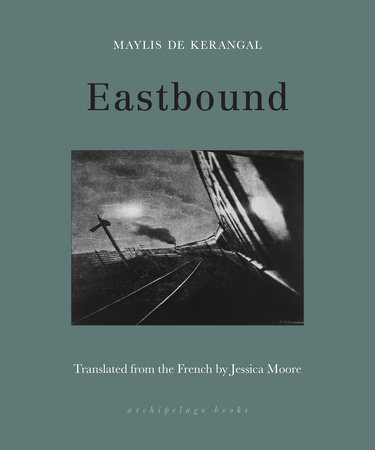 I read Maylis De Kerangal’s Eastbound in one sitting, not just because it’s short but because it’s very suspenseful and I really wanted to find out what happened! I ended up thinking that the novel’s success in this respect worked against the quality of my reading of it, because I didn’t linger over the aspects of the novel that make it more than just a thriller. The story is very simple: a young Russian soldier on a train to Siberia decides to go AWOL and is helped in his attempted escape by another passenger, a young French woman. Will he succeed, or will he be discovered and pay the price? Anxious to know, I paid less attention than I should have to the descriptions of the landscape scrolling past them – though I did appreciate them, I didn’t really think about them, and a reread of the novel would probably show me more metaphorical and historical layers to the characters’ journey. Some other time, maybe, as I had to return my copy to the library! But even my brisk reading showed me why
 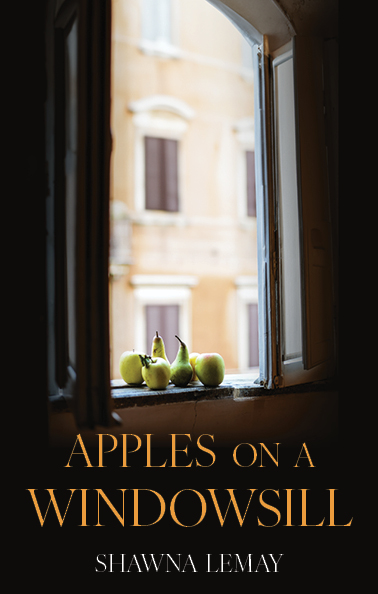 My current reading is Shawna Lemay’s Apples on a Windowsill, which is (more or less) about still lifes as a genre, but which roams across a range of topics in a thoughtful and often beautifully meditative way. A sample: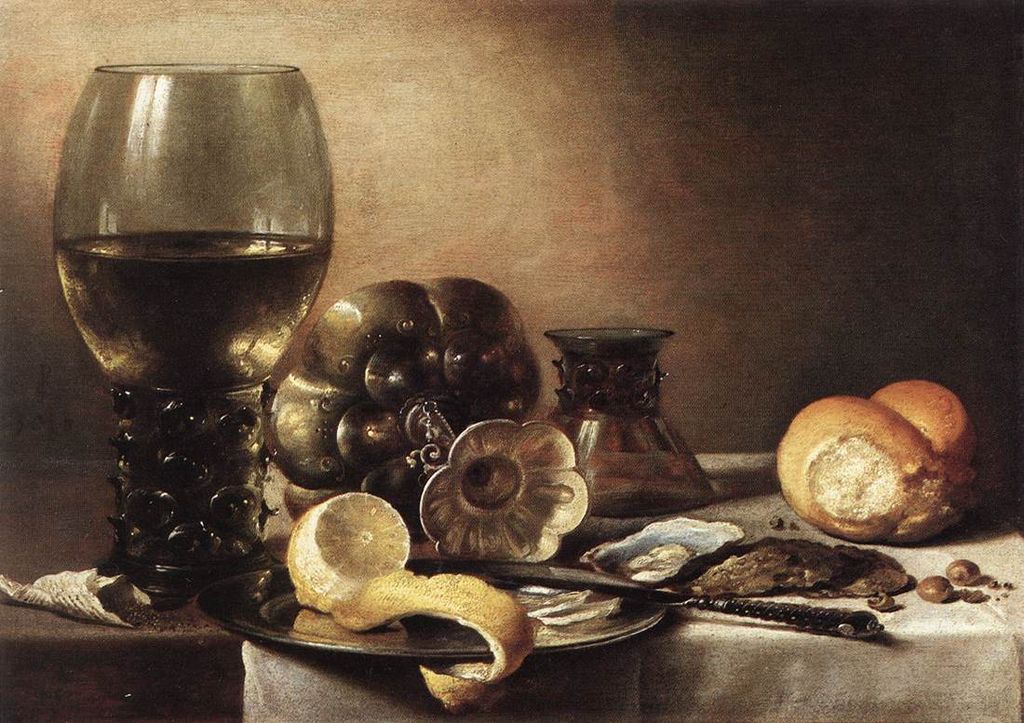
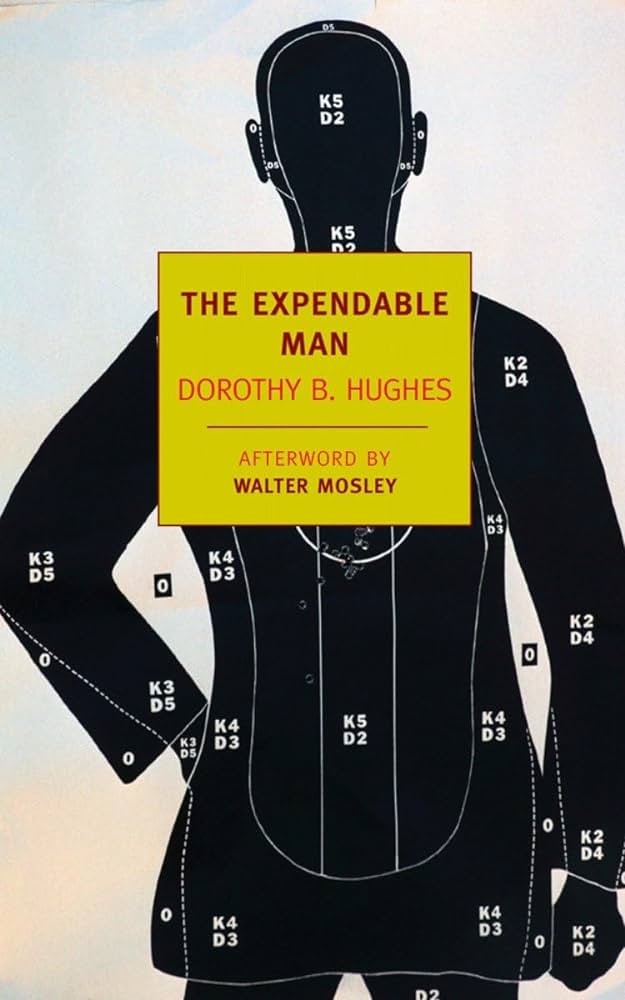 Another car would have come along, a family car for which she had said she was waiting, or even another man, a white man. Most travelers, like most men, were intrinsically decent. The end result for Iris would have been the same, cruelly the same. But he needn’t have been involved. He was the wrong man to have played Samaritan, and he’d known it, known it there on the road and in every irreversible moment since.
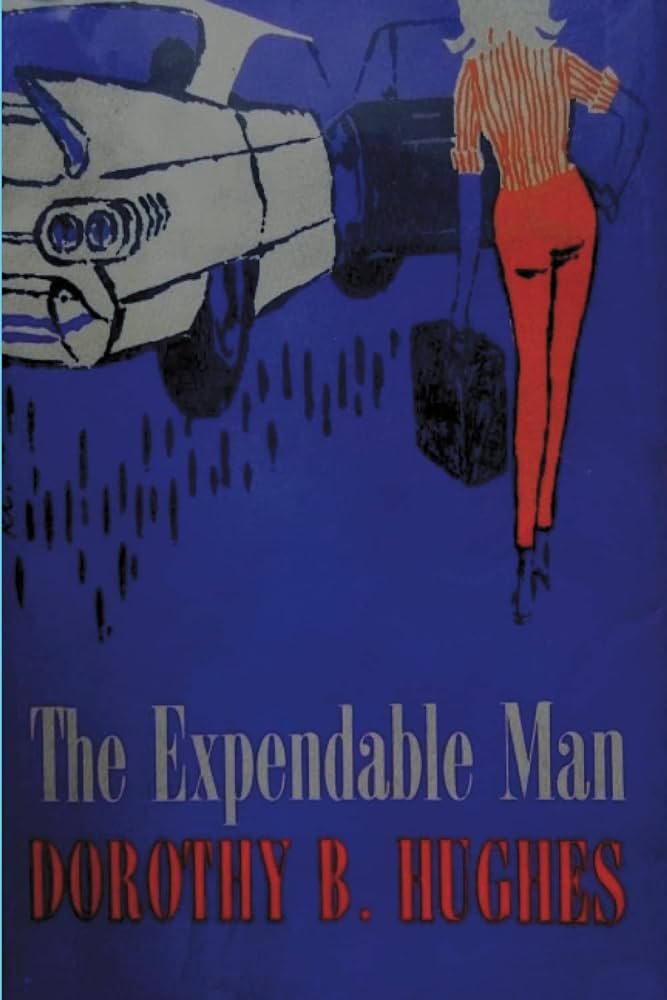 There are many interesting aspects of the investigation that unfolds as Hugh (with painful inevitability) ends up the prime suspect in Iris’s death. I haven’t spent enough time with the novel at this point to be sure what to make of all of them, but one thing I’ll want to think more about is Ellen’s role, which doesn’t fit any of the usual restrictive hard-boiled parts for women to play. It seems tied to the novel’s attention to class, which, as Mosley notes in his Afterword to the NYRB edition, does not protect Hugh the way he hopes it will: his education and career path, his family’s money and social standing—none of it insulates him from hatred or suspicion. But Ellen’s money and connections are sources of strength, as is her prompt and unequivocal commitment to being on Hugh’s side. If Iris can be seen as a version of the damsel-in-distress turned femme fatale (intentionally or not), Ellen is an ally and partner for Hugh, one who refuses to sit on the sidelines while an injustice is perpetrated. There are other details worth considering about who helps Hugh and who doesn’t, too, including the white lawyer whose motives are primarily political, rather than principled.
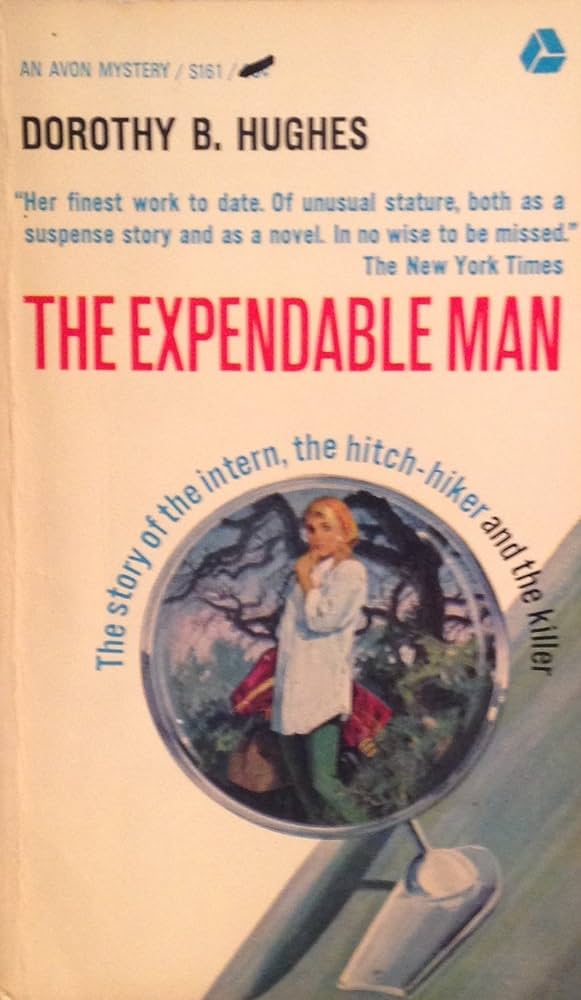 The thing that does make me hesitate is the oddity (arguably) of assigning a novel that is fundamentally about race, and that is told from the point of view of a Black man—but which is written by a white woman. “A white woman writing of a young black man’s problems with the law was a certain kind of gamble,” Mosley comments in his Afterword—but Mosley himself doesn’t seem to consider it problematic, moving immediately on to remark Hughes’s general interest in writing “from perspectives far from her own.” It is clear from the afterword that Mosley greatly admires Hughes in general and The Expendable Man in particular. What kind of representation is more important, in a class like mine that tries to show the range of uses to which the forms of detective fiction have been put since its emergence as a distinct form? It seems as if Mosley would consider it most important to address “the darker reality” (as he puts it) that lies behind more “glittering versions of American life.” Presumably he thinks the gamble paid off for Hughes because the result was a very good novel.
 This term is the first one since I began posting about ‘this week in my classes’ in 2007 that I haven’t posted at all about my classes. What’s up with that, you might wonder? Well, more likely you hadn’t noticed or wondered, but I’ve certainly been aware of it and pondering what, if anything, to do about it.
 It certainly isn’t anything to do with this term’s classes. At least from my perspective, both of them—Mystery & Detective Fiction and The Victorian ‘Woman Question’—have gone very well. Of course there have been the occasional sessions that dragged a bit, and we had an unusually high number of snow days that created a lot of logistical headaches, but in general discussion was both substantive and lively. I continue to try to wean myself from my lecture notes. This gets easier and easier in the mystery class, as I am pretty confident now both about how I want to frame the course and readings in terms of ‘big picture’ issues and about the specific readings. (I mix in new options quite regularly, because for various reasons I have been teaching the course basically every year for ages, so this definitely keeps it fresh and interesting for me: I just finished reading Dorothy B. Hughes’s The Expendable Man and I’m 90% certain I’m putting it on the reading list for next year, for one!) The ‘woman question’ class is a seminar, so I don’t lecture there anyway; I so looked forward to our class meetings all term, both because the readings are all favorites of mine and because we always had such good conversations about them. The only slight exception was with the excerpts from Aurora Leigh, from which I learned both that assigning excerpts is a bad idea (something I already believed but overrode, for practical reasons)—when it comes to long texts, do or do not, there is no try!—and that narrative poetry is hard, or at least it takes a different kind of preparation and attention than fiction, and that if I’m going to assign any of Aurora Leigh I need to take that into account.
 So what’s my problem this term? I think it is rooted in my uncertainty about how to address some big changes that have taken place in my personal life. When I wrote up my
  In my current circumstances, this principle, if that’s what it is, runs up against the principle that I shouldn’t talk about other people’s business here: it feels wrong not to acknowledge that my life has changed significantly, but I have felt—rightly, I think—constrained from going into any detail that might cross the line, which has also meant I have felt constrained from talking about some of my recent reading as frankly and completely as I would have liked to, because I couldn’t address how something like, say, Maggie Smith’s
 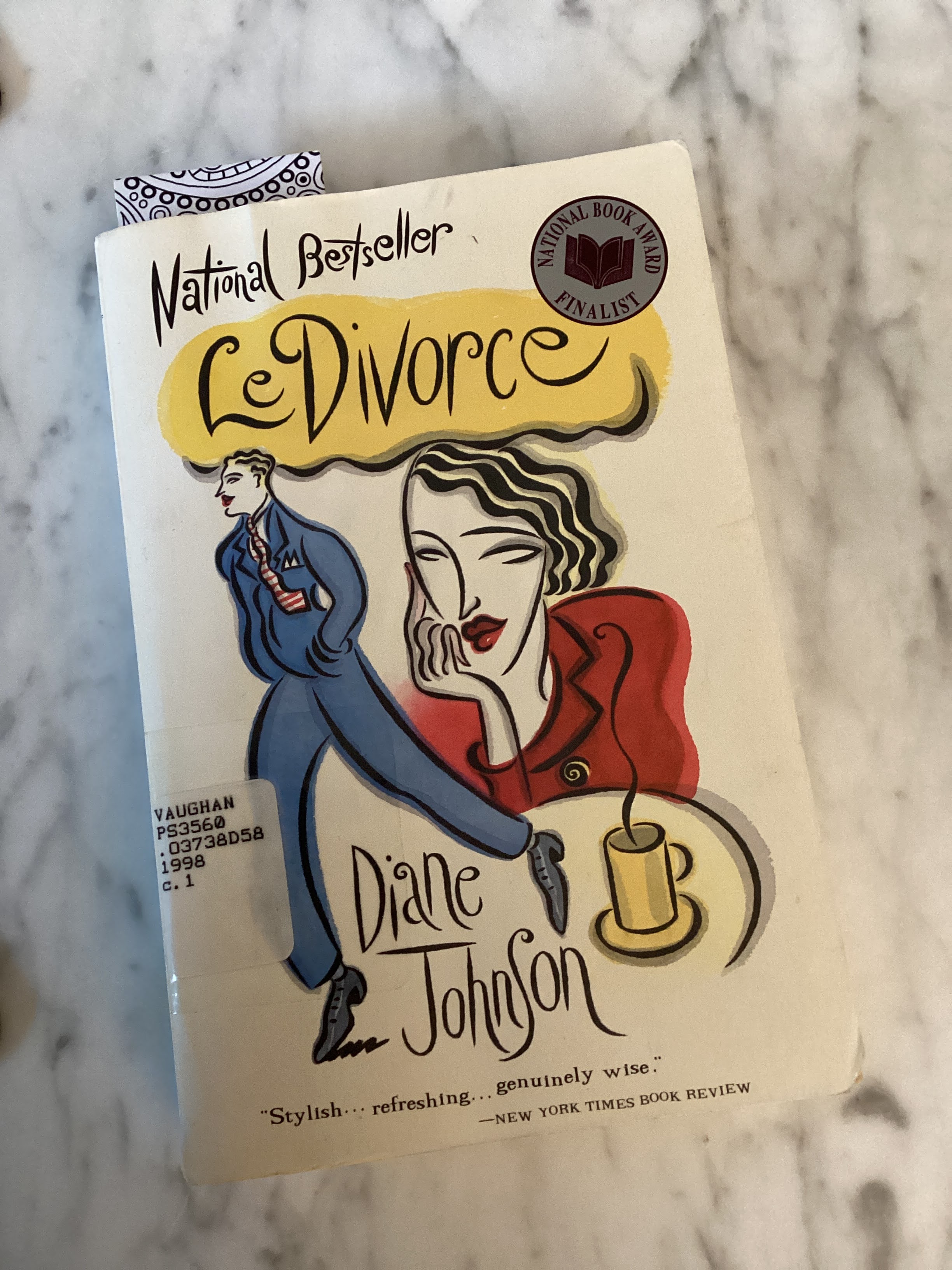 Obviously I have reached a point at which it seems fine and reasonable to say what has been going on, though I don’t expect I will ever consider Novel Readings an appropriate place to talk about how or why things have unfolded in this way, or even how I feel about it all! That’s nobody’s business but ours, by which I mean mine and my (truly excellent) therapist’s. 😉 Seriously, though, I do believe we bring our whole selves to our reading, so what I want to work on is how to acknowledge how my new reality sometimes does affect my engagement with books. I can say already that nothing about Diane Johnson’s Le Divorce, which I just read for my book club, seems relevant or resonant at all in that way (though I did enjoy it on its own terms)—though there were moments in
 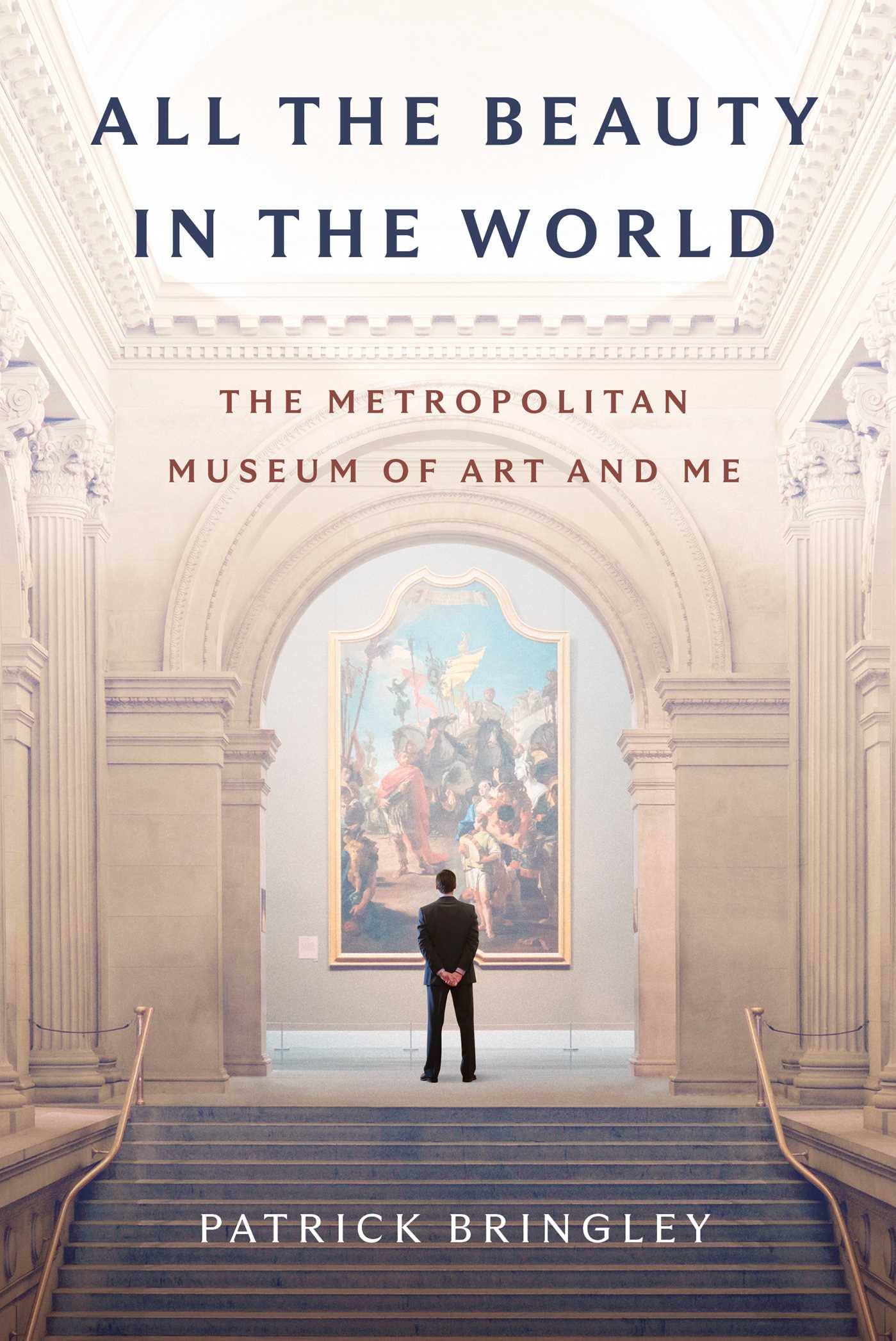 After college, for a period of two years and eight months, the “real world” became a room at Beth Israel Hospital and Tom’s one-bedroom apartment in Queens. Never mind that I was starting out at a glamorous job in a midtown skyscraper; it was these quieter spaces that taught me about beauty, grace, and loss—and, I suspected, about the meaning of art.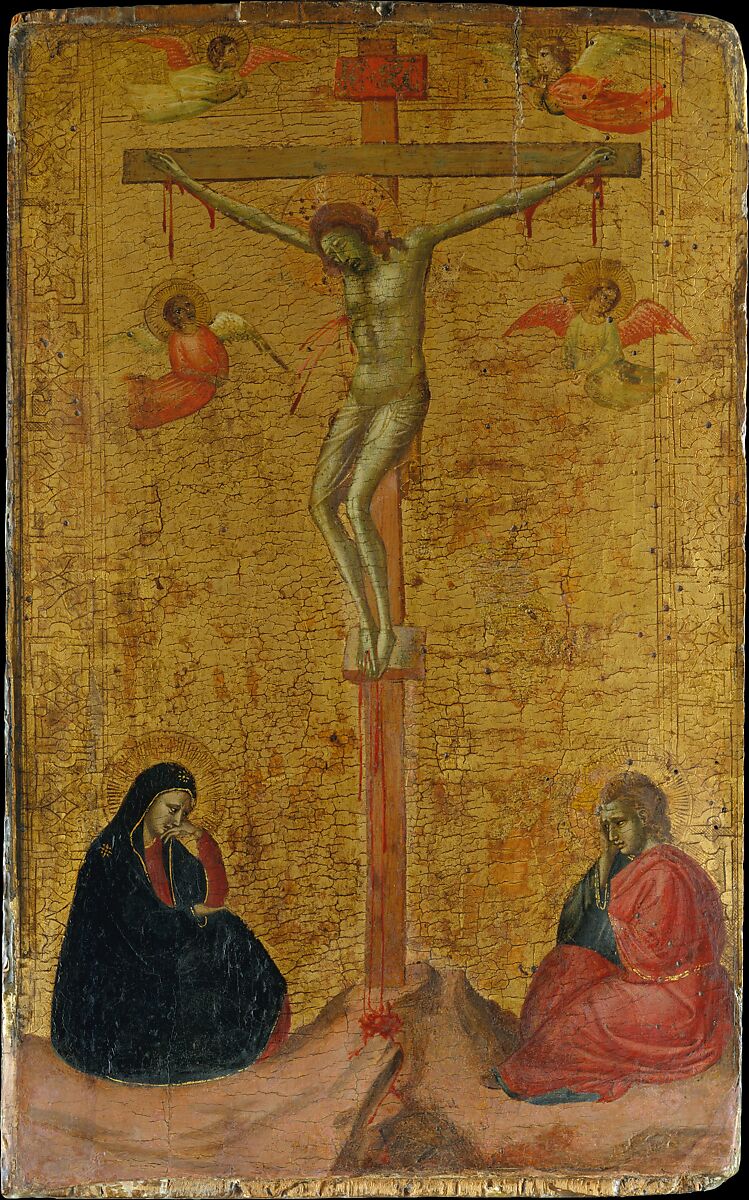
 The individual sections of All the Beauty in the World are organized, more or less, around Bringley’s assignments to particular rooms or wings or exhibits; the larger framing is his gradual reconciliation, if that’s the right word, with the “real world” outside the museum as he learns to live with Tom’s loss. Both the people he works with (who come from all parts of the world and all have their own stories about how they came to be standing guard over Van Gogh’s Irises or the tomb of Perneb) and the people he encounters as visitors all play a part in this emotional journey, but it is the art that matters the most, in ways that are better suited to samples than summaries. Here, for instance, is Bringley’s description of a silk scroll hand-painted by Guo Xi, a “Northern Song Dynasty” master:
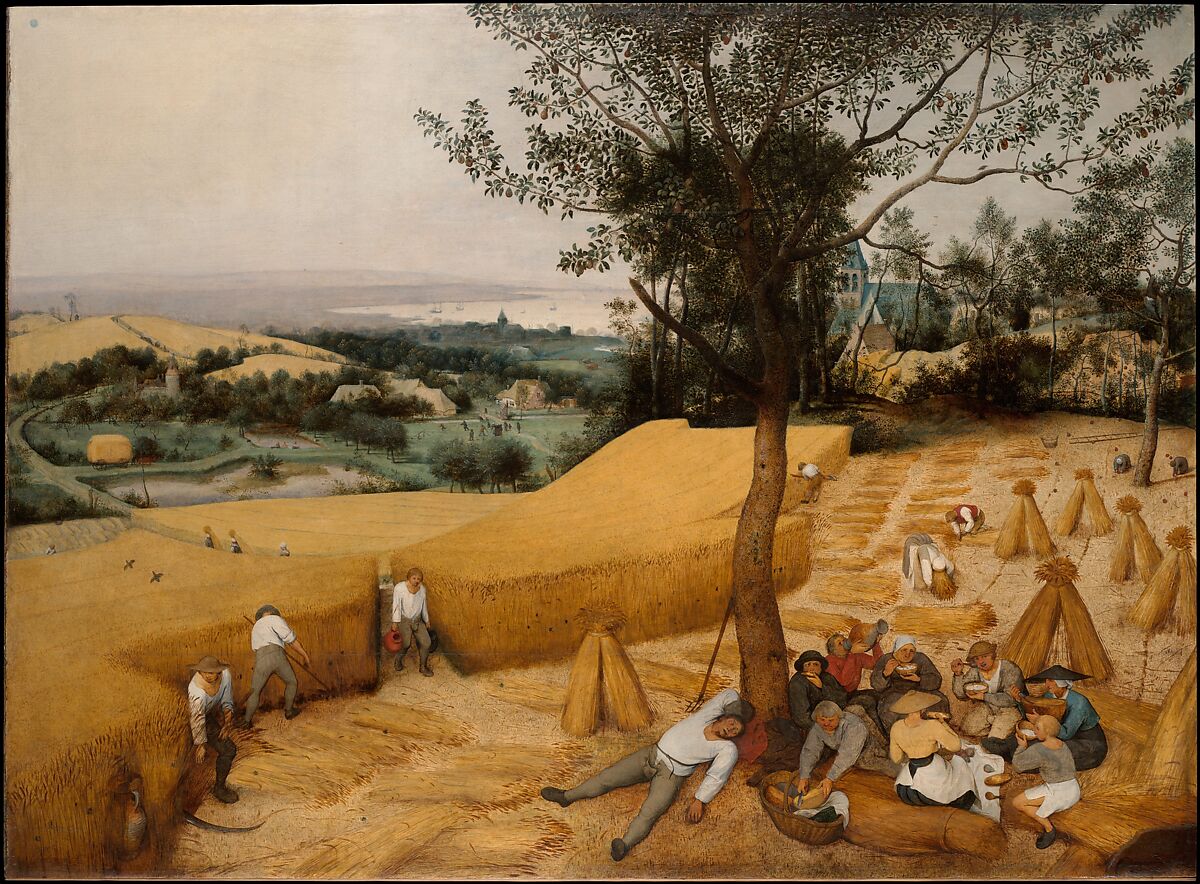
 And so he leaves this job too. From now on when he returns to the museum it will be as a visitor, just another person stepping inside for a moment to be reminded of the obvious, and to be reassured
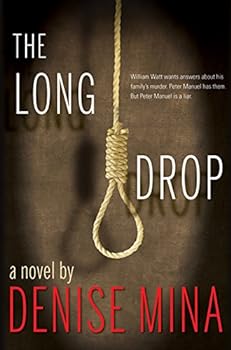 Everything goes back to normal. Peter Manuel becomes a scary story people tell each other. Just a story. Just a creepy story about a serial killer.
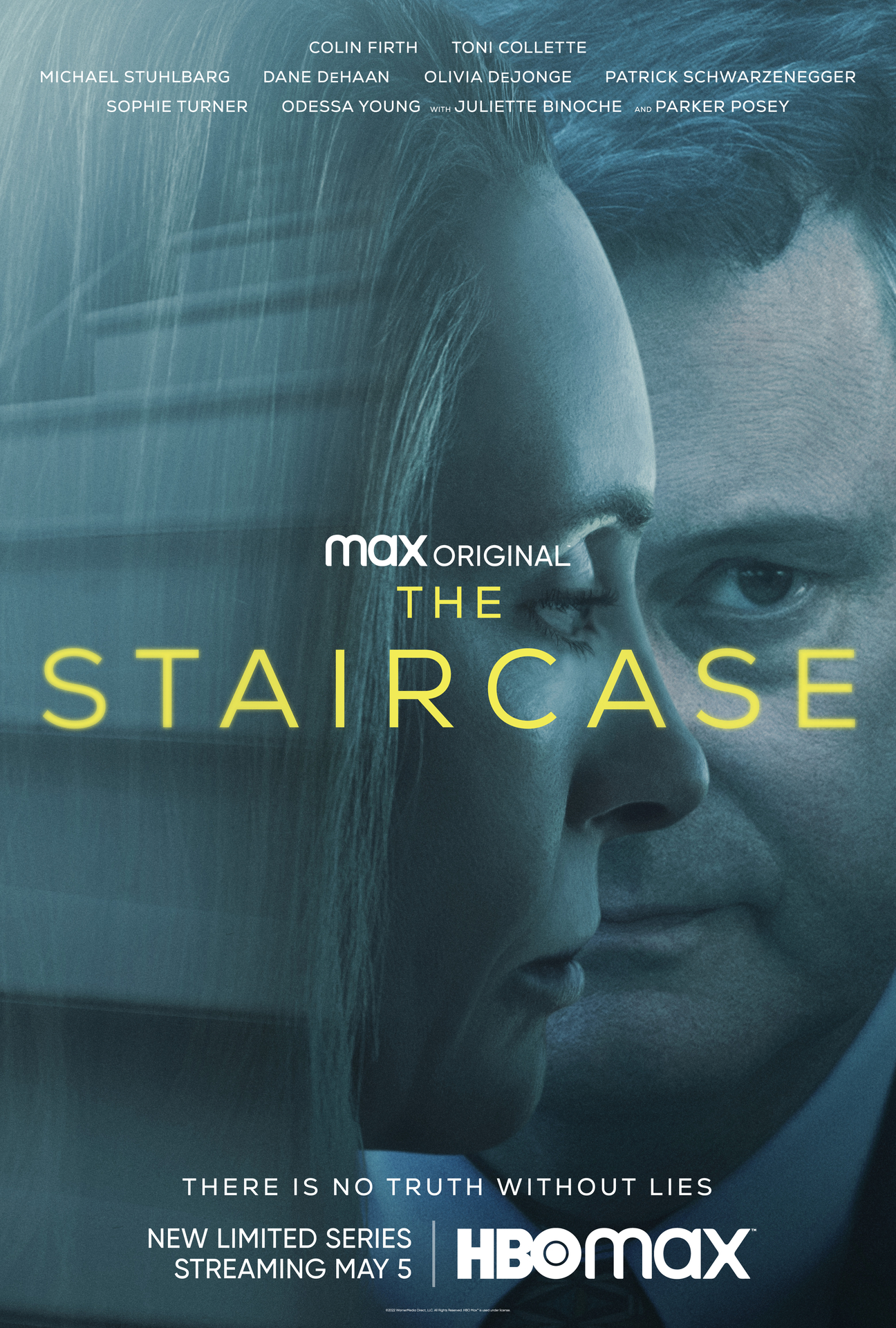 One reason that to date I have not pursued this idea is that true crime, as a genre, makes me uneasy, squeamish, even—ethically, but also more literally. My experience with it is limited and mostly from television, where, for example, I have watched both the TV serial and the documentary The Staircase, as well as both The People vs O. J. Simpson and O. J.: Made in America — and also one season of Netflix’s Making a Murderer. If you can criticize made-up crime fiction for treating imaginary violent deaths as good subjects for an evening’s entertainment, how much worse is it to take the suffering and brutality and tragedy of actual murders and engage us with it in the spirit of a whodunit? Obviously, in both cases everything depends on the treatment: plenty of detective fiction does a lot more than offer us a puzzle, and I’m sure it is possible for true crime writing (or podcasting or dramatizations) to avoid the pitfalls of sensationalism, speculation, and grisly voyeurism. But it can’t help but be a grim kind of reading, writing, watching or thinking, and for my own forays into the already unhappy territory of murder I have just always relied, however naively, on the insulation that seemed to be provided, morally and imaginatively, by knowing that none of what I was reading about ever actually happened to anyone real.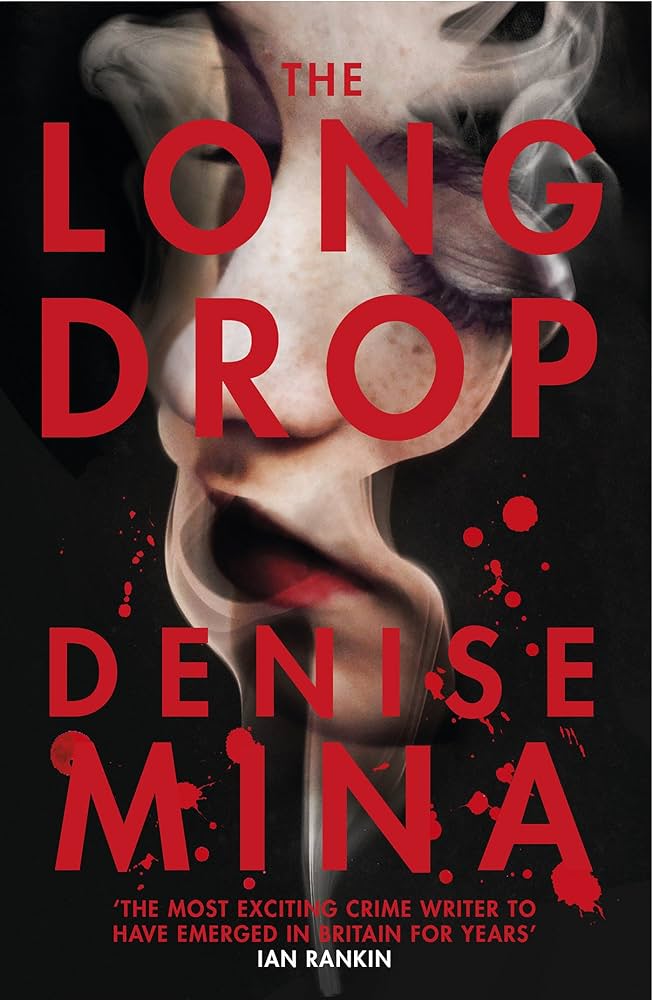
 Mina talks in the interview about people’s fascination with serial killers (a point that reminds me of another ‘true crime’ series I’ve seen, “Mindhunter”—which itself walks a fine line in its treatment of its subjects) and notes that people usually want to see them as anomalous. The version of Manuel that her book gives us is hardly “normal,” but at the same time there’s something small, petty, even pathetic about him, rather than monstrous. He represents himself at the trial and one factor in his favor, we’re told, is that
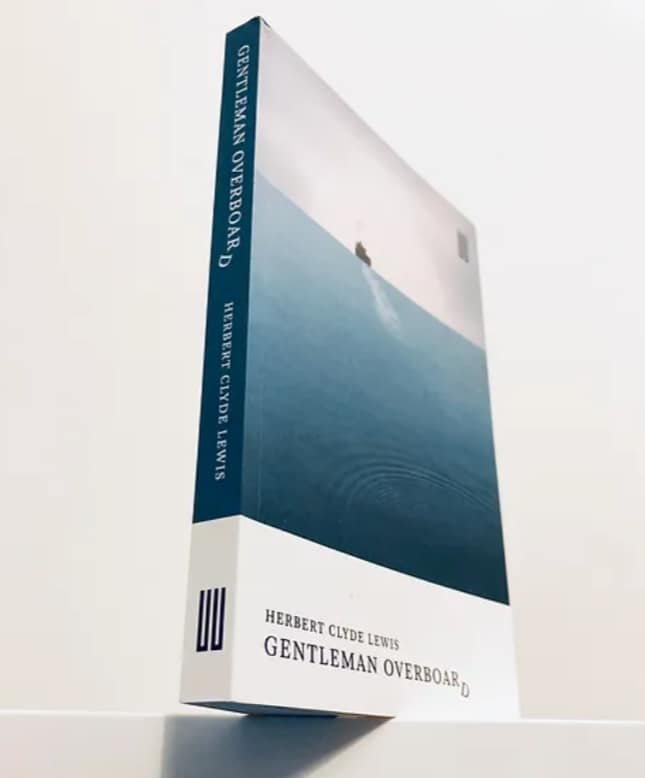 The best of them was undoubtedly Herbert Clyde Lewis’s Gentleman Overboard, which I was inspired to read by listening to Trevor and Paul talk about it on the Mookse and the Gripes podcast. It is a slim little book with a simple little story, but it contains vast depths of insight and feeling, and even some touches of humor, as it follows Henry Preston Standish overboard into the Pacific Ocean and then through the many hours he spends floating and treading water and hoping not to drown before the ship he had been traveling on comes back to pick him up. We also get to see how the folks on board react when he’s discovered to be missing, and we follow his thoughts and memories, learning more about him and how he came to be where he is—not in the ocean, which is easily and bathetically explained (he slips on a spot of grease at just the wrong moment when he’s in just the wrong place), but sailing from Honolulu to Panama in the first place.
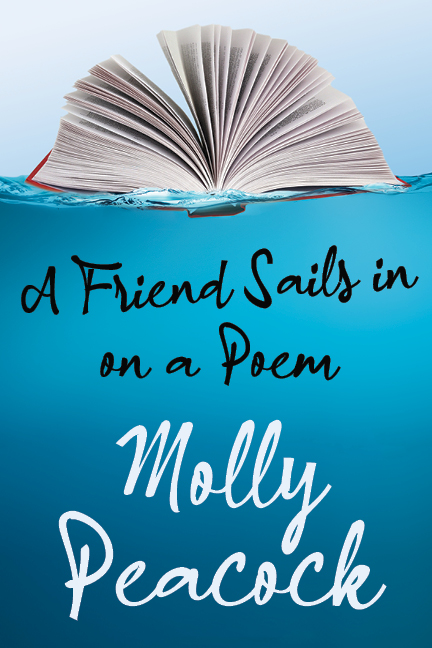 I also really appreciated Molly Peacock’s A Friend Sails in on a Poem, which is an account of her long personal and working friendship with fellow poet Phillis Levin. It is a blend of memoir and craft book, which might not work for every reader, but I found the insider perspective on how poems are created and shaped fascinating and illuminating. Peacock includes some of the poems that she talks about; this was my favorite:
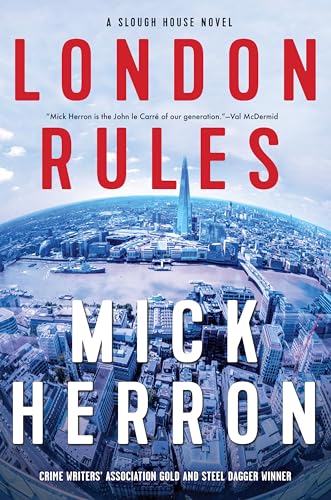 Finally, I just finished Mick Herron’s London Rules, the third (or possibly fourth?) of his
  I hope to get back to more regular blogging about books, and about my classes, an exercise in self-reflection that I’ve missed. It has been a very busy and often stressful couple of months, for personal reasons (about which, as I have said before, more eventually, perhaps), but whenever I do settle in to write here I am reminded of how good it feels, of how much I enjoy the both the freedom to say what I think and the process of figuring out what that is! My current reading (slowly, in the spirit of Kim and Rebecca’s #KateBriggs24 read-along, though I am not an official participant) is Kate Brigg’s The Long Form, which I am enjoying a lot; I’m experimenting with having more than one book on the go, as well, so now that I’ve finished London Rules I will go back to my tempting stack of library books and pick another to contrast with Briggs, perhaps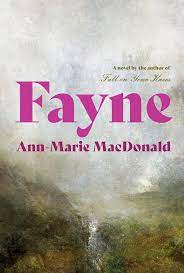

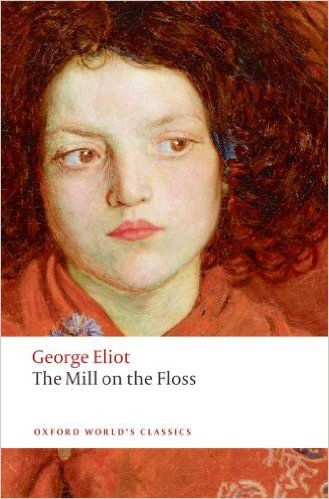
 To anyone familiar with the rigid strictures women faced in the 19th-century, some aspects of Fayne will be predictable, even with the device of an intersex character to subvert the binaries they were based on. Fayne succeeds because MacDonald is a fine storyteller who has more to say than “the times were unfair to women,” or maybe more accurately more she wants to do than just offer this critique (which is not to say it’s not an important critique, or that through the character of Charles / Charlotte she doesn’t extend it significantly). Everything about Fayne suggests that MacDonald wants to have fun as a novelist by writing an unabashedly melodramatic novel with her own variations on the kinds of twists and surprises we get in Gothic or sensation fiction: mistaken or secret identities, false confinements, drugs, sexual secrets, lost heirs, treachery and deceptions of all kinds—but also true-hearted friends and allies pointing the way towards solutions to these mysteries and towards a future in which the people we come to care for will be safe and happy. Overall, it works! It is fun, gripping, surprising, infuriating, and often touching. And, not incidentally, Charlotte herself is a fine addition to the list of 19th-century literary heroines who put up lively resistance to oppressive norms: Jane Eyre, Maggie Tulliver, and Marion Halcombe, for starters. There are many moments in Fayne that are clearly nods to Charlotte’s rebellious predecessors.
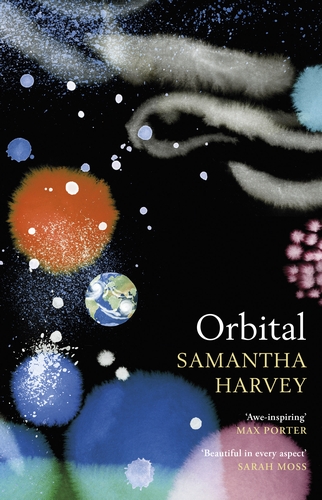
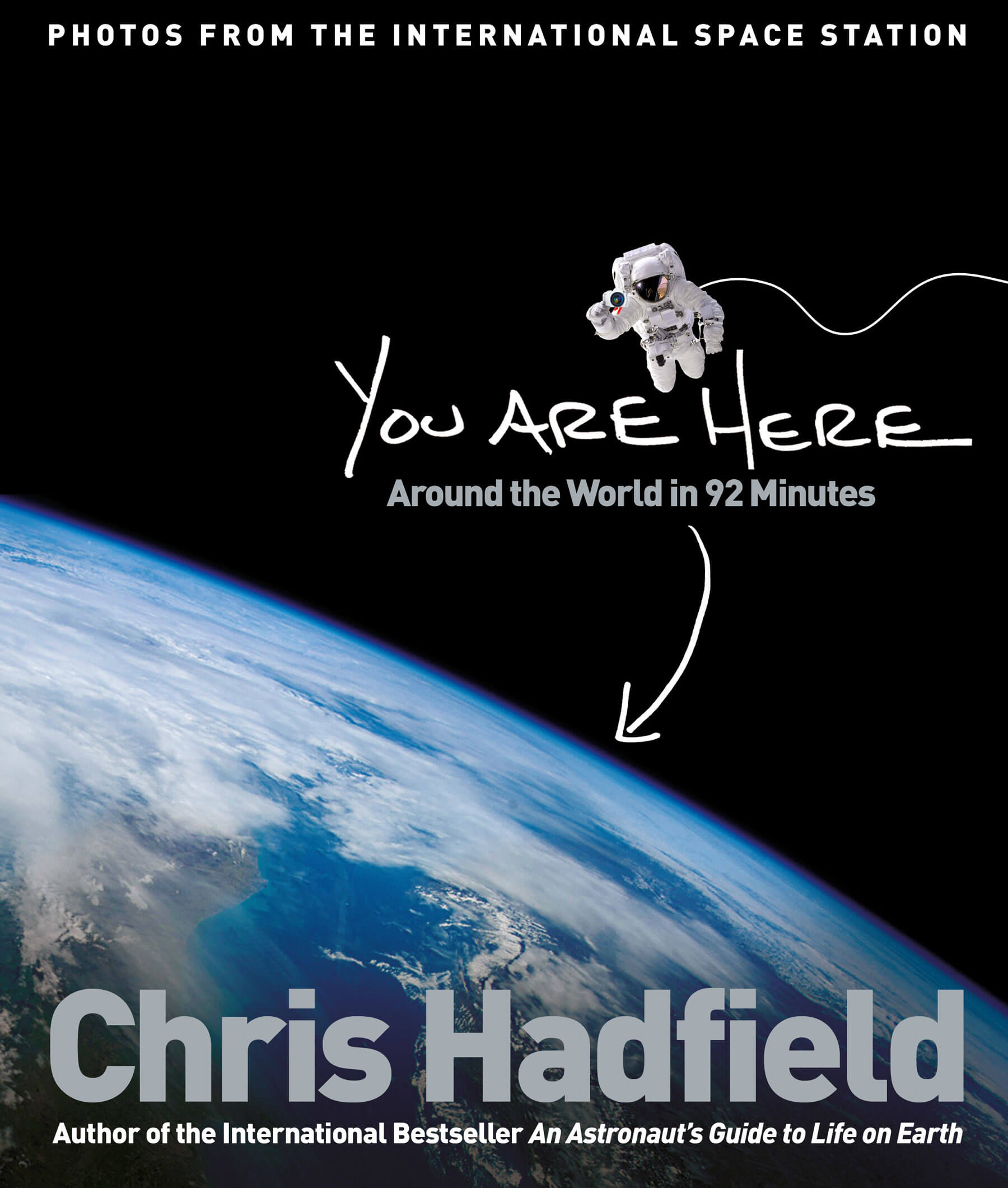 Orbital does more, though, than indulge in this potentially saccharine vision of a perfect world spoiled, pointlessly, by human squabbles, greed, and violence. This is a common starting point, the novel proposes, including for the astronauts, initially overwhelmed by the invisibility of the borders and boundaries that motivate so much hostility and cause so much death:
 The astronauts are also aware that their own astonishing vantage point is itself implicated in these forces; running through the novel is a debate, unsettled (perhaps impossible to settle), about the value of space exploration, about ideas of progress and the capacity of human invention to do as much harm as good. One of the astronauts, Chie, reflects on her own family history, including the accidents of circumstance that meant her grandfather and her mother survived the bomb dropped on Nagasaki. What story did her mother intend Chie to discern in the photograph she has given her labelled “Moon Landing Day”?
