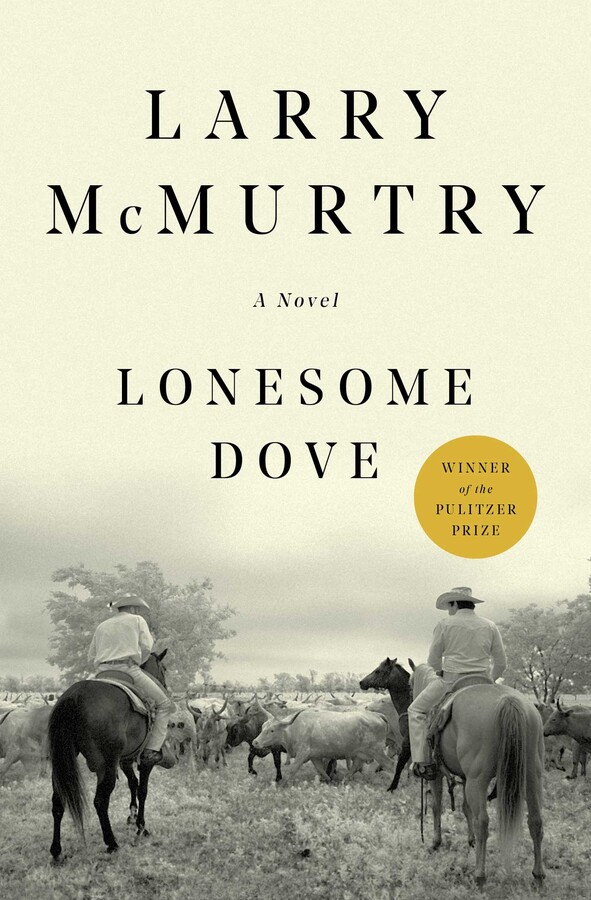
 I tried for quite a while to pick a excerpt from Lonesome Dove to serve as the epigraph for this post and also to provide its title – my usual practice for book posts. As you can see, I gave up! The problem is not that there aren’t good options: it’s that I can’t settle on a single angle or excerpt that sums up or represents the multitudes the novel contains, or that points to what I want most to say about it. It’s not a novel about summing up, is perhaps the problem: it’s a novel about adding up, a novel that just keeps giving its reader more and more and more until you can hardly remember a time when you weren’t deep in its world. It is the novelistic equivalent of surround sound! Any small sample is bound to be partial and misrepresentative.
I thoroughly enjoyed all 857 pages of Lonesome Dove. (Well, I didn’t enjoy some of the more horrific parts, especially Lorie’s time in captivity. But I was gripped by the narrative nonetheless, which is a kind of pleasure.) Lonesome Dove really is a masterful feat of storytelling. For one thing, even though the plot was constantly surprising and suspenseful as it unfolded, every incident fell into place with the kind of inevitability that (I can only assume) bespeaks careful planning. So many details in the first few chapters that seemed interesting but incidental turned out to bear fruit later on—often hundreds of pages later on. The elegance with which the many characters’ storylines weave in and out of each other was a constant delight, as was the neatness with which the main characters’ journey (literal but also figurative) came full circle at the novel’s conclusion. And the characters themselves are also delightful – not, of course, because they are all admirable, but because McMurtry has the gift of making them live on the page. From wide-eyed Newt to evil Dan Suggs, they are all distinct and memorable, Gus and Call and Lorena most of all.
 There’s a lot of Lonesome Dove: I’m not going to try to recapitulate it. I used to do more plot summary in my posts, but especially with a really “plotty” novel like this one, these days it seems a bit beside the point. If I were going to try to describe it more fully, I’d try instead to give some sense of the writing, especially the descriptions of the landscapes, or maybe the weather. There’s a lot of weather in Lonesome Dove! Or the river crossings: there are a lot of those too, many of them memorable (snakes!!).
Beyond that, I feel overwhelmed by the possibilities, so I’m just going to do a kind of speed round of topics. First of all, I think there’s a lot of interesting stuff going on in the novel about masculinity: Gus and Call are foil characters in ways that seem relevant to this theme, as is July, who keeps crying, and Newt, who needs not just a father but a father figure. Then, one way we can tell Lonesome Dove is a relatively modern example of the Western is not so much Lorena (though she is a reasonably three-dimensional version of the role she plays) as Clara, who startled me by introducing metafictional commentary into a novel that otherwise seemed strikingly unselfconscious (“the ladies’ magazines had stories and parts of novels in them, in many of which were ladies who led lives so different from hers that she felt she might as well be on another planet”). Clara’s reflection that “the menfolk that came by weren’t interesting enough to put in books” surely says something about the kind of book McMurtry is writing—just as Clara’s presence in Lonesome Dove to some extent answers her longing to find her own life represented.
 Then, what about Lonesome Dove as a Western – what story is it telling about the settlement of the American West? Again, it shows its (relative) modernity by being something of an anti-Western (like Elmore Leonard’s Valdez Is Coming). It does not romanticize its cowboys’ journey, idealize their motives, or (I don’t think) turn their individual quest into a metaphor for any broader narrative of “civilization” or nation-building. Gus and Call themselves hardly know why they are going to Montana, and by the time he gets there Call, whose decision it largely was, has lost interest in the undertaking and is just going through the motions. There’s plenty of racism in the novel, and a lot of violence between the cowboys and the “Indians”—but (anachronistically?) Gus in particular is wryly and explicitly aware that they are vulnerable to attack because they are moving into someone else’s land; towards the end he goes so far as to suggest they really should have left it all alone. The “Indians” may be antagonists, but the folks who evoke moral disgust, whose violent ends seem eminently justified, are horse thieves like the Suggs brothers. That said, Blue Duck is a cartoon villain, by far the most reductively two-dimensional character in the novel.
 Even with the nuances McMurtry introduces, too, I wonder if it is possible for a Western not to be compromised by the very story it tells. Our “heroes” in this case are complex characters, including in their relationship to the project of American expansion and settlement, but we are still on their side throughout and overall they are admirable: not perfectly virtuous, but embodying values familiar from both classic Westerns and related genres like hard-boiled detective fiction: the rugged individualist, the loner, the vigilante whose stature and moral freedom comes from his detachment from conventional or community ties. If we admire Gus and Call (and grow fond of Newt and the others) we are going along, to some extent at least, with their morally problematic roles in history.
But maybe that isn’t the right way to see it. Lonesome Dove seemed more descriptive than prescriptive, not “these are the men we should admire” but “here’s a version of what men like this could have been like.” I’m not sure about this, though, even as I’m also not sure that examples of a genre can be judged solely on their participation in its tropes. Crime fiction is always about “solving” crimes but that doesn’t mean every instance of crime fiction is complicit in the kinds of systemic injustices law enforcement can be rightly accused of propagating. Valdez Is Coming is a vigilante narrative but one in which the demands of both justice and morality can only be met by confronting and destroying evils including racism. Does Lonesome Dove resist or critique the world it is set in, in a similar way? Does it interrogate the claims of its protagonists to heroism?
 I’ve only read this long novel once so I’m not really in a position to answer. Most of the time, reading it, it seemed (as I said before) unselfconscious: it was “just” telling us this great story and not challenging us (or itself) to question its terms. I was surprised, then, when Clara (again Clara!) introduced a powerful note of skepticism, one that came so close to the end that it felt like a commentary on what we had all (author, readers, characters) been doing to that point. “And I’ll tell you another thing,” she says to Call during his stopover on his mournful way back to Lonesome Dove:
I’m sorry you and Gus McCrae ever met. All you two done was ruin one another, not to mention those close to you . . . You men and your promises: they’re just excuses to do what you plan to do anyway, which is leave. You think you’ve always done right—that’s your ugly pride, Mr. Call. But you never did right and it would be a sad woman that needed anything from you. You’re a vain coward, for all your fighting. I despised you then, for what you were, and I despise you now, for what you’re doing.
She’s angry and she’s grieving: maybe this is not meant to be a reliable judgment. Certainly it doesn’t sound like a fair description of the men I’d been reading about for 850 pages. Maybe McMurtry’s storytelling seduced me, though: maybe I was enjoying the novel too much on one level to keep my critical guard up on another. If so, there’s another Lonesome Dove I haven’t exactly read yet, right here on the same pages I already turned. Would I—could I? should I?—read it again to find out? Not in the near future, anyway, so I’d love to hear what other readers think about these questions.
 “Something will break the blogjam!” said an encouraging friend on Twitter when I remarked on how long it has been since I wrote anything here. The problem is, that “something” has to be me actually writing something here, and it turns out that doesn’t just happen by itself! So I figure I have to just write something here, and maybe that will help me get back in the habit. Because for all the talk these days about blogging being over, it remains, for me, the best form the internet has come up with for the kinds of things that I value about the internet. I love Twitter but its conversations (while, at their best, informed, convivial, and supportive) are dispersed and fleeting. I’m not a fan of newsletters: as far as I can tell, they are just emailed blogs, which means if you want discussion to flow from them you have to go on Twitter (see previous comment!) or click over to the newsletter’s site … which is a blog, right? But because most people are getting the material delivered to them privately, there’s much less chance of conversation breaking out over there. I’m for blogs! Which means I’d better get back to writing my own and do my small part to keep them going. (I am so grateful to the book bloggers I follow who have been steadfastly keeping up regular posts lately: reading them is always a tonic, a reminder of the community and meaning created by books and the people who care about them.)
 The thing is, I haven’t actually finished many books lately: that’s one reason I haven’t felt as if I had anything to post about. I don’t blame the books. They were just the wrong ones for me right now. (These include Kate Atkinson’s Big Sky, Olga Tokarczuk’s Flights, Simone St. James’s The Sun Down Motel, and Elif Shafak’s 10 Minutes 38 Seconds in this Strange World.) I may well return to a couple of them at another time, as I picked them up in the first place because they looked worth reading! I did finish a couple of others that I felt too inert to write up in detail: Becky Cooper’s We Keep the Dead Close (that’s a wrap on my experiment with “true crime”) and Mary Lawson’s Road Ends (I liked it! I have nothing else to say about it.) The one book I’ve read through recently with anything like eagerness is Miriam Toews’s Fight Night, and I’m going to be reviewing it so I can’t write it up here!
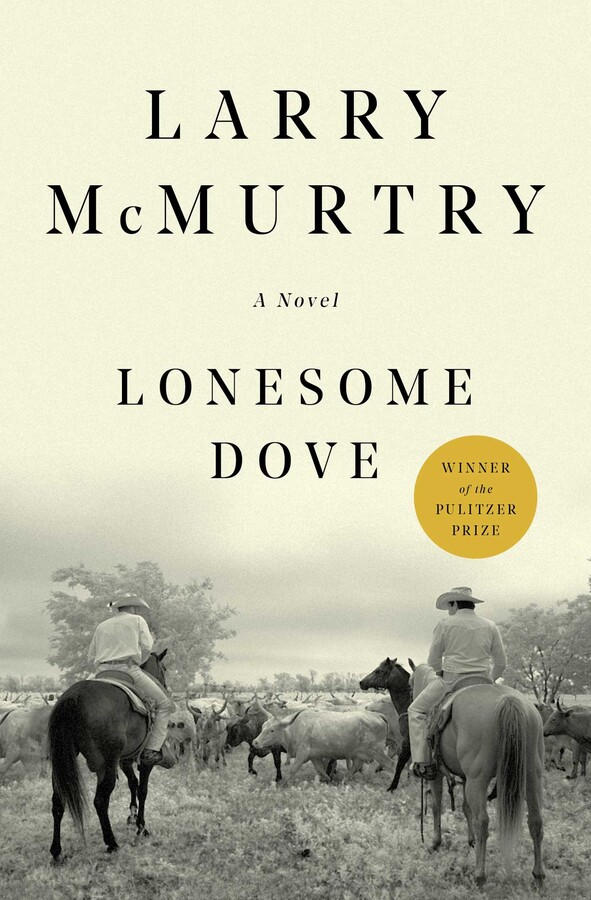 As I struggled through this slump, I picked up and put back a number of books from the array of unread ones I have on my shelves. I have much fewer of these than a lot of you do, I know from your Twitter posts and pictures! At times like these I wish I did have stacks and stacks of them, to increase the odds of finding something that looked really tempting. It turns out you don’t have to have thousands of them, though: you just have to have the right one, and happily I think maybe I do. Some months ago (maybe longer, who can keep track of time anymore) I bought Lonesome Dove, thinking it would be a perfect book for long lazy afternoons on the deck. This summer has been so humid and/or so rainy that sadly there haven’t been very many of those, and it’s just such a big book that I kept putting it aside. A couple of days ago, though, determined to throw myself into reading at least something, I picked it up and just started reading; I’m nearly 200 pages in now and I am loving it. Hooray for old-fashioned storytelling!
 Other than that, my main preoccupation for the next little while is going to be gearing up for the fall term. I was always going to be offering my big first-year class online again, and after waiting as long as I could stand it for more information about Dal’s “return to campus” plans, I took my Faculty up on their promise that we could switch any other courses from in-person to online and decided to do the 19th-century novel class online too. I have many regrets about this, but they are mostly about being sad that we aren’t more clearly out of the pandemic yet, so that returning to the classroom would not be a simple or self-evidently safe experience. It’s not so much that I anticipated being anxious for my own health (though as we know, risks remain for the fully vaccinated) but that there just seem to be too many disruptive scenarios well within the range of probability, and I am much happier being able to plan out an online term than having to cope with a lot of complications and accommodations on the fly, or (heaven help us) another ‘pivot’ to online if things go south.
 So I’ll be here working away at Owen’s old desk for another term, spending hours every day on Brightspace instead of on campus. This means I can re-use some of the materials that took so much work to prepare from scratch last year, which frankly was a significant incentive for keeping the intro class online again! I have been doing a lot of revision and reorganizing for that class (including of my
 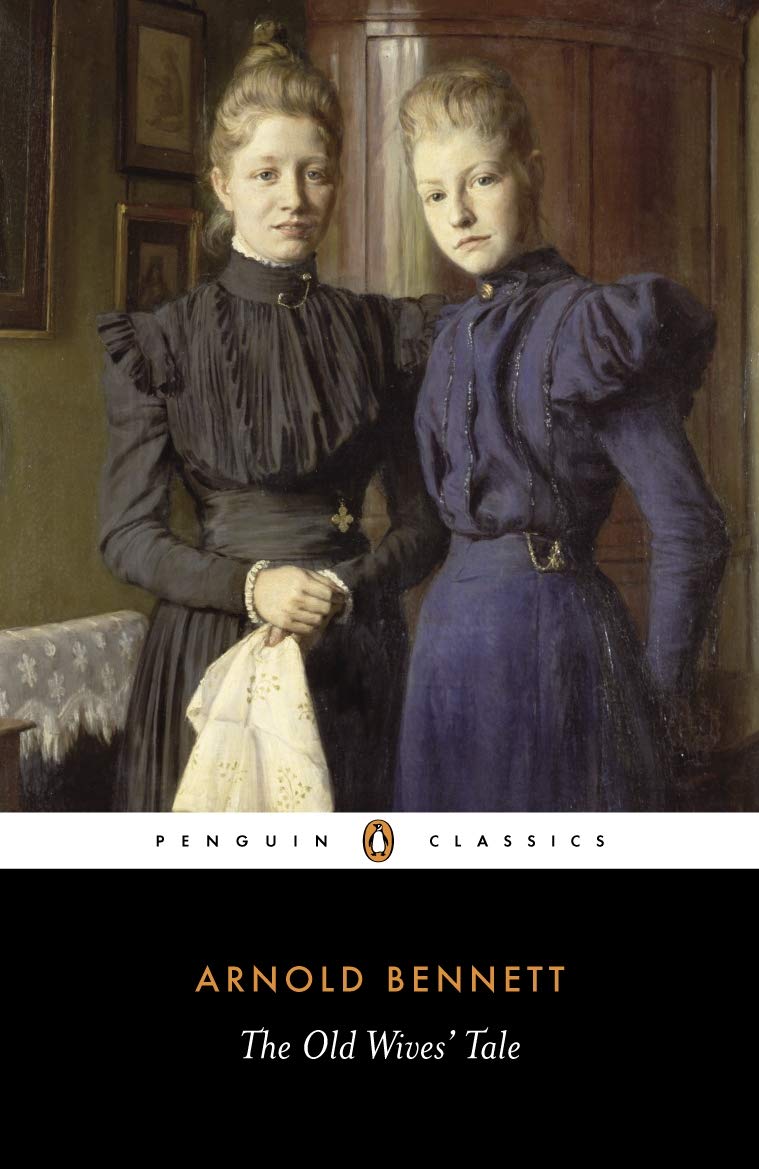 What affected her was that he had once been young, and that he had grown old, and was now dead. That was all. Youth and vigour had come to that. Youth and vigour always came to that. Everything came to that.
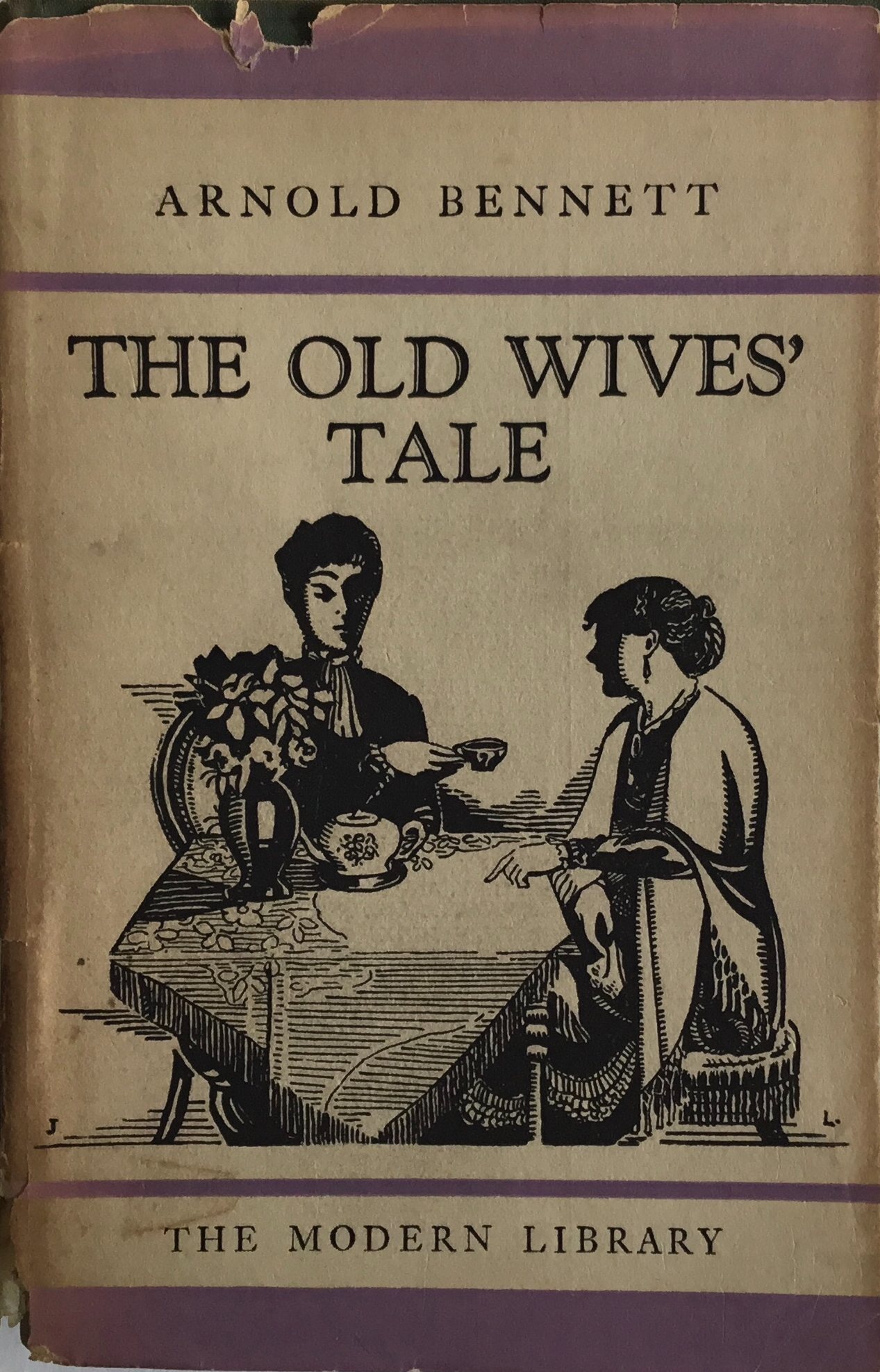 This is not a condemnation of The Old Wives’ Tale, though. One of the challenges for me all along has been figuring out what kind of book it is, so that I could figure out what I was reading it for, or, how to read it well. There are lots of specific aspects of it that I think would reward sustained analysis – especially the relationship between the sisters’ “tale” and the story the novel tells of the Five Towns. But for me anyway, what the final chapters really did was complete the pattern I hadn’t quite been able to make out. It is just the pattern of life, with its beginning, middle, and end. That’s at once not much (for a novel) and everything (for all of us). The result is at once weirdly dull and dissatisfying (is that really all?!) and immeasurably poignant (yes – yes, it is all).
 And then it’s Constance’s turn. There’s an extra level of pathos in her being left alone to play out her last act. Like all the death scenes in the novel, hers is blunt, unsentimental, clinical (“It was not rheumatism but a supervening pericarditis that in a few days killed her”). Again, there are lots of specifics we could discuss: of course Cyril wasn’t there, and his career as a “dilettante” is its own form of stasis – but he did do a good job on Sophia’s funeral! and those of you
 They are worth more to us than the empty human shells we have taken them for; they were children who cried for their mothers, they were young women who fell in love; they endured childbirth, the death of parents; they laughed, and they celebrated Christmas. They argued with their siblings, they wept, they dreamed, they hurt, they enjoyed small triumphs.
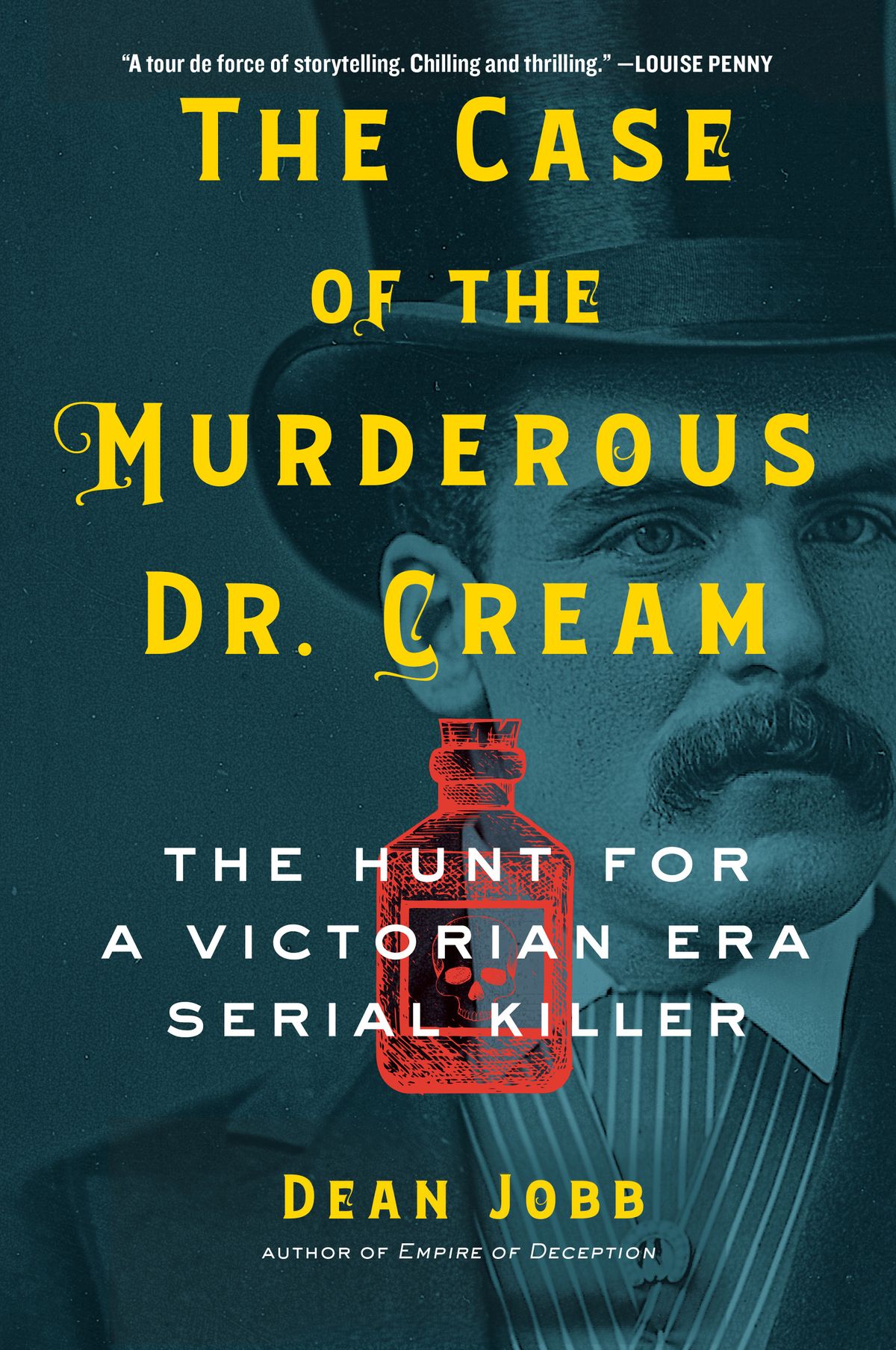 She is also committed to undoing the sensationalism around her subjects’ lives and deaths: I think that’s another explanation for the way she writes the book. She avoids all the obvious kinds of narrative manipulation: she creates no suspense, she does not set a foreboding tone, use foreshadowing, or create melodramatic scenarios or dramatic climaxes. This is one way The Five differs from Dean Jobb’s The Case of the Murderous Dr. Cream: although I did not find his treatment of this murderer’s victims exploitive, Jobb does enjoy dramatic irony and foreshadowing, and overall he tells a more melodramatic and grisly tale. He also, obviously, focuses on the killer, whereas Rubenhold refuses to give Jack the Ripper any more attention than is absolutely necessary. (For instance, there is no speculation at all in The Five about who he was.)
 And no matter how they came to be “sleeping rough,” they didn’t invite or deserve their horrendous deaths. The idea that any version of their life stories should mitigate our distress at the violence done to them—that in any way their murders open them up to that kind of judgment of their characters—is precisely what Rubenhold is crusading against. The epigraph for her conclusion comes from the judge at the trial of the so-called “Suffolk Strangler” in 2008: “You may view with some distaste the lifestyles of those involved,” he says, but “no-one is entitled to do these women any harm, let alone kill them.” Since the first inquests into their deaths, Rubenhold shows, her five have been dismissed as “only prostitutes,” perpetuating the familiar Madonna / whore dichotomy that “suggests there is an acceptable standard of female behavior, and those who deviate from it are fit to be punished.” She rightly points out how persistent this view is, to this day: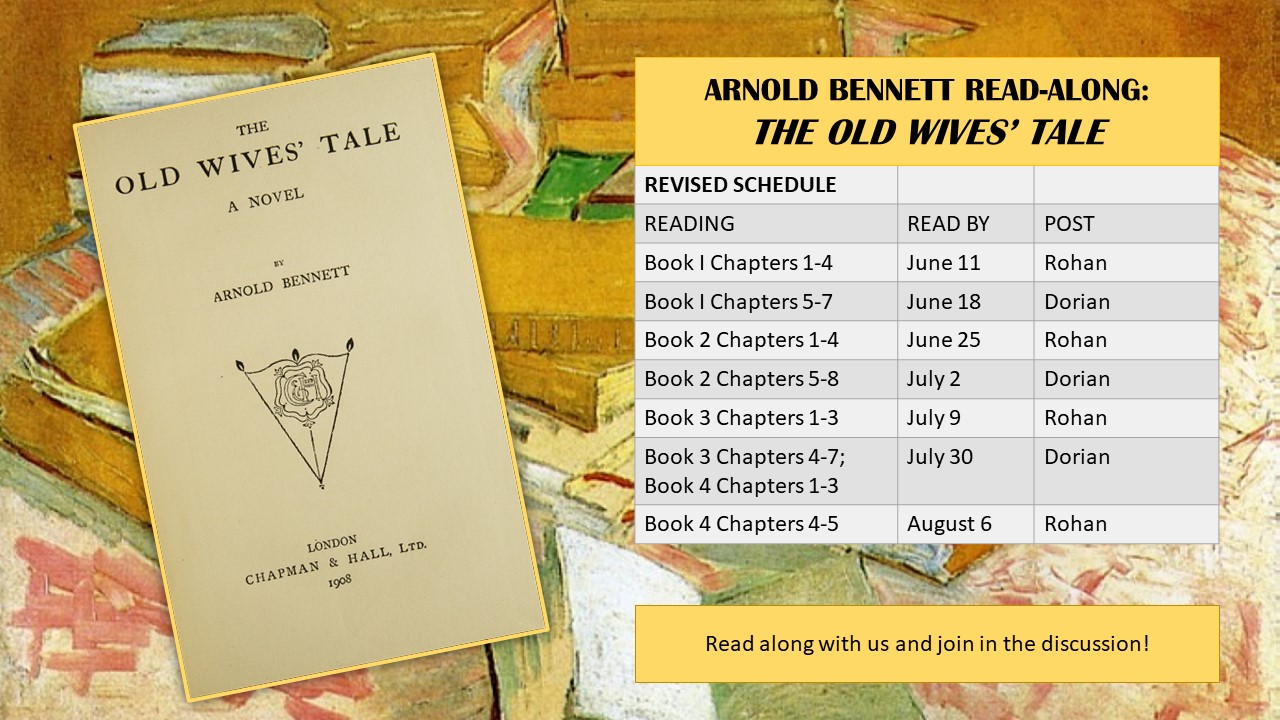
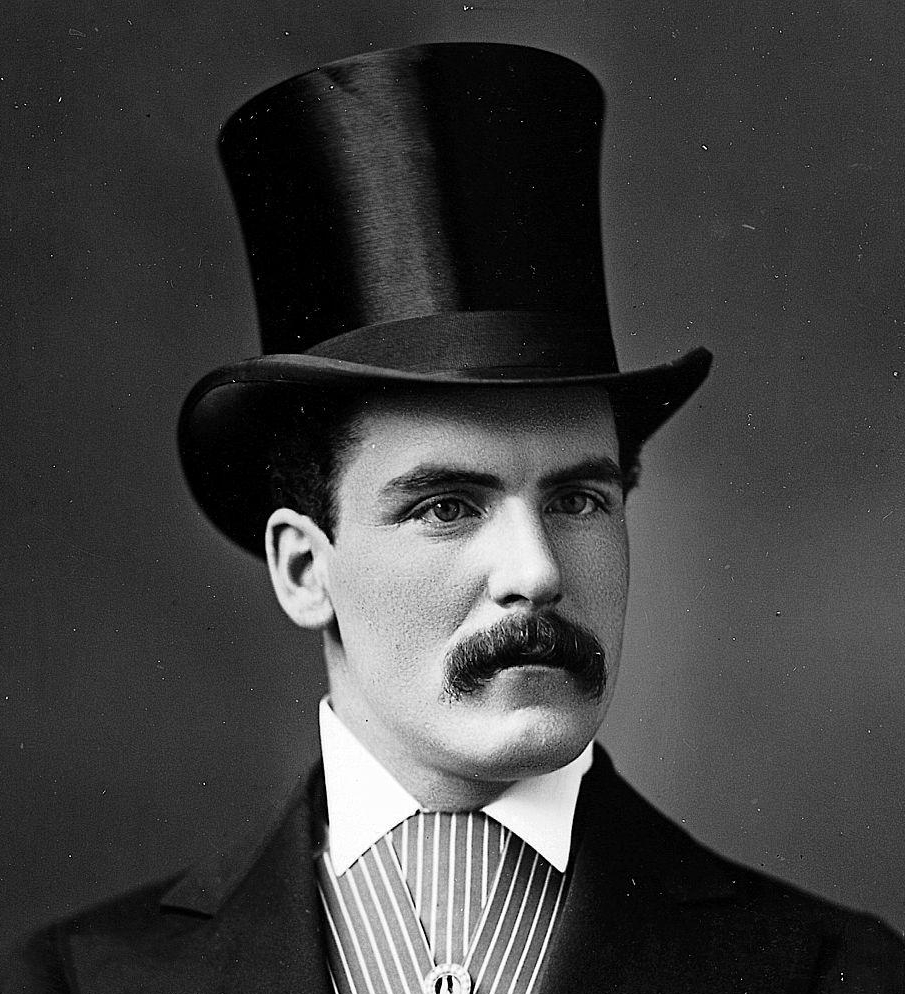 And Cream really was evil. For all Cream’s notoriety, both in the 1890s and among aficionados of serial killers in general and Jack the Ripper in particular, I knew nothing about him before reading this book. A lot of the fun (if that’s the right word!) of The Case of the Murderous Dr. Cream is following the trail of his known and suspected killings, as well as the twists and turns of various efforts over decades to prove his guilt definitively—so I won’t go into detail about all that here. Jobb’s research is extensive and meticulous: he explains in a note on his sources that “every scene is based on a contemporary description of what occurred and where events unfolded; all quotations and dialogue are presented as they were recorded in newspaper reports, memoirs, police reports, and transcripts of court proceedings.” The result is a remarkably specific and vivid account that gives a really complete picture of everything except what is perhaps the most baffling and disturbing aspect of the case: why Cream did what he did. Jobb notes that the concept of “serial killer” was not around at the time of Cream’s murders, and neither was “psychopath.” An attempt was made after his (last) trial to argue that he was legally insane, but it did not prevail. All that could really be said about him was that he was a monster.
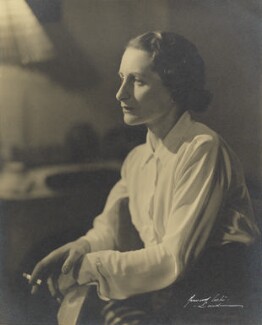 As part of my current research on issues related to gender, genre, and the ‘novel of purpose’ (about which more eventually, when it takes on a clearer shape!) I asked our indefatigable Document Delivery staff to bring in a copy of Vera Brittain’s On Becoming a Writer (1947). It turns out to be in large part advice for aspiring authors, and I’ve been amused, reading it, by how familiar a lot of it sounds as well as how practical and discouraging Brittain is. I thought you might be amused as well, so here’s her list of “nine widely-held illusions regarding the literary life,” in her own words, along with some of her blunt recommendations for overcoming these “phantasies.”
 Having cleared away these sad illusions, Brittain moves on in the next chapter (“First Essentials”) to offer some positive suggestions, though not without one more chastening reminder that your “desire for fame, wealth, and distinguished acquaintances does not in itself constitute a claim to literary success.” There really is something bracing about her Eeyore-like insistence that, while writing may well be worth the effort, it almost certainly won’t be fun, that it’s more likely than not that you aren’t very special or talented, and that the way forward is mostly drudgery. Would a book, not of this type (there are many such) but with this tone get published today? So far—I haven’t read to the end yet—it is certainly the antithesis of Elizabeth Gilbert’s irritating paean to half-assed creativity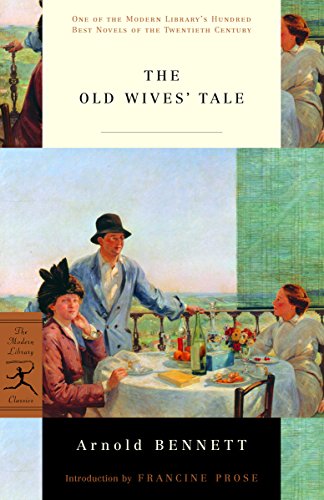
 Solitude: it’s become my trade. As it requires a certain discipline, it’s a condition I try to perfect. And yet it plagues me, it weighs on me, in spite of my knowing it so well. It’s probably my mother’s influence. She’s always been afraid of being alone and now her life as an old woman torments her, so much that when I call to ask how she’s doing, she just says, I’m very alone.
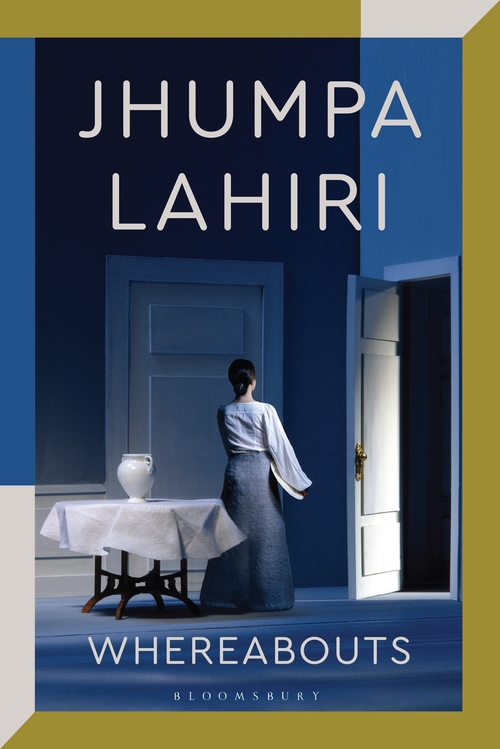 I thought Whereabouts really beautifully captured the paradox that isolation is not, or at least not only, about being alone. “If I tell my mother that I’m grateful to be on my own,” says the narrator,
 A lot of emotion is submerged in Whereabouts. I didn’t love
 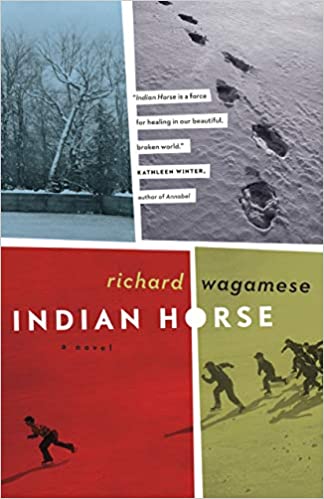 Like many Canadians, I decided that the best way to mark Canada Day this year was to reflect rather than celebrate. I have remarked here
 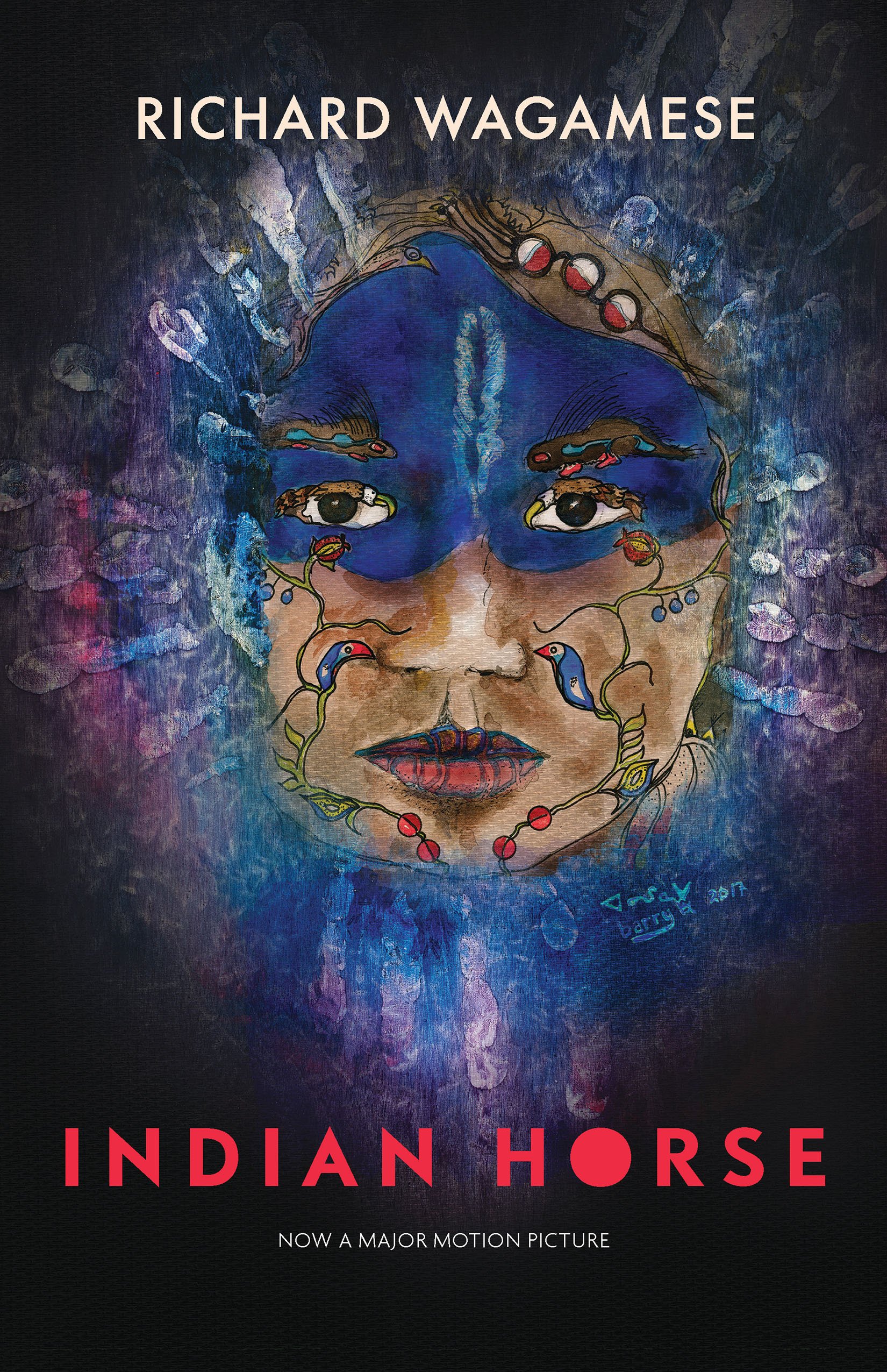 Wagamese writes vividly about the landscape and the Ojibway traditions that shape Saul’s identity and the pain of being forced away from them and from his family. He also writes really well about hockey: as someone who has never been at all interested in hockey (or any sport), I was surprised how beautiful and exciting some of these sequences were to read. Hockey’s centrality to (many people’s idea of) Canadian identity makes Saul’s story of finding freedom on the ice and then having that joy and his spirit broken by racism an effective way of saying something broader about Canada’s rifts and failures as a nation. The road Saul takes from that breaking point back to some kind of peace, with himself and with hockey, is a hopeful version of a story that both the novel and the news tell us doesn’t always end that way.
 Memorable, readable, topical – and yet I also found Indian Horse a bit dissatisfying, a reaction I might have avoided if I had approached it as a young adult novel, which it turns out to be … maybe? I didn’t think it was when I ordered it, but as I was reading it and thinking that, for all its difficult subject matter, it seemed stylistically unsophisticated and often quite heavy-handed, it occurred to me that it felt like YA fiction and I looked it up and found that it won an award for YA fiction. Aha! That explained it! Or does it? Because I looked around some more and could not confirm that Indian Horse was written or marketed as YA fiction. That left me wondering if or how that question should matter to my judgment of how good a novel Indian Horse is. I don’t look down on fiction written for young(er) readers. I cherish and
  Novel Readings