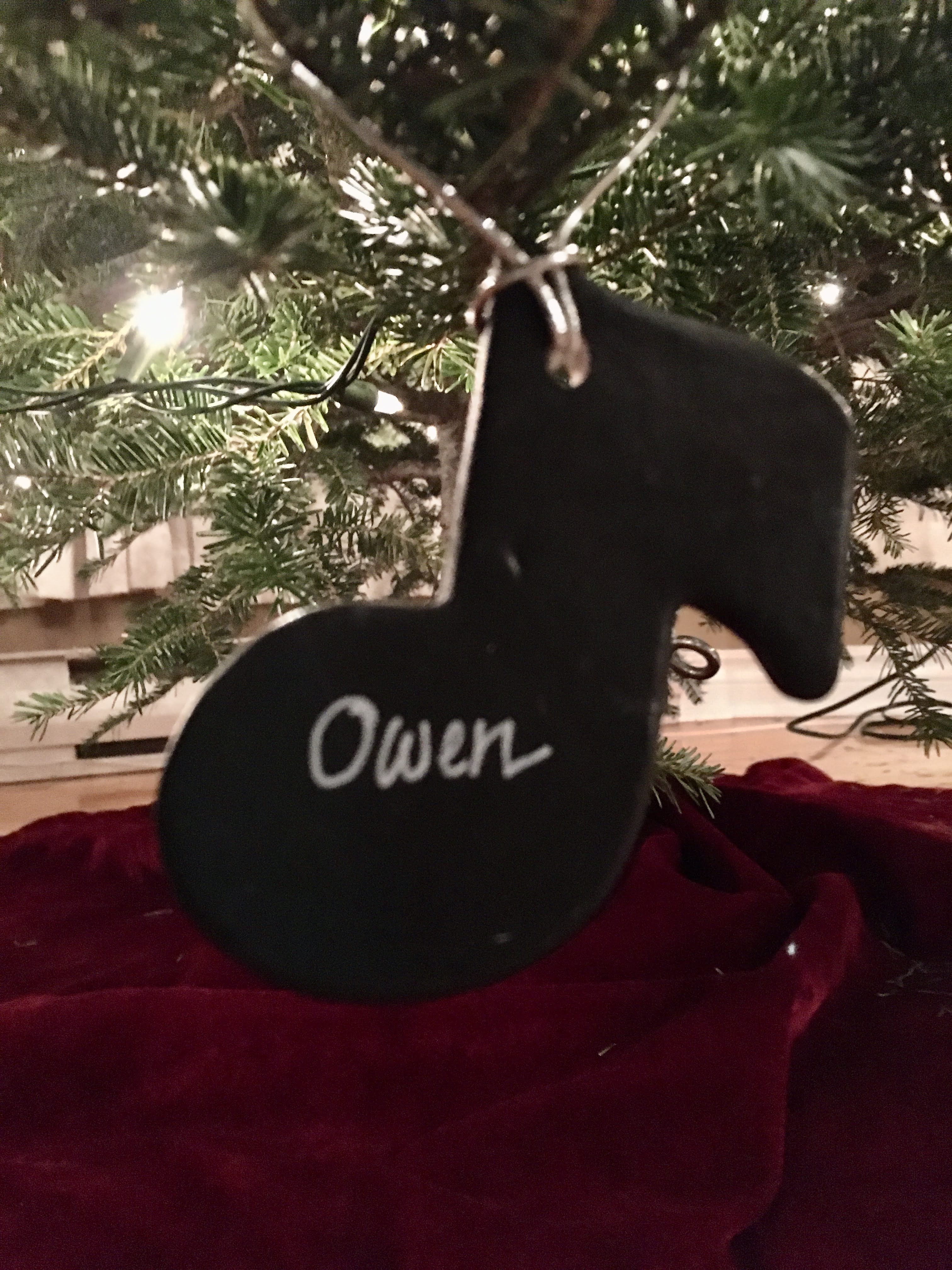
 Owen died three months ago today. I’ve been remembering how, with babies, you begin by measuring their new life in days, then you slip into counting by weeks, then months, then years. I suppose it makes sense that something similar happens with deaths, except that it’s no longer about growth, about a presence expanding further into the world. Instead it feels like he is receding, which might be why it’s true (as people warned) that the loss actually feels worse now in some ways. At first, the overwhelming grief was because he had left us so deliberately and irrevocably. That sorrow remains, with all of its complications, but as time passes for us but not for him, it’s hard not to feel that now we are the ones leaving him, which we did not choose to do—which we desperately do not want to do, but can’t help or stop.
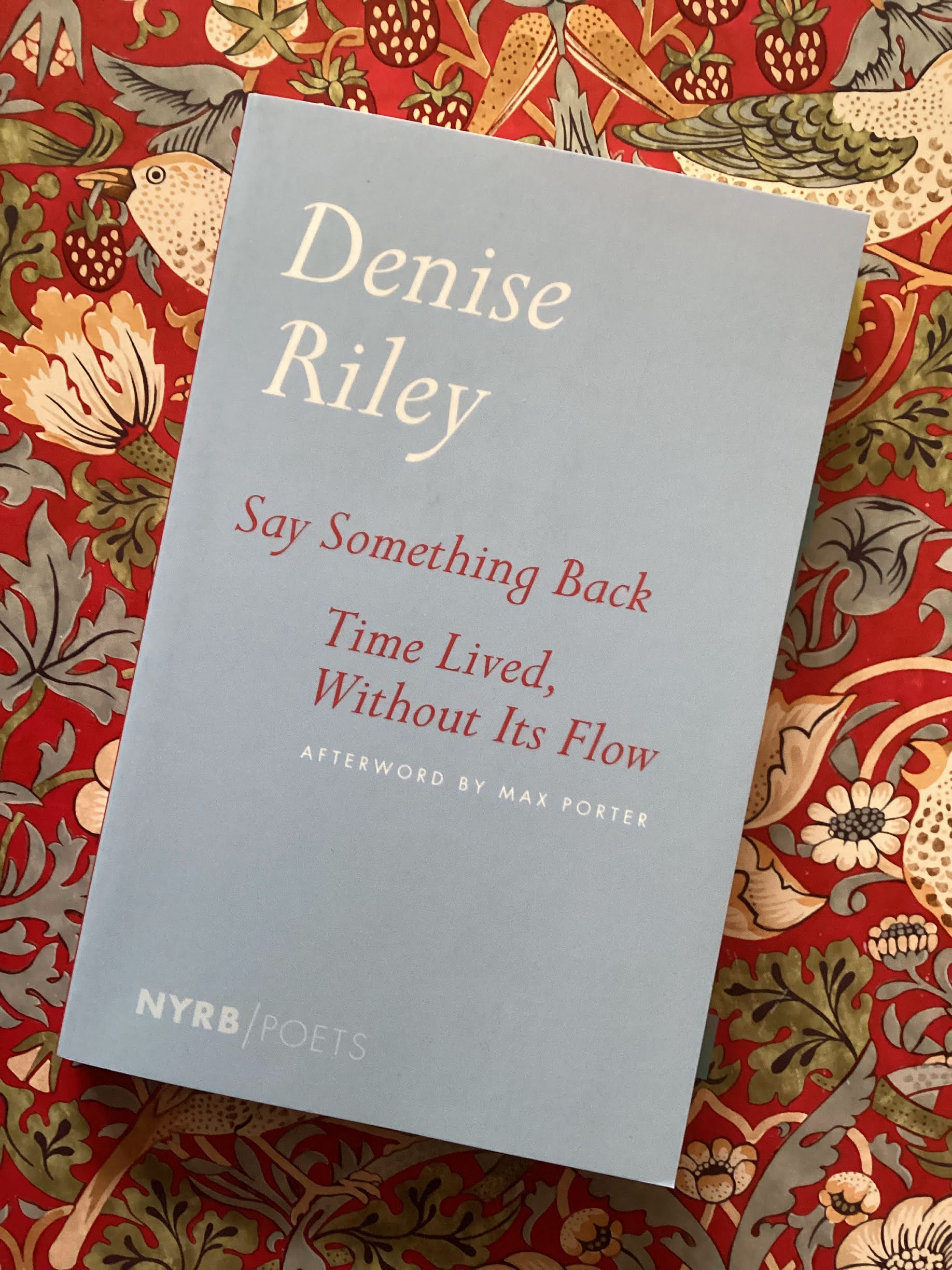 “The dead slip away,” Riley says, “as we realize that we have unwillingly left them behind in their timelessness.” I’ve been thinking about other times I left Owen, more or less willingly—the first time I dropped him at daycare, for example, and then I sat and cried in the car, because even though everyone told me (and everyone was right) that he would adapt and come to love it there, it felt unnatural to walk away while he cried and reached for me. I watched him head into school so many times, knowing things weren’t always easy for him there but that I couldn’t go in with him and try to make it better, as much as I wanted to. I also remember, more happily, leaving him in residence when he started his degree at Dalhousie—that was such an optimistic time for us all. Separation is part of growing up, of course, part of parenting, part of life: as wise Joe Gargery says, “life is made of ever so many partings welded together.” But this parting is different, because instead of holding our lives together it has broken them apart.
 “Unwillingly”: yes. I think that’s why it still feels impossible, unbearable, to sort out his room, his clothes, his few other possessions. There were things we had to do after he died—practical things, from arranging his cremation and writing the obituary to sorting out his bank accounts and cancelling his phone plan. These steps weren’t voluntary, though: they were hard necessities, responsibilities his choice had pressed onto us. The rest of it, whatever else we do, is up to us. We will be doing things on purpose: we will be making deliberate choices (willing choices) that put him, that keep him, in the past, separate from our present, which—no matter how much we wish otherwise—will keep getting further and further away from his last day.
That doesn’t mean we are or will be “moving on.” Megan Devine (who rightly notes how unhelpful it is to be “reassured” about the imaginary “better” future in the very early days of grief) offers a hopeful vision of what might happen eventually:
In your own ways, and in your own time, you will find ways to stitch this experience into your life . . . Grief changes you. Who you become remains to be seen. You do not need to leave your grief behind in order to live a newly beautiful life. It’s part of you.
Now, though, I still find that new world hard to imagine, much less look forward to. How can I go there willingly, knowing it would represent (in Riley’s words) “a second, now final, loss”? I still, hopelessly, just want to hold on to him, to keep him from slipping away, not from his life, which he had the right to leave on his own terms, as he did, but from mine.




 It is terrible, the damage grief does to one’s own generosity. I don’t like it, though for now I can’t seem to help it. Anger is often mentioned as one of the ‘stages’ of bereavement; I haven’t seen any discussion of selfishness, but that’s what it feels like, or self-absorption. All these years reading Middlemarch and now I can’t displace myself and my sorrows from the center of my narrative: I’m disappointed in myself. How I have always admired Dorothea’s resolution after her night of mourning her lost love: “She said to her own irremediable grief, that it should make her more helpful, instead of driving her back from effort.” Of course, thinking the man you loved is not the man you thought him to be—even believing that your chance at joyful passion is over—is hardly the same as knowing your child walked away from you into the night and will never come back.
 The other question I’m hearing more and more is some variation on “have you considered talking to someone?”—meaning, of course, someone else, someone professional, someone who knows what to say. (Maybe that’s why the “how are you doing” question feels a bit loaded, as the combined subtext starts to seem like “this has gone on long enough.”) This has made me think again about Ignatieff’s comments in On Consolation about our current reliance on “therapeutic professionals” who “treat our suffering as an illness from which we need to recover.” “When suffering becomes understood as an illness with a cure,” he says, “something is lost.” I don’t think anyone who has suggested this to me means to imply that it is wrong for me to still be grieving; again, I know that they want to help, they want—for my sake—for me to be feeling better, doing better, living better. I don’t know if a therapist would approach my grief as something to be fixed or cured. I hope not: I don’t want to “recover” from it, and I don’t think I could. (“Some part of you may still remain in the underworld,” Riley says, and that seems right, meaning both true and appropriate.) I will find out, though: I have found someone to talk to (it’s not an easy process, as many of you probably know), though they can’t fit me in for a while. It is hard to think even that far ahead, but it seems likely I will still need whatever it is that they have to offer.
 Novel Readings