Victorian Halifax

I complain a lot about living in Halifax, but when spring finally arrives out here, the city has some redeeming features. This bright, beautiful morning, I enjoyed one of my favourite Halifax things: a trip to the city’s Victorian Public Gardens.

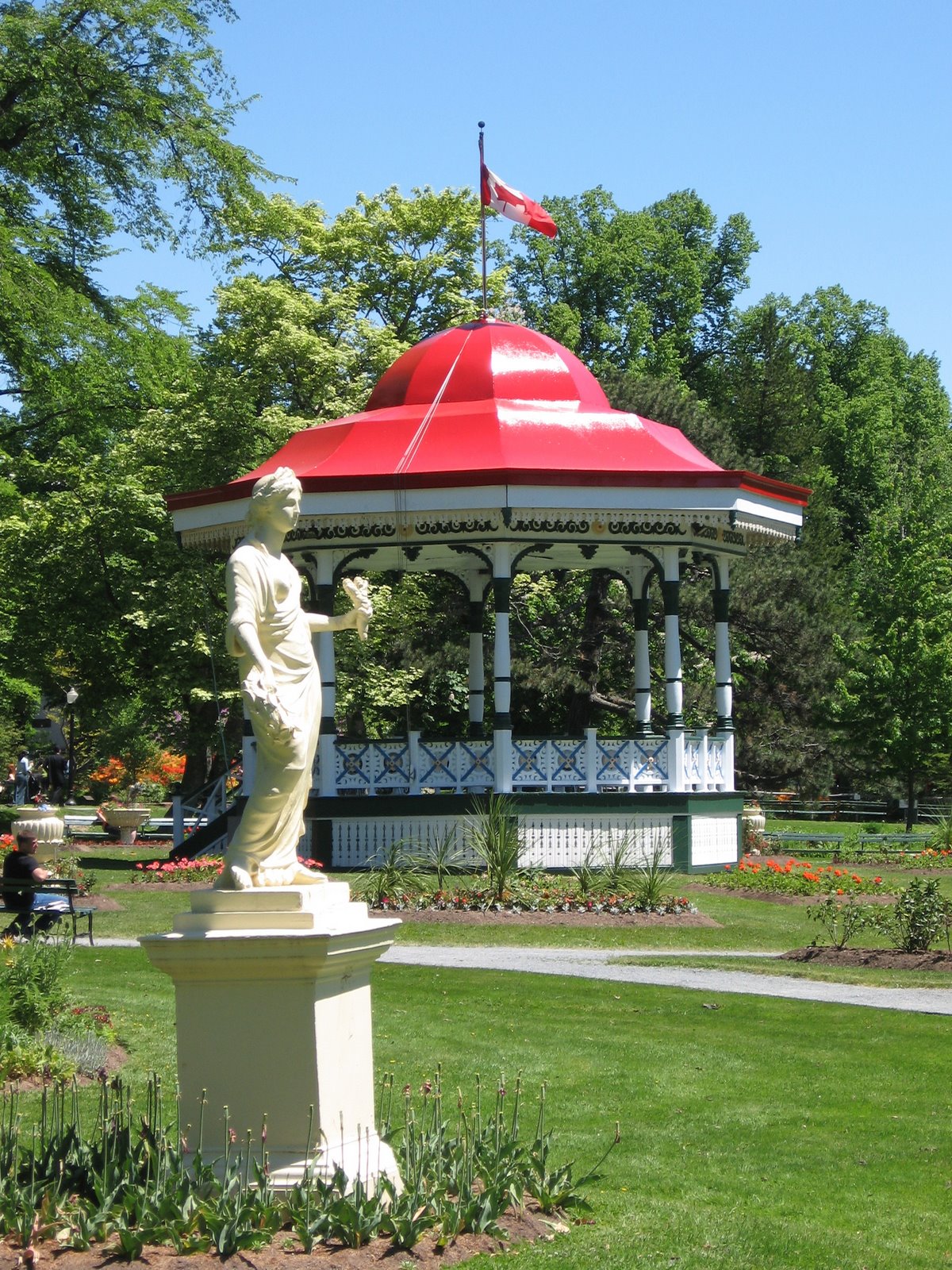
First opened in 1867, the Public Gardens feature the most spectacular rhododendrons I’ve ever seen, as well as formal flowerbeds, a gazebo (with band concerts on Sunday afternoons), a large duck pond (with abundant ducks) and all manner of fountains and statues. It’s a green oasis in the middle of downtown: you can barely hear the hum of traffic, and as you stroll the well-kept walkways (no dogs, no joggers, and no bicycles allowed!), you can easily feel as if you have stepped back into a Victorian fantasyland.

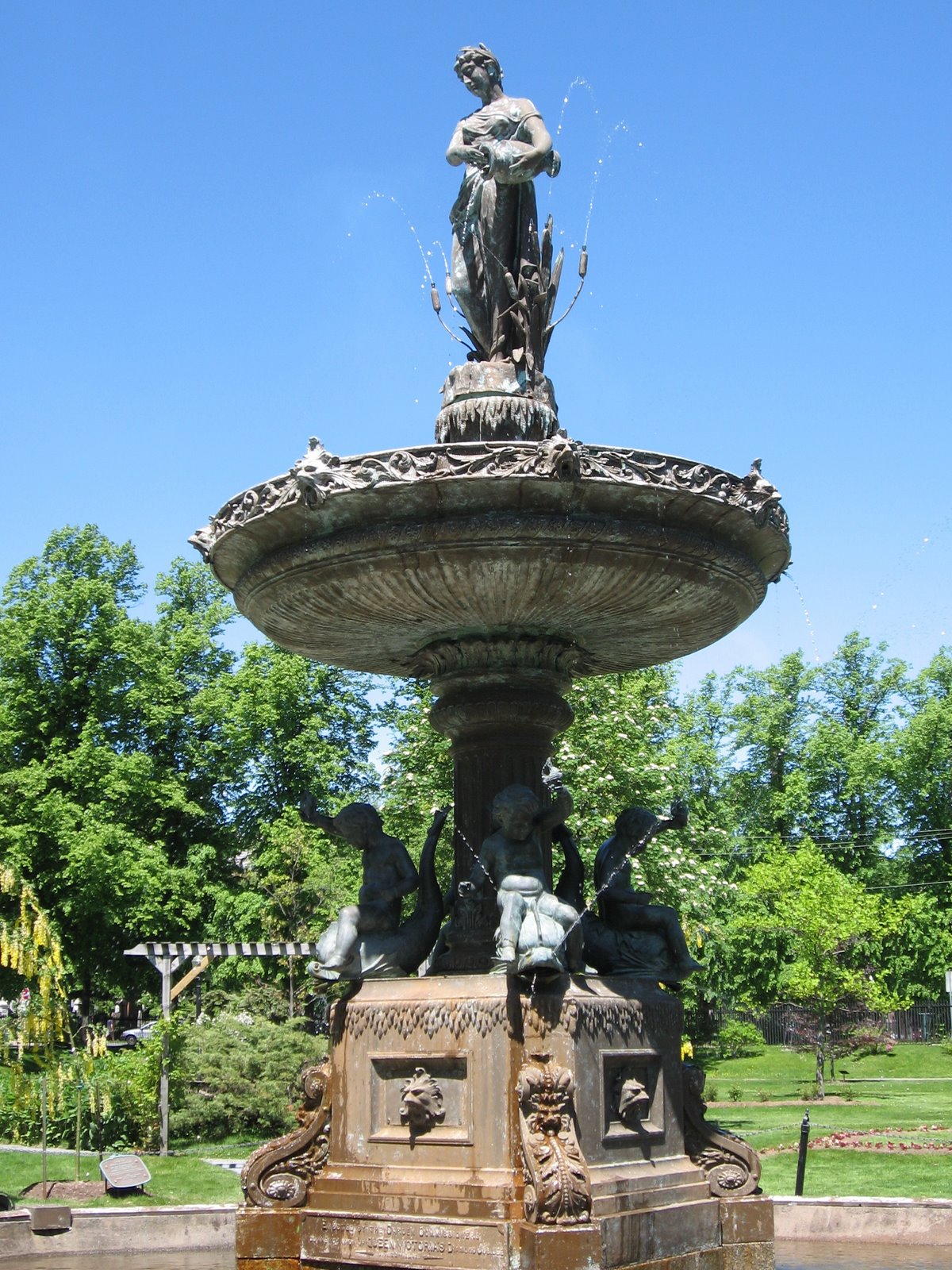
There’s a Boer War memorial fountain, and a fountain commemorating Queen Victoria’s Diamond Jubilee. Even the swans are named ‘Horatio’ and ‘Nelson.’
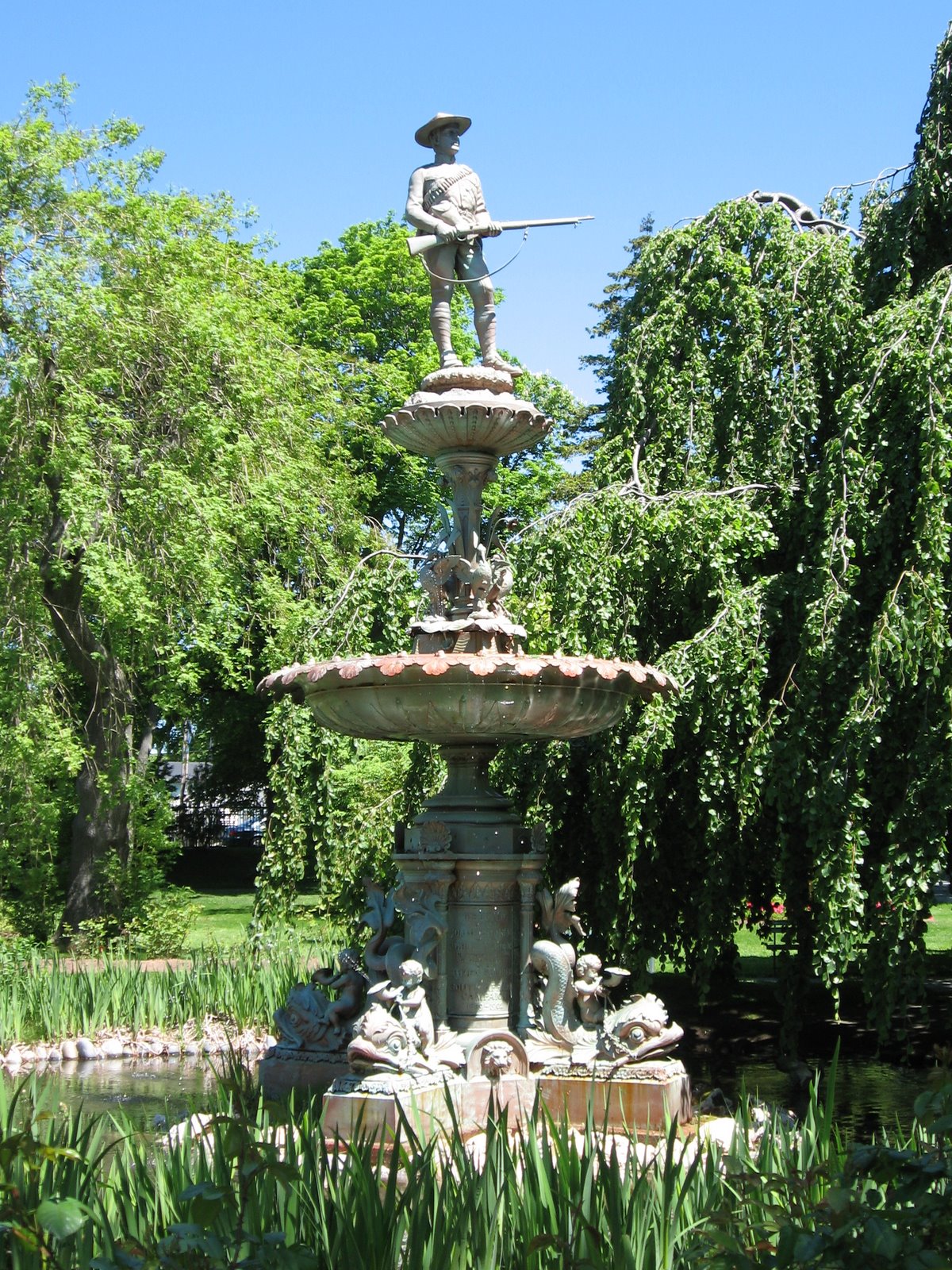
Boer War Memorial
Diamond Jubilee Fountain
Horatio (or Nelson)

When Hurricane Juan struck Halifax in 2003, the Public Gardens were hit hard (though not with quite the devastating results seen at nearby Point Pleasant Park, which lost an estimated 70% of its trees). Since then, the Gardens have been beautifully restored. Here are a couple more pictures from today’s trip, including a shot of the bust of Walter Scott that used to be right outside the front gates (during the restoration, it was relocated to just across the street, near the statue of Robbie Burns–we’re not called New Scotland for nothing).
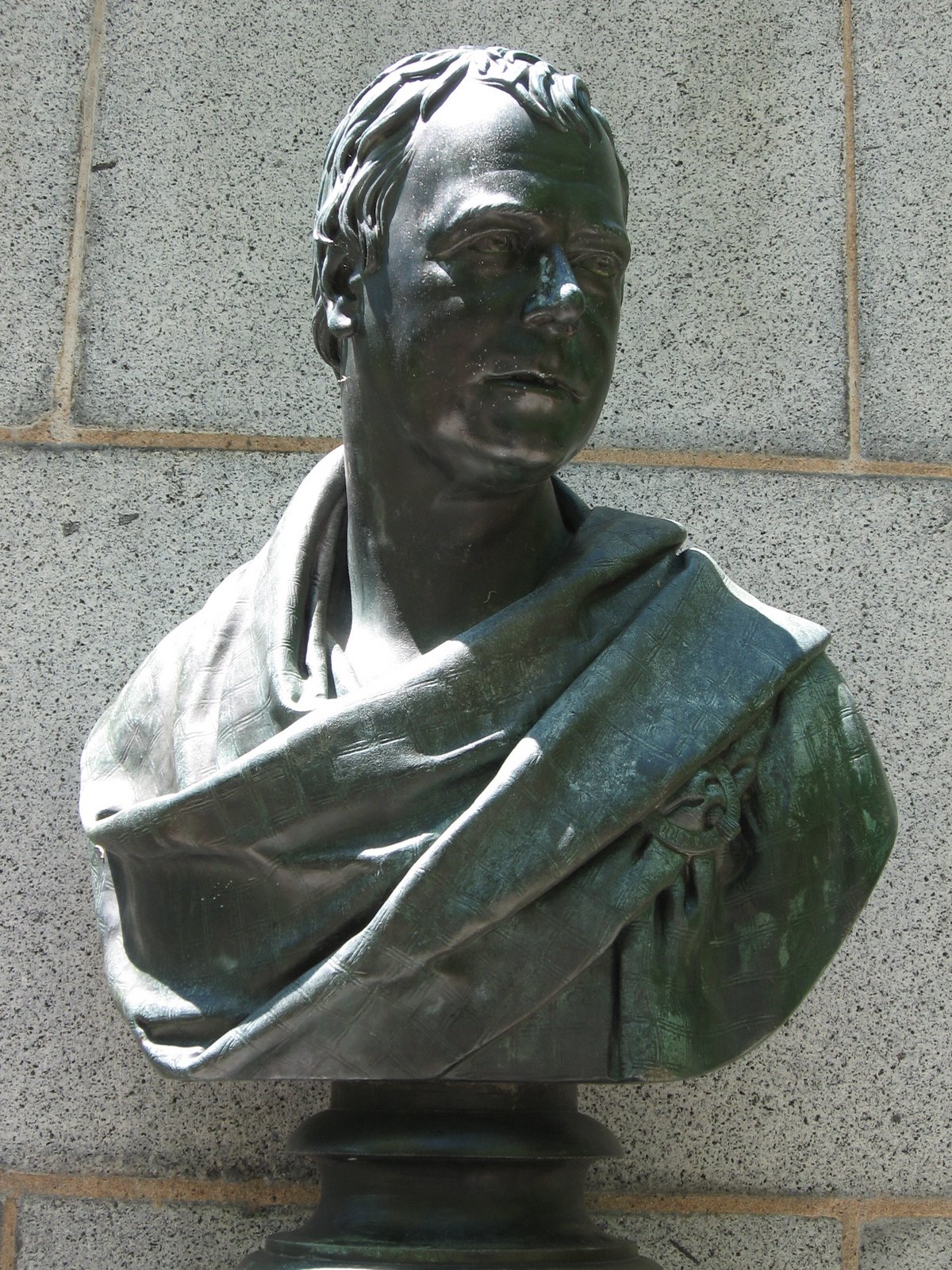
Sir Walter Scott
Robbie Burns

Massive Rhododendrons

Victorian Gazebo

Excellent Companion
with sassy new haircut


Special Poetry Post

My daughter has been studying poetry in her Grade 1 class. I approve! I especially like the careful way she reads poems aloud, as if every word is important and meaningful–just as it should be. Getting in the spirit of Poetry Month, we bought a bunch of the Poetry for Young People books through her school’s Scholastic Book Club: our (somewhat miscellaneous and heavily American) pack includes Whitman, Dickinson, Coleridge, Poe, Frost, and Shakespeare. I’m impressed with these books, not least because the editors have definitely not dumbed down the content or made painfully kid-friendly selections. As a result, she’ll be able to grow into them, rather than rapidly growing out of them. However, the real point of this post is to showcase an early effort of hers. OK, it takes a sort of prosaic turn towards the end…but she’s a practical sort of girl.

CATS

I love cats!
Anything is not better
than cats.
If you have a cat
don’t come near
because
my Dad is allergic to
Cats.

Cruel Indeed!

Growing up in Vancouver, I never understood the whole thing about April being the cruelest month. Now, on the other hand, I get it. You see, in Halifax, where I live, we won’t see tulips and daffodils until May, or leaves on the trees until June. In Vancouver, however, where I would like to live….The constraints on your location and the near-impossibility of ‘lateral movement’ are among the great cruelties of an academic career. After over a decade of resistance, I have faced the fact that in order to move ‘home’ I would need to change professions (or, somehow, belatedly, become a different kind of academic–a more ‘successful’ one, by some measures). It’s frustrating, of course, to be less employable in my chosen field after 12 years of experience than I was when still ABD, but that’s the way this game is played. I’ve gone through most of the stages of grief over this and moved a long way towards acceptance–but spring sure makes me homesick. Is the job worth it? Sometimes. But the likelihood of being separated from your family and your history is one of the aspects of this career that I emphasize most strongly when advising prospective graduate students, not least because I never really thought much about it until, in many ways, it was too late.


(Photo credits: RDS)

Say it isn’t so!

Bad news from the west coast: Murchie’s Tea and Coffee is in receivership:

The company has been importing, blending and selling its specialty teas and coffees for the Victoria and Vancouver markets since John Murchie founded the company in 1894.

The elegant tea rooms and shops remained a family operation under current president Gwen Murchie, but now the company is up for sale. (read the full CBC story here)

What does this have to do with literature or criticism, you ask? For me, lots, as I have been sitting down with a book and a cup of Murchie’s tea for more than three decades! Here’s hoping they find a sympathetic and savvy buyer who can keep the tradition alive–and all my favourite blends available.