 The books I read this week were all balanced on an emotional knife edge, mostly between being funny and being mournful but also, in the case of Nancy Mitford’s Love in a Cold Climate, between being funny and being awful. They all kept me engaged, but in the end it wasn’t a particularly nourishing stretch of reading, by which I mean they all left me feeling a little smaller and sadder than before, a result which is less about content or story (because of course a tragic book can, paradoxically, be very exhilarating to read) but about mood and tone.
 The first of them, Anita Brookner’s Hotel du Lac, was a reread, though after such a long gap (I first read it in 2009) that many of its details felt new to me. When I commented on it here before, I described it as
fundamentally about the relationship a woman has with herself, and how that relationship is compromised and challenged by the sexual politics–the distribution of power, including physical and economic but also social and cultural power–of her world.
That still seems right to me, as does my comment that it is a novel very much rendered in shades of grey. Like all the Brookner I’ve read, Hotel du Lac is a fine, small, meticulous novel. It also lives up to its own metafictional comments about literature being written “for the tortoise market.” “Hares have no time to read,” exclaims its romance novelist heroine Edith Hope (ironically named); “they are too busy winning the game.” But is the game worth playing? That turns out to be the question Hotel du Lac explores, and, for Edith at least, its answer is both honest and melancholy.
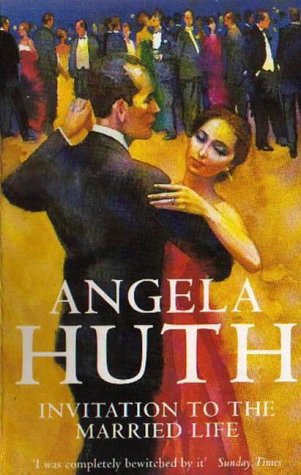 Angela Huth’s Invitation to the Married Life was another reread, though I read it so long ago that I never even blogged about it—so, before 2007. That it—and several of Huth’s other novels—have survived the routine purges I do of my bookshelves is a sign of how much I liked them, especially Easy Silence (which has the distinction of having also delighted my husband, a highly selective novel reader). I enjoyed Invitation to the Married Life just fine this time, though it felt more familiar to me as a type this time, the kind of book I have since read in many iterations by writers such as Joan Silber or Tessa Hadley or Penelope Lively. It’s a particularly insightful novel about the relationship between marriage and privacy: no matter how many hours a day or years of a life two people share, they still have their own individual existences, their own versions of what is happening. Whether the result is affection or alienation, tolerance or friction, depends on the people they are and the choices they make. Does it matter, or help, if they are completely open with each other? Huth suggests not: that sometimes it is better to keep what you think (or what you do when your spouse isn’t looking) to yourself. This doesn’t come across as cynical: in fact, though Huth’s characters behave in ways that range from the comical to the crude, there’s an implicit tenderness in her treatment of them. That said, the novel as a whole felt quirky but narrow, made up of slices of privileged and self-involved lives.
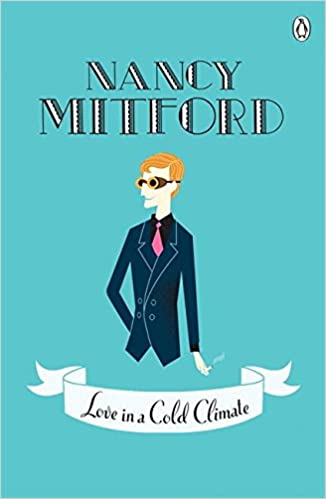 I hadn’t read Love in a Cold Climate before. A few years back I read The Pursuit of Love, which I described as “the saddest comic novel I’ve ever read.” I expected more of the same from the sequel but instead I found it not so much sad as creepy. In his introduction, Alan Cumming compares it to “a delicious cake” which “melts in the mouth, but … can also make one a little queasy.” I agree, but unlike Cumming I was not won over, “left,” as he rather unpleasantly puts it, “gagging for another slice.” In fact by the end of the novel I was sorry that my book club has chosen Mitford’s The Blessing to read next—I hope it is a better experience.
To be fair, I did laugh many times reading Love in a Cold Climate, though the parts I found funniest were the bits about Nova Scotia, source of the replacement heir called in after the shocking marriage of young Polly Hampton with her creepy uncle “Boy” Dougdale causes her father to cut her off. Cedric certainly fits the genealogical bill, “but what of Nova Scotia?”
An atlas, hastily consulted, showed it to be horribly marine. ‘A transatlantic Isle of Wight’ as Linda put it. ‘No thanks.’ Sea breezes, in so far as they are good for the complexion, were regarded by us as a means and not an end, for at that time it was our idea to live in capital cities and go to the Opera alight with diamonds, ‘Who is that lovely woman?’ and Nova Scotia was clearly not a suitable venue for such doings.
No indeed! And then when Cedric’s family turns out to have moved away from Annapolis,
Now fancy moving, in Canada. You’d think one place there would be exactly the same as another, wouldn’t you? Sheer waste of money, you’d think.
Ha ha: how adroitly Mitford shows off and skewers the colonial self-importance of her players, a theme that runs through the novel right from her first account of the return of Polly’s parents from India, where they had gone off “to govern.”
As Cumming notes, our narrator Fanny belongs to the same world the novel satirizes; it can be a bit slippery, then, figuring out how much to criticize Love in a Cold Climate itself, rather than the characters (including Fanny) for the elements of it that I found cringe-inducing. This includes the portrayal of Cedric, described at one point, albeit from the indirect point of view of some crusty conservative neighbors, as an “awful effeminate pansy.” Perhaps it is just the Boreleys who are homophobic—Cedric’s flamboyance is the stuff of stereotypes but he is popular with most of the other characters, provokes the unexpected (to her) word “touching” from Fanny by way of Lady Montdore’s affection for him, and gets a happy ending. I don’t think we’re supposed to laugh at him, or not, at least, any more than we do at the rest of them. Maybe.
 Even if we resolve that question in the novel’s favor, what should we make of the treatment of Boy Dougdale, also known as “the Lecherous Lecturer” because he preys on young girls? I say “preys” but, though most people in the book profess to find his conduct shocking, they also find it hilarious and they certainly don’t find it criminal. In fact, when Polly decides to marry him, everyone blames him, not for having sexually assaulted her when she was just fourteen, but for his having done “all those dreadful things” to her so that “now what she really wants most in the world is to roll and roll and roll about with him in a double bed.” Some of his acquaintances feel sorry for him being drawn into such an odd marriage, though there are some notes of judgment: “Pity him indeed! All he had to do was to leave little girls alone,” says Aunt Sadie, to which Uncle Davey replies “It’s a heavy price to pay for a bit of cuddling.” Later, after visiting Boy and Polly in Sicily, where they live in scandal-driven exile, Davey says
Well, all I can say is I know it is wrong, not right, to arouse the sexual instincts of little girls so that they fall madly in love with you, but the fact is, poor old Boy is taking a fearful punishment.
Notice that he does not say that it is “wrong, not right,” to do anything sexual with “little girls” at all! Again, it’s possible to include this in the catalogue of shocking attitudes the novel itself is making fun of, but Polly was fourteen when Boy “aroused” her and the consensus seems to be that the real victim in all of this is him, now stuck with living up to the sexual expectations he carelessly created.
There are other nasty bits that are easier to attribute to Mitford’s satirical purposes, such as the utterly callous reactions of both Polly and her mother to the death of Polly’s baby: “I expect it was just as well,” says Lady Montdore, “children are such an awful expense, nowadays.” The attending Sister “put her hand to her heart and nearly fainted,” so here at least we get a clear sign that the fault is with the “whole outlook on life” that the novel so wittily exposes. (But still, what a thing to get a laugh about!) I would have liked the novel better if there were more of this sort of moral clarity—but even then I don’t think I would have liked it very much.
 It has been quiet at Novel Readings this week but that’s not because I haven’t been reading! It’s more that there hasn’t seemed to be much to say about the reading I’ve been doing. My recent novel reading has mostly been rereading: Rosy Thornton’s
 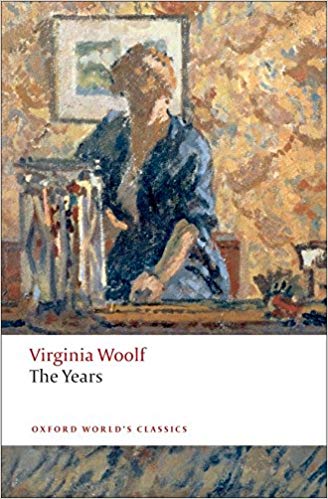 Those are the novels I’ve reread for “fun” (though as I’ve said before, it is never 100% clear to me
 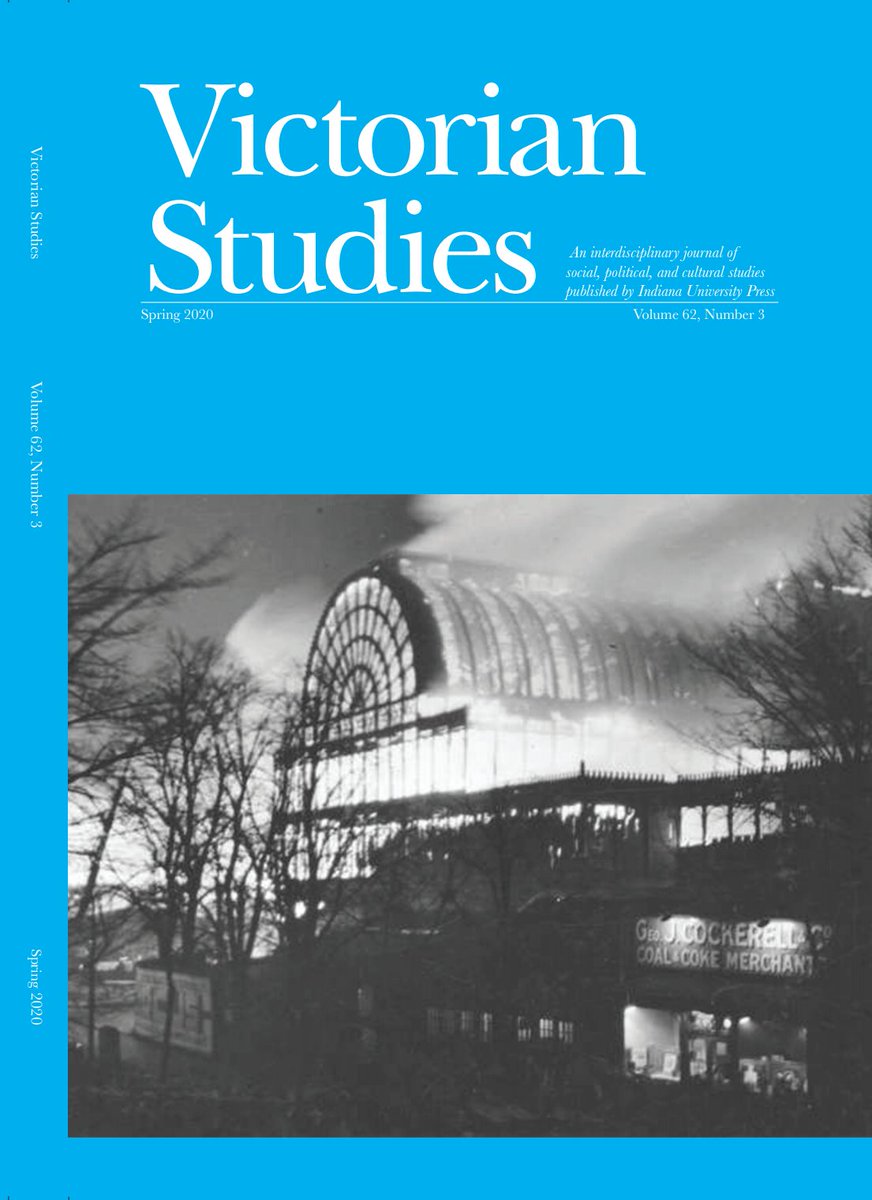 The other reading I’ve been doing pretty steadily is also for research purposes, but with an eye to my teaching rather than my writing: I’m always gathering up references to new or (to me) unfamiliar scholarship in, around, and about “my” field, and at intervals I resolve to dig into it and see what else I could or should be talking about in the classroom, or just thinking about. Since the end of term I’ve been trying to go through 2-3 articles a day from that folder. This exercise tends to be equal parts exhilarating and exhausting: I enjoy feeling as if I’m learning new things or seeing familiar things from fresh angles, but I have long had
 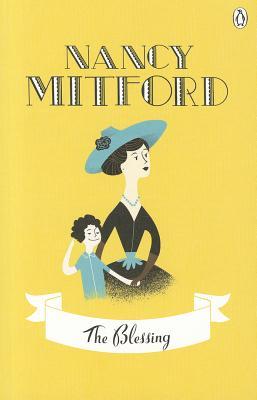 I’m not sure what I’m going to read next “just” for myself. I bought Lonesome Dove as a summer treat, but I’m saving it for real summer weather: it looks perfect for reading on the deck. My book club’s next choice is Nancy Mitford’s The Blessing (we wanted something light for summer, and this was one of hers that none of us had already read)—but I don’t have it in hand yet. Of course, like everyone likely to read this post I have a number of unread books on my shelf (not as many as some of you have, though, I’m pretty sure!) but none of them look that tempting right now, which is probably why I haven’t read them already … Maybe I’ll reread something else I know I’ll like, if only to keep the temptation to order yet more new books at bay!
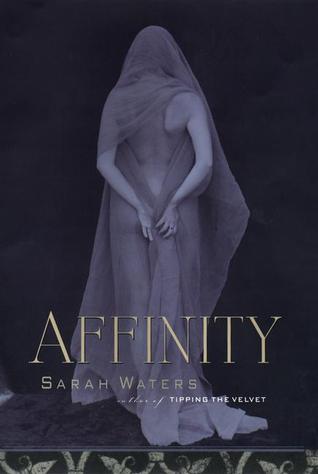 ‘And if you don’t take me,’ she said, ‘—well, when they put an end to your visits, what will you do then? Will you go on envying your sister’s life? Will you go on being a prisoner, in your own dark cell, forever?’
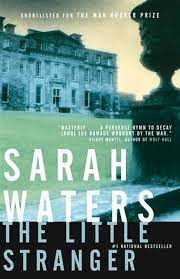
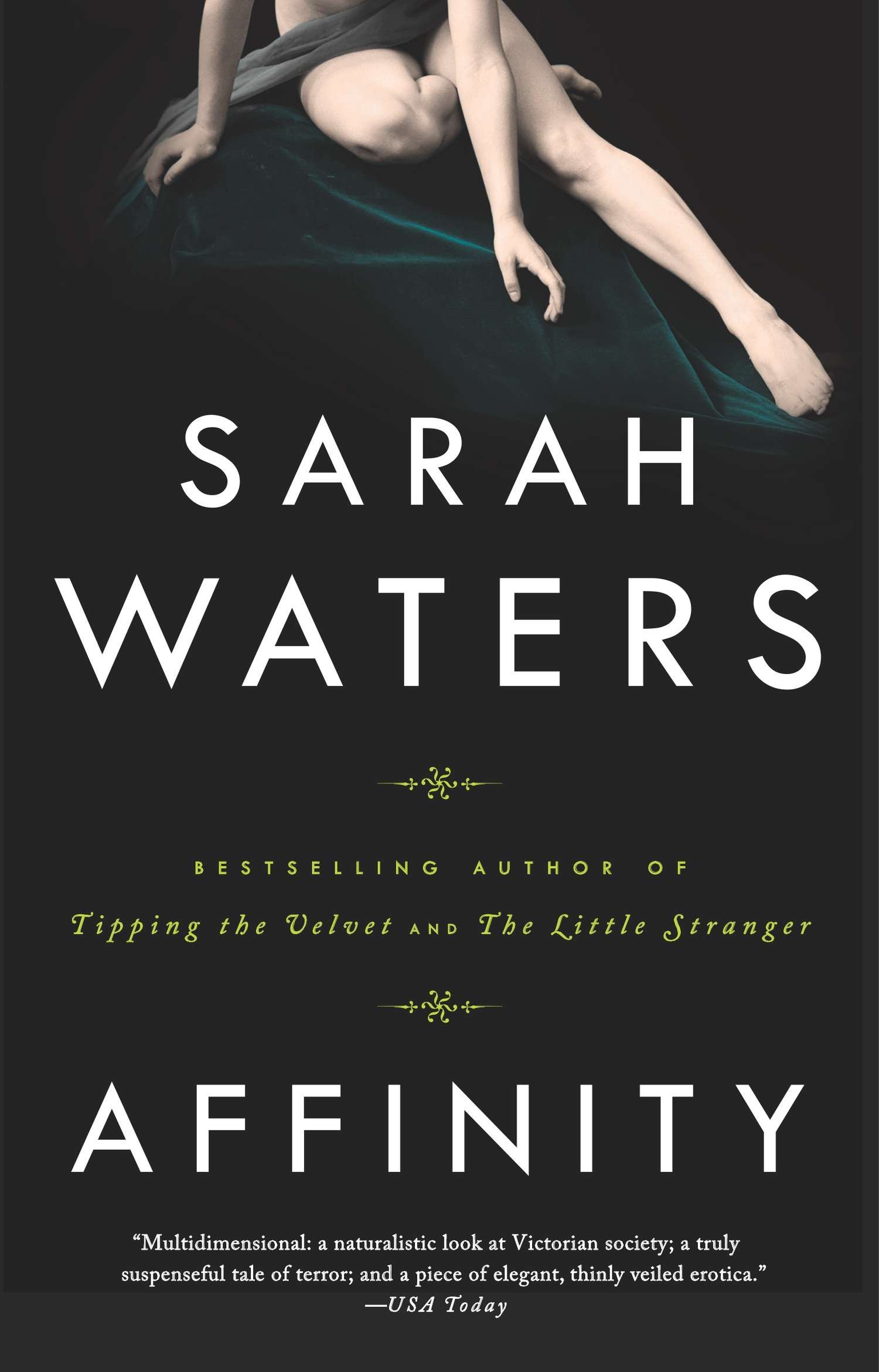 I decided to reread Affinity because I have always wondered if I’d underestimated it; because I was in the mood for something plotty but smart and (sadly) Stuart Turton’s The Devil and the Dark Water, which I just read for my book club, looked promising but turned out not to be very good; and because I recently “attended” an interview with Waters as part of the London Library Book Festival, which of course was lively and fascinating. And here’s the thing. Affinity probably remains my least favorite Sarah Waters novel—but reading it this time, I was very conscious of just what a high bar that actually is! I was gripped from the first page and absorbed from beginning to end. I was surprised by it, because I read it long enough ago that I didn’t remember the details, and I was satisfied by it because its details are so well considered. Waters has the rare knack of making her historical research feel alive on the page, and somehow her characters feel true in a way that Turton’s never did for me. I don’t know if I could point to any specific example or highlight anything in particular that she does differently, but reading Waters right after reading Turton reminded me of the bit in Henry James’s “The Art of Fiction” when he notes that, on the subject of childhood, “with M. de Goncourt I should have for the most part to say No. With George Eliot, when she painted that country, I always said Yes.” I ended up saying “no” to Turton; Waters is a writer to whom I always say “yes.”
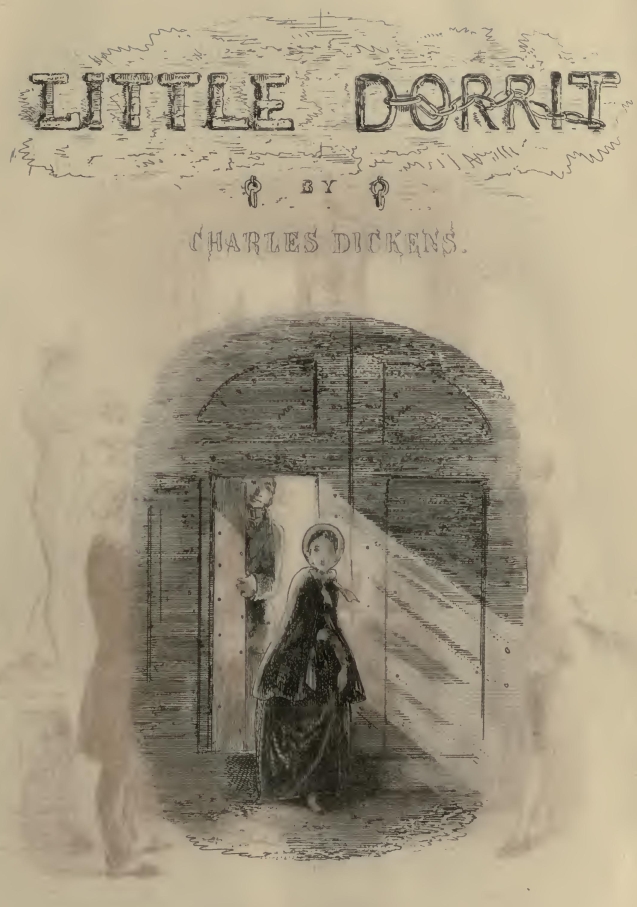 I’m not going to go into a lot of detail about the novel because one of its pleasures is how tense and twisty it is. I will say that one aspect of the novel that I especially enjoyed this time was how nicely Waters uses Little Dorrit to signal some of her own themes. Like Dickens’s novel, which Waters’ protagonist Margaret Prior reads with her mother, Affinity is set in a literal prison but is also very much about metaphorical prisons—social, psychological, and emotional. Much as Dickens does, Waters plays this idea out like a theme and variations, so that various meanings overlap and amplify each other. Margaret is free to come and go from London’s grim Millbank Prison, where she volunteers as a “Lady Visitor” offering company and comfort to the inmates, but she is unable to escape the crushing expectations and limitations of life as an unmarried woman whose interests and desires do not fit the life she is supposed to lead. When the novel’s action begins, she has already tried to commit suicide; thus life itself, to which she was unwillingly returned, is a kind of confinement, and her misery about her circumstances makes her eager to believe in the possibility of spirits that can pass back and forth over the threshold between life and death. Unable to express, much less claim, the love that might make her happy (for her sister-in-law Helen, for example), Margaret is also trapped by her loneliness. When she meets Selina Dawes, imprisoned at Millbank for fraud and assault, she gradually comes to believe that she has found the key that will set her free. Selina, in her turn, seeks liberation, from her literal cell but also from other forces the novel only gradually unveils for us.
 What can these two imprisoned women mean to each other? What place is there for them in the world? I think the main reason I still find Affinity less exciting than Fingersmith is that its answer to these questions is [vague spoiler alert] sadder. Fingersmith goes to pretty bleak places, worse even (perhaps) than the “darks” of Millgate, but something luminous and beautiful emerges at the end. I’ve always remembered Affinity as dour by comparison, and this reading confirmed that impression; its grimness is not lifted in the same way by the sense of possibility, of escape, that the conclusion of Fingersmith offers. I might tentatively say that Affinity is more Gothic while Fingersmith is more Victorian, though like many such period or genre distinctions, that one may confuse more than it illuminates! At any rate, both novels are great reads and I’m glad I gave Affinity another chance. I might reread some of Waters’ other novels this summer: how is it possible that it has already been more than a decade since The Little Stranger came out?
 The headline, the article, it all points to one thing, the actress and her overshadowed child. The picture adds to the lie that I am a poor copy of my mother, that she was timeless, and I am not—the iconic gives birth to the merely human. But that was not how it was between us. That is not how we felt about ourselves.
 Much as I was moved by both Katherine and Norah and engaged by the meticulously evoked historical and theatrical settings of the novel, though, I found the reading experience fragmented, the pieces of the novel difficult to integrate. Maybe if I reread it or thought harder about it I would understand why some of the bits and pieces are there, or why they are ordered in the novel as they are. I admit that right now I am a bit impatient with novelists who leave what feels like too much of that work up to me. I miss exposition, linearity, confidence that the novel as a form is robust enough to be “traditional” in these ways and still new. Actress is not by any means as conspicuously piecemeal as some recent novels, and it isn’t really minimalist, just condensed and somewhat episodic. Maybe it should be enough that it made me feel for the characters, and that Katherine especially seemed vivid enough to be more than a type—though I did feel at times that her pathos and melodrama and ‘madness’ (as her daughter characterizes it) verged on cliché. Is it the red hair (acquired to boost her ‘Irish’ identity) that meant I kept picturing her as Beth Harmon in The Queen’s Gambit? That, and her drinking and her flamboyance and her misery and her endless performance as a character in her own drama: that she lacks (or can’t rely on) her authentic self is part of Katherine’s tragedy, but it also made her poor company, and Norah is similarly, if more quietly, histrionic.
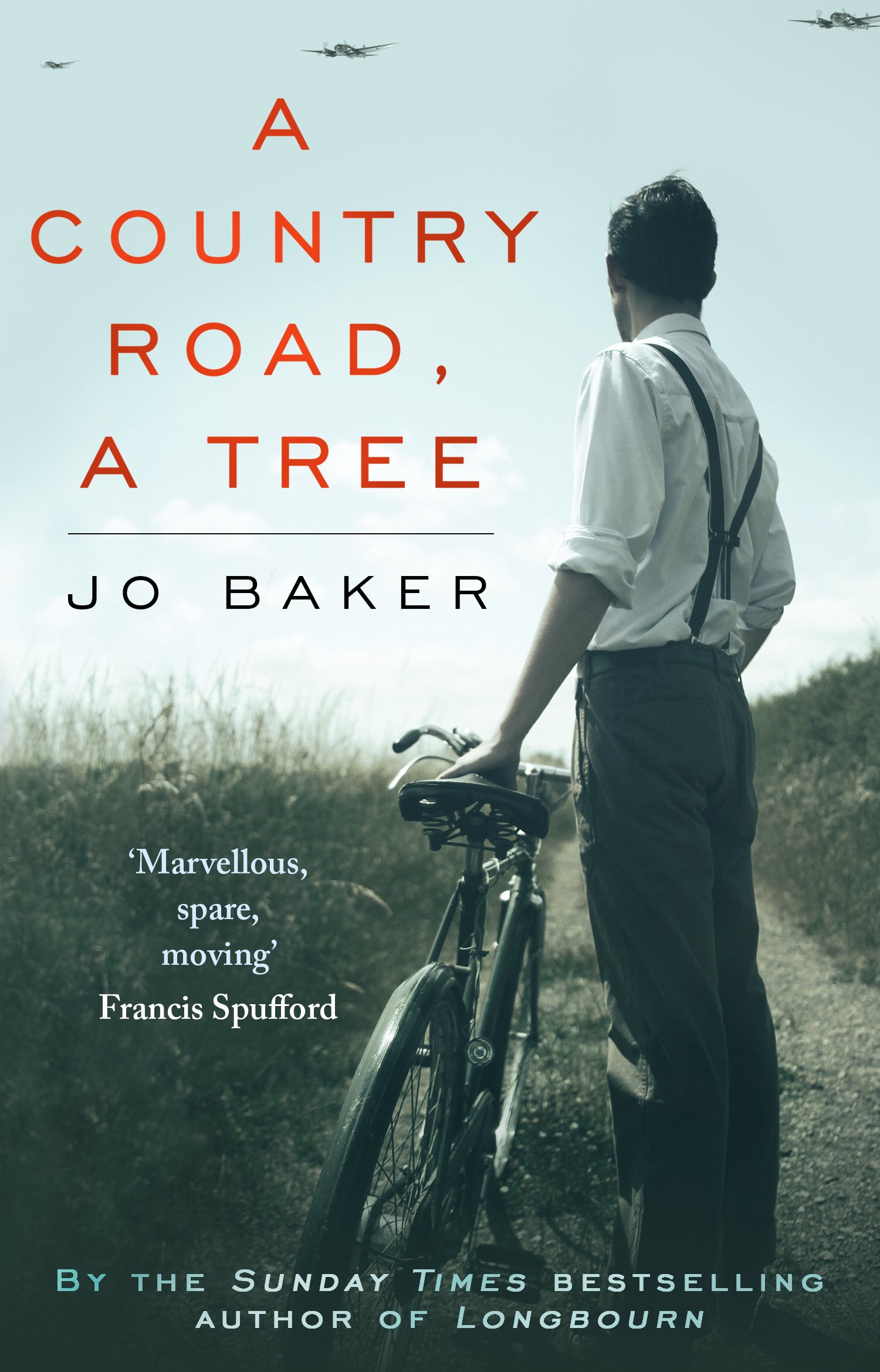
 My near total first-hand ignorance of Samuel Beckett’s work would probably be a real advantage to me in David Lodge’s famous game ‘Humiliation.’ Even my second-hand knowledge is pretty limited: I have a casual idea of what Waiting for Godot is like and about, and that’s it. As with all novels steeped in another author’s lives and ideas, Jo Baker’s A Country Road, A Tree is probably better appreciated by someone else, then, someone who can do more than stumble over a reference to an ‘endgame’ and think “hey, that’s probably
  The specific scenes that need setting are those of Beckett’s years in occupied France, during which he played a part (a small part, he insisted) in the French Resistance. I didn’t know that this was part of Beckett’s story. Anyone’s experience of this kind would make a compelling novel (and of course there have been many other books of one kind or another about this period), and Baker does a really good job conveying the anxiety of it all: it’s an extremely tense narrative, especially from the first moment Beckett joins in with the resistance efforts. The vicarious pressure of living in constant fear of exposure or betrayal, and then with the immediate hazards of escape and living in hiding, was almost too much to add to my own currently high levels of anxiety as the third COVID wave hits Halifax and once again everyday activities feel fraught with risk. In fact, a lot about A Country Road, A Tree felt timely, as something Baker’s Beckett is particularly attuned to is the disorientation induced by the ways crisis defamiliarizes even our most routine activities and intimate spaces.
  Following Beckett’s own lead, Baker never glamorizes Beckett’s resistance work; she doesn’t even treat it as particularly heroic. It’s true that, in retrospect at least, he came through it all pretty well, better than many of his collaborators in these efforts not to mention many, many other people. In the end what’s interesting and important about this particular story about that time and that work is what it meant to Beckett as a writer: that’s really what A Country Road, A Tree is about. Does that trivialize the war, the resistance, the deaths and suffering? I don’t think so. Beckett did more than many of us would to push back against evil, but that wasn’t his chosen work, and it seems right to pay attention to what he made of that experience, or what that experience meant to him, when its imperatives lifted and he was once again able to create unimpeded–or, at any rate, unimpeded by quite the same array of external crises. We shouldn’t let war (or COVID) convince us that things not obviously or directly related to them are not important, that the right response is to marginalize or pare away things we genuinely value. Apparently Churchill’s line about preserving the arts (“then what are we fighting for?”) is apocryphal, something he never said, but the sentiment it expresses is surely true, or at least a lot of us agree with it. To think that Beckett’s writing is less important than his efforts against the Nazis is, in a way, to lose the war. (I have questions like this about what really matters during a crisis in mind because it’s part of what I decided to write about in the essay I’ve been working on about The Balkan Trilogy—out soon, I hope.)
  And it is probably in this case best, anyway, not to consider these things as in opposition. Writers’ experiences become their art, and that’s what Baker is primarily exploring: how being alone and afraid and constantly confronted with irrationality and violence and threats both literal and existential brought Beckett to an understanding of what he wanted to write and how.
 Novel Readings