 Although until a couple of days ago I was awash in end-of-term work, especially evaluating final essays and exams, I have been managing to fit in some “leisure” reading (although, given my line of work, what reading is ever purely personal is never clear). Partly just to break the inertia of not blogging, I thought I’d write the books up briefly; hopefully that will clear my mind enough that some more thoughtful posts will follow over the next few days, including some kind of wrap-up post about my first full year of teaching online.
 First up: Mick Herron’s Down Cemetery Road. I have really enjoyed the three books I’ve read so far in Herron’s Slough House series and usually crime fiction is more my thing than spy novels, so I had high hopes for this one. It didn’t really live up to them, but I think that’s more because of a mismatch between my expectations and Herron’s book, rather than any faults with Down Cemetery Road on its own terms: it is more a thriller than a whodunnit, and while it has some good characters, it is more about plot and suspense than about developing them. It’s pretty dour, even dark, and also pretty political, with its crimes reaching back to things like experimentation with chemical weapons and war crimes. If that’s your thing, you’ll probably like it! It’s well written and pretty fast paced. I won’t be seeking out more in this series, though; I’m much more interested in reading more of the Slough House ones.
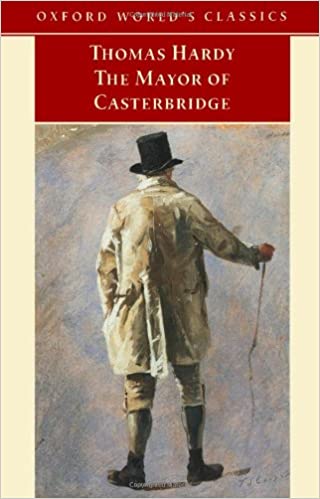 Next up: The Mayor of Casterbridge. One of my vague plans for ages has been to revisit some Hardy in case there’s something I’d rather assign in the ‘Dickens to Hardy’ course than Tess or Jude, so the last time I ventured out to campus I brought back two likely suspects to read over the summer, The Return of the Native and The Mayor of Casterbridge. Picking up Mayor a bit randomly the other day, I found that for whatever reason, I could stick with it better than with the contemporary novels I’d been sampling, so I stuck with it. I think it had been 15 years or more since I last read it: presumably I didn’t love it then or it would promptly have taken its place on my syllabus, and I didn’t end up caring that much for it this time, though I can see that it probably teaches well. As an aside, I mentioned on Twitter that it wasn’t for me and (inevitably, I have learned) people popped up in the replies to tell me that it’s a great novel, or Hardy is a great novelist. Honestly, that’s not a particularly relevant response: even setting aside the vagaries of terms like “great,” tastes vary. By all means tell me that you like it, and better yet tell me what you like about it, but I don’t enjoy replies that sound as if they are correcting my “mistake.” (I’m sure some people do not mean to chastise you when they tell you how good a book is that you’ve admitted to not liking, but especially when it’s a “classic,” I do find that it often sounds like they are saying that you should know [that is, read] better. Tone is notoriously difficult to convey online!) I really hope I don’t do that when people say (as they pretty often do) that they don’t like Middlemarch.
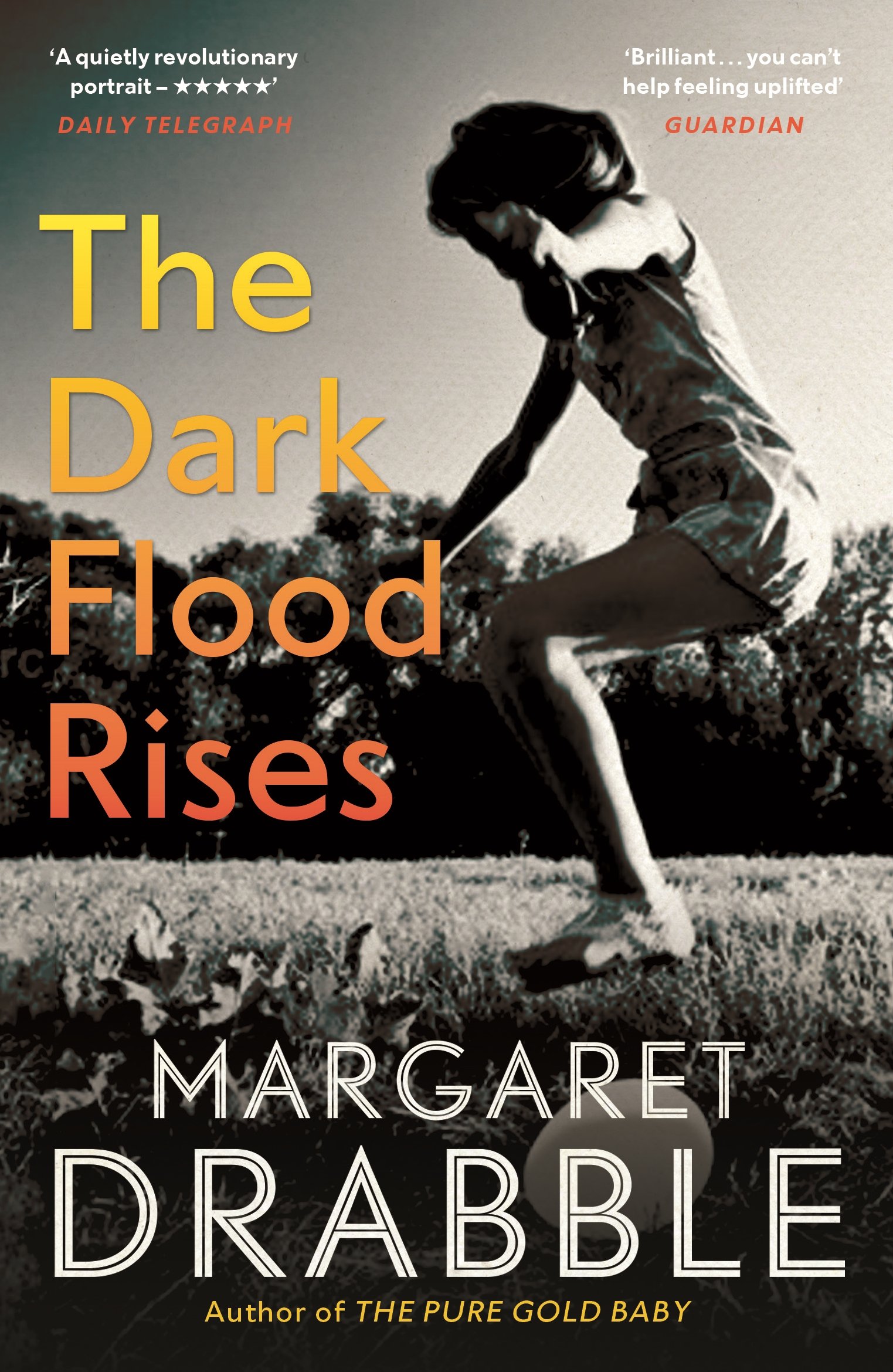 I also picked up Drabble’s The Dark Flood Rises pretty randomly: it has been ripening unread on the shelf since I picked it up used at the symphony book sale, which has not been held now since 2019. (How I have missed it!) Isn’t it odd how the right moment for a book just arrives, sometimes? I think I hadn’t read it before because it has a dreary cover and sounded dour–and if that makes you wonder, then, why I even bought it, well, it was only $2, and Drabble is a novelist I often like, so it seemed worth the very small risk. That said, it is a bit dour, but it’s also sometimes mordantly funny and also kind of encouraging, for a novel that is mostly about death–because what it is really about is what it means or looks like to live a good life. A number of its characters are near the end of their lives; it is not written in the spirit of raging against the dying of the light so much as of seizing what small comforts you can, an idea encapsulated really nicely in Robert Nye’s poem “Going On,” which is quoted in the novel in full. Here are the last line, though of course they mean the most in context:
Now when I think I can’t go on
What I remember is that man
With some small comforts in his hands
Passing along a crowded street
Towards a room all of his own.
Drabble’s eye is really sharp and she does not soften her stories of middle or old age at all. What I appreciate is that the resulting perspective, while resolutely unsentimental, is also not cruel or harsh: it’s just perceptive and kind of curious, as if she’s puzzling out what odd creatures people are and examining the various ways they get as best they can from one day to the next.
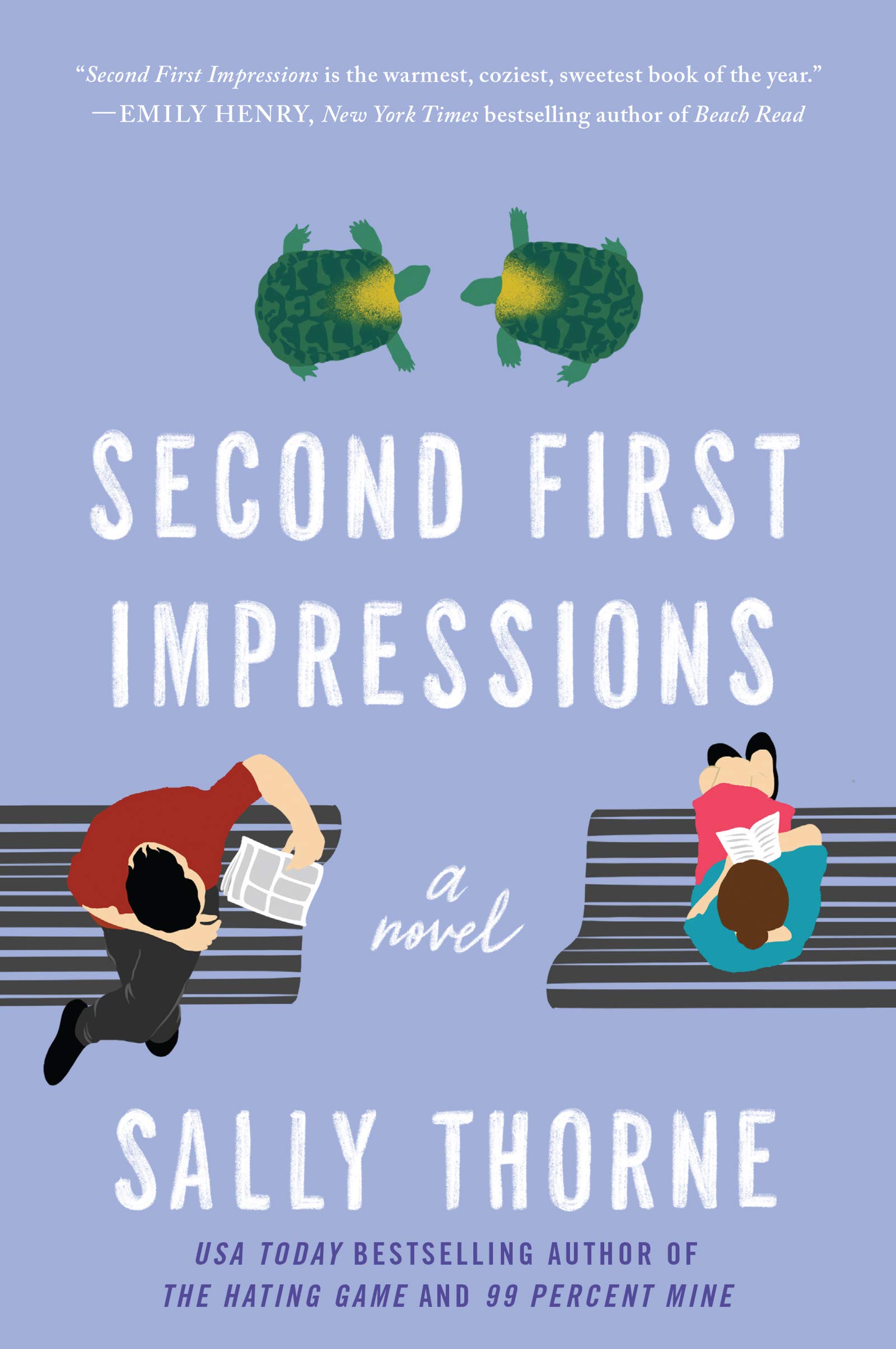 Finally, my ‘light’ reading: I had pre-ordered Sally Thorne’s latest romance, Second First Impressions, and was happy when it showed up on my Kobo just when everything else felt like a bit too much. I thought it was just OK. I really enjoyed her first novel, The Hating Game, though I know it was a bit polarizing among other readers. To me it felt fresh and believable, and it’s also very funny; I’ve reread it a few times when I needed a diversion. I can’t imagine rereading this one: its people just didn’t stand out and it all felt a bit too manufactured. I think it might have been better if she’d alternated points of view: the ‘hero’ never quite came into focus for me. It wasn’t bad, though, and it had a lot of cute elements.
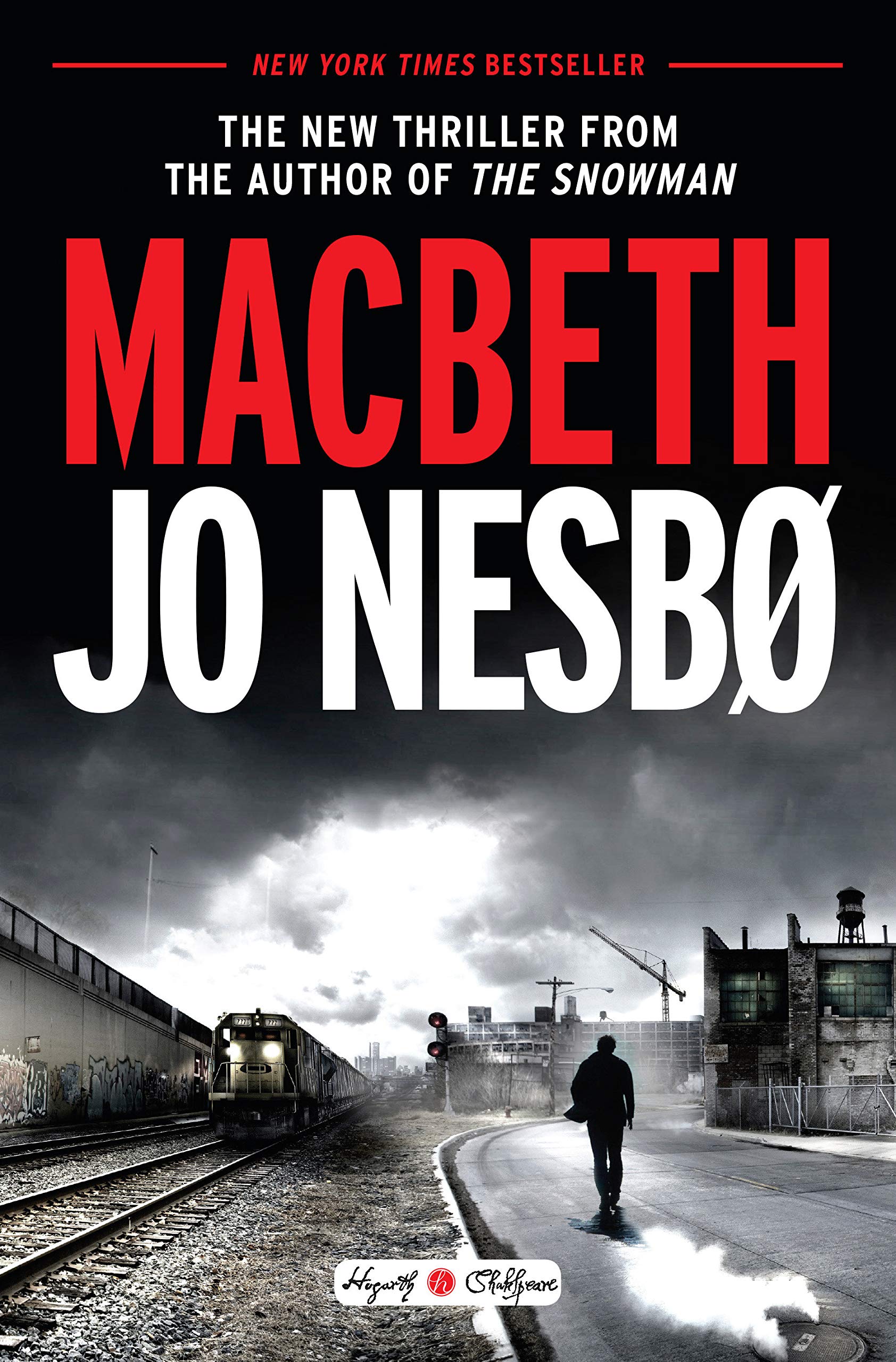 What’s next? Right now I’m reading Jo Nesbo’s Macbeth, which is going pretty well so far. It’s a bit hard to roll with some of his devices for Shakespeare’s characters and plots; I’ve just reached the murder of Duncan and that, in particular, seemed insufficiently motivated for these updated characters, who don’t exactly live in a world where “killing the king” is a thing people do to get ahead. The exercise itself is fun, though; I’ve read a couple others in this venture (Vinegar Girl, for one, and also Hag-Seed) and part of the pleasure is just seeing what creative approach the contemporary author comes up with. As far as other reading plans go, I started The Garden of the Finzi-Continis but wasn’t getting along well with it, so I’m saving it for a day when I can read it on the deck, basking in the sunshine and tuning out the fretful world better than I can at the moment. I’ve got Lonesome Dove on order, and I’m looking forward to that, as it sounds as if it’s an adventure in great old-fashioned story-telling. Plus in honor of Independent Bookstore day, I’ve ordered Anne Enright’s Actress and Jo Baker’s A Country Road, A Tree, both recommended by other trusted readers and books that also look smart without being too demanding.
Pretty soon, too, the last of the administrative work for the term will be done and then I will finally–for the first time since last March, really–be able to turn my attention away from online teaching and sort out some priorities and plans for longer-term reading and writing projects, probably including a return to the work I’d been doing on and around The Years. What a nice thought! It’s almost (but not quite) enough to cheer me up in the face of today’s dismal and rather frightening COVID numbers.
 I gazed up at the sky and let my eyes flicker from one constellation to another to another, jumping between stepping-stones. I thought of the heavenly bodies throwing down their narrow ropes of light to hook us.
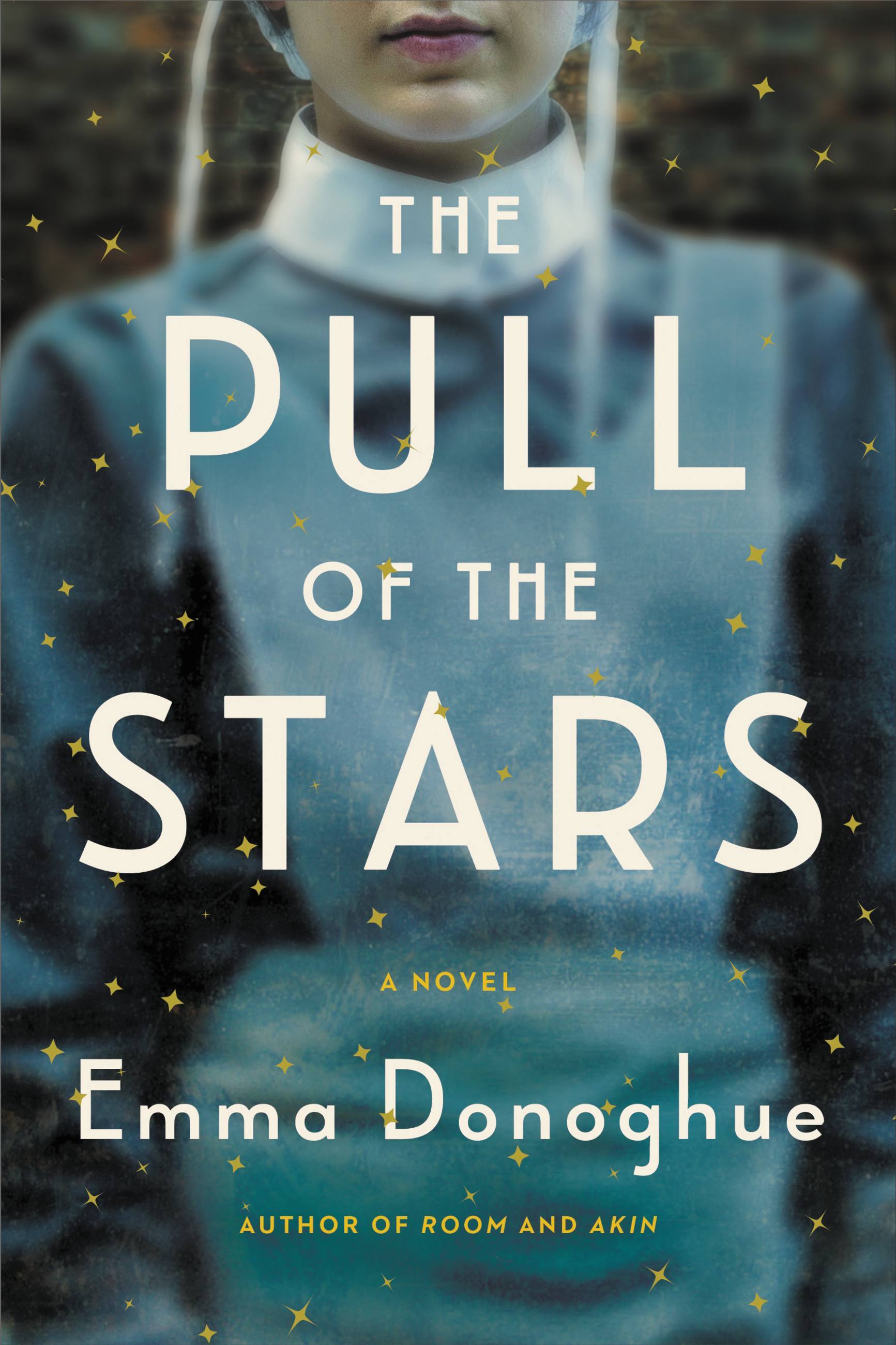 Unfortunately, The Pull of the Stars is the least fine of the ones I’ve read: though I was gripped by it at first, by the end I found it quite disappointing. The ingredients are excellent, Donoghue’s research was obviously meticulous, and some moments are really memorable, but as a whole, it just doesn’t work very well. The premise is simple and promising: the novel covers three intense days in a Dublin maternity ward during the 1918 flu pandemic. It follows the grueling and often heroic exertions of Nurse Julia Power, her feisty volunteer assistant Bridie Sweeney, and Dr. Kathleen Lynn, an actual historical person who (among other things) was active in Sinn Féin and a fierce advocate for “nutrition, housing, and sanitation for her fellow citizens” (from Donoghue’s Author’s Note). The graphic descriptions of medical crises and procedures–whether for symptoms of influenza or for childbirth–make for grim reading that’s often really absorbing, in a documentary sort of way. Here’s a representative sample:
 Assuming you have the stomach for this kind of stuff, and also assuming you have the emotional fortitude to persist with a novel about a pandemic while in the midst of one (that was a close call for me)–if neither of those aspects of The Pull of the Stars puts you off, then what’s not to like? Well, of course you might like it just fine! My complaint is that for most of the book, there’s almost no story, no plot: it’s just a sequence of events. The only shape the narrative has is linear: things happen, one after another, and our small cast of characters reacts, but moving on to the next thing is not the same as going anywhere. Maybe that was a deliberate formal choice, as Julia herself resists the idea that people’s lives have direction or meaning, but for me it made the first three quarters of the novel feel aimless, with no sense that its parts were turning into anything. Then the novel became a love story, a development which seemed so abrupt it felt like an afterthought: there was no groundwork laid for it, no anticipation of it, no thematic reason for it. And then, just as abruptly, the love story [SPOILER ALERT] turns to tragedy, and while we know by then that the influenza can progress with appalling speed, still, it felt unfortunately pat as a way to wrap things up.
 There are some other threads of interest in the novel, including scathing critiques of the nuns and the abusive girls’ “homes” they run, and Dr. Lynn provides occasions for some bits of political back and forth. Again, these are good ingredients (especially Dr. Lynn, whose biography Kathleen Lynn: Irishwoman, Patriot, Doctor sounds well worth reading), but I like a novel to feel, by the end, like something significantly more than the sum of its parts, and I don’t think The Pull of the Stars pulled that off, even though Donoghue joins all the dots neatly enough. If for some reason you are actually in the mood for a novel about the plague, I would recommend reading
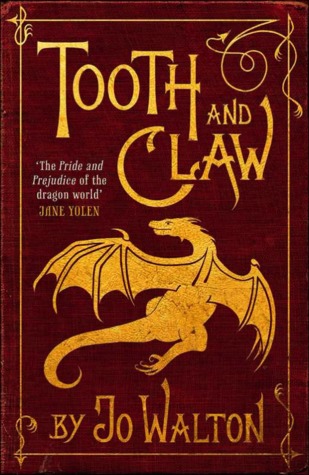 The result is delightful but (perhaps inevitably) also sort of silly. The incongruity of dragons behaving exactly like Trollope characters is sometimes hilarious and sometimes (for me at least) too much: references to their swirling eyes and burnished scales and “beds” of gold coins made it hard for me to engage with them as characters with the usual kinds of motives and feelings. But there’s also something slyly thought-provoking in Walton’s literalization of the inequalities and hang-ups of the period – or, probably more accurately, of the novels of the period. One clever aspect of Tooth and Claw, for example, is that the female dragons “pink up” when in love – though they may also, and this proves problematic, pink up when approached too closely even by a male they don’t love, and that can have serious consequences for their reputations. It is both appropriate and necessary for female dragons to react this way to their potential spouse – and once married they turn increasingly rosy, a sign of their sexual maturity. Any reader of Victorian novels is familiar with the novelists’ trick of having heroines blush as a delicate sign of sexual attraction or arousal, and also with the impossible trick these heroines are supposed to perform of never desiring except where and when it’s acceptable, staying ignorant and virtuous until the switch is flipped and they go from innocent girl to bride, wife, and mother (and thus, implicitly but by definition sexually active). Navigating this terrain is treacherous for both the heroines themselves and their authors; reconciling sexuality and propriety or principle is a key theme of 19th-century novelists from Austen to Hardy and Gissing. Walton’s spin on this doesn’t tell us anything about it that her Victorian predecessors haven’t explored already, but it’s still ingenious and amusing to follow.
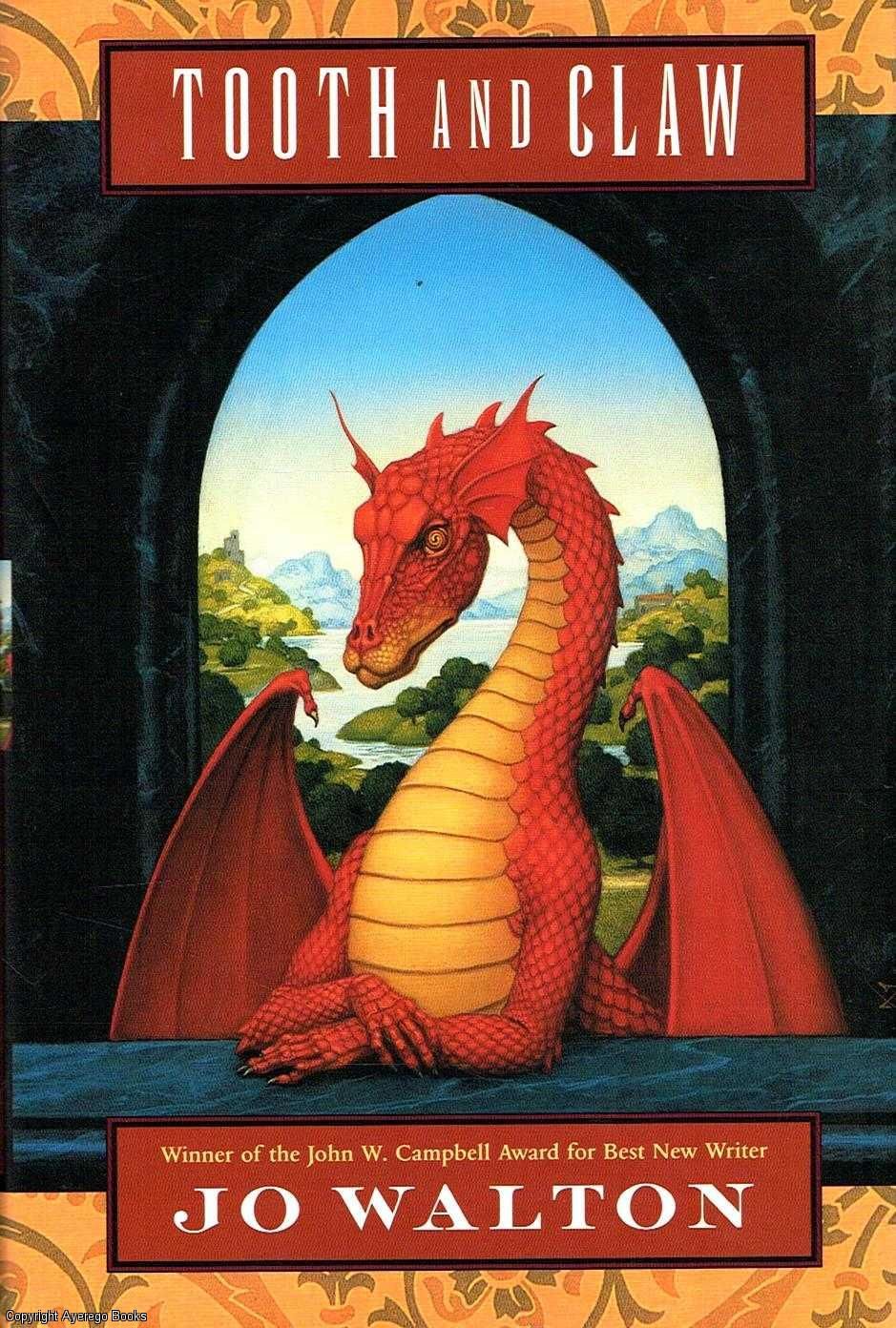 Another smart aspect of Tooth and Claw is its attention to the ways wealth is hoarded and shared (or not shared), so that the powerful elite not only maintain their status but expand it, while the weaker and more vulnerable compete (quite literally) for the scraps. When a dragon dies, for instance, its heirs eat it, their shares apportioned by custom and privilege. Eating a dragon makes the consuming dragon bigger and stronger: thus the laws of inheritance perpetuate inequality. Weakling members of families are also eaten, thus guaranteeing the greater size and strength of the survivors (hello, Darwin); servants who have outlived their usefulness are eaten – and so too, sometimes, are servants who disobey or betray the family they serve. Legal disputes can be settled by combat, with the loser getting eaten – which would certainly have had implications for Jarndyce v. Jarndyce! Again, it’s ingenious, a dynamic of competition and entitlement familiar to readers of Trollope but shown up as more ruthless than Trollope’s gentle satire typically acknowledges.
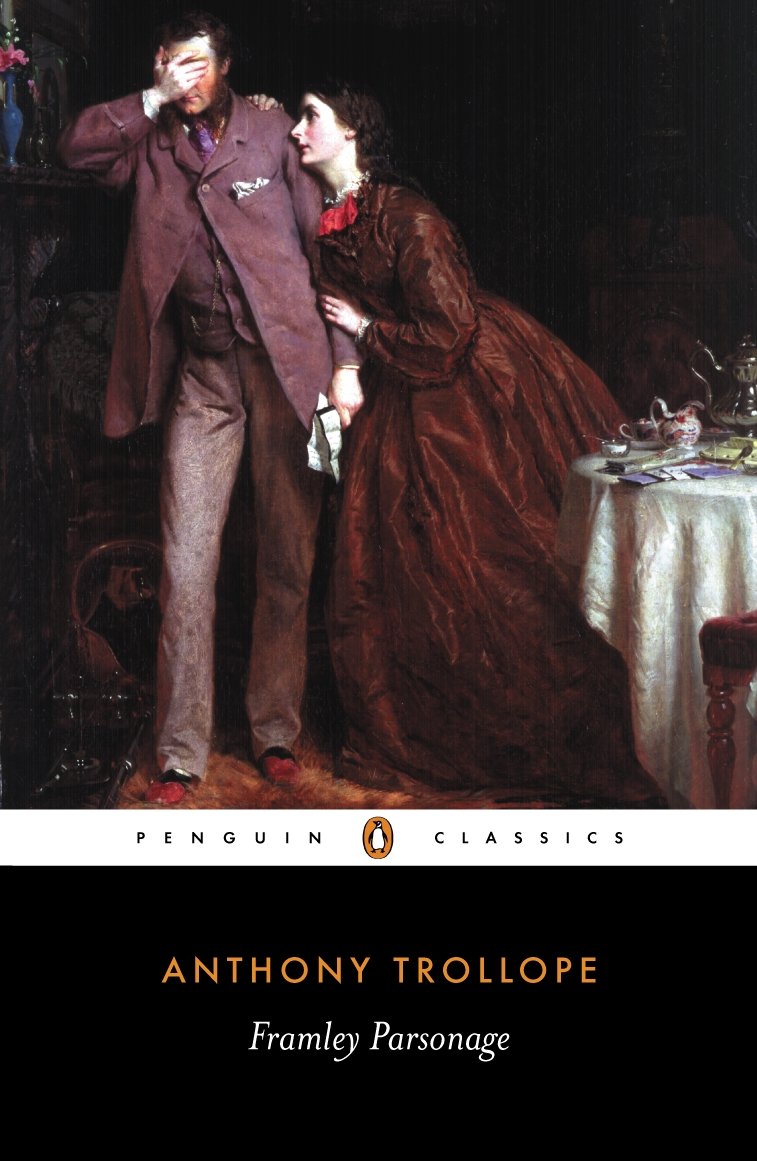 I don’t think Tooth and Claw is more revealing or insightful, or more critical, about Victorian society than the actual Victorian novelists I know best, but Walton’s novel is a lot of fun to read: it is satisfying in the way that watching any highly original concept be executed well is satisfying. I found it thoroughly entertaining. Her dragons are fearsome but also pretty lovable; she finds a way to make “mellow music” with them. Unlike one of the reviewers quoted on the cover, I didn’t finish it “wishing it were twice as long,” but Framley Parsonage is twice as long and more, and Tooth and Claw did make me think it might be time to reread it.
 Novel Readings