January was an OK reading month overall—not great, but with some highlights.
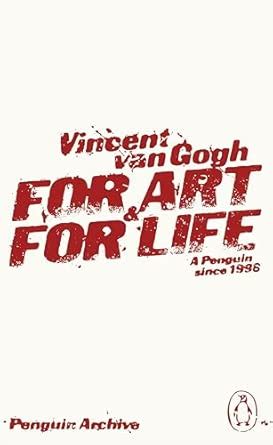
I started with two of the books I picked up at Bookmark’s Boxing Day sale: Vincent van Gogh’s For Life and For Art, which is one of those sweet little Penguin Archive editions. It fell a bit flat for me. I chose it because I was curious to get some insights into van Gogh’s creative process, and there are certainly some interesting passages. One example:
The work is going fairly well. I’m struggling with a canvas I started a few days before my illness—a reaper. The study is all yellow, extremely thickly painted, but the subject was beautiful and simple. For I see in this reaper—a vague figure toiling for all he’s worth in the midst of the heat to finish his task—I see in him the image of death, in the sense that humanity might be the wheat he is reaping. So it is, if you like, the opposite of the sower which I tried to do before. But there is no sadness in this death, this one takes place in broad daylight with a sun flooding everything with a light of pure gold.
In other places he talks quite a bit about how he uses paint, something to which (to be honest) I have paid a lot more attention since I started doing jigsaw puzzles, which often require minute scrutiny to colour and texture. Much of the book, though, which is all letters (mostly to his brother Theo) are about pretty mundane stuff, like art supplies. Not that there’s anything wrong with that! But van Gogh’s paintings are so strange and extraordinary that I expected the same here.
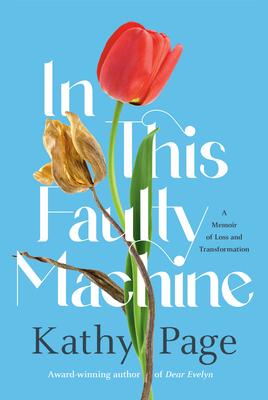
Then I read Kathy Page’s In This Faulty Machine, which is a memoir about her diagnosis with Parkinson’s disease. Again it fell a bit flat, which feels like a terrible thing to say about a book that is so personal and also recounts such a profoundly difficult experience. In this case too there are passages that made me pause with appreciation, such as this one about find words for what she is going through:
In times of great loss, meaning flows back into apt but outworn expressions and they seem true again. So it’s possible, even likely, that as my difficulties become more acute, I will find that plain ordinary words; roughly fitting, well-used phrases; and even squirm-inducing metaphors are good enough—perhaps at times better—than nuanced and original phrasings that draw attention to themselves. After all, sweating, terrified, I’m unlikely to waste my time gazing at the approaching forest fire while I struggle for alternatives to ‘wall of flames’ or choose an original way to convey the ghastly, devouring sound it makes. Since I want to communicate, somehow, anyhow, whatever it takes, I may perhaps be glad of whatever first comes to mind.
Perhaps. Maybe. Meanwhile, I have good reasons for being very passionate about words, and I am not on any kind of journey.
A lot of this book is about Parkinson’s – the symptoms, the treatments, the challenges. Near the end Page says that she wants “my account of these five years to be of use to others,” and I think that intention may be why there’s a fair amount in it that is quite literal, not a how-to guide or instruction manual but, in spirit, a bit of an ‘introduction to.’ Page is a good writer: I was interested in the book in the first place because I really admired her novel Dear Evelyn, which I reviewed for Quill & Quire when it came out. And This Faulty Machine is fine, especially when she meditates on illness and its effects on self and identity and creativity. I’ve just read some memoirs recently that really lit me up—I’m thinking of both Sarah Moss’s My Good Bright Wolfand Claire Cameron’s How to Survive a Bear Attack—and I just did not feel the same about this one.
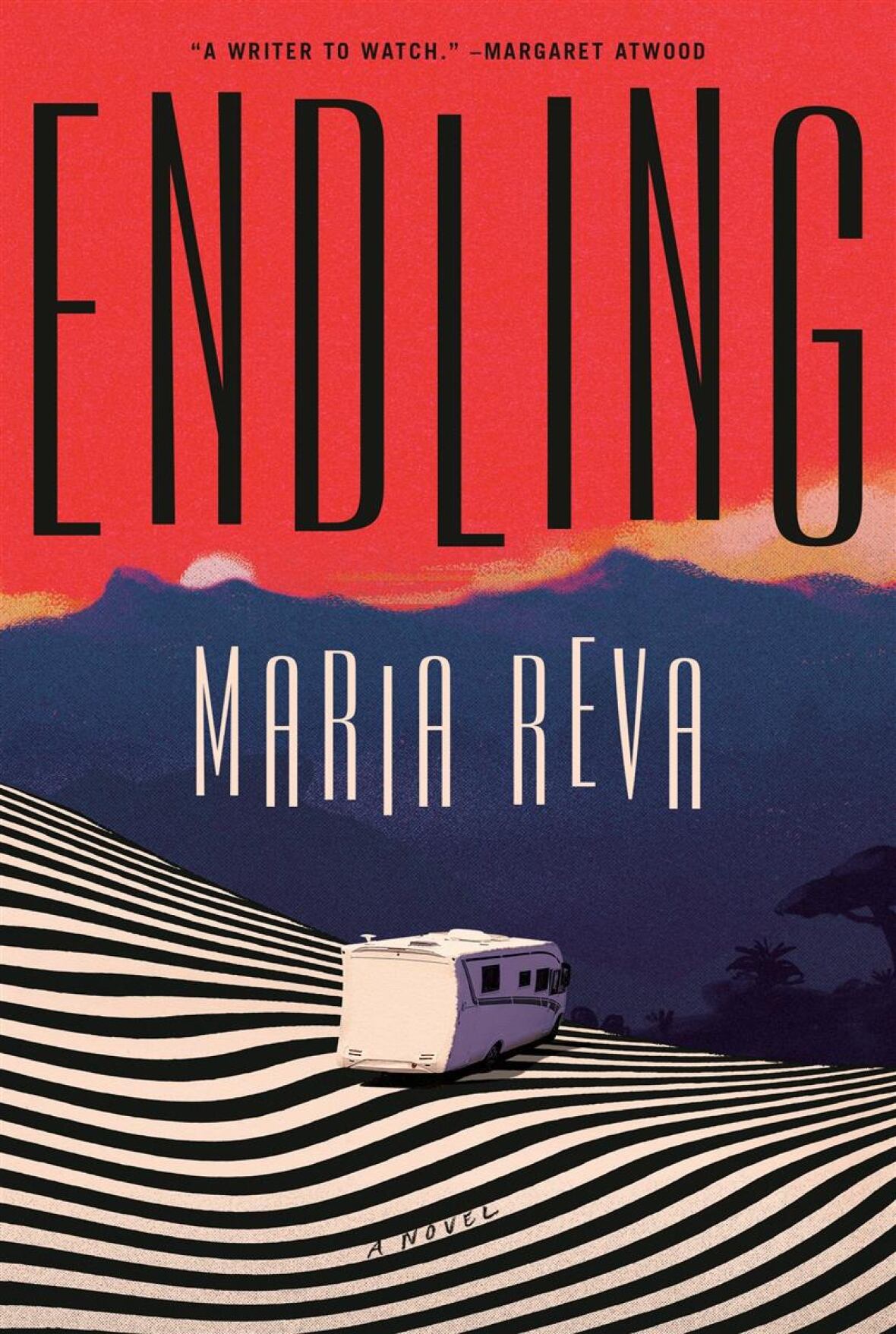
I bought one more book at that sale, Maria Reva’s Endling, which I had been excited about reading ever since hearing her interviewed about it on Bookends. I am sorry to say that at this point this one is a DNF for me, though I hope I will try it again some day. The metafictional turn it took (which I knew was coming, so I did go into this with my eyes open) quenched my already faltering engagement. YMMV.
I followed up on a recommendation on Bluesky and read Joseph O’Connor’s My Father’s House. This one was high on the “readability” scale and also felt unhappily topical, as all books about resisting fascism do at this point. I didn’t feel compelled to read it at all closely, though, and in fact at times I skimmed along because I was more driven by curiosity about what would happen than I was taking pleasure in its language. It has already gone back to the library, so I can’t quote from it.
A friend leant me Antonia White’s Frost in May, which I have had on my mental TBR for probably decades, given its status as the first-ever Virago Classic. I quite enjoyed this one (although again it has been returned, so I can’t quote from it—such are the hazards of not blogging each book properly as I finish reading it!). My friend commented, and I agree, that it is perhaps a bit too detailed about the religious aspects, but Nanda is a very appealing protagonist to follow along with during her ‘coming of age,’ and I liked White’s prose a lot.
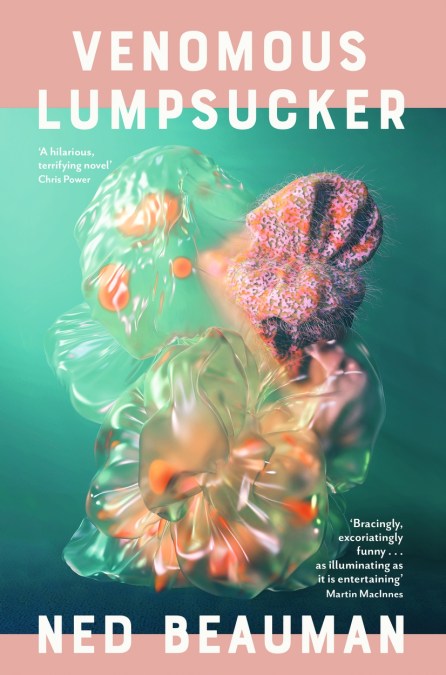
Ned Beauman’s Venomous Lumpsucker would have been a DNF if I hadn’t been reading it for my book club, and as it was I petulantly turned every page after about the first 150, rather than diligently reading it all. As with Endling I have mostly myself to blame for getting into this one: we read Ian McEwan’s What We Can Know last, and decided we’d like something with some similar themes (e.g. environmentalism, climate change, investigation) but with a more plotty plot, a bit more excitement. Venomous Lumpsucker was one of the books I put on a menu of options and it sure sounded like it would be all kinds of madcap fun. Nope. For me, anyway, Beauman just spent waaaaay too much time filling in all the details required by his concept. It dragged soooooo much. I’ll be quite curious to know how my book club friends got on with it.
I finished Volume 3 of Woolf’s diaries: this is a case in which I have too many passages flagged to do this reading experience justice in this quick recap. She’s working on The Waves for much of the last part of this volume and it is really fascinating watching her think it through. One thing that really comes through in the diaries is that she was never content to sit in one place as a novelist: she was always asking what else she could do, or how better she could create fiction that reflected the ideas and experiences she wanted to convey. I have started Volume 4 and fully intend to do better at posting about it regularly (she says boldly).
Finally, I had heard good things about Virginia Evans’s The Correspondent so I grabbed it up when I happened upon it on the ‘rapid reads’ shelf at the library. It is also very readable, and also smart and subtle and touching. Its epistolary approach made me think of Jane Gardam’s Queen of the Tambourine, although it has been so long since I read that one that I don’t know how much beyond their form they have in common. I pulled the Gardam off myself and added it to my actual TBR pile: I enjoyed it a lot when I read it back in (checks blog archive) 2011. 2011! That’s a long time ago.
And now it’s February, a new month, a short month, a (probably) pretty busy month. One reason I haven’t been posting is that I’ve been so tired after the work stuff is done: it has been a dreary time at work administratively, with budget cuts and internecine wrangling and lots of doom and gloom ‘what if’ conversations, fiscal as well as curricular. Honestly I’m surprised I even read this much (which isn’t that much, by some standards) in January. I’m enjoying my actual classes, though, and I hope the students are too—although if the current forecast holds we may have our third Monday in a row cancelled for snow. Did I mention I’ve been tired?! Still, we are working through the final part of The Mill on the Floss in the George Eliot seminar and that, of course, is genuinely great reading, and Friday’s class in the Brit Lit survey was on “Goblin Market”—what larks! (We start Great Expectations soon, too!)
This post is a re-done version of my previous January 2026 update to correct a number of odd things that happened when I tried to use the latest incarnation of the ‘classic’ editor. Time to learn how to use blocks, I guess–which is what I did here.
 Novel Readings